Chs Treatment: How It Works, Results and What to Expect

The only known long-term way to prevent CHS from returning is complete cessation of cannabis, including edibles and other THC-containing products. Hospital treatment may include intravenous fluids, electrolyte replacement and medicines to manage nausea, vomiting and pain safely.
Key Takeaways
- The only known long-term way to prevent CHS from returning is complete cessation of cannabis, including edibles and other THC-containing products.
- Hospital treatment may include intravenous fluids, electrolyte replacement and medicines to manage nausea, vomiting and pain safely.
- There is no single test that confirms CHS; clinicians diagnose it from symptoms, cannabis-use history and tests that rule out other conditions.
- Hot showers may provide temporary relief for some people, but they do not treat dehydration or prevent future episodes.
- Repeated vomiting can cause dehydration and electrolyte disturbances, so prompt medical assessment is important when fluids cannot be kept down.
CHS treatment for cannabinoid hyperemesis syndrome includes stopping all cannabis products, managing vomiting and dehydration, and checking for other possible causes of abdominal symptoms. Many people need urgent medical support during severe episodes, while lasting recovery depends on avoiding cannabis.
CHS treatment: the essential approach
CHS treatment addresses cannabinoid hyperemesis syndrome, a condition marked by recurring nausea, vomiting and abdominal discomfort in some people who use cannabis regularly over a long period. The immediate priorities are preventing dehydration, relieving severe symptoms and excluding other urgent causes of vomiting or abdominal pain.
The most important long-term treatment is stopping cannabis completely. This includes smoked or vaped cannabis, concentrates, THC-containing edibles and products marketed as medical cannabis. Symptoms may recur if cannabis use resumes, even after a person has felt well for a period of time.
During an acute episode, treatment may be provided at home only if symptoms are mild and the person can drink fluids. However, frequent vomiting, weakness or inability to keep fluids down may require chs hospital treatment, where clinicians can give intravenous fluids, check electrolyte levels and use appropriate anti-nausea medicines.
How CHS treatment works
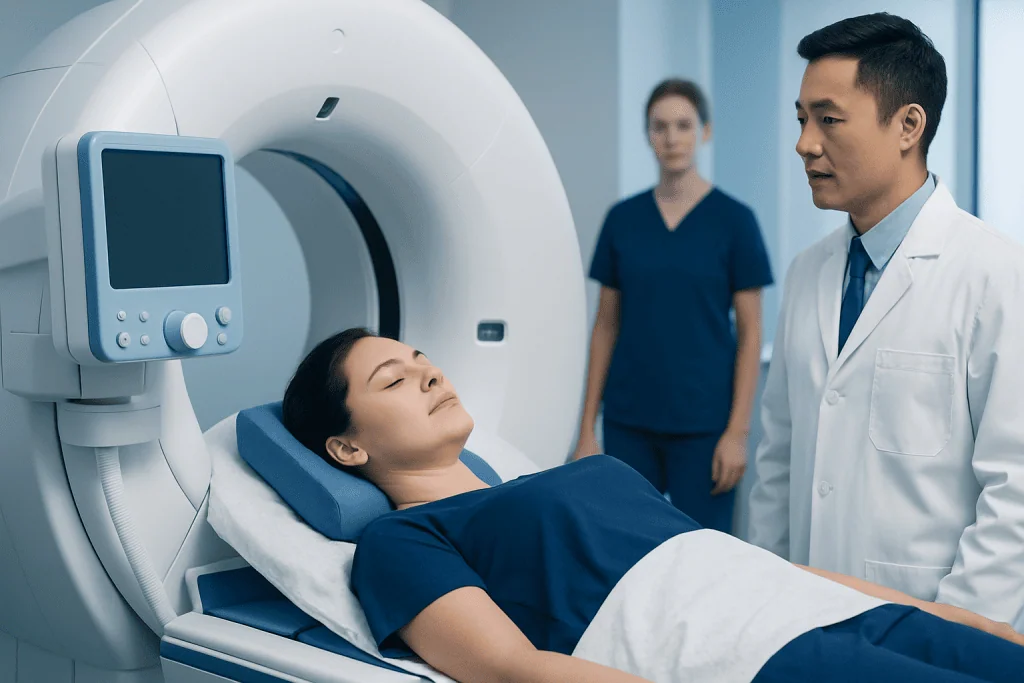
Acute care is designed to stabilize the person rather than immediately cure the underlying condition. Vomiting can quickly lead to loss of fluids and minerals such as potassium, which can affect energy levels, muscle function and, in severe cases, heart rhythm. Oral rehydration may be appropriate for mild symptoms, while intravenous fluids are often needed when vomiting is persistent.
Clinicians may use medicines for nausea and vomiting, although common antiemetics do not always work well in CHS. Depending on the individual’s symptoms and medical history, a doctor may consider other supervised medicines. Pain relief is chosen carefully, since some medicines can worsen nausea, constipation or other symptoms.
Some people report short-lived relief with warm showers or baths. This pattern can support the clinical suspicion of CHS, but it is not diagnostic and should not replace medical care. Very hot or prolonged bathing can cause burns, dizziness or fainting, especially when dehydration is present.
After the episode settles, sustained cannabis cessation is the central part of care. A clinician can also help address sleep problems, anxiety, chronic pain or substance-use concerns that may make stopping cannabis more difficult.
CHS health diagnosis and test results

There is no single laboratory test, scan or home test that proves a person has CHS. A chs health diagnosis is usually based on a characteristic pattern: repeated episodes of nausea and vomiting, regular cannabis exposure, temporary relief with hot bathing in some cases, and improvement after cannabis is stopped.
Because vomiting and abdominal pain have many possible causes, clinicians usually perform an assessment to rule out conditions that need different treatment. This may include a physical examination, blood and urine tests, a pregnancy test when relevant, and imaging or other investigations depending on the symptoms.
CHS test results may show dehydration or electrolyte imbalances, but these findings do not specifically identify CHS. Results can also be normal between episodes. A complete and nonjudgmental discussion of cannabis use is important, including frequency, duration, product type, THC strength, edibles and any use of synthetic cannabinoids.
Doctors may consider gastrointestinal infection, pancreatitis, gallbladder disease, ulcers, bowel obstruction, kidney problems, pregnancy-related vomiting and other causes. New or unusual symptoms should not automatically be attributed to cannabis use without appropriate evaluation.
What are the three stages of CHS?
CHS is commonly described as having three phases, although not every person experiences each phase in the same way. The first is the prodromal phase. It may involve early-morning nausea, abdominal discomfort or fear of vomiting, while the person may still be able to eat and continue using cannabis.
The second is the hyperemetic phase. This is the most severe stage, with repeated nausea and vomiting, abdominal pain, reduced food intake and possible dehydration. Some individuals bathe frequently in hot water because it seems to ease symptoms temporarily. This phase may lead to emergency assessment or hospital care.
The third is the recovery phase. It begins after cannabis cessation and symptom improvement. Appetite and normal eating often return gradually, but recovery varies. Returning to cannabis can trigger another episode, so ongoing abstinence is important for preventing recurrence.
Candidacy and step-by-step care during an episode
Anyone with recurrent vomiting and ongoing cannabis use may need assessment for CHS, particularly if previous digestive evaluations have not identified another explanation. Treatment decisions depend on the severity of vomiting, hydration status, pain, medical conditions, pregnancy status and the possibility of an alternative diagnosis.
In a medical setting, care commonly follows a practical sequence:
- Assessment: clinicians review symptoms, vital signs, medicines, cannabis exposure and possible warning signs.
- Testing when needed: blood, urine, pregnancy and imaging tests may help rule out other causes and identify dehydration or electrolyte problems.
- Stabilization: oral or intravenous fluids, electrolyte correction and symptom-directed medicines may be used.
- Observation and discharge planning: the person is monitored until vomiting is controlled, fluids can be tolerated and there is a safe plan for follow-up.
- Prevention of recurrence: clinicians explain complete cannabis cessation and offer support for stopping.
A chs treatment center may involve emergency clinicians, gastroenterology specialists, primary care professionals and behavioral health or addiction-support services. The right setting depends on symptom severity and individual needs rather than the label of the service.
How long does it take for CHS to clear up?
Acute vomiting may begin to improve within days after cannabis is stopped and dehydration is treated, but the timeline is different for each person. Some people need longer for nausea, appetite and digestion to return to normal, particularly after a severe episode or prolonged cannabis use.
Recovery should be judged by the overall trend: vomiting stops, fluids and food can be tolerated, urination returns to normal and strength improves. Persistent symptoms should be reassessed because CHS can coexist with, or be mistaken for, another health condition.
Complete recovery and prevention of future episodes require continued avoidance of cannabis. A return to cannabis may bring symptoms back, sometimes after a period of apparent well-being. Follow-up with a qualified clinician can help establish a safe recovery plan and address any ongoing symptoms.
Can I take edibles if I have CHS?
No cannabis product can be considered a safe alternative for someone with suspected or confirmed CHS. Edibles can contain THC and other cannabinoids, and they may trigger symptoms just as smoked, vaped or concentrated products can. Switching product types, lowering the amount or choosing a different route of use is not a reliable form of chs self treatment.
Products labeled as CBD-only may not always be free of THC, and cannabinoids may still be relevant to symptoms. A person considering any cannabinoid product should discuss it with the clinician managing their care, especially if they have had repeated vomiting episodes.
If cannabis was being used for pain, nausea, sleep, anxiety or another symptom, a doctor can discuss safer evidence-based alternatives. Support for cannabis cessation can include counseling, behavioral strategies and care for the underlying reason cannabis was being used.
What triggers CHS episodes and when to seek medical care
The underlying trigger for CHS is continued cannabis exposure in a susceptible person. Episodes may become more likely with frequent or long-term use, high-THC products, concentrates or escalating use, although CHS cannot be predicted from cannabis use alone. Individual episodes may also feel worse during poor oral intake, stress or illness, but avoiding cannabis remains the key preventive measure.
Medical care should be sought urgently if there is ongoing vomiting, inability to keep down liquids, very little urine, fainting, confusion, severe weakness, chest pain, severe or worsening abdominal pain, blood in vomit or black stools. Pregnant people, children, older adults and people with chronic conditions should seek timely assessment for repeated vomiting.
At home, a person with mild symptoms may take small frequent sips of oral rehydration fluid if tolerated and avoid alcohol, cannabis and non-prescribed substances. They should not rely on hot bathing for symptom control, and they should seek medical advice if symptoms do not improve or return repeatedly.
Acibadem International’s multidisciplinary specialists and JCI-accredited hospitals can assess recurrent vomiting, provide supportive treatment and help international patients access appropriate follow-up care.
Frequently asked questions
What is the best CHS treatment?
The key treatment for preventing CHS from returning is complete cessation of cannabis and THC-containing products. During an active episode, treatment focuses on fluids, correction of electrolyte problems and medically supervised control of nausea and vomiting. A clinician should also assess for other possible causes of symptoms.
Can CHS go away without going to the hospital?
Mild symptoms may improve with cannabis cessation and careful oral hydration if the person can keep fluids down. However, repeated vomiting can cause dehydration quickly, and hospital treatment may be needed for intravenous fluids and monitoring. Anyone unable to drink, urinating very little or feeling faint should seek urgent medical care.
Why do hot showers help CHS symptoms?
Hot showers can provide temporary relief for some people with CHS, though the reason is not fully understood. This response is a clinical clue, not a cure or confirmation of the diagnosis. Long, very hot showers can be unsafe when a person is dehydrated.
Do anti-nausea medicines work for CHS?
Some standard anti-nausea medicines may provide limited relief in CHS, while others may be considered by a doctor based on the person’s condition. Medication does not replace stopping cannabis. Medical supervision is important because severe vomiting can involve dehydration and electrolyte abnormalities.
Can CHS return after recovery?
Yes. CHS can recur if cannabis use resumes, including use of edibles, vapes, concentrates or THC-containing products. Continued avoidance of cannabis is the best-known way to lower the risk of another episode.
How is CHS different from food poisoning?
Food poisoning usually follows contaminated food exposure and commonly improves over a short period, though severity varies. CHS is associated with recurrent vomiting episodes in the setting of regular cannabis use and typically improves after cannabis is stopped. A clinician may need to evaluate symptoms because the conditions can overlap and other causes must be excluded.
References
- National Institute on Drug Abuse
- American College of Emergency Physicians
- Cleveland Clinic
- Merck Manual Consumer Version
This article is for general information only and is not a substitute for professional medical advice. Please consult a qualified doctor about your individual situation.
Persistent digestive symptoms? Get evaluated in Turkey
JCI-accredited · board-certified surgeons · reply within 24h