Treatment for Snapping Hip: How It Works, Results and What to Expect

Snapping hip describes a popping or snapping sensation around the hip, which may be painless or associated with discomfort. Most people improve with activity modification, targeted physiotherapy, and a gradual return to exercise.
Key Takeaways
- Snapping hip describes a popping or snapping sensation around the hip, which may be painless or associated with discomfort.
- Most people improve with activity modification, targeted physiotherapy, and a gradual return to exercise.
- A clinician should assess painful, persistent, locking, or injury-related hip snapping to rule out joint problems.
- Surgery is uncommon and is generally reserved for symptoms that remain limiting after appropriate conservative treatment.
- Recovery time varies with the cause, symptom severity, activity demands, and whether treatment is non-surgical or surgical.
Treatment for snapping hip is usually non-surgical and focuses on reducing irritation, restoring hip control and flexibility, and gradually returning to activity. When painful snapping persists despite a well-guided rehabilitation program, imaging, injections, or selected minimally invasive procedures may be considered.
Overview: How Treatment for Snapping Hip Works
Treatment for snapping hip aims to reduce friction or irritation where a tendon moves over a bony area, improve the way the hip and pelvis move during activity, and address any related inflammation or joint condition. In many cases, the sensation is harmless and does not need treatment if it is painless. When there is pain, repeated catching, weakness, or reduced ability to exercise or work, an individual assessment is helpful.
Snapping hip syndrome may occur on the outside of the hip, at the front of the hip or deep within the joint. External snapping commonly involves the iliotibial band or gluteal tendon moving over the greater trochanter. Internal snapping often involves the iliopsoas tendon at the front of the hip. A less common intra-articular cause can involve structures within the joint, such as cartilage or the labrum.
The best treatment for snapping hip syndrome therefore depends on its source. A musculoskeletal clinician may combine history-taking, examination, movement assessment, and imaging where needed to create a plan that is appropriate for the person’s symptoms and goals.
Symptoms, Causes and Candidacy for Treatment
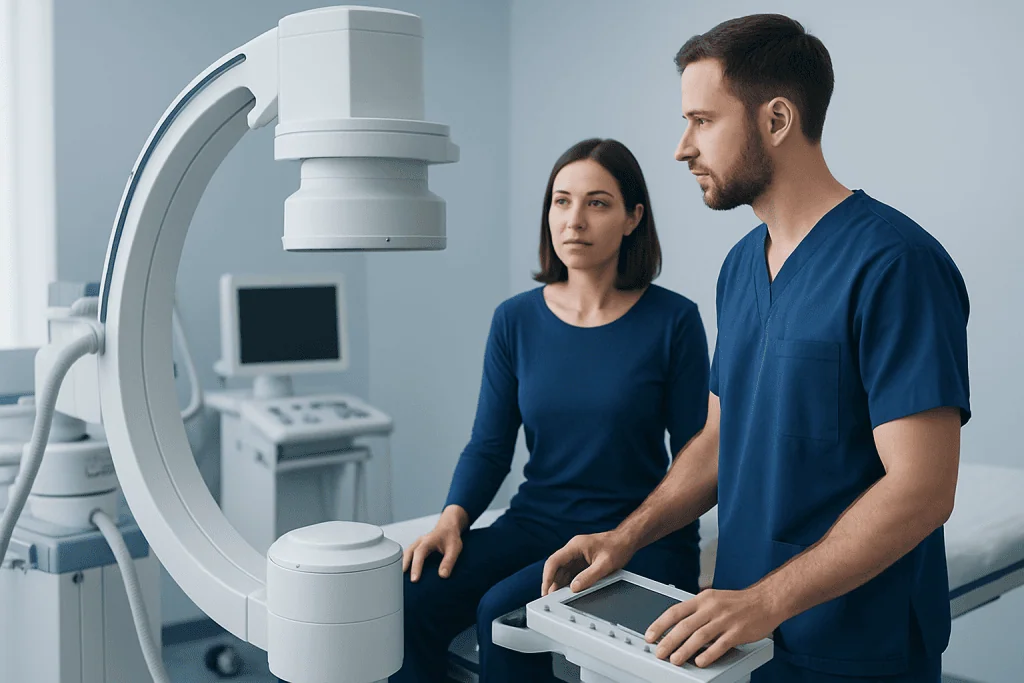
A person may notice a click, pop, flick, or snapping feeling during walking, rising from a chair, climbing stairs, rotating the hip, or sporting movements. The sound itself is not always concerning. However, treatment is more likely to be useful when snapping is painful, happens repeatedly, interferes with sleep or activity, or is accompanied by tenderness, swelling, reduced range of motion, giving way, or a feeling that the hip catches.
Contributors can include repetitive hip movements, a sudden increase in training, muscle imbalance, reduced flexibility, hip weakness, altered movement patterns, and previous injury. Dancers, runners, cyclists, and people who regularly perform deep hip flexion may be more likely to develop symptoms, but snapping can affect anyone. Hip anatomy and conditions affecting the joint can also play a role.
People who are candidates for treatment usually have persistent pain or functional limitation rather than painless clicking alone. Before planning treatment, clinicians consider the location of pain, the type of movement that triggers it, activity requirements, prior treatment, and whether another condition could be responsible. This helps avoid treating a sound rather than the underlying cause.
Assessment and What Can Be Mistaken for Snapping Hip Syndrome?
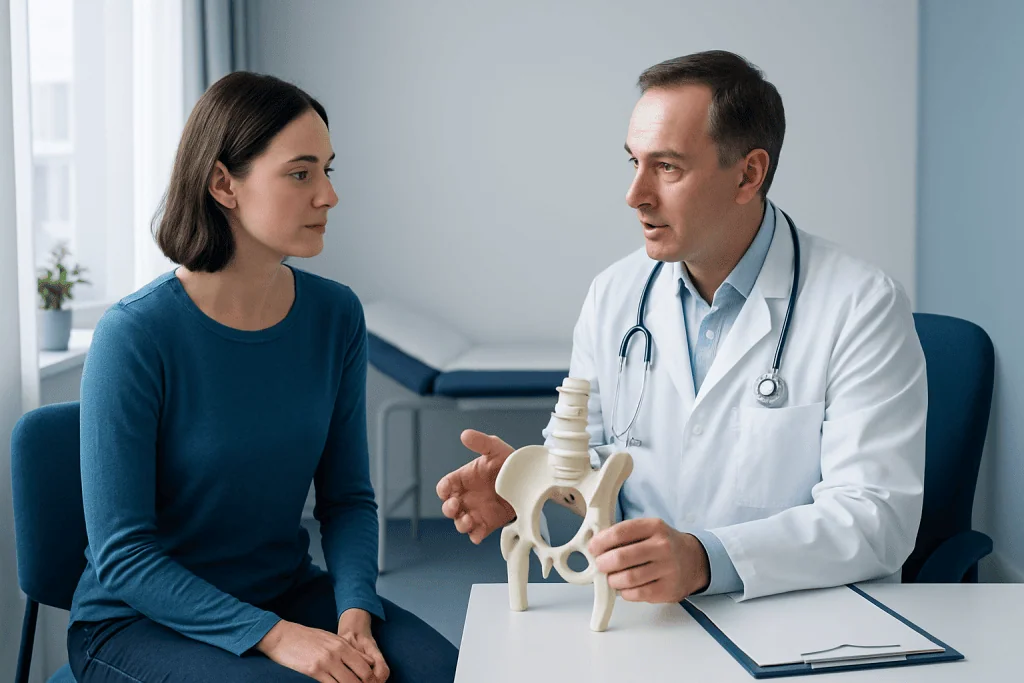
Diagnosis often begins with a discussion of symptoms and a physical examination. A clinician may ask the person to reproduce the movement that causes the snap, assess strength and flexibility, and examine the lower back, pelvis, and hip joint. Dynamic ultrasound can sometimes show a tendon moving during the snapping motion. X-rays, magnetic resonance imaging, or other imaging may be used if symptoms suggest a joint or bone-related problem.
Several conditions can be mistaken for snapping hip syndrome. These include hip labral tears, femoroacetabular impingement, <a href="https://acibademinternational.com/diseases/hip-osteoarthritis/”>hip osteoarthritis, hip flexor or gluteal tendon tendinopathy, bursitis, stress injury, hernia-related groin pain, and pain referred from the lower back or sacroiliac joint. A labral injury or other problem within the joint may cause painful clicking, catching, locking, or a sense of instability rather than a clearly visible tendon snap.
Identifying the correct source matters because treatment for a tendon-related snapping hip differs from care for joint conditions. For example, a clinician may investigate hip osteoarthritis when pain, stiffness, and reduced mobility suggest changes inside the joint. Urgent assessment is appropriate after significant trauma or when there is inability to bear weight, fever, a hot swollen joint, or rapidly worsening pain.
Non-Surgical Treatment for Snapping Hip Syndrome
First-line treatment snapping hip syndrome usually includes temporarily reducing or modifying the movements that provoke pain. This does not always mean complete rest. A clinician or physiotherapist can help the person maintain general fitness with comfortable alternatives while avoiding repetitive motions, depth, speed, or training load that irritate the hip.
Physiotherapy is central to treatment for snapping hip syndrome pain. The program may address hip and trunk strength, pelvic control, movement technique, gradual loading, and flexibility where this is genuinely limited. Treatment for snapping hip syndrome stretches should be individualised: aggressive stretching can worsen symptoms in some people, particularly when a tendon is already irritated. Controlled exercises and progressive strengthening are usually more helpful than repeatedly forcing a painful stretch.
Other measures may include brief use of cold or heat for comfort, depending on what feels beneficial, and clinician-guided pain relief options when appropriate. If pain remains focused in a specific tendon or bursa despite rehabilitation, an image-guided injection may sometimes be used for diagnostic clarification or short-term symptom control. It is normally combined with, rather than substituted for, a rehabilitation plan.
- Reduce activities that consistently trigger painful snapping, then reintroduce them gradually.
- Build hip, gluteal, core, and lower-limb strength with professional guidance.
- Review footwear, training progression, and movement mechanics where relevant.
- Avoid exercising through sharp pain, locking, or a worsening limp.
When Is a Procedure Considered, and How Does It Work?
Surgery is not routinely needed for snapping hip. It may be discussed when pain and disability remain significant after a sufficiently structured course of non-surgical care, the diagnosis is clear, and symptoms are linked to a correctable tendon or joint problem. The decision is individual and should take account of imaging findings, activity needs, rehabilitation commitment, and potential risks.
For selected external snapping cases, a surgeon may lengthen or release a tight portion of the iliotibial band or address inflamed tissue around the greater trochanter. For internal snapping involving the iliopsoas tendon, a controlled tendon lengthening or release may be considered in carefully selected situations. If assessment finds a labral or impingement-related cause, the procedure may instead address the structures within the hip joint through hip arthroscopy.
Many procedures are minimally invasive and performed through small incisions using a camera and specialised instruments. In a typical process, the person has pre-operative assessment and anaesthesia planning, the surgeon confirms and treats the source of symptoms, and recovery begins with protected movement and physiotherapy. Hip arthroscopy may be relevant when symptoms arise from a confirmed problem inside the joint rather than tendon snapping alone.
Expected benefits include less painful snapping, improved movement, and a more comfortable return to daily activities or sport. Results vary, and a procedure may not remove every sensation of clicking. Tendon release can also have specific trade-offs, including weakness or altered hip control, which should be discussed carefully with the surgical team.
How Long Does It Take to Heal a Snapping Hip?
Healing time depends on the cause and on how long symptoms have been present. With activity adjustments and a consistent physiotherapy program, some people notice improvement over several weeks, while full recovery may take a few months. Progress is often gradual because tendon and muscle capacity need time to rebuild and movements need to be reintroduced safely.
After an injection, short-term relief may occur sooner, but rehabilitation still remains important to address contributing factors. Following surgery, recovery is typically longer and varies by the procedure performed, tissues treated, and the person’s baseline strength. Early rehabilitation may focus on swelling control, comfortable walking, and restoring movement before progressing to strength, balance, and sport-specific tasks.
A clinician or physiotherapist can give more precise guidance after assessing the hip. Returning too quickly to high-impact exercise or repeated deep hip movements can prolong symptoms. A gradual, criteria-based return—based on pain, strength, control, and function—is generally safer than using a fixed calendar date alone.
How Serious Is Snapping Hip Syndrome? Can You Heal It?
Snapping hip syndrome is often not serious, particularly when the snapping is painless and there is no loss of function. Even when it is uncomfortable, many cases respond well to conservative care. The important distinction is whether the hip is painful, locking, unstable, weak, or becoming less able to tolerate normal activity, as these features deserve medical evaluation.
Many people can heal or achieve lasting symptom control with treatment for snapping hip that is matched to the underlying cause. A person may still occasionally notice a harmless click even after pain has settled. The practical goal is not necessarily to eliminate every sound, but to restore comfortable movement, confidence, strength, and the ability to take part in desired activities.
Longstanding pain can take time to improve, especially if there is a coexisting joint condition, tendon injury, or repeated overload. Following the rehabilitation plan, adapting activities during recovery, and reporting any worsening symptoms can support a better outcome. Treatment should be reviewed if meaningful improvement is not occurring.
When to Seek Medical Care
Medical assessment is advisable for painful snapping that persists, frequently returns, limits walking or sport, causes a limp, or is associated with catching or locking. It is also sensible to seek advice before continuing demanding activity when hip pain is increasing. A qualified clinician can distinguish tendon snapping from conditions inside the hip joint and advise on safe treatment options.
More urgent medical care is needed after a major fall or injury, when the person cannot bear weight, or if there is severe pain, marked swelling, fever, redness, or warmth around the hip. These symptoms are not typical of uncomplicated snapping hip and should not be managed with home exercises alone.
Acibadem International’s multidisciplinary specialists and JCI-accredited hospitals assess and treat hip conditions for international patients, including rehabilitation and selected orthopaedic procedures when indicated. A consultation can help clarify whether symptoms are likely tendon-related, joint-related, or referred from another area.
Frequently asked questions
What is the best treatment for snapping hip?
The best treatment depends on whether the snapping comes from a tendon outside or in front of the hip, or from a problem within the joint. For most painful cases, activity modification and a targeted physiotherapy program are the first steps. Persistent symptoms may require imaging, an injection, or occasionally surgery.
Can stretching make snapping hip worse?
It can. Gentle, clinician-recommended mobility work may help some people, but forceful or repeated stretching can aggravate an irritated tendon. A physiotherapist can identify whether flexibility, strength, movement control, or training load is the main issue.
How long does it take to heal a snapping hip?
Some people improve within weeks after changing aggravating activities and starting rehabilitation, while others need several months for symptoms and function to settle. Recovery is influenced by the underlying cause, activity level, and consistency with treatment. Surgical recovery usually takes longer and is guided by the treating team.
How serious is snapping hip syndrome?
It is commonly not serious when it is painless and does not limit movement. Painful snapping, locking, weakness, or difficulty walking may indicate inflammation, tendon problems, or an issue within the hip joint. These symptoms should be assessed by a qualified healthcare professional.
Can you heal snapping hip syndrome?
Many people recover fully or obtain lasting relief with appropriate non-surgical care. The aim is to reduce pain, improve hip strength and control, and safely return to normal activity. A painless click may occasionally remain, even when the hip is functioning well.
What can be mistaken for snapping hip syndrome?
Hip labral tears, femoroacetabular impingement, bursitis, tendon disorders, osteoarthritis, stress injuries, and lower-back referred pain can cause similar symptoms. A clinical examination and, when needed, imaging help identify the cause. Accurate diagnosis is important because treatment differs between these conditions.
References
- American Academy of Orthopaedic Surgeons
- American Orthopaedic Society for Sports Medicine
- National Institute of Arthritis and Musculoskeletal and Skin Diseases
- Mayo Clinic
This article is for general information only and is not a substitute for professional medical advice. Please consult a qualified doctor about your individual situation.
Joint and spine care in Turkey — expert assessment & treatment
JCI-accredited · board-certified surgeons · reply within 24h