

Foods to Avoid During Radiation Therapy: How It Works, Results and What to Expect

There is no single forbidden diet during radiation therapy; food choices should reflect the body area treated and individual symptoms. Alcohol, raw or undercooked foods, highly processed foods, and irritating foods may need to be limited in some situations.
Key Takeaways
- There is no single forbidden diet during radiation therapy; food choices should reflect the body area treated and individual symptoms.
- Alcohol, raw or undercooked foods, highly processed foods, and irritating foods may need to be limited in some situations.
- Protein, calories, fluids, and food safety are often more important than following restrictive dietary rules.
- Side effects can build gradually during treatment and may continue for several weeks after the last session.
- New swallowing difficulty, dehydration, fever, uncontrolled vomiting, or severe diarrhea should be discussed promptly with the cancer care team.
Foods to avoid during radiation therapy are usually those that worsen treatment-related symptoms, increase infection risk, or make it harder to maintain nutrition and hydration. The best dietary plan is individualized because radiation affects different parts of the body and can cause different side effects depending on the treatment area.
Overview: Foods to Avoid During Radiation Therapy
Foods to avoid during radiation therapy are mainly foods that worsen side effects, raise the risk of foodborne illness, or prevent a person from getting enough calories, protein, and fluids. There is no universal list because nutrition needs vary with the cancer type, the body area receiving radiation, other treatments such as chemotherapy, and a person’s symptoms.
Radiation therapy uses carefully planned high-energy radiation to damage cancer cells so they can no longer grow and divide. Nearby healthy cells can also be affected temporarily, which is why symptoms such as tiredness, skin changes, mouth soreness, nausea, diarrhea, or swallowing discomfort may occur. A registered dietitian and oncology team can adapt food choices throughout treatment rather than recommending an unnecessarily restrictive diet.
The main goal is to help the person maintain strength, hydration, and weight where possible. Any supplements, herbal products, fasting plans, or major dietary changes should be discussed with the radiation oncologist or oncology dietitian before they are started.
How Radiation Therapy Works and Who May Need It
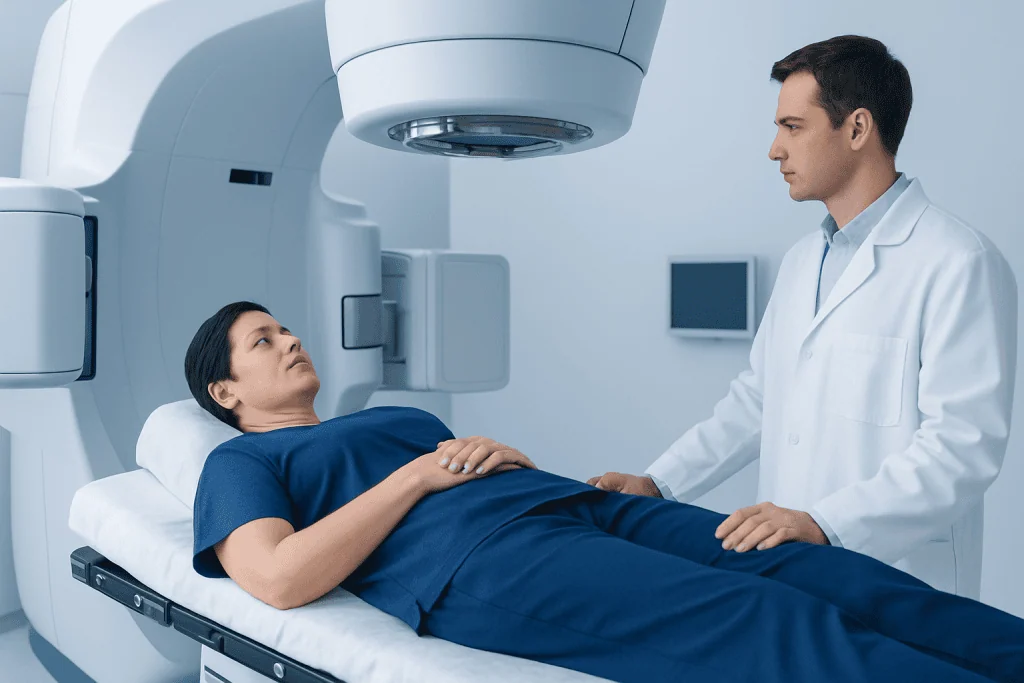
Radiation therapy is a local cancer treatment, meaning it targets a specific area of the body. It may be used to cure cancer, lower the chance of cancer returning after surgery, shrink a tumor before another treatment, or ease symptoms caused by advanced cancer. External beam radiation is delivered by a machine outside the body, while internal radiation treatments place a radioactive source close to or inside a tumor in selected situations.
Whether radiation therapy is suitable depends on the cancer diagnosis, stage, tumor location, previous treatments, general health, and personal goals. It may be given alone or combined with surgery, systemic treatments, or both. People receiving radiation to the head and neck, chest, abdomen, pelvis, or brain may experience different nutrition-related concerns because each treatment field affects different normal tissues.
Before treatment, the care team reviews medical history, medications, nutrition status, dental health when relevant, and imaging results. This planning helps deliver radiation precisely while limiting exposure to healthy tissue. Nutrition guidance is therefore part of supportive care and should be tailored to the individual treatment plan.
What Not to Do While Getting Radiation?

While receiving radiation therapy, people should avoid making major diet changes without professional guidance. Strict detox diets, fasting, very low-calorie plans, and unproven “anti-cancer” regimens can make it harder to meet nutritional needs at a time when the body needs energy and protein for healing. High-dose vitamin, antioxidant, or herbal supplements should also be reviewed by the oncology team because some may interact with treatment or other medicines.
Alcohol is often best avoided, especially during radiation to the mouth, throat, esophagus, stomach, liver, or pelvis, because it can irritate tissues, worsen dehydration, and aggravate symptoms. Smoking and tobacco use should be avoided, as they can impair healing and may increase treatment-related complications. A clinician can offer support for stopping tobacco use.
Food safety matters, particularly for people with weakened immune function from chemotherapy or other treatments. Avoid raw or undercooked eggs, meat, poultry, seafood, and unpasteurized milk or juices. Wash produce carefully, keep hot foods hot and cold foods cold, and discard food that has been left at room temperature for too long.
- Avoid self-prescribed supplements or herbal products unless the cancer team approves them.
- Limit foods that clearly trigger pain, nausea, reflux, diarrhea, or constipation.
- Do not stop prescribed medicines because of appetite or taste changes without medical advice.
- Avoid exposure to people with contagious illnesses whenever possible, particularly if blood counts are low.
Which Foods May Be Difficult During Radiation Therapy?
The foods most appropriate to limit depend on symptoms. During head and neck radiation, acidic foods such as citrus and tomato products, spicy dishes, salty snacks, rough-textured foods, and very hot foods may sting a sore mouth or throat. Dry foods, including crackers, toast, and tough meats, can also be difficult if saliva production is reduced or swallowing is uncomfortable.
For radiation involving the abdomen or pelvis, greasy foods, fried foods, high-fat meals, caffeine, alcohol, very spicy foods, and large amounts of insoluble fiber may worsen nausea, cramping, gas, or diarrhea for some people. If diarrhea develops, the care team may temporarily recommend lower-fiber options and adequate fluids. However, dietary restrictions should be relaxed when symptoms improve to support overall nutrition.
Radiation to the chest can cause irritation of the esophagus. In that situation, acidic beverages, carbonated drinks, alcohol, spicy foods, and hard or sharp foods may be uncomfortable. Soft, moist foods may be easier to tolerate. People treated in other areas may have few or no diet-related side effects and may continue a varied, balanced diet.
Highly processed foods and foods with little nutritional value do not need to be treated as completely forbidden, but relying on them can displace protein-rich and nutrient-dense choices. If they are the only foods a person can tolerate temporarily, the priority is still to eat enough and seek advice from an oncology dietitian.
What Are the Best Foods to Eat While Undergoing Radiation Therapy?
The best foods to eat while undergoing radiation therapy are foods that are safe, appealing, easy to tolerate, and rich in protein and energy. Suitable options may include eggs that are thoroughly cooked, yogurt or other pasteurized dairy foods, fish or poultry cooked to a safe temperature, beans, lentils, tofu, nut butters, soups, and fortified drinks. Smaller meals and snacks every few hours can be easier than three large meals when appetite is low.
Hydration is equally important. Water, broths, milk, oral rehydration drinks when advised, and non-acidic beverages can help replace fluid losses. For mouth or throat discomfort, cool foods such as smoothies made with pasteurized ingredients, yogurt, pudding, oatmeal, mashed vegetables, and soft scrambled eggs may be more comfortable. A straw may help some people, although it may not suit everyone with mouth tenderness.
A person with constipation may benefit from fluids, gentle activity when appropriate, and fiber-containing foods if these are tolerated. A person with diarrhea may need more fluids and electrolytes, and may temporarily do better with lower-fiber foods. The oncology team should guide these adjustments, especially when symptoms are persistent or severe.
Nutrition support may include dietitian counseling, oral nutrition supplements, swallowing assessment, or symptom-control medicines. These measures are intended to help a person remain as well nourished and comfortable as possible during cancer care.
What to Expect: Treatment Steps, Benefits, Risks and Recovery
External beam radiation therapy usually begins with a planning appointment called simulation. The person may have imaging scans, positioning supports, and small skin markings or tattoos to help reproduce the same treatment position each day. A radiation oncologist, medical physicist, dosimetrist, radiation therapists, and nursing team work together to create and deliver an individualized plan.
At each treatment session, the person is positioned carefully while the machine delivers radiation from outside the body. The radiation itself is painless, and the appointment commonly includes more setup time than radiation delivery time. Most external treatments are given on weekdays over a schedule determined by the cancer type and treatment goal.
The benefits of radiation therapy include effective local tumor control, possible cure in appropriate settings, and relief of symptoms such as pain or bleeding in some situations. Risks vary by treatment location and dose. Short-term effects may include fatigue, skin irritation, and symptoms affecting nearby organs; longer-term effects are less common but can occur and are discussed during consent and planning.
Recovery is gradual. Some side effects develop during the second or third week of a course and may peak shortly after treatment ends before improving over the following weeks. Follow-up appointments allow the team to assess recovery, manage ongoing symptoms, and monitor the response to treatment. Radiation therapy care may also include supportive services such as nutrition, rehabilitation, and psychosocial support.
What Are the Hardest Days After Radiation Treatment?
There is no single hardest day after radiation treatment. For many people, side effects are most noticeable near the end of a multi-week course or during the first one to two weeks after the final session, because the effects on normal cells can continue briefly after radiation stops. The timing and intensity depend strongly on the treatment area, total dose, other therapies, and individual health.
Fatigue may be cumulative and can persist for several weeks. Skin in the treated area may become red, dry, tender, or itchy, while mouth, throat, bowel, bladder, or digestive symptoms can take time to settle. The care team can provide symptom-specific advice, including skin care recommendations, pain management, anti-nausea treatment, bowel support, and diet modifications.
It can help to plan for extra rest, accept practical help, eat small frequent meals, and maintain fluids. Keeping a brief record of symptoms, bowel habits, food intake, and weight changes can help the care team identify concerns early. Recovery should not be rushed; gradual improvement is common, but persistent or worsening symptoms deserve review.
What I Wish I Knew Before Radiation? When to Seek Medical Care
Many people find it helpful to know before radiation that treatment is carefully planned, does not make a person radioactive after standard external beam therapy, and is usually delivered as an outpatient treatment. It is also useful to expect that side effects may be delayed rather than appearing immediately. Asking in advance about likely symptoms, skin care, dental review, work and travel plans, fertility preservation where relevant, and nutrition support can make treatment feel more manageable.
Contact the cancer care team promptly for fever, chills, inability to keep fluids down, signs of dehydration such as dizziness or very little urine, severe or persistent vomiting, severe diarrhea, uncontrolled pain, new confusion, bleeding, rapidly worsening skin reactions, or difficulty breathing. New trouble swallowing, choking, coughing while eating, or unintentional weight loss should also be reported, as these may require nutrition or swallowing support.
Routine questions and manageable symptoms should still be shared at treatment visits. Acibadem International’s multidisciplinary specialists and JCI-accredited hospitals provide diagnosis and treatment support for international patients, with care plans coordinated across oncology and supportive-care services.
Frequently asked questions
Do I need to follow a special diet during radiation therapy?
Not everyone needs a special diet during radiation therapy. The most helpful approach is usually a varied, safe diet that provides enough calories, protein, and fluids, adjusted for the treatment area and any symptoms. An oncology dietitian can give individualized guidance.
Can I eat fruit and vegetables during radiation therapy?
Yes, most people can eat fruit and vegetables during radiation therapy. They should be washed carefully, and cooked or peeled options may be easier to tolerate if the mouth, throat, or digestive tract is irritated. People with diarrhea may need temporary changes in the type or amount of fiber they eat.
Should sugar be avoided during radiation therapy?
Sugar does not directly feed a tumor in a way that requires complete elimination from the diet. However, foods and drinks high in added sugar may offer little nutritional value and can worsen some symptoms for certain people. The priority is maintaining adequate nutrition, particularly when appetite is limited.
Can I drink coffee while having radiation therapy?
Coffee may be tolerated by some people, but caffeine can worsen reflux, nausea, diarrhea, anxiety, dehydration, or bladder irritation in others. It may be sensible to reduce or avoid it if it triggers symptoms. The care team can advise based on the treatment area and medical history.
Can I take vitamins or antioxidants during radiation therapy?
Vitamins and supplements should not be started, stopped, or taken at high doses without discussing them with the oncology team. Some supplements may affect treatment or interact with medicines. A clinician or oncology dietitian can assess whether a supplement is necessary and safe.
How long do dietary side effects last after radiation therapy?
Dietary side effects often begin improving within a few weeks after treatment ends, but the timeline varies by the area treated and the person’s overall health. Mouth dryness, altered taste, swallowing issues, or bowel changes can sometimes last longer. Ongoing symptoms should be reviewed by the radiation oncology team.
References
- National Cancer Institute
- American Cancer Society
- American Society for Radiation Oncology
- Academy of Nutrition and Dietetics
- World Health Organization
This article is for general information only and is not a substitute for professional medical advice. Please consult a qualified doctor about your individual situation.
Radiation Therapy in Turkey — costs, top hospitals & a free quote
JCI-accredited · board-certified surgeons · reply within 24h
Check your numbers in seconds
BMI, calories, due date, blood pressure and 30+ more clinical calculators — free, instant, doctor-reviewed ranges.

Radiation Oncology
Precision radiotherapy and radiosurgery using advanced linear accelerators and image-guided techniques.
26 specialists in this unitMore from the Health Library



Related Specialists

Prof. Dr. Gökhan Bozkurt
Neurosurgery
Dr. Necip Güngör Atikeler
Radiology
Prof. Dr. Erkan Vardareli
Nuclear Medicine
Assoc. Prof. Dr. Elif Meşeci
Gynecology & Obstetrics