TLIF Spine Surgery: Procedure, Recovery and Results
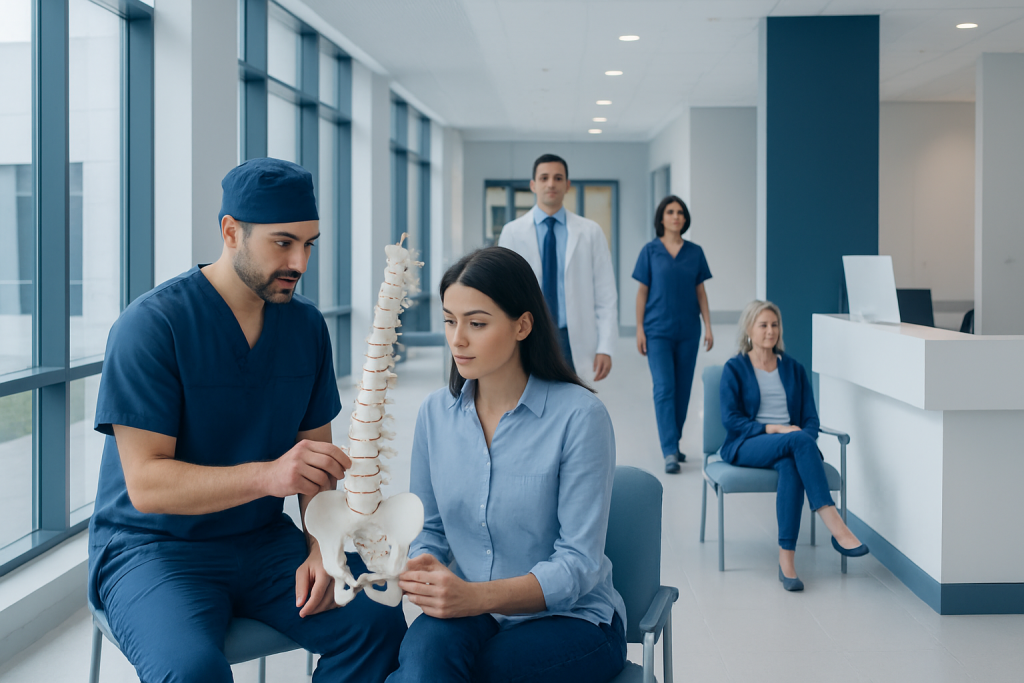
TLIF combines nerve decompression with lumbar spinal fusion, usually through an approach from one side of the back. It is most often used for conditions such as spondylolisthesis, spinal stenosis or recurrent disc problems causing nerve compression.
Key Takeaways
- TLIF combines nerve decompression with lumbar spinal fusion, usually through an approach from one side of the back.
- It is most often used for conditions such as spondylolisthesis, spinal stenosis or recurrent disc problems causing nerve compression.
- Walking and gradual rehabilitation begin soon after surgery, while bone fusion develops over several months.
- Pain and functional improvement are common, but outcomes depend on the underlying diagnosis, overall health and adherence to recovery advice.
- Risks include infection, blood clots, nerve injury, failure of the bones to fuse and ongoing or recurrent symptoms.
TLIF spine surgery, or transforaminal lumbar interbody fusion, is a lower-back operation that removes pressure from spinal nerves and joins unstable vertebrae together. It may be considered for selected people with persistent leg pain, weakness or spinal instability when non-surgical treatment has not provided sufficient relief.
TLIF Spine Surgery Overview
TLIF spine surgery is a type of lumbar spinal fusion used to treat selected causes of lower-back instability and nerve compression. TLIF stands for transforaminal lumbar interbody fusion. During the procedure, the surgeon reaches the spine through one side of the lower back, removes damaged disc material, relieves pressure on affected nerves and places bone-grafting material between two vertebrae so they can grow together.
The operation aims to improve stability while addressing symptoms such as sciatica, leg numbness, weakness or pain that limits walking and daily activities. It is not usually the first treatment for back pain alone. Many people first benefit from activity modification, physiotherapy, medicines, targeted injections or other non-surgical care.
TLIF may be performed as an open operation or with minimally invasive techniques, depending on the spinal levels involved, anatomy and the reason for surgery. It is one form of spine surgery; the most suitable approach should be decided after a detailed review by a spine specialist.
How TLIF Works and Who May Be a Candidate
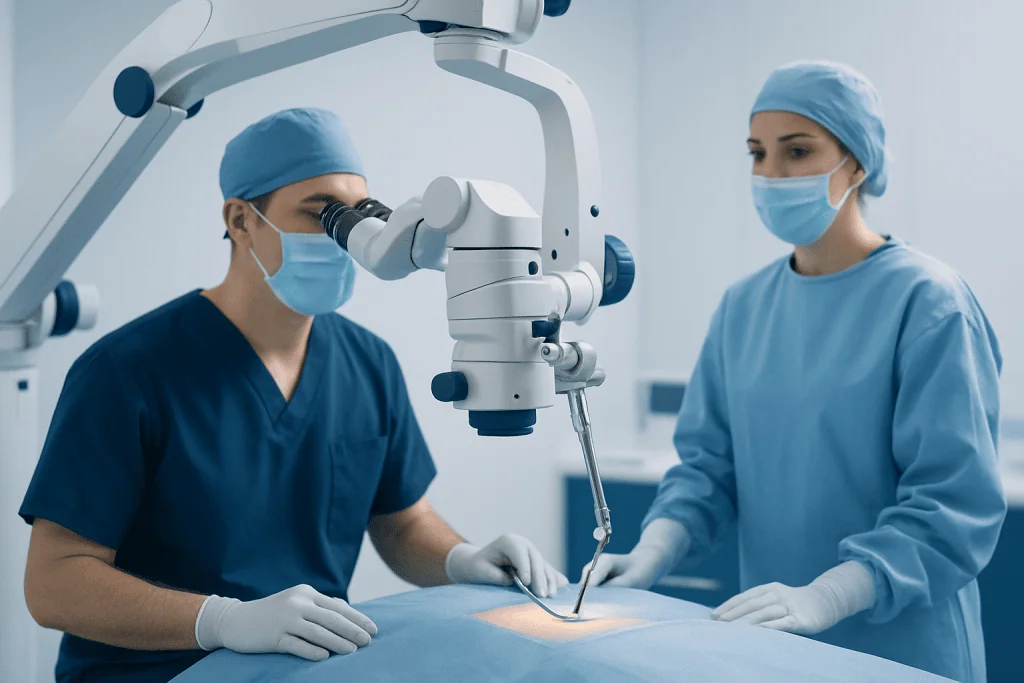
The lower spine is made of vertebrae separated by discs that act as cushions. Degeneration, a disc problem or abnormal movement between vertebrae can narrow the spaces used by spinal nerves. This may cause pain travelling from the buttock into the leg, tingling, numbness or reduced strength.
TLIF can be considered when scans and symptoms point to a specific spinal level and conservative treatment has not adequately controlled disabling symptoms. Common reasons include degenerative spondylolisthesis, some forms of lumbar spinal stenosis, recurrent disc herniation with instability, deformity or painful disc degeneration in carefully selected patients. Related problems may include lumbar spinal stenosis.
Candidacy is individual. The care team considers symptom pattern, neurological examination findings, X-rays and MRI or CT images, bone health, smoking status, diabetes, weight, previous spinal procedures and personal goals. Surgery may be less helpful when pain is widespread, the pain source is uncertain or a non-spinal condition is the main cause of symptoms.
- Persistent nerve-related leg pain or weakness linked to a defined lumbar level
- Spinal instability or vertebral slippage that is causing symptoms
- Symptoms that remain substantial despite appropriate non-surgical treatment
- Imaging findings that match the person’s symptoms and examination
TLIF Surgery Step by Step

Before surgery, patients commonly have a medical assessment, blood tests and imaging review. The surgical team discusses medicines that may need adjustment, including blood-thinning drugs, and gives instructions about fasting, smoking cessation and planning support at home. General anaesthesia is used, so the patient is asleep during the operation.
The surgeon makes an incision in the lower back and carefully accesses the affected level from one side. Part of the bone and, when necessary, tissue pressing on the nerve are removed to create more space. The damaged disc is then removed from between the vertebrae. A spacer, often called an interbody cage, containing bone graft material is placed in the disc space to help restore height and support fusion.
Screws and rods are commonly placed to hold the vertebrae steady while fusion develops. The incision is then closed. The exact steps, length of surgery and hospital stay vary with the number of spinal levels treated, surgical technique, previous surgery and the person’s health. The surgeon can explain which details apply in an individual case.
Recovery Timeline and Rehabilitation After TLIF
Recovery begins with pain control, safe movement and prevention of complications. Many patients are encouraged to stand and walk with assistance within the first day after surgery, unless there is a specific reason not to do so. The hospital stay varies, but the team monitors mobility, wound healing, bladder and bowel function, pain control and neurological symptoms before discharge.
During the first few weeks at home, short and frequent walks are often more manageable than prolonged activity. Bending, twisting, heavy lifting and high-impact exercise may need to be avoided temporarily. Instructions differ between surgeons, so patients should follow their individual restrictions and attend scheduled wound and follow-up visits.
Over the following weeks and months, rehabilitation focuses on improving walking tolerance, posture, core strength and safe movement patterns. Some people begin formal physiotherapy early, while others start after the initial healing stage. Fusion itself is gradual: bone healing may continue for several months and sometimes longer. Nicotine exposure can interfere with bone healing, making smoking cessation an important part of recovery.
For people who need structured support to regain movement and confidence, physical therapy and rehabilitation may be incorporated into the recovery plan. Follow-up imaging may be used when clinically appropriate to assess alignment, implants and progress toward fusion.
Benefits, Risks and Expected Results
A potential benefit of TLIF is that it addresses two related problems in one operation: compression of a spinal nerve and instability at the same spinal level. When the diagnosis is well matched to the procedure, surgery may reduce leg pain, improve walking and support a return to daily activities. Back pain may also improve, although it can have several possible causes and is generally less predictable than nerve-related leg pain.
Like all major surgery, TLIF has risks. These include bleeding, infection, blood clots, reactions to anaesthesia, leakage of spinal fluid, nerve irritation or injury, persistent pain, adjacent-level degeneration, implant problems and failure of the vertebrae to fuse fully. A second operation is sometimes needed, although this is not the usual outcome.
Results cannot be reduced to one universal percentage because studies involve different diagnoses, surgical methods, definitions of success and follow-up periods. In general, many appropriately selected patients experience meaningful improvement in leg symptoms and function. Individual expectations should be discussed openly with the surgeon, including which symptoms are most likely to improve and which may remain.
Acibadem International’s multidisciplinary spine specialists at JCI-accredited hospitals assess and treat spinal conditions for international patients, coordinating surgical care, anaesthesia, imaging and rehabilitation where needed.
When to Seek Medical Care
People with back and leg symptoms should arrange a medical assessment when pain persists, interferes with sleep, walking or work, or is accompanied by tingling, numbness or weakness. A clinician can check for nerve involvement and identify whether non-surgical treatment, further imaging or referral to a spine specialist is appropriate.
Urgent medical assessment is important for new or rapidly worsening leg weakness, loss of bladder or bowel control, numbness around the genitals or inner thighs, fever with severe back pain, or severe pain after a significant injury. These symptoms can have causes that require prompt evaluation.
After TLIF, patients should contact their surgical team promptly for worsening weakness, new loss of bowel or bladder control, increasing wound redness or drainage, fever, calf swelling, chest pain, shortness of breath or pain that is suddenly much worse than expected. Early communication allows the team to assess symptoms safely.
Living Well After Fusion
Life after TLIF is usually a gradual return to activity rather than an immediate return to all previous routines. In the early phase, pacing is important: activities can be increased in small steps while avoiding movements that exceed the surgeon’s restrictions. Regular walking, balanced nutrition, adequate sleep and prescribed rehabilitation all support recovery.
Long-term spinal health also benefits from maintaining a healthy body weight where appropriate, using safe lifting techniques, staying physically active and avoiding nicotine. These measures cannot guarantee a particular surgical result, but they can support healing and reduce strain on the back.
Patients should keep follow-up appointments even if they feel well. These visits allow the care team to review symptoms, assess recovery and advise on returning to work, driving, exercise and recreational activities. Timelines are personal and depend on the type of work, the number of levels fused and the pace of healing.
Frequently asked questions
How painful is a TLIF surgery?
TLIF is a major operation, so pain and stiffness are expected in the first days after surgery. Pain is managed with a personalized plan that may include medicines, positioning, ice or other non-drug measures, and early supervised movement. Pain generally becomes more manageable as tissues heal, but recovery experiences vary.
What are the worst days after back surgery?
For many people, the first several days after surgery are the most uncomfortable because the surgical area is sore and mobility is limited. Getting in and out of bed, walking and managing constipation can be challenging during this period. Symptoms should gradually improve; pain that is rapidly worsening or accompanied by neurological changes should be reported to the surgical team.
What is life like after TLIF surgery?
Many people gradually return to walking, household tasks, work and selected exercise after recovery, although the pace differs from person to person. A fused spinal segment no longer moves in the same way, but most daily activities remain possible once healing is established. Ongoing exercise, safe body mechanics and follow-up care can help protect overall spinal health.
What is the success rate of TLIF?
There is no single success rate that applies to every TLIF procedure because outcomes depend on the diagnosis, surgical level, technique, definition of success and length of follow-up. Studies generally show that appropriately selected patients often improve in leg pain and function, while relief of back pain may be more variable. A surgeon can explain expected outcomes based on the individual condition and imaging findings.
How long does it take to recover from TLIF surgery?
Initial recovery often takes several weeks, with gradual improvements in mobility and daily function over the following months. Bone fusion takes longer and may continue developing for several months or more. The return to work, driving and exercise depends on healing, symptoms, job demands and the surgeon’s guidance.
Can TLIF surgery fail to fuse?
Yes. Failure of the bones to join fully is called nonunion or pseudarthrosis, and it can contribute to ongoing pain or implant stress in some cases. Smoking or nicotine use, poor bone health, certain medical conditions and other factors can increase risk. The surgical team may use follow-up visits and imaging to evaluate healing when needed.
References
- American Academy of Orthopaedic Surgeons
- American Association of Neurological Surgeons
- North American Spine Society
- National Institute of Arthritis and Musculoskeletal and Skin Diseases
This article is for general information only and is not a substitute for professional medical advice. Please consult a qualified doctor about your individual situation.
Spine Surgery in Turkey — costs, top hospitals & a free quote
JCI-accredited · board-certified surgeons · reply within 24h

More from the Health Library



Related Specialists

Prof. Dr. Erkan Özcan
Psychiatry
Prof. Dr. Fevzi Toraman
Anesthesiology
Dr. Mehmet Severcan
Aesthetic Plastic & Reconstructive Surgery
Prof. Dr. Ayten Ferahbaş Kesikoğlu
Dermatology