Extensive Stage Small Cell Lung Cancer Treatment: How It Works, Results and What to Expect

Extensive-stage small cell lung cancer has spread too widely for treatment with surgery or chest radiation alone. Chemotherapy plus immunotherapy is often the first treatment approach for people who are well enough to receive it.
Key Takeaways
- Extensive-stage small cell lung cancer has spread too widely for treatment with surgery or chest radiation alone.
- Chemotherapy plus immunotherapy is often the first treatment approach for people who are well enough to receive it.
- Treatment plans are individualized according to symptoms, cancer spread, general health, previous treatment and personal goals.
- Radiotherapy may be used to treat or prevent troublesome symptoms in the brain, bones, chest or other affected areas.
- Small cell lung cancer can respond quickly to treatment, but recurrence is common and follow-up care remains important.
Extensive stage small cell lung cancer treatment commonly starts with systemic therapy, usually chemotherapy combined with immunotherapy, because the cancer has spread beyond one side of the chest. Treatment aims to slow or shrink cancer, ease symptoms, help maintain daily function and, for some people, prolong survival.
Overview: how extensive stage small cell lung cancer treatment works
Extensive stage small cell lung cancer treatment is designed to treat cancer cells throughout the body. At this stage, small cell lung cancer has spread beyond the lung and nearby lymph nodes on one side of the chest, or it has reached distant organs such as the liver, bones, brain or adrenal glands. Because it is a systemic illness, medicines that travel through the bloodstream are usually the foundation of care.
First-line treatment commonly combines platinum-based chemotherapy with an immunotherapy medicine when this is appropriate for the person. Chemotherapy damages rapidly dividing cancer cells, while immunotherapy helps the immune system recognize and respond to cancer. The goals are to reduce the cancer burden, improve or prevent symptoms, preserve quality of life and extend survival where possible.
Care is ideally planned by a multidisciplinary team that may include a medical oncologist, radiation oncologist, pulmonologist, radiologist, pathologist, palliative care clinician, specialist nurse and dietitian. The plan can change over time in response to scan results, side effects and the person’s preferences.
Who may be a candidate and how treatment is planned
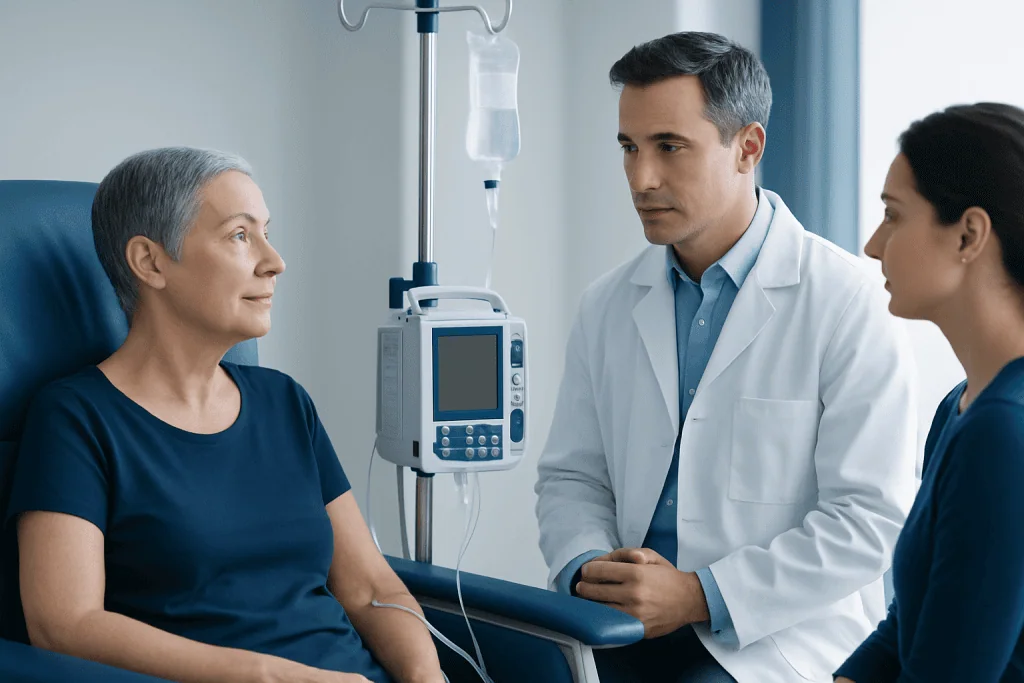
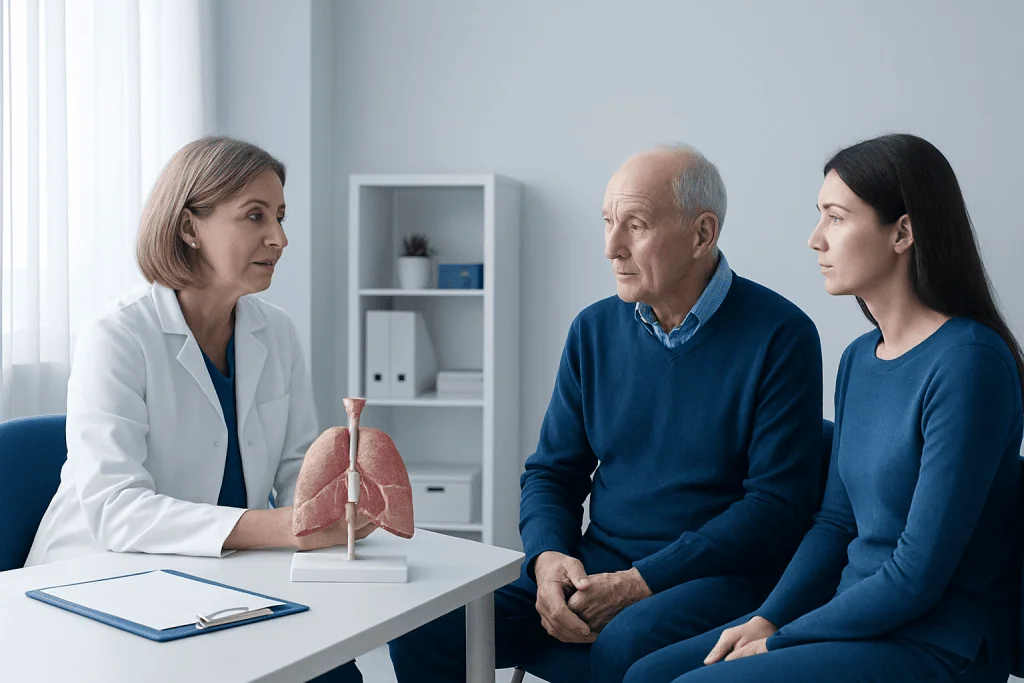
Most people with extensive-stage disease are considered for systemic treatment if their overall health, organ function and daily activity level allow it. Before treatment begins, the team confirms the diagnosis from a tissue sample, determines the extent of spread with imaging and reviews medical conditions that may affect the choice or intensity of treatment.
Assessment may include blood tests, CT imaging and, when indicated, brain imaging such as MRI. Doctors also ask about breathlessness, cough, pain, weight change, fatigue and neurological symptoms. These details help identify areas that may need prompt local treatment, such as radiation therapy for painful bone metastases or brain metastases causing symptoms.
Not every person benefits from the same regimen. Age alone does not determine eligibility; functional status, heart, kidney and liver health, autoimmune conditions, previous treatments and individual priorities all matter. When intensive treatment is unlikely to help or is not wanted, symptom-focused care remains active, supportive medical care rather than an absence of treatment.
Step by step: what treatment and follow-up may involve
After diagnosis and staging, the oncology team discusses recommended options, expected benefits, possible side effects and the practical schedule. Systemic treatment is generally given in repeating cycles, often through a vein at an infusion center. The exact medicines, interval and number of cycles vary, so the treating oncologist provides the individual schedule.
During treatment, blood counts and organ function are monitored. Imaging is usually repeated after a planned number of cycles or sooner if symptoms change, allowing the team to assess whether the cancer is shrinking, stable or progressing. If the cancer responds and immunotherapy is suitable, immunotherapy may sometimes continue as maintenance treatment.
Radiotherapy is not routinely used to treat every site of extensive disease, but it can be valuable for specific problems. It may reduce symptoms from a tumor affecting the airways or chest, relieve pain from bone involvement, or treat brain metastases. In selected situations, preventive or follow-up brain-directed radiation may be discussed individually.
If cancer grows after initial therapy, further drug treatment, radiation for symptoms, clinical trials or best supportive care may be considered. Decisions should reflect likely benefit, side effects, time spent receiving care and the person’s own goals.
Benefits, side effects and recovery timeline
Small cell lung cancer often shrinks noticeably with initial treatment, and some symptoms such as cough, chest discomfort or breathlessness may improve within weeks. Response varies from person to person, and a good initial response does not guarantee that cancer will remain controlled permanently. Regular reviews help the team recognize both benefit and progression early.
Chemotherapy can cause tiredness, nausea, appetite changes, hair loss, lowered blood counts and a higher risk of infection. Immunotherapy can sometimes cause inflammation affecting organs such as the lungs, bowel, skin, thyroid, liver or other hormone-producing glands. Most side effects can be managed, especially when reported early, but some require treatment to be delayed, modified or stopped.
Recovery between cycles differs. Many people feel more tired for several days after an infusion and gradually regain energy before the next cycle, although fatigue may build over time. Blood counts commonly recover between treatments, while hair regrowth and improvement in stamina may take weeks to months after chemotherapy ends.
Supportive care is an essential part of treatment at every stage. It may include medicines for nausea, pain, breathlessness or anxiety, nutritional support, smoking cessation support, rehabilitation, psychological care and early palliative care. Palliative care can be provided alongside cancer treatment and focuses on comfort, coping and quality of life.
How long do you live with extensive small cell lung cancer?
Life expectancy with extensive-stage small cell lung cancer varies widely and cannot be accurately predicted for one individual from a general statistic. Outcomes depend on how far the cancer has spread, response to initial treatment, overall health, symptoms, organ function and the treatments that remain available if cancer returns.
Historically, extensive-stage disease has had a serious outlook, but chemotherapy, immunotherapy, symptom-directed radiation and improved supportive care can help some people live longer and feel better. The treating oncologist is best placed to discuss prognosis because they can interpret scan findings, treatment response and personal health factors together.
It can be helpful for patients and families to ask what the treatment is intended to achieve, how response will be measured and what options may be available at different points. These conversations can support informed decisions while leaving room for hope and uncertainty.
How quickly does small cell lung cancer spread?
Small cell lung cancer is usually fast-growing and has a tendency to spread earlier than many other types of lung cancer. It may spread through lymph nodes and the bloodstream to sites such as the liver, bones, brain and adrenal glands. This biology is why staging tests are completed promptly and why systemic treatment is often recommended soon after diagnosis.
The rate of growth is not identical in every person. A person may have few symptoms even when disease has spread, while another may develop symptoms quickly because of where tumors are located. New or worsening breathlessness, chest pain, severe headache, weakness, confusion, seizures, back pain or loss of bladder or bowel control should be assessed urgently.
Prompt evaluation does not mean that every symptom is caused by cancer progression. It allows clinicians to identify potentially treatable problems, manage symptoms safely and adjust the plan when needed.
Can you fully recover from small cell lung cancer?
A complete cure is uncommon in extensive-stage small cell lung cancer because the disease has already spread beyond the area that can be treated with local therapy alone. Some people have a complete response on scans after treatment, meaning no visible cancer can be detected, but microscopic cancer cells may remain and relapse is possible.
Even when cure is unlikely, treatment can still be meaningful. It may reduce tumors, ease symptoms, support independence and provide additional time. Some people live longer than initially expected, particularly when the cancer responds well and they can continue appropriate treatment and supportive care.
Follow-up appointments remain important after a response because they monitor for recurrence, late side effects and new needs. Emotional support, practical help and advance care planning can also give patients and families greater control throughout treatment.
How successful is treatment for small cell lung cancer? When to seek medical care
Treatment success depends on what outcome is being considered. In extensive-stage disease, initial chemotherapy-based treatment often produces tumor shrinkage and symptom relief, but the cancer commonly returns after a period of control. Immunotherapy has improved outcomes for some eligible patients, although it does not work equally well for everyone.
A person should contact their oncology team promptly for fever, chills, worsening cough or breathlessness, new chest pain, dehydration, uncontrolled vomiting, unusual bleeding, severe diarrhea, jaundice, confusion or a new rash during treatment. Emergency evaluation is appropriate for severe breathing difficulty, coughing up a significant amount of blood, seizures, sudden weakness, severe headache or new neurological changes.
People with persistent cough, unexplained weight loss, coughing up blood, ongoing chest discomfort or increasing shortness of breath should arrange medical assessment, especially if they smoke or have smoked in the past. Acibadem International’s multidisciplinary specialists and JCI-accredited hospitals diagnose and treat lung cancer for international patients, with care plans tailored to clinical needs and personal circumstances.
Frequently asked questions
What is the usual first treatment for extensive-stage small cell lung cancer?
For many people, first-line treatment is chemotherapy combined with immunotherapy. The exact medicines depend on the person’s health, medical history and the features of the cancer. Radiation therapy may also be used for selected symptoms or areas of spread.
Is surgery used for extensive-stage small cell lung cancer?
Surgery is rarely used in extensive-stage disease because the cancer has spread beyond the area that can be removed safely. Systemic therapy is needed to reach cancer cells throughout the body. Surgery may only be relevant in unusual circumstances determined by a specialist team.
How long do treatment cycles take?
Treatment is usually delivered in repeating cycles, with rest periods between infusions to allow the body to recover. The timing and total number of cycles depend on the treatment regimen and how the person tolerates it. The oncology team provides an individualized schedule.
What happens if the cancer returns after treatment?
If cancer progresses or returns, doctors review the location and speed of progression, previous response, symptoms and overall health. Possible options include another systemic treatment, symptom-directed radiation, a clinical trial or supportive care. The most appropriate choice depends on individual goals and expected benefits.
Can immunotherapy cure extensive-stage small cell lung cancer?
Immunotherapy can help some people achieve longer disease control when used with chemotherapy, but it is not generally considered curative in extensive-stage disease. Responses vary, and immune-related side effects require monitoring. An oncologist can explain whether it is appropriate in a particular case.
How can a person prepare for treatment?
Before treatment, it can help to discuss current medicines, allergies, medical conditions, fertility concerns and practical support needs with the care team. Maintaining nutrition, avoiding smoking, arranging transport and identifying someone to help at home may also be useful. Patients should report new symptoms early rather than waiting for the next appointment.
References
- National Cancer Institute
- American Cancer Society
- European Society for Medical Oncology
- National Comprehensive Cancer Network
- World Health Organization
This article is for general information only and is not a substitute for professional medical advice. Please consult a qualified doctor about your individual situation.
Lung Cancer in Turkey — costs, top hospitals & a free quote
JCI-accredited · board-certified surgeons · reply within 24h