Epilepsy Specialist: An Evidence-Based Patient Guide

An epileptologist is a neurologist with focused expertise in seizures and epilepsy. Specialist assessment can help distinguish epileptic seizures from conditions that can look similar.
Key Takeaways
- An epileptologist is a neurologist with focused expertise in seizures and epilepsy.
- Specialist assessment can help distinguish epileptic seizures from conditions that can look similar.
- Treatment is individualized and may include anti-seizure medicines, lifestyle measures, devices, dietary therapy or surgery evaluation.
- Sleep loss, missed medicine and illness are common seizure triggers, but triggers differ between individuals.
- Urgent medical care is needed for a first seizure, prolonged seizure activity, repeated seizures without recovery, injury or breathing problems.
An epilepsy specialist, often called an epileptologist, is a neurologist with additional experience in evaluating seizures and managing epilepsy. They help confirm the diagnosis, identify seizure type and cause where possible, and create an individualized plan that may include medicines, lifestyle guidance, monitoring devices or procedural treatment.
Overview: What Does an Epilepsy Specialist Do?
An epilepsy specialist is usually a neurologist who has developed focused expertise in diagnosing and treating epilepsy and recurrent seizures. This physician may also be called an epileptologist. Their role is to determine whether events are seizures, classify the seizure type, look for contributing causes and build a treatment plan around the person’s health, daily life and goals.
Epilepsy is a neurological condition in which a person has an ongoing tendency to experience unprovoked seizures. A seizure results from sudden, abnormal electrical activity in the brain. Seizures can involve convulsions, but they may also cause brief staring, unusual sensations, confusion, changes in awareness, involuntary movements or changes in behavior.
Not every episode of collapse, shaking, staring or loss of awareness is epilepsy. Fainting, migraine, sleep disorders, heart rhythm problems, panic symptoms and functional neurological episodes can sometimes resemble seizures. Careful assessment by an epilepsy specialist can therefore be especially valuable when the diagnosis is uncertain, seizures continue despite treatment, or a person may be considering advanced treatment options.
Epilepsy care often involves a team. Depending on individual needs, this can include epilepsy nurses, neuroradiologists, neurosurgeons, neuropsychologists, psychiatrists, dietitians, social workers and rehabilitation professionals. The aim is not only to reduce seizures, but also to support safety, independence, mood, memory, school or work participation and quality of life.
When an Epilepsy Specialist May Be Helpful
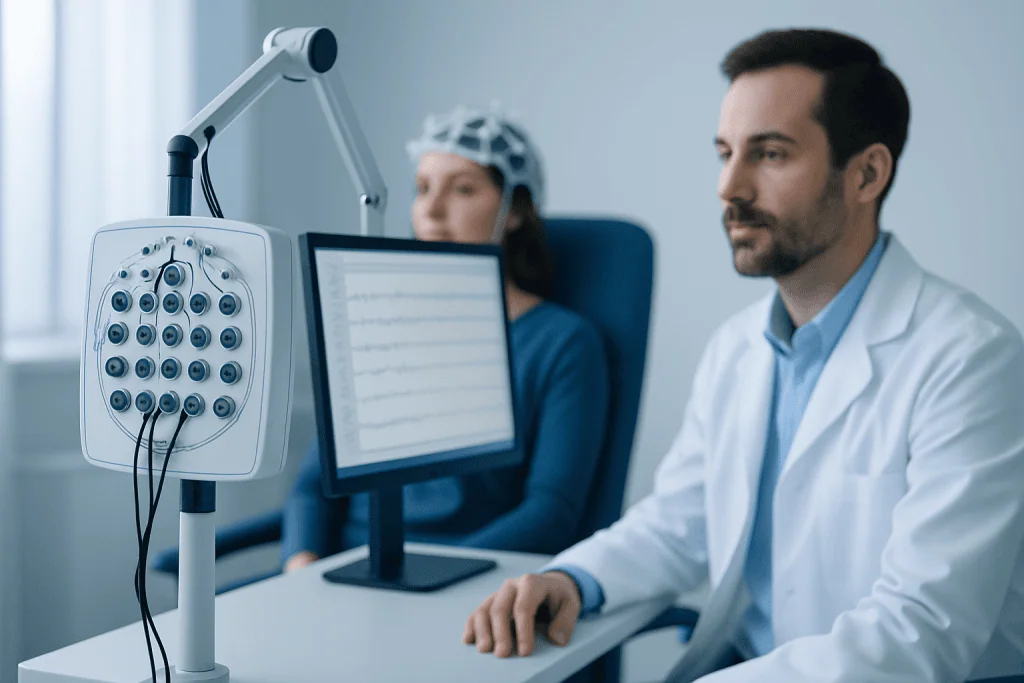
A general neurologist can diagnose and treat many people with epilepsy. Referral to an epilepsy specialist may be appropriate after a first unexplained seizure, when test results are unclear, when the seizure type is difficult to classify, or when seizures are affecting everyday activities. Children, pregnant people, older adults and people with multiple health conditions may also benefit from tailored specialist advice.
Specialist review is particularly important when seizures continue after trials of appropriately selected anti-seizure medicines. This is sometimes described as drug-resistant epilepsy. It does not mean that there are no treatment options. Rather, it is a reason to assess whether a different diagnosis, medication approach, dietary therapy, neurostimulation treatment or epilepsy surgery evaluation could be suitable.
An epilepsy specialist will ask for a detailed description of events from the person and, when possible, someone who witnessed them. Keeping a seizure diary can be useful. It may record the date and time, warning symptoms, duration, movements or behavior observed, recovery period, missed medicines, sleep, alcohol use, illness, stress and possible menstrual-cycle associations.
- Episodes that begin in childhood or occur during sleep
- Seizures linked with injury, prolonged recovery or repeated emergency visits
- Questions about driving, swimming, work safety, pregnancy or contraception
- Medication side effects, memory concerns, anxiety or depression
- Interest in advanced testing or a surgical opinion
How an Epilepsy Evaluation Works
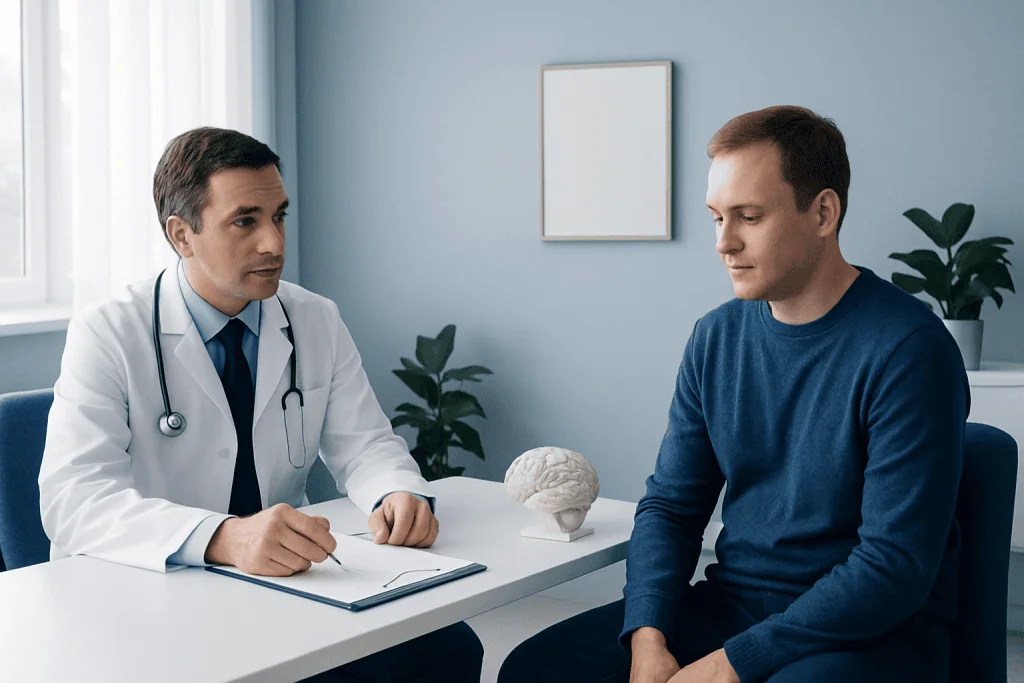
The evaluation begins with a medical history and neurological examination. The specialist will ask what happened before, during and after each event, including whether there was a warning sensation, loss of awareness, stiffening, jerking, tongue biting, incontinence, confusion or sleepiness afterward. A witness account or smartphone video, if safely obtained, can sometimes provide important information.
An electroencephalogram (EEG) records the brain’s electrical activity through small sensors placed on the scalp. A routine EEG may show patterns that support an epilepsy diagnosis, but a normal result does not rule epilepsy out. Sleep-deprived EEG, ambulatory EEG at home or video-EEG monitoring in hospital may be used when longer recording is needed to capture typical events.
Brain imaging is often part of the assessment, especially after a new focal seizure or when a structural cause is suspected. Magnetic resonance imaging (MRI) can identify changes in brain structure that may be linked with seizures. Blood tests, genetic testing, heart assessment or sleep evaluation may also be recommended in selected situations.
After reviewing the information, the specialist explains whether epilepsy is likely, what seizure type may be present and what further testing is needed. The plan should include a discussion of benefits, possible side effects, safety planning and how treatment choices fit the person’s age, medical history and preferences. Related neurological conditions, including stroke, may require coordinated care because they can sometimes be associated with later seizures.
What Is the Difference Between a Neurologist and an Epileptologist?
A neurologist is a doctor who diagnoses and treats disorders of the brain, spinal cord, nerves and muscles. Neurologists care for a broad range of conditions, including headache, movement disorders, multiple sclerosis, stroke, memory disorders and epilepsy. Many neurologists are highly experienced in treating common seizure disorders.
An epileptologist is a neurologist with additional, concentrated training or clinical experience in epilepsy and seizure diagnosis. They commonly work in specialized epilepsy services and have particular familiarity with seizure classification, prolonged video-EEG monitoring, medication-resistant epilepsy, pre-surgical assessment, neurostimulation and complex care planning.
Seeing an epileptologist does not necessarily mean surgery or invasive treatment will be needed. Often, the value lies in confirming the diagnosis, refining the seizure type or improving a medication plan. A specialist may also identify events that are not epileptic seizures and guide the person toward the most appropriate care.
For people whose seizures remain uncontrolled, the epileptologist can coordinate assessment by a multidisciplinary team. This process may include detailed EEG monitoring, high-resolution imaging, memory and language testing, and discussion of whether a procedure could safely target the part of the brain where seizures begin.
Epilepsy Treatment Options: From Medicines to Procedures
For many people, anti-seizure medicines are the first treatment. The medication choice depends on seizure type, age, sex, other health conditions, possible pregnancy, interactions with other medicines and potential side effects. Treatment should be taken exactly as prescribed, and medication should not be stopped suddenly without medical advice because this can provoke seizures.
If medicines do not provide adequate seizure control, an epilepsy specialist may discuss non-medication options. These may include a medically supervised ketogenic or modified dietary approach for selected patients, vagus nerve stimulation, responsive neurostimulation, deep brain stimulation or referral for an epilepsy surgery assessment. The best option depends on where seizures start, how they spread and whether the area can be treated without causing unacceptable changes in speech, movement, memory or other functions.
Epilepsy surgery is not one single procedure. It may involve removing or disconnecting a small seizure-producing brain area, treating a target with a minimally invasive technique, or placing a neuromodulation device. A formal epilepsy surgery evaluation is designed to establish whether an intervention is likely to offer more benefit than risk for a particular person.
Pre-procedure assessment is often step-by-step. It can include video-EEG monitoring, MRI, functional imaging, neuropsychological testing and sometimes intracranial EEG electrodes placed temporarily to map seizure onset more precisely. If a procedure is recommended, the team explains the expected hospital stay, rehabilitation needs, seizure-management plan and follow-up schedule. Recovery varies by procedure; some people return to light activities within weeks, while recovery after open brain surgery may take longer. Benefits can include fewer seizures or seizure freedom for appropriately selected patients, while possible risks include infection, bleeding, neurological changes, mood or cognitive effects, device-related complications and ongoing seizures.
What Is the Number One Trigger for Seizures?
There is no single number one trigger for every person with epilepsy. Triggers vary by seizure type and individual circumstances. However, missed or delayed anti-seizure medicine is one of the most important and preventable reasons that seizures may occur in people who are already diagnosed with epilepsy.
Sleep deprivation is also a common trigger, and illness, fever, dehydration, emotional stress, alcohol or recreational drug use may contribute for some people. Flashing lights can trigger seizures in a small group of people with photosensitive epilepsy, but this is not a trigger for most people with epilepsy.
An epilepsy specialist may recommend tracking possible patterns rather than assuming a trigger is responsible. A diary can help identify links with sleep, medicine timing, alcohol, menstrual cycles, illness or specific circumstances. This information can guide practical changes without unnecessarily restricting daily life.
Seizure prevention usually includes taking treatment consistently, maintaining regular sleep, managing illness promptly, avoiding known individual triggers and attending follow-up appointments. People should ask their clinical team before changing medicines, supplements, diet or alcohol use, particularly if they are planning pregnancy or have other medical conditions.
What Are the Three C's of Epilepsy?
The phrase “three C’s of epilepsy” does not have one universal medical definition. It is sometimes used in education to help people remember key themes, but the exact words vary among organizations and clinicians. Because of this, it should not replace individualized seizure first-aid guidance from a healthcare professional.
A practical way to think about three important priorities is care, control and community. Care means obtaining an accurate diagnosis and regular follow-up. Control refers to reducing seizures and treatment side effects through an individualized plan. Community includes education and support from family, school, employers and patient organizations, which can help people live safely and confidently.
For seizure first aid, people may use a different set of simple actions: remain calm, protect the person from injury and call emergency services when indicated. Do not restrain someone having a convulsive seizure, do not put anything in their mouth, and do not give food or drink until they are fully awake. If possible, time the seizure and turn the person onto their side once it is safe to do so.
It can be helpful for families and caregivers to have a written seizure action plan. This should explain the person’s usual seizure pattern, first-aid needs, emergency medicine instructions if prescribed, emergency contacts and situations in which urgent help is required.
What Did God Say About Epilepsy?
Religious and spiritual perspectives on epilepsy differ among faith traditions and individuals. Some religious texts include descriptions of symptoms that may resemble seizures, but modern medicine cannot reliably diagnose a historical figure from a written account. Epilepsy is understood medically as a neurological condition, not as a moral failing, punishment or evidence of personal weakness.
Many people find faith, prayer, spiritual practices and support from their religious community meaningful alongside medical care. These sources of support may help with coping, connection and emotional well-being. They should not be viewed as a substitute for diagnosis, prescribed treatment or seizure safety planning.
An epilepsy specialist can respect a person’s beliefs while providing evidence-based care. Open communication is useful if religious fasting, ceremonies, complementary practices or concerns about medicine could affect sleep, medication schedules, nutrition or safety.
Stigma can create unnecessary isolation. Accurate information, compassionate support and appropriate medical treatment can help challenge misunderstandings about epilepsy and promote dignity for people living with seizures.
When to Seek Medical Care
Anyone who has a first seizure-like event should receive prompt medical assessment, even if they feel well afterward. Medical review is also important for new or changing episodes of loss of awareness, shaking, unexplained falls, confusion or unusual sensory experiences. These symptoms have several possible causes, and early assessment helps ensure the right diagnosis and care.
Emergency help is needed if a seizure lasts about five minutes or longer, if seizures occur repeatedly without full recovery between them, or if the person has trouble breathing or does not wake as expected. Emergency assessment is also appropriate after a significant injury, seizure in water, seizure during pregnancy, or if this is the person’s first known seizure.
People with diagnosed epilepsy should contact their clinician if seizures become more frequent or severe, medication side effects are difficult to manage, pregnancy is planned or suspected, or a new health problem may affect treatment. They should not drive or undertake hazardous activities unless they meet the legal and clinical requirements that apply where they live.
Acibadem International’s multidisciplinary specialists and JCI-accredited hospitals provide assessment and treatment planning for international patients with epilepsy, including access to neurology care when specialist review is needed.
Frequently asked questions
When should someone see an epilepsy specialist?
A person may benefit from an epilepsy specialist after a first unexplained seizure, when the diagnosis is uncertain or when seizures continue despite treatment. Specialist care is also useful when medication side effects are troublesome or advanced treatment options need to be considered.
Can an epilepsy specialist tell whether an event was a seizure?
Often, yes, although this may require more than one appointment or test. A detailed history, witness description, video when available, EEG monitoring and brain imaging can help distinguish epileptic seizures from other conditions that may look similar.
Does a normal EEG mean a person does not have epilepsy?
No. An EEG only records brain activity during the testing period, and some people with epilepsy have a normal routine EEG. The specialist interprets EEG findings together with symptoms, medical history, examination and other tests.
Will everyone with epilepsy need surgery?
No. Many people achieve good seizure control with medication and lifestyle measures. Surgery or device-based treatment is usually considered only after careful assessment, particularly when seizures persist despite appropriate medicines.
What should a bystander do during a convulsive seizure?
Stay with the person, move dangerous objects away, cushion their head if possible and time the seizure. Do not hold them down or put anything in their mouth; call emergency services if the seizure is prolonged, repeated, involves injury or breathing difficulty, or is a first seizure.
Can people with epilepsy lead active lives?
Yes. With appropriate diagnosis, treatment and safety planning, many people with epilepsy study, work, travel and take part in exercise and family life. Individual restrictions may be needed around driving, swimming alone, heights or machinery, depending on seizure control and local regulations.
References
- World Health Organization
- International League Against Epilepsy
- National Institute of Neurological Disorders and Stroke
- Centers for Disease Control and Prevention
- Epilepsy Foundation
This article is for general information only and is not a substitute for professional medical advice. Please consult a qualified doctor about your individual situation.
Epilepsy in Turkey — costs, top hospitals & a free quote
JCI-accredited · board-certified surgeons · reply within 24h

Neurosurgery
Surgical treatment of the brain, spine and nervous system, including minimally invasive and functional procedures.
72 specialists in this unit