Haemophilus Pneumonia Treatment: How It Works, Results and What to Expect

Haemophilus influenzae can cause pneumonia, especially in older adults and people with chronic lung disease or weakened immunity. Antibiotics are the main treatment for confirmed or strongly suspected bacterial pneumonia; the choice may change after culture results return.
Key Takeaways
- Haemophilus influenzae can cause pneumonia, especially in older adults and people with chronic lung disease or weakened immunity.
- Antibiotics are the main treatment for confirmed or strongly suspected bacterial pneumonia; the choice may change after culture results return.
- Supportive care, including fluids, rest and fever or pain relief when appropriate, helps recovery but does not replace antibiotics.
- Symptoms may begin improving within days, but tiredness and cough can take several weeks to settle.
- Urgent assessment is important for breathing difficulty, chest pain, confusion, blue lips or face, or rapidly worsening symptoms.
Haemophilus pneumonia treatment usually involves antibiotics selected according to the person’s illness severity, medical history and, when available, laboratory test results. Many people improve with prompt outpatient care, while severe pneumonia may require hospital monitoring, oxygen or intravenous treatment.
Overview: How Haemophilus Pneumonia Treatment Works
Haemophilus pneumonia treatment aims to clear the bacterial infection, support breathing and prevent complications. It commonly includes prescribed antibiotics, rest, fluids and treatment for symptoms such as fever or discomfort. The exact approach depends on whether the illness can be managed safely at home or requires care in hospital.
Haemophilus influenzae is a type of bacterium that can live in the nose and throat without causing illness. Some strains can move into the lower airways and cause pneumonia, particularly when a person has chronic respiratory disease, smokes, is older, has recently had a viral respiratory infection or has a weakened immune system. Despite its name, H. influenzae is not the same as the influenza virus.
Clinicians usually begin treatment based on the likely cause and seriousness of pneumonia, then refine it if sputum, blood or other laboratory tests identify the organism and its antibiotic sensitivity. This is important because some H. influenzae strains can resist certain antibiotics. Completing the prescribed course and attending follow-up if symptoms do not improve are important parts of care.
Who May Need Treatment and How Severity Is Assessed
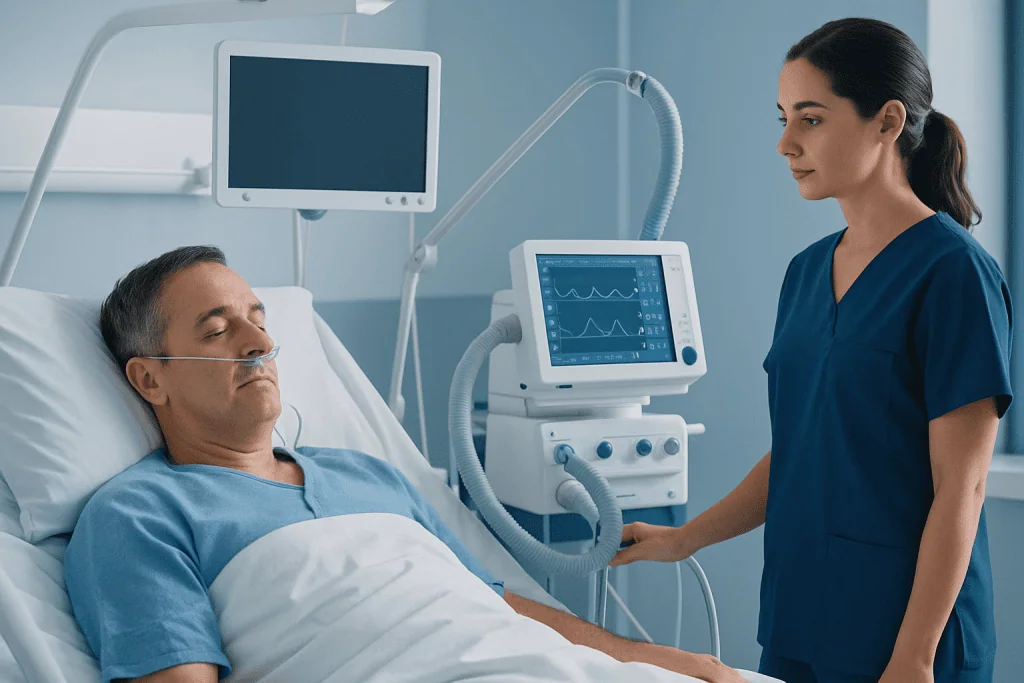
Anyone with suspected bacterial pneumonia should be assessed by a qualified clinician. The decision between home treatment and hospital care is based on more than a chest X-ray result. It also considers breathing rate, oxygen level, blood pressure, temperature, alertness, ability to drink fluids or take tablets, age, other health conditions and the availability of support at home.
People at increased risk of severe H. influenzae pneumonia include older adults; infants and young children; people with chronic obstructive pulmonary disease (COPD), bronchiectasis, asthma or heart disease; and people whose immune systems are weakened by illness or medicines. Smoking, heavy alcohol use and a recent viral infection may also increase vulnerability.
Hospital assessment is more likely to be recommended when oxygen levels are low, breathing is difficult, pneumonia affects multiple areas of the lungs, dehydration is present or complications are suspected. People with mild illness who are stable, able to take oral medicines and have reliable follow-up can often recover at home under medical guidance.
Step by Step: Diagnosis and Treatment Plan

A clinician will ask about the timing of symptoms, recent infections, smoking, long-term medical conditions, medicines and possible exposures. They will listen to the lungs and check vital signs, including temperature, pulse, breathing rate, blood pressure and oxygen saturation. A chest X-ray is commonly used to look for changes consistent with pneumonia.
Depending on the clinical situation, tests may include blood tests, sputum testing, blood cultures, viral testing or a CT scan. Samples are especially helpful in severe illness, recurrent infection or when initial treatment is not working. Results can help distinguish H. influenzae from other causes and guide a more targeted antibiotic choice.
For community-acquired bacterial pneumonia, treatment is often started promptly rather than delayed while every result is pending. Oral antibiotics may be used for suitable outpatients. In hospital, antibiotics may be given intravenously at first, then changed to tablets once the person is clinically improving and can swallow and absorb medication reliably.
- Antibiotic review: Treatment may be adjusted when culture and sensitivity results are available.
- Breathing support: Supplemental oxygen may be needed if blood oxygen is low.
- Fluids and nutrition: Oral fluids or intravenous fluids may be used if intake is poor.
- Management of related conditions: Inhaled medicines may be considered when airway narrowing or COPD exacerbation is also present.
Benefits, Risks and What to Expect During Recovery
The main benefit of timely treatment is that it can control bacterial infection, reduce symptoms and lower the chance of serious complications. Many people notice that fever, chills and acute unwellness begin to ease after antibiotics have been started, although the pace of recovery varies. A cough, reduced exercise tolerance and tiredness may persist after the infection itself is resolving.
Antibiotics can cause side effects such as nausea, diarrhoea, rash or thrush. Allergic reactions are uncommon but can be serious; urgent help is needed for swelling of the lips, face or throat, wheezing, widespread hives or difficulty breathing. Clinicians also consider the risk of antibiotic-associated diarrhoea and use antibiotics only when they are likely to be beneficial.
Severe pneumonia may require oxygen therapy, intravenous medicines, respiratory support or treatment in an intensive care unit. Complications are not inevitable, but may include respiratory failure, infection around the lung, bloodstream infection or worsening of an underlying lung condition. Follow-up is particularly important for people whose symptoms persist, recur or worsen after initial improvement.
Acibadem International’s multidisciplinary specialists and JCI-accredited hospitals assess and treat pneumonia and related respiratory conditions for international patients, with care plans tailored to clinical findings and individual health needs.
How Long Does It Take to Recover from Haemophilus influenzae?
Recovery from Haemophilus influenzae depends on the site and severity of infection, the person’s overall health and how quickly effective treatment begins. With uncomplicated bacterial pneumonia, acute symptoms often begin to improve within several days of starting the appropriate antibiotic. However, it is common for cough, weakness and reduced stamina to last for several weeks.
Older adults and people with COPD, other lung disease, heart disease or reduced immunity may need more time to regain their usual energy and breathing capacity. Hospitalised patients may also have a longer recovery because their infection was more severe or because they became deconditioned during illness.
A clinician may advise reassessment if fever continues, breathing becomes harder, symptoms fail to improve as expected or they return after improvement. A follow-up chest X-ray is sometimes recommended, especially for older adults, smokers or people with persistent symptoms, to make sure the lung changes have cleared and to look for another explanation if they have not.
How Serious Is Haemophilus influenzae in Adults?
In adults, Haemophilus influenzae can range from a mild respiratory infection to serious pneumonia or invasive infection. Many otherwise healthy adults recover well with appropriate care. The risk is higher in people with chronic lung conditions, advanced age, immune suppression or significant underlying illness.
Some strains, particularly encapsulated strains such as type b, can rarely enter the bloodstream or cause infections beyond the lungs. These infections need urgent hospital-based treatment. Non-typeable H. influenzae is a common cause of respiratory infections and can be particularly troublesome for people with COPD or bronchiectasis.
Vaccination against Hib protects mainly against Haemophilus influenzae type b and is part of routine childhood immunisation in many countries. It does not prevent all H. influenzae infections or all cases of pneumonia. Adults should discuss recommended vaccines, including influenza and pneumococcal vaccines where appropriate, with their clinician because preventing viral illness and other respiratory infections may reduce overall pneumonia risk.
How Does Haemophilus influenzae Make You Feel?
When H. influenzae causes pneumonia, people may feel suddenly or gradually unwell with cough, fever, chills, sweating, tiredness and shortness of breath. The cough may be dry or produce mucus. Some people experience chest discomfort that is worse with deep breathing or coughing, headaches, reduced appetite or aching muscles.
Symptoms can be less typical in older adults. Instead of a high fever, there may be new confusion, unusual sleepiness, weakness, reduced eating or a decline in day-to-day function. Infants and young children may breathe faster than usual, feed poorly, seem unusually irritable or appear very tired.
Symptoms alone cannot identify the exact bacterium causing pneumonia. Viral infections, other bacteria and non-infectious lung conditions can cause similar complaints. Medical assessment is therefore needed to confirm the likely diagnosis and determine whether antibiotics or other treatment are appropriate.
What Happens If Haemophilus influenzae Is Left Untreated? When to Seek Medical Care
If bacterial pneumonia caused by H. influenzae is left untreated, the infection may worsen and breathing can become increasingly difficult. In some cases, bacteria can spread beyond the lungs or trigger complications such as fluid or infection around the lungs, severe dehydration or respiratory failure. The likelihood varies between individuals, but suspected pneumonia should not be managed by self-treatment alone.
Medical care should be sought promptly for fever with cough and shortness of breath, chest pain, worsening wheeze, persistent vomiting, dehydration or symptoms that are not settling. Urgent or emergency care is needed for severe trouble breathing, blue or grey lips or face, confusion, fainting, new inability to stay awake, coughing up significant blood or a rapid deterioration.
People who have been prescribed antibiotics should take them exactly as directed and should not save, share or use leftover antibiotics. They should contact their clinician if they develop a medication reaction, cannot keep fluids or medicines down, or do not feel better within the timeframe advised. Rest, adequate fluid intake, avoiding smoking and gradually returning to activity as strength returns can support recovery.
Frequently asked questions
Can haemophilus pneumonia be treated at home?
Some people with mild, stable pneumonia can be treated at home with prescribed oral antibiotics, rest, fluids and planned follow-up. A clinician should make this decision after assessing breathing, oxygen levels, medical conditions and the person’s ability to take medicines and seek help if needed.
Are antibiotics always needed for Haemophilus influenzae pneumonia?
Antibiotics are generally used when H. influenzae is known or strongly suspected to be causing bacterial pneumonia. The specific medicine depends on local guidance, allergy history, illness severity and laboratory sensitivity results when available. Antibiotics do not treat viral pneumonia.
Is Haemophilus influenzae contagious?
H. influenzae can spread through respiratory droplets and close contact, although many people carry it without becoming ill. Good hand hygiene, covering coughs and sneezes, and avoiding close contact when acutely unwell can reduce transmission. A clinician can advise on precautions in individual circumstances.
Why might treatment be changed after a sputum test?
A sputum culture may identify the bacterium and show which antibiotics are likely to work against it. Some H. influenzae strains produce enzymes that make certain antibiotics less effective. Changing treatment based on these results can make therapy more targeted.
Can Haemophilus influenzae pneumonia come back?
A new respiratory infection can occur again, particularly in people with COPD, bronchiectasis, smoking exposure or immune-system problems. Recurrent infections should be reviewed by a clinician to look for underlying lung disease, swallowing problems, immune issues or other contributing factors. Preventive vaccines and smoking cessation may be helpful for eligible individuals.
When can someone return to work or normal activity after pneumonia?
Return to activity should be gradual and guided by energy level, breathing and the demands of work or exercise. Fever should be resolved and the person should be able to manage normal daily tasks without significant breathlessness. Those with strenuous jobs or ongoing symptoms should seek individual advice from their treating clinician.
References
- Centers for Disease Control and Prevention
- World Health Organization
- American Thoracic Society
- Infectious Diseases Society of America
- National Health Service
This article is for general information only and is not a substitute for professional medical advice. Please consult a qualified doctor about your individual situation.
Pneumonia in Turkey — costs, top hospitals & a free quote
JCI-accredited · board-certified surgeons · reply within 24h
Check your numbers in seconds
BMI, calories, due date, blood pressure and 30+ more clinical calculators — free, instant, doctor-reviewed ranges.