Ac Joint Surgery: Procedure, Recovery and Results

The AC joint joins the collarbone to the shoulder blade at the top of the shoulder. Surgery may involve removing a small portion of the collarbone, repairing stabilizing ligaments, or both.
Key Takeaways
- The AC joint joins the collarbone to the shoulder blade at the top of the shoulder.
- Surgery may involve removing a small portion of the collarbone, repairing stabilizing ligaments, or both.
- Arthroscopic procedures often use small incisions and may allow an earlier return to light activities than ligament reconstruction.
- A structured rehabilitation plan is important for restoring shoulder movement, strength, and confidence.
- Surgery is usually considered after assessment and a trial of suitable non-surgical care, unless an injury requires earlier repair.
AC joint surgery is a shoulder procedure used to treat ongoing pain, arthritis, injury, or instability at the acromioclavicular (AC) joint when appropriate non-surgical treatments have not provided enough relief. Recovery varies by the operation performed, overall health, work demands, and rehabilitation progress, but most people gradually return to comfortable daily activities over weeks to months.
AC Joint Surgery: An Overview
AC joint surgery treats problems affecting the acromioclavicular joint, commonly called the AC joint or ACJ. This small joint sits on top of the shoulder, where the outer end of the collarbone (clavicle) meets part of the shoulder blade called the acromion. It helps the shoulder move comfortably during reaching, lifting, and overhead activity.
AC joint surgery may be recommended for painful arthritis, bone-on-bone irritation, a persistent separation after injury, or another structural problem causing symptoms that do not improve with guided non-surgical care. The exact procedure depends on the diagnosis. For arthritis, a surgeon may remove a small section of the end of the collarbone; for significant instability, the aim may be to repair or reconstruct supporting ligaments.
The decision is individual. A clinician considers pain severity, daily function, work or sporting requirements, examination findings, imaging, and response to treatments such as activity modification, physiotherapy, and appropriate pain relief. Surgery is intended to improve pain and function, but it cannot guarantee a specific outcome for every person.
How AC Joint Surgery Works and Who May Be a Candidate
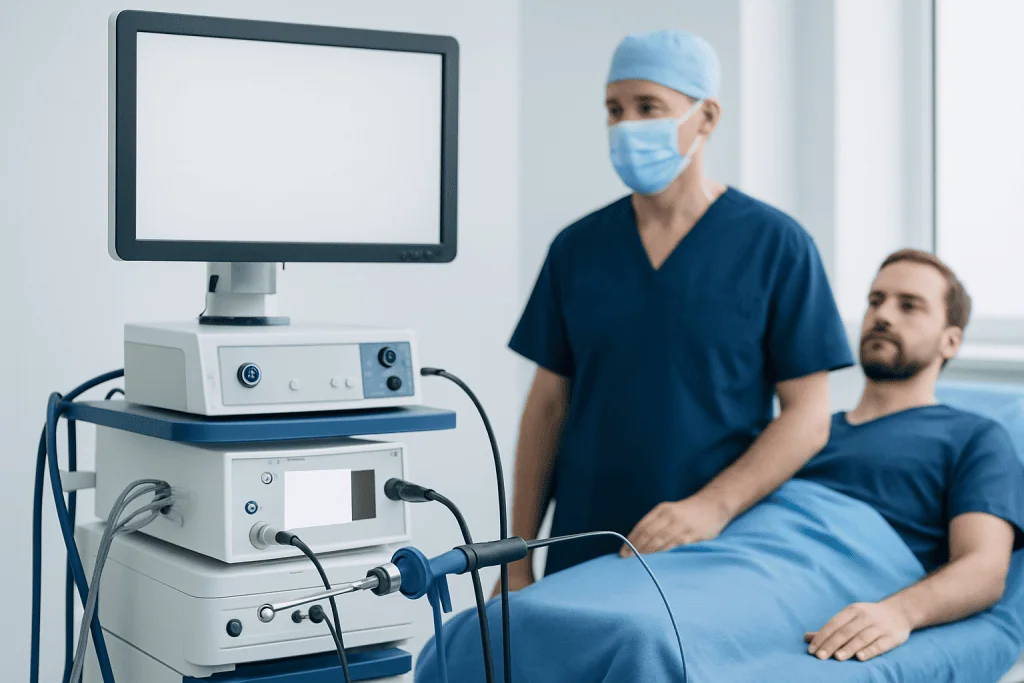
The main surgical approach for AC joint arthritis is distal clavicle excision, also called distal clavicle resection or a Mumford procedure. The surgeon removes a small amount of bone from the outer end of the collarbone. This creates space at the joint so painful bone contact is reduced while surrounding soft tissues continue to support the shoulder.
For an AC joint separation, the focus is different. The injury may stretch or tear ligaments that connect the collarbone to the shoulder blade. In selected cases, the surgeon may repair damaged tissues or reconstruct the stabilizing coracoclavicular ligaments using a graft, sutures, or fixation devices. The right approach depends on the grade and timing of the injury, symptoms, and the person’s activity needs.
Potential candidates commonly have pain localized to the top of the shoulder, tenderness directly over the AC joint, discomfort with cross-body movements or lifting, and symptoms that continue despite conservative care. A visible bump after a separation does not always require surgery; some people function well without an operation. A shoulder specialist can help distinguish AC joint pain from related problems such as shoulder impingement syndrome, rotator cuff conditions, or neck-related pain.
- Persistent, activity-limiting AC joint pain despite suitable non-surgical treatment
- Confirmed AC joint arthritis or structural injury that matches the person’s symptoms
- Ongoing instability or loss of shoulder function after a significant separation
- A clear understanding of rehabilitation commitments and expected recovery
Step-by-Step: What Happens During the Procedure
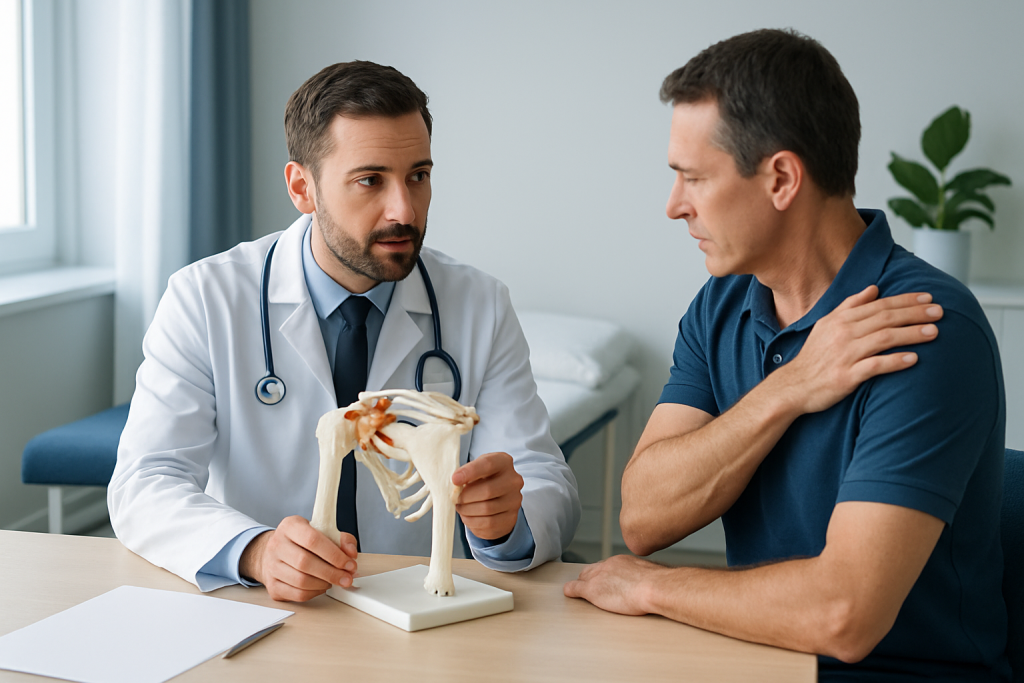
Before surgery, the surgical team reviews medical history, medications, allergies, prior shoulder procedures, and imaging. X-rays are often used to assess the joint and collarbone position. Ultrasound or MRI may be considered when the clinician needs more information about ligaments, tendons, or other shoulder structures. Patients receive instructions about fasting, regular medicines, arranging transport home, and the expected use of a sling.
AC joint procedures are generally performed under anesthesia. In many cases, a regional nerve block may also be offered to reduce pain during the early recovery period. Arthroscopic surgery uses a small camera and narrow instruments through several small incisions. Open surgery uses a larger incision over the top of the shoulder and may be preferred or necessary for some reconstructions.
During arthroscopic distal clavicle excision, the surgeon examines the shoulder joint and nearby structures, then carefully removes a small portion of the outer collarbone. If reconstruction is needed for instability, the surgeon positions and secures the repair or graft to restore the relationship between the collarbone and shoulder blade. The incisions are closed and a dressing and sling are applied.
Some people return home on the same day, depending on the procedure, anesthesia, pain control, and individual circumstances. The team provides written instructions about wound care, safe movement, pain management, sleeping, and follow-up appointments. Shoulder surgery assessment and treatment can help determine which approach is appropriate for the individual diagnosis.
Recovery Timeline After AC Joint Surgery
Recovery after AC joint surgery is gradual. The first days are focused on protecting the shoulder, controlling swelling and discomfort, and caring for the incision. A sling is commonly used, although its duration differs substantially between a straightforward distal clavicle excision and a ligament reconstruction. It is important to follow the individual surgeon’s instructions rather than comparing timelines with someone who had a different operation.
After a distal clavicle excision, gentle range-of-motion exercises may begin relatively early when advised by the surgical team. Light daily activities may become more manageable over the first few weeks. Strengthening is introduced progressively once movement, healing, and pain levels allow. People with office-based work may sometimes return sooner than those whose work requires lifting, repetitive reaching, or physical labor.
After AC joint reconstruction, protection is usually more prolonged because repaired or reconstructed ligaments need time to heal. Rehabilitation often begins with carefully limited movement before progressing to strengthening and sport- or work-specific exercise. Returning too quickly to heavy lifting, contact activities, or overhead sport can compromise healing.
Recovery plans may include physiotherapy and, when needed, rehabilitation for related shoulder concerns such as rotator cuff tears. Regular review allows the clinician to monitor healing, shoulder motion, strength, and the safe timing of a return to demanding activities.
How Long Does It Take to Recover From AC Joint Surgery?
For many people, recovery from AC joint surgery takes several weeks for basic daily comfort and several months for fuller strength and higher-demand activity. After distal clavicle excision, light activity and desk-based work may be possible within a few weeks for some patients, while heavier work, gym training, and sports commonly require a longer, staged return.
When AC joint surgery includes ligament repair or reconstruction, recovery is usually longer. A sling may be needed for several weeks, followed by supervised rehabilitation. Return to heavy manual work, contact sport, or repetitive overhead activity may take several months because the shoulder needs time to regain both stability and strength.
Recovery is not only about the calendar. Pain levels, wound healing, range of motion, muscle control, job tasks, and the type of surgery all matter. The surgical team and physiotherapist can provide the most reliable guidance on when it is safe to drive, return to work, lift objects, or resume sport.
How Long Does It Take to Recover From AC Joint Arthroscopic Surgery?
AC joint arthroscopic surgery often has a shorter early recovery than an open ligament reconstruction because it uses small incisions and may involve less disruption of surrounding tissue. After arthroscopic distal clavicle excision, people may start guided shoulder movement early and progressively return to normal routines as pain and motion improve.
Even when the skin incisions are small, the shoulder still needs time to recover. Soreness, stiffness, and fatigue with activity are common in the early weeks. Strength training, repeated overhead movement, and return to sport should be introduced gradually rather than based only on how the incisions look.
Arthroscopy does not always mean the same recovery for every patient. If the surgeon performs additional work inside the shoulder, such as treatment related to rotator cuff repair, restrictions and rehabilitation may be more extensive. The procedure report and individualized rehabilitation plan should guide expectations.
Benefits, Risks and Is AC Joint Surgery Worth It?
AC joint surgery may be worthwhile when pain is clearly arising from the AC joint, symptoms are limiting valued activities, and appropriate non-surgical care has not given adequate relief. Potential benefits include less pain at the top of the shoulder, improved comfort with reaching and lifting, better shoulder function, and greater confidence in daily activity. For a painful unstable separation, reconstruction may improve stability as well as function.
Whether surgery is worth it depends on the individual’s goals and the likelihood that the identified AC joint problem is the main source of symptoms. A careful diagnosis is essential because shoulder pain may come from more than one structure. Some people improve sufficiently with physiotherapy, modified activity, targeted injections, or other conservative measures and do not need an operation.
All surgery has potential risks. These can include bleeding, infection, blood clots, anesthetic complications, stiffness, persistent pain, numbness around the scar, delayed healing, and the need for further treatment. With ligament reconstruction, there can also be loss of correction, hardware-related issues, or recurrent instability. The surgeon discusses risks in the context of the proposed technique and the person’s health.
At Acibadem International, multidisciplinary specialists in JCI-accredited hospitals can assess shoulder conditions and plan treatment for international patients, including surgical care and rehabilitation when appropriate.
How Painful Is ACJ Surgery and When to Seek Medical Care
ACJ surgery causes pain and soreness, particularly after the anesthetic or nerve block wears off, but discomfort is usually managed with a personalized plan that may include prescribed medicines, cold therapy, rest, and gradual movement. The level of pain varies with the procedure, individual pain sensitivity, and whether ligament reconstruction was performed. Pain should generally improve over time, even though temporary discomfort during rehabilitation is common.
Patients should contact their surgical team promptly if pain suddenly becomes much worse, medication is not providing expected relief, the wound becomes increasingly red or swollen, there is drainage, fever, persistent numbness or weakness, shortness of breath, chest pain, or significant swelling in an arm or leg. These symptoms do not always indicate a serious problem, but they need timely medical assessment.
Before surgery, medical care is advisable for shoulder pain that persists, follows a fall or direct impact, causes a visible deformity, limits arm use, or is associated with weakness, numbness, or tingling. Urgent assessment is appropriate after significant trauma, severe pain with inability to move the arm, or symptoms that could suggest a more serious injury.
Protecting the shoulder during recovery matters. Patients should attend follow-up visits, complete prescribed exercises, avoid lifting or contact activity until cleared, and ask their clinician before changing the rehabilitation plan. For some people, structured physical therapy is a central part of returning to safe and comfortable movement.
Frequently asked questions
What is AC joint surgery?
AC joint surgery is an operation for pain, arthritis, separation, or instability involving the acromioclavicular joint at the top of the shoulder. It may involve removing a small part of the collarbone, repairing ligaments, reconstructing ligaments, or combining these approaches depending on the underlying problem.
How long does it take to recover from AC joint surgery?
Basic daily activities often improve over weeks, but full recovery can take several months. Recovery is usually faster after a simple distal clavicle excision than after ligament reconstruction, and a clinician should confirm when heavier work, driving, exercise, or sport is safe.
Is AC joint surgery worth it?
It may be worthwhile for people with persistent, well-defined AC joint symptoms that affect daily life and have not improved with appropriate non-surgical care. The decision should be based on the diagnosis, goals, expected rehabilitation, risks, and discussion with a shoulder specialist.
How long does it take to recover from AC joint arthroscopic surgery?
Arthroscopic AC joint surgery may permit an earlier return to gentle movement and light activities than some open procedures. However, meaningful recovery still takes weeks, and a return to strenuous lifting or sport generally requires progressive rehabilitation over a longer period.
How painful is ACJ surgery?
Pain and soreness are expected after ACJ surgery, especially during the first days, but they are usually managed with a planned combination of medication, cold therapy, sling use, and gradual activity. Pain should slowly improve; worsening pain or pain with fever, wound changes, or breathing symptoms should be reviewed urgently.
Will I need physiotherapy after AC joint surgery?
Many people benefit from a structured rehabilitation program after AC joint surgery. Physiotherapy helps restore movement, strength, shoulder control, and confidence while protecting healing tissues from excessive strain.
References
- American Academy of Orthopaedic Surgeons
- OrthoInfo
- American Shoulder and Elbow Surgeons
- National Institute of Arthritis and Musculoskeletal and Skin Diseases
This article is for general information only and is not a substitute for professional medical advice. Please consult a qualified doctor about your individual situation.
Joint and spine care in Turkey — expert assessment & treatment
JCI-accredited · board-certified surgeons · reply within 24h