Chicken Pox Vaccine Release Date: An Evidence-Based Patient Guide

The first chickenpox vaccine was licensed in the United States in 1995. The CDC recommends two doses of varicella vaccine for children, adolescents, and adults without evidence of immunity.
Key Takeaways
- The first chickenpox vaccine was licensed in the United States in 1995.
- The CDC recommends two doses of varicella vaccine for children, adolescents, and adults without evidence of immunity.
- Chickenpox can still occur in 2026, especially in unvaccinated people, although vaccination greatly reduces risk and severity.
- The vaccine uses a weakened varicella-zoster virus to train the immune system to recognize the infection.
- Most reactions are mild and temporary, but certain people should not receive a live varicella vaccine.
- A clinician can confirm vaccine history, immunity status, and the most appropriate vaccination plan.
The chicken pox vaccine release date in the United States was 1995, when the first varicella vaccine was licensed for use. Today, vaccination is routinely recommended for people without evidence of immunity, helping prevent chickenpox and its potentially serious complications.
Overview: When Was the Chicken Pox Vaccine Released?
The chicken pox vaccine release date in the United States was 1995. In that year, the first vaccine against varicella, the virus that causes chickenpox, was licensed for use. The vaccine had been developed and studied for many years before its introduction, and it became an important public-health tool for reducing chickenpox infections and related complications.
Chickenpox is often mild in otherwise healthy children, but it can cause significant illness and may occasionally lead to complications such as skin infections, pneumonia, dehydration, or inflammation affecting the brain. The risk of severe disease is higher in adults, pregnant people, newborns, and people with weakened immune systems. Vaccination offers a reliable way to prevent infection or make illness much milder if breakthrough infection occurs.
Varicella vaccine is available as a vaccine focused on chickenpox and, in some settings, as a combined vaccine that also protects against measles, mumps, and rubella. Vaccine recommendations can differ slightly between countries, so individuals should follow guidance from their local public-health authority and healthcare professional.
When Does the Chickenpox Vaccine Come Out?
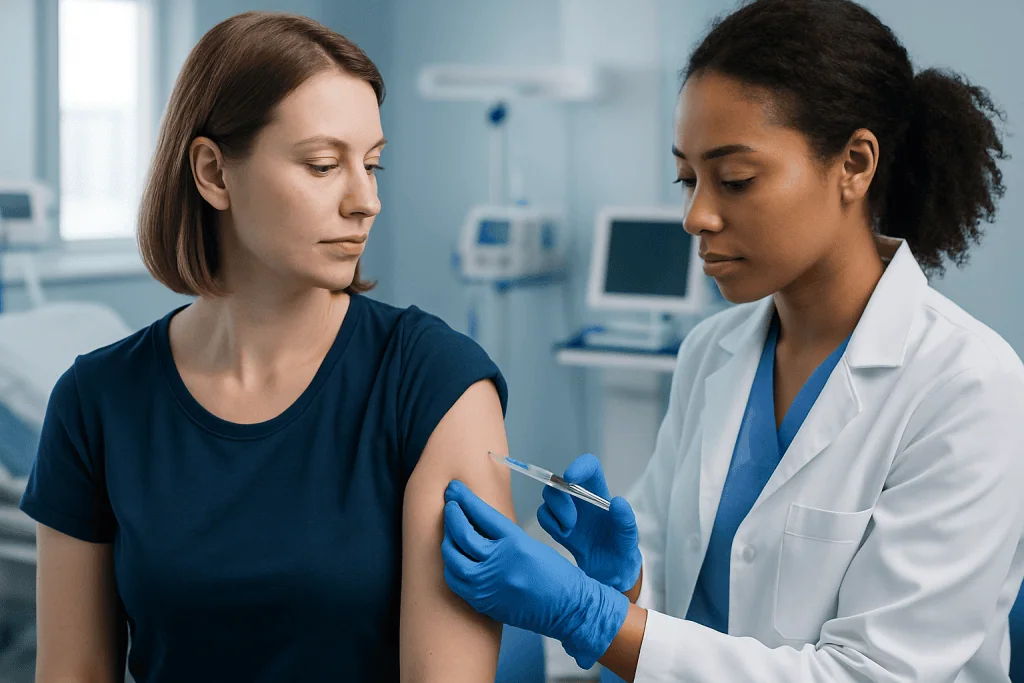
The phrase “when does the chickenpox vaccine come out?” may refer either to when the vaccine became available or when it is given during childhood. In the United States, the vaccine became available after its 1995 licensure. It was added to the routine childhood immunization schedule soon afterward as health authorities recognized its value in preventing illness and reducing spread within families, schools, and communities.
For routine childhood protection, the first dose is generally given at 12 through 15 months of age. A second dose is generally given at 4 through 6 years of age. The second dose improves protection and reduces the chance of breakthrough chickenpox, which is chickenpox occurring despite vaccination.
People who missed vaccination in childhood can often receive catch-up vaccination later. A healthcare professional can review prior immunization records, history of chickenpox, age, health conditions, pregnancy status, and medicines that affect the immune system before making an individualized recommendation.
How the Varicella Vaccine Works
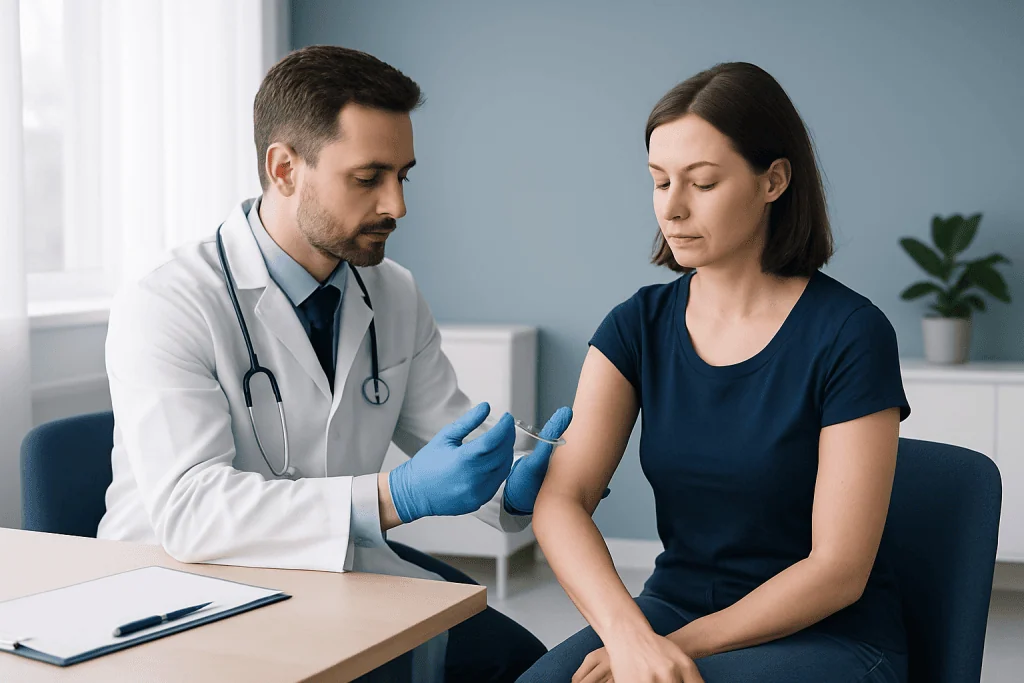
The chickenpox vaccine contains a weakened form of varicella-zoster virus. It cannot cause typical chickenpox in healthy recipients, but it stimulates the immune system to develop a protective response. This response helps the body recognize and control the virus more quickly if exposure happens in the future.
Protection is strongest after the recommended number of doses has been completed. No vaccine prevents every case, but people who develop chickenpox after vaccination usually have fewer blisters, milder symptoms, and a lower likelihood of complications than unvaccinated people.
Vaccination also has a community benefit. When fewer people become infected, there are fewer opportunities for the virus to reach people at increased risk of severe disease, including infants who are too young to be routinely vaccinated and some people with immune suppression.
Chickenpox and shingles are caused by the same virus. After a natural chickenpox infection, the virus can remain inactive in the body and later reactivate as shingles. Varicella vaccination is designed to prevent chickenpox; shingles prevention is addressed separately through age- and risk-based vaccination recommendations.
What Are the CDC Guidelines for Chickenpox Vaccination?
The CDC recommends two doses of varicella vaccine for children, adolescents, and adults who do not have evidence of immunity to chickenpox. For children, the usual schedule is one dose at 12 through 15 months and a second dose at 4 through 6 years. The vaccine may be administered at the same visit as other routine vaccines, using different injection sites.
For people aged 13 years and older without evidence of immunity, the CDC generally recommends two doses separated by at least four weeks. Evidence of immunity can include documented age-appropriate vaccination, laboratory evidence of immunity or prior infection, a healthcare-professional diagnosis or verification of chickenpox or shingles, or birth in the United States before 1980 in some situations. The birth-year criterion does not apply to pregnant people, healthcare personnel, or people with weakened immune systems.
After a known exposure to chickenpox, vaccination may still be useful for eligible people who are not immune if given promptly, ideally within three to five days. It can prevent infection or reduce its severity. People who are pregnant, immunocompromised, or otherwise at high risk should contact a clinician promptly after exposure because they may need a different preventive approach.
- Children should receive two routine doses at the recommended ages.
- Unvaccinated adolescents and adults without immunity should receive two doses.
- Vaccination should be delayed or avoided in some situations, including pregnancy and severe immune suppression.
- A clinician should be told about previous allergic reactions, current illness, medicines, and immune-system conditions before vaccination.
Candidacy and the Vaccination Visit: What to Expect
Most healthy children and adults without prior immunity are potential candidates for varicella vaccination. The clinician will usually ask about previous chickenpox, vaccine records, allergies, pregnancy, immune conditions, and current medicines. In uncertain cases, a blood test may sometimes be considered to check immunity, although it is not needed for everyone.
The vaccination visit is straightforward. After a brief health review and consent process, the vaccine is administered as an injection under the skin, typically in the upper arm or thigh. The person may be observed briefly afterward, particularly if there is a history of fainting with injections or concern about an allergic reaction.
Live varicella vaccines are generally not given during pregnancy, to people with severe immune suppression, or to people who have had a severe allergic reaction to a previous dose or a vaccine component. Those receiving certain immune-suppressing therapies should ask the treating specialist about the safest timing. A mild illness, such as a common cold without significant fever, does not always require postponing vaccination, but the decision should be made with a healthcare professional.
For families arranging routine immunizations, childhood vaccination services can help organize age-appropriate vaccines, catch-up schedules, and pre-travel immunization advice when needed.
Benefits, Side Effects, and Recovery Timeline
The main benefit of varicella vaccination is strong protection against chickenpox and its complications. It also reduces missed school or work, the need for medical visits, and the risk of passing the virus to vulnerable family or community members. Completing the two-dose series offers better protection than receiving one dose alone.
Most people can return to normal daily activities immediately after vaccination. Common short-term effects include soreness, redness, or swelling at the injection site, a mild fever, tiredness, or a temporary rash. These effects usually settle without specific treatment over the following days. If a small rash develops, it should be covered where possible, and a clinician can advise about contact with people who are pregnant or severely immunocompromised.
Serious reactions are uncommon, but urgent medical attention is appropriate for signs of a severe allergic reaction, such as difficulty breathing, swelling of the face or throat, widespread hives, severe weakness, or fainting that does not quickly improve. Parents and caregivers should also contact a clinician if a child appears unusually unwell after any vaccination.
It is important to distinguish expected mild side effects from chickenpox itself. A person who develops a spreading blistering rash, significant fever, or concerning symptoms should be medically assessed, particularly if they have recently been exposed to someone with chickenpox.
Can You Still Get Chickenpox in 2026?
Yes, people can still get chickenpox in 2026. The virus continues to circulate, especially where vaccination coverage is lower or among people who have not been vaccinated and have not had chickenpox before. Outbreaks can occur in households, schools, childcare settings, and other close-contact environments.
Vaccinated people can occasionally develop breakthrough chickenpox. However, it is usually milder than chickenpox in an unvaccinated person, with fewer skin lesions, less fever, and a shorter illness. Even a mild case can spread to others, so medical advice about isolation and return to school, work, or childcare remains important.
Symptoms commonly begin with tiredness, fever, reduced appetite, or headache, followed by an itchy rash that progresses from red spots to fluid-filled blisters and then scabs. Other conditions can also cause rashes, so diagnosis should not rely on appearance alone when symptoms are unclear. A clinician may recommend testing, particularly during an outbreak or for people at higher risk of complications.
People with suspected chickenpox should avoid close contact with pregnant people without immunity, newborns, and people with weakened immune systems until they have received medical guidance. Chickenpox information and care guidance can help patients understand symptoms, transmission, and supportive care.
When to Seek Medical Care
Medical advice is recommended for anyone who may have chickenpox and is pregnant, an adult, a newborn, or immunocompromised. Prompt assessment is also important for people taking medicines that suppress immunity, people with chronic lung or skin disease, and anyone who has been exposed but is unsure whether they are immune.
Urgent care is appropriate if chickenpox symptoms are accompanied by breathing difficulty, severe headache, confusion, persistent vomiting, trouble walking, severe dehydration, a high or persistent fever, or skin that becomes very red, painful, warm, or produces pus. These signs may indicate a complication that needs assessment.
A clinician should be contacted before visiting a clinic or emergency department when chickenpox is suspected, as the care team may arrange precautions to protect other patients. Acibadem International’s multidisciplinary specialists and JCI-accredited hospitals can assess infectious illnesses and vaccination needs for international patients, with care plans based on individual medical circumstances.
Routine vaccination discussions are also appropriate before pregnancy, before starting immune-suppressing treatment, after a significant exposure, or when records are missing. Vaccination decisions should be made with a qualified healthcare professional who can consider the individual’s health history and local guidance.
Frequently asked questions
When was the chicken pox vaccine released?
The first chickenpox vaccine was licensed in the United States in 1995. It was introduced for routine childhood use soon afterward and has since substantially reduced chickenpox illness in vaccinated populations.
What are the CDC guidelines for chickenpox vaccination?
The CDC recommends two varicella vaccine doses for children, adolescents, and adults who do not have evidence of immunity. Children usually receive doses at 12 through 15 months and 4 through 6 years, while unvaccinated people aged 13 years and older generally receive two doses at least four weeks apart.
When does the chickenpox vaccine come out in the childhood schedule?
The first routine dose is usually given between 12 and 15 months of age. The second is usually given between 4 and 6 years of age, although catch-up vaccination may be available for eligible older children and adults.
Can you still get chickenpox in 2026?
Yes. Chickenpox can still occur, particularly in people who are unvaccinated or not immune, and outbreaks may happen in close-contact settings. Vaccinated people can rarely get breakthrough chickenpox, but it is typically milder.
Who should not receive the chickenpox vaccine?
Live varicella vaccine is generally not given during pregnancy or to people with severe immune suppression. It is also avoided in people with a severe allergy to a previous dose or a vaccine component; a clinician should assess each person’s situation.
What should someone do after exposure to chickenpox?
A person who is not sure they are immune should contact a healthcare professional promptly, especially after close exposure. Eligible people may benefit from vaccination within three to five days, while pregnant or immunocompromised people may need different preventive care.
References
- Centers for Disease Control and Prevention
- World Health Organization
- American Academy of Pediatrics
- European Centre for Disease Prevention and Control
This article is for general information only and is not a substitute for professional medical advice. Please consult a qualified doctor about your individual situation.
Explore treatments in Turkey — costs, top hospitals & a free quote
JCI-accredited · board-certified surgeons · reply within 24h
Add us as a Preferred Source to see more of our trusted health content across Google Search, AI Overviews and Discover.