Pull Through Procedure: An Evidence-Based Patient Guide

A pull through procedure is most often performed to treat Hirschsprung disease in infants and children. The surgery removes the aganglionic bowel segment and brings healthy bowel down to the anus.
Key Takeaways
- A pull through procedure is most often performed to treat Hirschsprung disease in infants and children.
- The surgery removes the aganglionic bowel segment and brings healthy bowel down to the anus.
- Common approaches include transanal endorectal (Soave-type), Swenson, and Duhamel procedures.
- Some children need a temporary ostomy before the definitive pull-through, particularly if they are unwell or have bowel inflammation.
- Long-term follow-up is important because constipation, soiling, enterocolitis, or bowel-control concerns can occur after surgery.
A pull through procedure is the standard definitive surgery for Hirschsprung disease. It removes or bypasses the section of large bowel that lacks normal nerve cells, then connects healthy, functioning bowel to the anus to support more normal bowel movements.
Overview: what is a pull through procedure?
A pull through procedure is an operation used primarily to treat Hirschsprung disease, a congenital condition in which part of the large bowel does not have the nerve cells needed to relax and move stool forward. Stool can become blocked behind this nonfunctioning segment, causing constipation, abdominal swelling, feeding difficulties, or bowel obstruction.
During the procedure, the surgeon removes the affected bowel or separates it from the stool pathway. Healthy bowel with normal nerve cells is then pulled down and connected close to the anus. This allows stool to pass through bowel that can coordinate normal movement.
The operation is usually performed in infancy or childhood, although Hirschsprung disease may occasionally be diagnosed later. The exact surgical plan depends on the length and location of affected bowel, the child’s health, and whether complications such as enterocolitis are present.
What is the purpose of a Hirschsprung pull-through procedure?
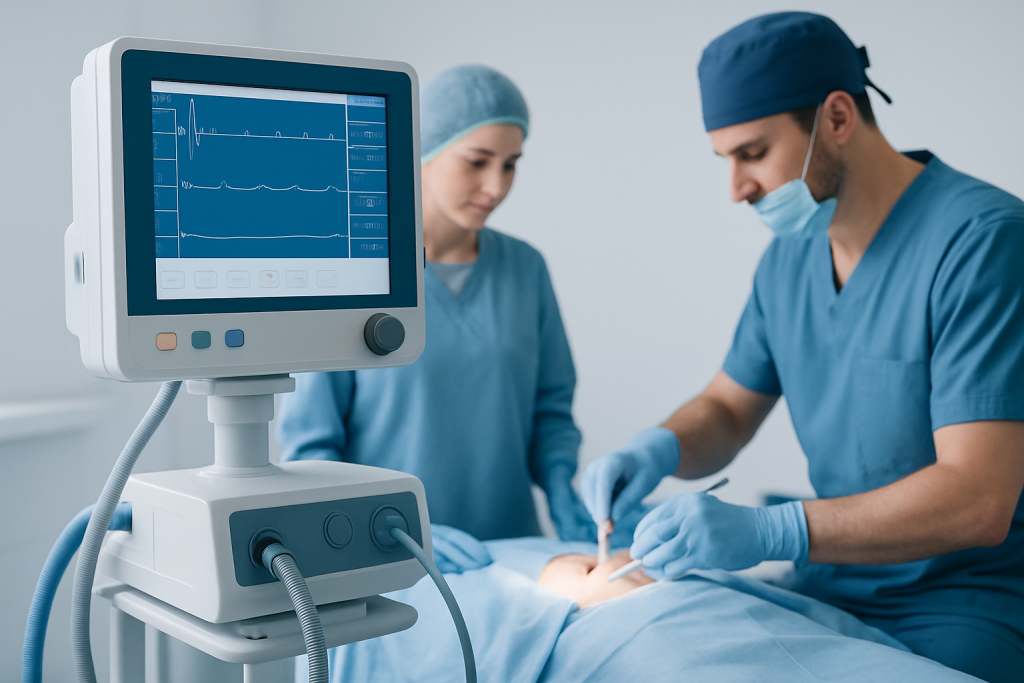
The purpose of a Hirschsprung pull-through procedure is to establish a functioning route for stool by removing the section of bowel without ganglion cells. These nerve cells normally help the intestinal muscles relax in a coordinated way. Without them, the affected bowel remains tightly contracted and creates a blockage.
The operation aims to relieve obstruction, improve feeding and growth, reduce abdominal distension, and support regular bowel emptying. It is considered definitive treatment for most children with Hirschsprung disease, although bowel habits may take time to settle afterward.
Pathology testing is central to planning surgery. Biopsies help the care team identify where normal nerve cells begin, so the surgeon can connect bowel that is expected to function properly. Families can learn more about the underlying condition through Hirschsprung disease.
Who may be a candidate and how is surgery planned?

Children with confirmed Hirschsprung disease are generally considered for pull-through surgery. Diagnosis usually involves a medical history, physical examination, abdominal imaging when needed, and a rectal biopsy. A biopsy is the test that confirms whether ganglion cells are absent.
Many newborns can have a single-stage pull-through once they are stable and the bowel is adequately prepared. However, a child with severe bowel dilation, poor general health, Hirschsprung-associated enterocolitis, perforation, or a long affected segment may first need an ostomy. This temporary opening diverts stool into a bag and can allow the bowel and child to recover before definitive surgery.
Planning is individualized by pediatric colorectal surgeons, pediatric gastroenterologists, anesthesiologists, radiologists, pathologists, nurses, and dietitians when appropriate. The team reviews bowel anatomy, biopsy findings, nutrition, infections, and any associated health conditions before recommending the safest timing and technique.
What is the most common type of surgery for Hirschsprung's disease?
Pull-through surgery is the most common definitive surgery for Hirschsprung disease. In many centers, a transanal endorectal pull-through, often described as a Soave-type procedure, is frequently used for short-segment disease because it can often be performed through the anus without a large abdominal incision.
In a Soave-type operation, the surgeon removes the inner lining and affected bowel segment while preserving a short outer muscular cuff near the rectum. Healthy bowel is brought down through this cuff and joined near the anus. Depending on anatomy and surgical preference, laparoscopic assistance may be used to inspect the bowel and confirm the correct level for resection.
Other established operations include the Swenson procedure and the Duhamel pull-through procedure. These approaches share the same goal—bringing normally innervated bowel to the anus—but differ in how the rectum and affected bowel are managed. The most suitable method is chosen based on the individual child rather than a single approach being right for everyone.
What is the purpose of the Duhamel pull-through procedure?
The Duhamel pull-through procedure is a surgical technique that bypasses or leaves part of the diseased rectum in place while bringing healthy colon behind it. The surgeon creates a connection between the healthy pulled-through bowel and the remaining rectal segment, forming a shared channel for stool to pass.
Its purpose is the same as other pull-through operations: to bypass the nonfunctioning aganglionic bowel and restore bowel emptying. It may be considered in selected children, including those with certain anatomical features, previous surgery, or longer-segment disease.
One potential concern after a Duhamel procedure is that stool can occasionally collect in the retained rectal pouch or a residual spur. Follow-up evaluates symptoms such as ongoing constipation, difficult evacuation, recurrent abdominal distension, or enterocolitis. If problems occur, treatment may include bowel-management measures, imaging, or a procedure to address the anatomy.
How the procedure is performed and what recovery involves
Before surgery, the child receives anesthesia and may undergo bowel preparation or rectal irrigations, depending on the clinical situation. The surgeon identifies the transition between affected and healthy bowel, often using biopsy results and, in some cases, biopsies checked during the operation. The affected section is removed or bypassed, and healthy bowel is connected close to the anus.
The procedure may be performed entirely through the anus, with laparoscopic assistance, or through an abdominal incision. The approach is selected to achieve a safe, tension-free connection and to preserve as much healthy bowel as possible. If a temporary ostomy was created earlier, a later operation may reconnect the bowel after recovery.
After surgery, hospital staff monitor pain, hydration, feeding, abdominal swelling, wound healing, and the return of bowel movements. Feeding is restarted gradually when the care team feels it is safe. Hospital stay and recovery time vary according to the child’s age, operation type, bowel function, and whether complications occur.
At home, frequent loose stools and skin irritation around the anus are common early in recovery, especially in infants. Families are usually given guidance on gentle cleansing, barrier creams, hydration, feeding, and warning signs. Hirschsprung disease treatment may also include ongoing bowel-management support tailored to the child’s symptoms.
Benefits, risks, and long-term outlook
The main benefit of a pull-through procedure is relief of the obstruction caused by Hirschsprung disease. Many children go on to feed, grow, and pass stool more comfortably after surgery. Improvement may be gradual as the bowel adapts and the child develops bowel-control skills.
All surgery carries risks. Possible short-term complications include bleeding, infection, anesthesia-related problems, leakage or narrowing at the bowel connection, and bowel obstruction. Hirschsprung-associated enterocolitis can occur before or after surgery and needs prompt medical assessment because it can become serious without treatment.
Some children experience longer-term constipation, diarrhea, fecal soiling, urgency, difficulty emptying, or recurrent enterocolitis. These symptoms do not necessarily mean the operation has failed; they can have several causes, including motility differences, a narrowed connection, retained affected bowel, or pelvic-floor coordination difficulties. Follow-up may involve examination, contrast imaging, repeat biopsy, bowel-management programs, dietary advice, medications, or other targeted care.
Evidence-based care should be based on the child’s symptoms, examination, biopsy findings, and appropriate tests—not on unrelated search phrases such as “pull evidence,” “put in order the steps in the process for evidence based practice,” “put in order the steps of the EBP process,” or “evidence based hand and upper extremity protocols PDF.” These terms concern research or other medical fields and do not guide Hirschsprung surgery decisions.
When to seek medical care
Parents or caregivers should seek urgent medical advice if a child with known or suspected Hirschsprung disease develops a swollen abdomen, green vomiting, fever, unusual sleepiness, poor feeding, watery or foul-smelling diarrhea, rectal bleeding, or a sudden change in bowel habits. These symptoms can be signs of bowel obstruction or enterocolitis and should not be managed at home without clinical guidance.
After a pull-through procedure, the surgical team should be contacted for persistent vomiting, increasing abdominal distension, inability to pass stool or gas, fever, wound redness or drainage, signs of dehydration, or worsening pain. Families should also arrange follow-up for ongoing constipation, repeated soiling, poor weight gain, or recurrent abdominal symptoms.
Acibadem International’s multidisciplinary specialists and JCI-accredited hospitals diagnose and treat Hirschsprung disease for international patients, with coordinated pediatric surgical and follow-up care. A qualified pediatric surgeon can explain which technique, timing, and recovery plan best fit the child’s individual needs.
Frequently asked questions
What is the most common treatment for Hirschsprung's disease?
The most common definitive treatment for Hirschsprung disease is pull-through surgery. The operation removes or bypasses the bowel segment without normal nerve cells and connects healthy bowel near the anus. Some children need a temporary ostomy first if they are very unwell or have significant bowel inflammation.
How long does recovery take after a pull-through procedure?
Recovery differs among children and depends on the type of operation, age, bowel function, and whether there were complications. Initial recovery occurs in hospital while feeding and bowel movements are monitored, followed by weeks of healing at home. Bowel habits can continue to evolve over months or longer.
Can Hirschsprung disease return after pull-through surgery?
The missing nerve cells do not return in the healthy bowel used for the connection, so Hirschsprung disease itself does not usually recur in that bowel. However, some children can have ongoing constipation, soiling, obstruction symptoms, or enterocolitis after surgery. These concerns need assessment because several treatable causes are possible.
Will a child have normal bowel movements after a pull-through procedure?
Many children develop satisfactory bowel function, but the pattern may not be immediately regular after surgery. Loose stools, frequent stools, constipation, urgency, or soiling can occur, particularly during the early recovery period and toilet-training years. Regular follow-up helps the care team support bowel management and skin care.
Is the Duhamel procedure better than the Soave procedure?
Neither technique is universally better for every child. Both are established pull-through approaches with the goal of restoring stool passage through healthy bowel. The best option depends on the length of affected bowel, anatomy, previous treatment, surgeon experience, and the child’s overall condition.
What follow-up is needed after Hirschsprung surgery?
Follow-up usually includes monitoring growth, feeding, stool frequency and consistency, continence, constipation, and signs of enterocolitis. The surgical team may adjust dietary, skin-care, bowel-management, or medication plans as needed. Families should keep scheduled appointments even when the child seems well, particularly in the first years after surgery.
References
- National Institute of Diabetes and Digestive and Kidney Diseases
- National Health Service
- American Pediatric Surgical Association
- Merck Manual Consumer Version
This article is for general information only and is not a substitute for professional medical advice. Please consult a qualified doctor about your individual situation.
Persistent digestive symptoms? Get evaluated in Turkey
JCI-accredited · board-certified surgeons · reply within 24h
Add us as a Preferred Source to see more of our trusted health content across Google Search, AI Overviews and Discover.

More from the Health Library


Related Specialists
Prof. Dr. Tülin Sevim
Pulmonology
Prof. Dr. Gündüz Tezeren
Orthopedic Surgery & Traumatology
Assoc. Prof. Dr. Cüneyt Göçmez
Neurosurgery
Assoc. Prof. Dr. Mahmut Subaşı
Thoracic Surgery