Hypopharyx Cancer Treatment Dose Radiation Therapy: How It Works, Results and What to Expect
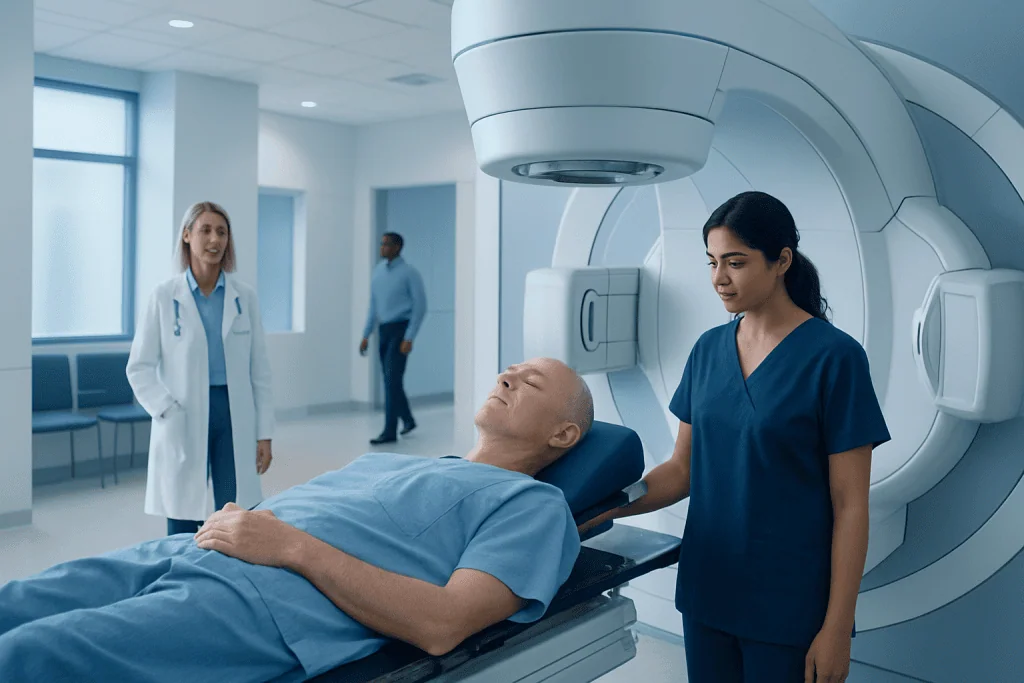
Radiation therapy is a main treatment for hypopharyngeal cancer and may be used alone, with chemotherapy, or after surgery. The prescribed radiation dose and schedule are individualized; definitive treatment commonly takes place over about 6 to 7 weeks.
Key Takeaways
- Radiation therapy is a main treatment for hypopharyngeal cancer and may be used alone, with chemotherapy, or after surgery.
- The prescribed radiation dose and schedule are individualized; definitive treatment commonly takes place over about 6 to 7 weeks.
- Planning scans, a custom immobilization mask, and image guidance help target the tumor while reducing exposure to nearby normal tissues.
- Temporary sore throat, swallowing difficulty, skin irritation, fatigue, and dry mouth are common and should be actively managed.
- Follow-up is important because recovery can continue for months and late effects may affect swallowing, thyroid function, teeth, or neck tissues.
Hypopharyx cancer treatment dose radiation therapy is individualized according to the cancer stage, treatment goal, prior treatment, and whether chemotherapy or surgery is part of care. Modern planning delivers radiation in small daily treatments over several weeks, with close support for swallowing, nutrition, mouth care, and symptom control.
Overview: how radiation therapy treats hypopharynx cancer
Hypopharyx cancer treatment dose radiation therapy refers to carefully planned radiation used to destroy cancer cells in the lower part of the throat, called the hypopharynx. Radiation may be the main treatment for a tumor that has not been removed surgically, may be combined with chemotherapy to improve cancer control in selected cases, or may be given after surgery when there is a meaningful risk that microscopic cancer cells remain.
Most people receive external-beam radiation therapy. A machine outside the body directs high-energy radiation toward the tumor and nearby lymph-node areas at risk. Modern approaches such as intensity-modulated radiation therapy (IMRT) shape and vary the radiation beams to better match the treatment area and reduce radiation reaching structures such as the salivary glands, spinal cord, jaw, and swallowing muscles.
The term “dose” describes the total amount of radiation prescribed, measured in gray (Gy), and how it is divided into daily treatments, called fractions. The oncologist does not use one standard dose for every person. The plan reflects whether treatment is intended to cure a visible cancer, reduce recurrence risk after surgery, or relieve symptoms when cure is not possible.
How dose and treatment planning are individualized
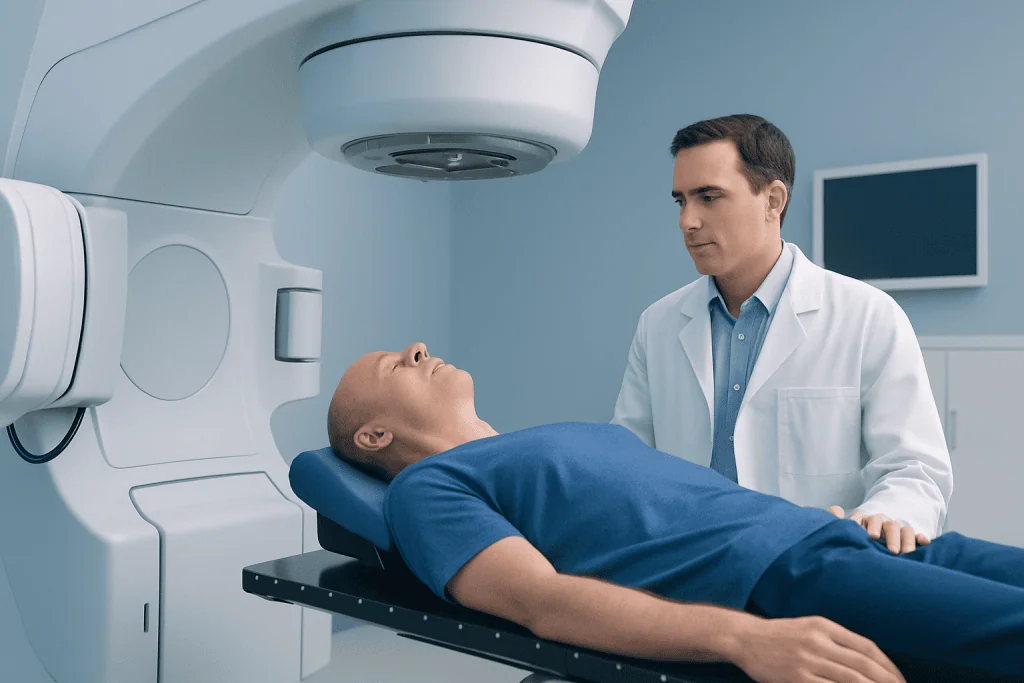
For definitive treatment of visible hypopharyngeal cancer, radiation is commonly delivered once each weekday for approximately 6 to 7 weeks. The total prescribed dose is often in the range used for curative head and neck treatment, while areas at lower risk receive lower planned doses. When radiation is given after surgery, the dose and field depend on pathology findings, including surgical margins, lymph-node involvement, and features that suggest a higher risk of recurrence.
If radiation is being used to ease symptoms such as pain, bleeding, or swallowing obstruction, a shorter course with a different dose schedule may be appropriate. Previous radiation to the head or neck requires particularly careful evaluation because repeat treatment can increase the chance of serious side effects.
Planning begins with a CT simulation scan. The patient usually lies on their back with a custom thermoplastic mask that keeps the head, neck, and shoulders in the same position each day. The radiation oncology team combines scan findings with examination results and, when needed, MRI or PET/CT imaging to outline the tumor, lymph nodes, and nearby organs that need protection.
- Gross tumor volume: the visible tumor and involved lymph nodes.
- Clinical target volume: areas that may contain microscopic cancer cells.
- Organs at risk: nearby healthy structures, including the spinal cord, salivary glands, larynx, jaw, and swallowing-related tissues.
Who may be a candidate for radiation therapy

Radiation therapy is considered for many stages of hypopharyngeal cancer. For some locally advanced cancers, chemoradiation may offer an organ-preserving approach and may avoid immediate removal of the larynx in appropriate patients. In other situations, surgery followed by radiation, with or without chemotherapy, provides the best balance of cancer control and function.
Candidacy is decided by a multidisciplinary head and neck cancer team. This typically includes a radiation oncologist, medical oncologist, head and neck surgeon, radiologist, pathologist, dentist, dietitian, speech and swallowing therapist, and specialist nurses. The team considers tumor size and location, lymph-node involvement, pathology, general health, kidney and hearing function if chemotherapy is being considered, nutritional status, tobacco and alcohol use, and the person’s goals and preferences.
Before treatment, patients usually have a dental assessment because radiation can affect teeth and jawbone health. Swallowing and nutrition evaluations are also valuable, especially if there has already been weight loss, pain on swallowing, coughing with meals, or reduced food intake. Related tumors of the upper airway and swallowing passage may require similar coordinated planning, including laryngeal cancer and other head and neck cancers.
What happens during the procedure
Radiation treatment is painless and does not make a person radioactive. At each visit, the patient is positioned on the treatment table with the custom mask. The therapy team leaves the room to operate the machine but watches and communicates through cameras and an intercom. The machine may rotate around the patient, but it does not touch them.
Image guidance is often performed before treatment to confirm positioning and account for small day-to-day changes. The actual delivery of radiation generally takes only a few minutes, although the full appointment may take longer because of setup and verification. Treatments are usually outpatient appointments Monday through Friday, allowing healthy tissue time to recover between fractions.
Weekly reviews with the radiation oncology team are an important part of care. Symptoms can change during treatment, so clinicians monitor weight, hydration, mouth and throat discomfort, skin changes, swallowing, pain control, and the need for dietary or other supportive measures. If chemotherapy is included, blood tests and medical oncology visits are also scheduled. Patients receiving radiotherapy benefit from understanding that treatment planning is highly personalized and is reviewed throughout the course.
Benefits, side effects, and possible long-term effects
The main potential benefit of radiation therapy is local and regional cancer control. When used with curative intent, it aims to eliminate the tumor and involved lymph nodes. Combined chemoradiation can increase the effect of radiation for some cancers, but it may also increase side effects. The clinical team discusses expected benefits and alternatives based on the individual diagnosis.
Side effects usually build gradually, often becoming more noticeable after the first few weeks. Common short-term effects include tiredness, skin redness or tenderness in the treated area, dry mouth, thick saliva, taste changes, mouth sores, sore throat, hoarseness, pain when swallowing, and reduced appetite. Because swallowing can become difficult, weight loss and dehydration are concerns that should be addressed early.
Some effects can last longer or develop months to years later. These may include persistent dry mouth, dental decay, swallowing stiffness or narrowing, neck tightness, changes in thyroid function, jawbone injury, hearing changes, and less commonly damage to nerves or blood vessels. Not everyone develops these problems, and modern techniques aim to lower risk, but long-term follow-up remains essential.
Prompt supportive care can make treatment more manageable. Pain relief, mouth rinses recommended by the care team, skin-care advice, nutritional support, swallowing exercises, and speech-language therapy may all be used. A feeding tube is considered only when oral nutrition and hydration are not adequate or are expected to become unsafe.
Recovery timeline and self-care during treatment
Many people are able to continue some normal routines during radiation, but energy levels and eating often change as treatment progresses. Throat and mouth symptoms may be at their strongest near the end of the course and can continue for 2 to 3 weeks after the final session before gradually improving. Recovery varies widely according to the treatment field, total dose, use of chemotherapy, baseline health, and nutritional condition.
Hydration and nutrition are central to recovery. Softer, moist, high-protein foods may be easier to tolerate, while spicy, acidic, very hot, rough-textured, and alcoholic items can irritate a sore mouth or throat. A dietitian can tailor suggestions to food preferences, symptoms, and calorie needs. Patients should tell the team early if they are unable to drink enough, are losing weight, or feel dizzy or weak.
Good oral care is also important. The team may recommend a soft toothbrush, fluoride treatment, and regular dental follow-up. Smoking and alcohol can worsen irritation, slow healing, and raise the risk of future cancers, so stopping both is strongly encouraged. Swallowing therapy and prescribed exercises can support function during and after treatment; these should be performed only as advised by the treating professionals.
Acibadem International’s multidisciplinary specialists and JCI-accredited hospitals provide evaluation and treatment planning for international patients with head and neck cancers, including coordinated radiation, medical oncology, surgery, nutrition, and rehabilitation support.
When to seek medical care
A person should seek medical assessment for symptoms that persist for more than a few weeks, particularly a persistent sore throat, pain or difficulty swallowing, a neck lump, unexplained weight loss, voice change, ear pain without an ear infection, or coughing up blood. These symptoms are often caused by conditions other than cancer, but they should not be ignored, especially in people who smoke, use tobacco, or drink alcohol regularly.
During radiation therapy, the care team should be contacted promptly for inability to swallow liquids, signs of dehydration, fever, uncontrolled pain, worsening shortness of breath, bleeding, rapidly increasing swelling, confusion, or marked weakness. Urgent medical help is needed for severe breathing difficulty or heavy bleeding.
After treatment, scheduled follow-up visits help assess treatment response and identify recurrence or late side effects early. Examinations may include a flexible camera examination of the throat and imaging when clinically indicated. Patients should also report new or persistent neck lumps, worsening swallowing, unexplained pain, or unintentional weight loss between planned appointments.
Frequently asked questions
What is the usual radiation dose for hypopharynx cancer?
The dose depends on the treatment purpose and the individual treatment plan. Curative radiation for visible head and neck cancer is often delivered in small weekday fractions over about 6 to 7 weeks, while postoperative and symptom-relieving schedules may differ. A radiation oncologist determines the safest effective dose after reviewing imaging, pathology, and nearby normal tissues.
Is chemotherapy always given with radiation for hypopharyngeal cancer?
No. Chemotherapy may be combined with radiation for selected locally advanced cancers because it can make cancer cells more sensitive to radiation. However, it is not suitable or necessary for everyone, particularly when medical conditions, kidney function, hearing, or overall fitness make the added risks less acceptable.
Does radiation therapy hurt?
The radiation delivery itself is painless, similar to having an imaging scan. Side effects such as sore throat, mouth sores, skin sensitivity, and painful swallowing can develop gradually during treatment. The oncology team can provide treatments and practical support to reduce discomfort.
How long does it take to recover after hypopharynx radiation therapy?
Acute throat, mouth, skin, and fatigue symptoms often peak around the end of treatment or shortly afterward, then improve over several weeks. Swallowing, saliva, taste, and energy may take months to recover, and some changes can be long-lasting. Regular follow-up, nutrition support, and swallowing rehabilitation can help recovery.
Can a person eat normally during radiation to the hypopharynx?
Some people can continue eating by mouth, but foods may need to be adjusted as throat irritation and swallowing difficulty develop. Soft, moist foods and nutritional drinks are often easier to manage, while the care team monitors weight and hydration. A dietitian and swallowing therapist can help maintain safe nutrition whenever possible.
What follow-up is needed after radiation therapy?
Follow-up commonly includes regular head and neck examinations, assessment of swallowing and nutrition, dental care, and evaluation for thyroid or other late effects. Imaging and camera examinations of the throat may be used when appropriate. Follow-up schedules are individualized and are usually more frequent in the first years after treatment.
References
- National Cancer Institute
- American Cancer Society
- National Comprehensive Cancer Network
- American Society for Radiation Oncology
- European Society for Medical Oncology
This article is for general information only and is not a substitute for professional medical advice. Please consult a qualified doctor about your individual situation.
Radiation Therapy in Turkey — costs, top hospitals & a free quote
JCI-accredited · board-certified surgeons · reply within 24h
Add us as a Preferred Source to see more of our trusted health content across Google Search, AI Overviews and Discover.

Radiation Oncology
Precision radiotherapy and radiosurgery using advanced linear accelerators and image-guided techniques.
26 specialists in this unit