Operation Pneumothorax: Procedure, Recovery and Results

Pneumothorax surgery is usually considered for persistent air leaks, recurrent episodes, or certain high-risk cases. Video-assisted thoracoscopic surgery (VATS) is commonly used and generally involves smaller incisions than open surgery.
Key Takeaways
- Pneumothorax surgery is usually considered for persistent air leaks, recurrent episodes, or certain high-risk cases.
- Video-assisted thoracoscopic surgery (VATS) is commonly used and generally involves smaller incisions than open surgery.
- Recovery varies, but many people gradually return to routine activities over several weeks while avoiding strenuous exertion initially.
- Most lungs re-expand and heal well after a pneumothorax, although follow-up is important because recurrence can occur.
- New chest pain, worsening breathlessness or fainting after treatment requires urgent medical assessment.
Operation pneumothorax refers to procedures used to treat a collapsed lung when air does not stop leaking, the lung does not fully re-expand, or pneumothorax keeps returning. Treatment may involve a chest tube, minimally invasive surgery and pleurodesis, depending on the cause, severity and individual risk of recurrence.
Overview: What Is an Operation for Pneumothorax?
An operation pneumothorax is a procedure used to manage a collapsed lung, also called pneumothorax. A pneumothorax occurs when air enters the space between the lung and chest wall, preventing part or all of the lung from expanding normally. Small, stable cases may resolve with observation or oxygen support, while larger or symptomatic cases often need removal of the trapped air with a chest tube.
Surgery is not necessary for every pneumothorax. It is most often discussed when there is an ongoing air leak, the lung does not remain expanded after drainage, pneumothorax returns, or a person has work or travel circumstances in which recurrence could pose particular risks. The goals are to repair or remove the source of the leak where possible and to reduce the chance of another collapse.
The planned approach is individualized by a respiratory physician and thoracic surgeon. The underlying cause matters: a primary spontaneous pneumothorax can occur without known lung disease, whereas a secondary pneumothorax may be related to conditions such as chronic obstructive pulmonary disease, infection, injury or other lung disorders.
How Pneumothorax Surgery Works and Who May Need It
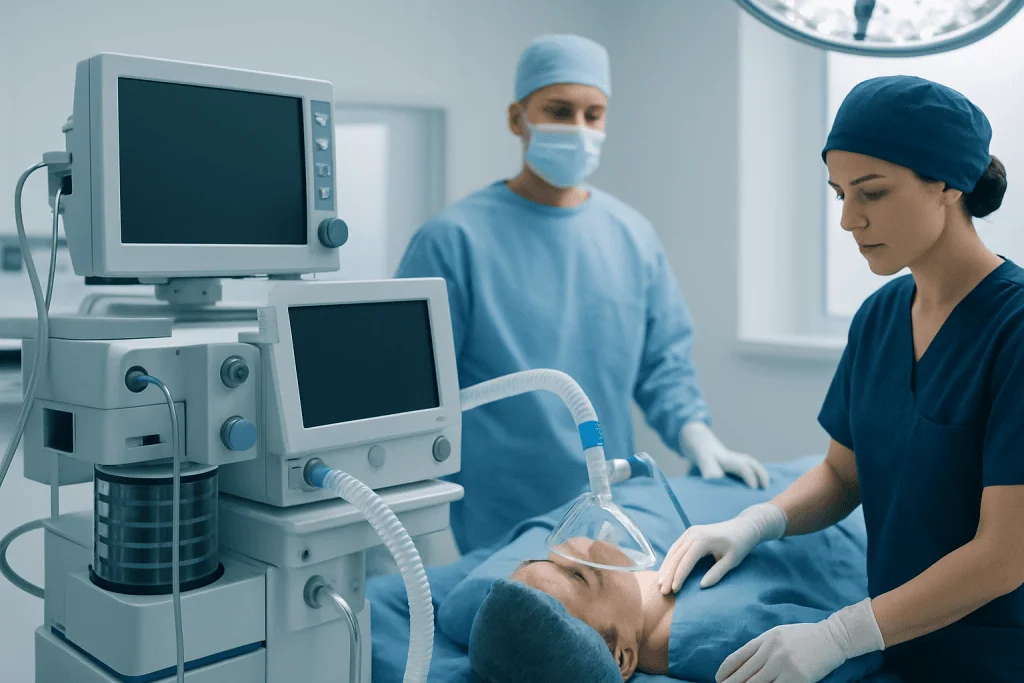
Many pneumothorax operations use video-assisted thoracoscopic surgery, commonly called VATS. Under general anaesthesia, the surgeon places a small camera and instruments through several small chest incisions. This allows direct inspection of the lung and pleural space, the thin space surrounding the lungs.
If small surface air blisters, called blebs or bullae, are found, they may be removed or sealed. The surgeon may also perform pleurodesis, which encourages the lung lining and chest-wall lining to adhere together. This reduces the space where air can collect again. Pleurodesis can be performed mechanically during surgery or, in selected circumstances, by using an agent through a chest drain.
Candidacy is based on imaging findings, symptoms, overall health and the clinical pattern. Surgery may be considered after recurrent pneumothorax on the same side, a persistent air leak, pneumothorax on both sides, a high-risk occupation, or a collapse associated with significant underlying lung disease. A surgical discussion weighs the likely benefit of recurrence prevention against anaesthetic and procedure-related risks.
- Chest X-ray and sometimes CT imaging help confirm the diagnosis and guide planning.
- Blood tests, heart assessment and lung-function testing may be needed before elective surgery.
- Smoking cessation is strongly encouraged, as smoking increases the risk of pneumothorax and recurrence.
Step by Step: What Happens During the Procedure
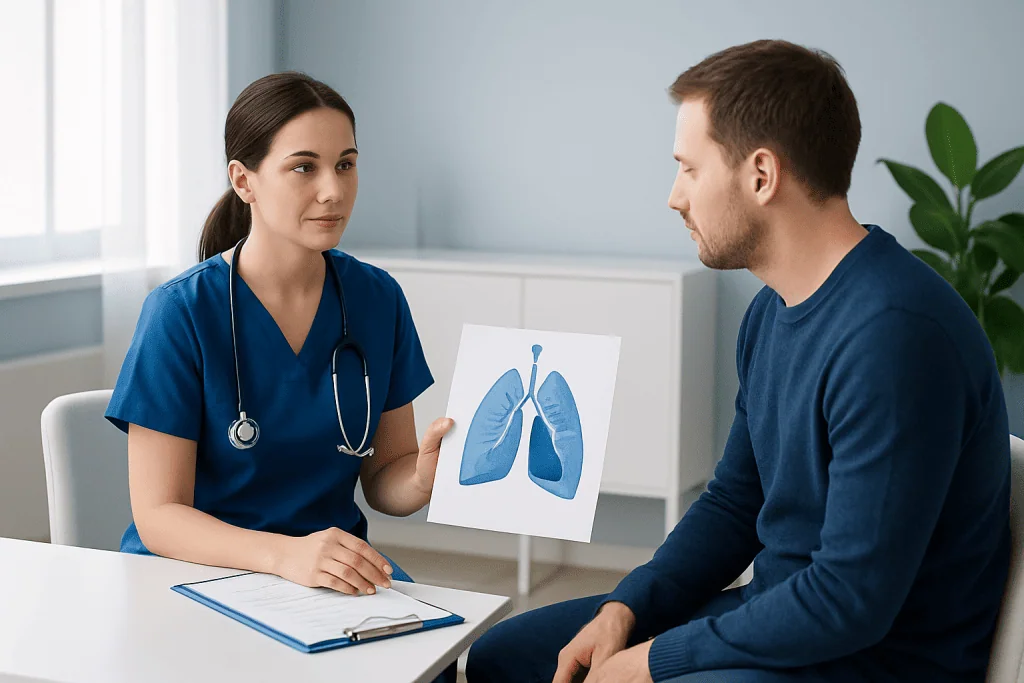
Before surgery, the care team reviews scans, medications, allergies and anaesthesia safety. If a chest tube is already in place, it may remain until the operation or be adjusted as part of the surgical plan. Patients are generally asked not to eat or drink for a specified period before general anaesthesia, following the hospital’s instructions.
During VATS, the surgeon makes small incisions between the ribs, examines the lung, and treats the suspected leak source. Blebs may be removed with a surgical stapling device. Pleurodesis may then be performed to help prevent a future air collection. In more complex situations, or when minimally invasive access is not suitable, an open thoracotomy may be necessary, though this is less common.
At the end of surgery, one or more chest tubes are usually left in place. These drains remove air and fluid while the lung fully re-expands. The patient wakes in a recovery area and is monitored for breathing, pain control and signs that the chest drain is functioning properly. The final approach and expected hospital stay depend on the individual clinical situation.
Recovery Timeline and Aftercare
The pneumothorax recovery period begins in hospital, where chest X-rays are used to check lung expansion and assess for continuing air leakage. Chest tubes are removed once the care team is satisfied that the leak has stopped and the lung remains expanded. Some people go home within a few days after uncomplicated minimally invasive surgery, while others need a longer stay because of persistent leakage, pain control needs or underlying lung disease.
The pneumothorax surgery recovery time varies. During the first one to two weeks, tiredness, incision discomfort and reduced stamina are common. Many people resume light daily activities gradually, but lifting, strenuous exercise and physically demanding work may need to wait for medical clearance. Full recovery may take several weeks, particularly after open surgery or when there are other health conditions.
A practical pneumothorax recovery timeline should be guided by the surgical team rather than by a fixed calendar. Walking and gentle movement are usually encouraged to support circulation and breathing. Deep-breathing exercises, coughing techniques and prescribed pain relief can make it easier to move and clear mucus comfortably.
There is no single required pneumothorax recovery position. Many people find sleeping partly upright, supported by pillows, more comfortable during the first days because it reduces pressure on sore chest muscles and makes getting out of bed easier. The safest position is one that allows comfortable breathing and does not pull on the incisions or chest drain; individual discharge instructions should take priority.
Benefits, Risks and Expected Results
The principal benefit of surgery is a lower likelihood of pneumothorax returning compared with drainage alone in people who have an indication for operative treatment. Surgery can also help resolve a leak that has not healed with chest-tube management and can allow the lung to remain fully expanded. For many patients, minimally invasive techniques offer less tissue disruption and a shorter recovery than traditional open surgery.
Like all chest procedures, pneumothorax surgery has risks. These may include bleeding, infection, pain or numbness around the incisions, air leak that lasts longer than expected, fluid collection, reactions to anaesthesia and, less commonly, injury to nearby structures. There can also be recurrence despite successful treatment. The surgeon discusses the risks most relevant to the patient’s health and proposed procedure.
Results depend partly on why the pneumothorax occurred. People with otherwise healthy lungs often recover well, while those with significant lung disease may need continuing respiratory care. Follow-up appointments and imaging help confirm healing and provide individualized advice about driving, exercise, work, flying and other activities.
What Is the Typical Life Like After Pneumothorax Surgery?
For most people, life after pneumothorax surgery returns gradually to normal routines. Once the lung has healed and the surgeon has cleared activity, people can usually walk, work, exercise and sleep normally. A small scar, temporary numbness or intermittent chest-wall discomfort can remain noticeable for a period, especially with certain movements or changes in weather, but these symptoms commonly improve over time.
Long-term habits can make an important difference. Avoiding smoking and vaping is strongly advised because they can damage lung tissue and increase recurrence risk. People should also keep follow-up appointments and discuss any planned high-altitude travel, scuba diving or physically demanding work with their specialist. Scuba diving is often restricted after spontaneous pneumothorax unless a specialist confirms an appropriate surgical result and safety assessment.
Emotional recovery also matters. A sudden episode of breathlessness or chest pain can leave a person worried about recurrence. Clear guidance about symptoms to watch for, gradual return to activity and access to the care team can help restore confidence. Persistent anxiety, sleep problems or fear of activity can be discussed with a doctor.
How Long Does It Take to Recover From Pneumothorax Surgery?
Recovery after pneumothorax surgery is individual, but the first phase usually involves several days of hospital monitoring and chest-drain management. After discharge, many people need a few weeks to rebuild energy and return comfortably to usual activities. Recovery may take longer after an open operation, a prolonged air leak, complications or treatment for an underlying lung condition.
Incision pain should steadily improve, rather than become more severe. The surgical team may recommend a gradual walking plan, breathing exercises and limits on lifting until the chest wall has had time to heal. Return to office-based work may be earlier than return to manual work, but timing should be confirmed with the surgeon.
Flying should not be resumed until a clinician confirms that the pneumothorax has resolved on imaging and it is safe to travel. This is important because changes in cabin pressure can affect trapped air. Anyone considering travel soon after treatment should discuss plans with their medical team before booking.
How Serious Is Pneumothorax Surgery, and When Should Medical Care Be Sought?
Pneumothorax surgery is a significant procedure because it involves the chest and general anaesthesia, but it is a well-established treatment performed by thoracic surgery teams when the expected benefits outweigh the risks. Minimally invasive VATS has made treatment less invasive for many people. The seriousness for an individual depends on the size and cause of the pneumothorax, lung health, urgency of treatment and whether complications are present.
Immediate medical care is needed for sudden chest pain, new or worsening shortness of breath, bluish lips or face, fainting, confusion, or rapidly worsening symptoms. These signs may indicate a pneumothorax or another urgent condition and should not be managed at home. After surgery, fever, increasing redness or drainage from wounds, worsening pain, breathlessness or a feeling of chest tightness should be reported promptly to the treating team.
Acibadem International’s multidisciplinary respiratory, radiology, anaesthesia and thoracic surgery specialists assess and treat pneumothorax for international patients in JCI-accredited hospitals. Care plans should always be based on a qualified clinician’s evaluation, imaging and individual health needs.
Do Lungs Heal After a Pneumothorax?
Yes, lungs often re-expand and heal after a pneumothorax, particularly when it is treated promptly and there is no major underlying lung damage. The body can absorb small amounts of air in the pleural space, while a chest tube or operation can remove larger amounts of air and support full re-expansion. Healing is confirmed through symptoms, clinical examination and follow-up imaging.
Healing does not always mean that recurrence is impossible. Some people are more likely to have another pneumothorax because of smoking, lung disease, inherited connective-tissue conditions, prior episodes or structural changes such as blebs. This is why clinicians may recommend surgery after selected episodes and why follow-up advice is important.
People with ongoing cough, breathlessness, chest pain or a change in exercise tolerance after treatment should contact their doctor. These symptoms do not necessarily mean another collapse, but timely assessment can identify a recurrence or another treatable cause.
Frequently asked questions
Is a chest tube the same as pneumothorax surgery?
No. A chest tube is a drainage treatment that removes air from the pleural space and helps the lung re-expand. It is often used before surgery or instead of surgery when the air leak stops and the risk of recurrence is lower. Surgery is considered when drainage is not enough or when prevention of recurrence is especially important.
Will pneumothorax surgery leave scars?
VATS usually leaves a few small scars on the side of the chest. Their appearance commonly fades over time, although scar healing differs between individuals. Open surgery generally requires a larger incision and may leave a more noticeable scar.
Can someone exercise after pneumothorax surgery?
Gentle walking is often encouraged during recovery, but strenuous exercise, heavy lifting and contact sports should wait until the surgical team gives clearance. The timing depends on healing, imaging results and the type of operation performed. Returning too quickly can worsen pain and delay recovery.
Can a pneumothorax return after surgery?
Recurrence is possible even after surgery, although surgical treatment is intended to lower that risk. Risk depends on the cause of the original pneumothorax, smoking status and the specific procedure performed. New chest pain or shortness of breath should be assessed urgently.
When can a person fly after a pneumothorax operation?
Flying should be postponed until the lung has fully re-expanded and a clinician confirms it is safe based on follow-up assessment, usually including imaging. The appropriate timing varies between patients and depends on recovery and whether any air remains in the pleural space. A treating doctor can provide advice tailored to travel plans.
Is smoking linked with pneumothorax recurrence?
Yes. Smoking is associated with a higher risk of spontaneous pneumothorax and recurrence. Stopping smoking and avoiding vaping are important parts of long-term lung health and recurrence prevention. A healthcare professional can offer appropriate support for quitting.
References
- American Thoracic Society
- British Thoracic Society
- National Heart, Lung, and Blood Institute
- Merck Manual Consumer Version
This article is for general information only and is not a substitute for professional medical advice. Please consult a qualified doctor about your individual situation.
Pneumothorax in Turkey — costs, top hospitals & a free quote
JCI-accredited · board-certified surgeons · reply within 24h
Add us as a Preferred Source to see more of our trusted health content across Google Search, AI Overviews and Discover.

More from the Health Library



Related Specialists

Prof. Dr. Cengiz Canpolat
Pediatrics
Dr. Nalyan Shener Gulagiz
Emergency Service
Assoc. Prof. Dr. Lütfiye Uygur
Gynecology & Obstetrics
Prof. Dr. Mehmet Akif Özdemir
Pediatrics