Bronchiolitis Therapy: How It Works, Results and What to Expect
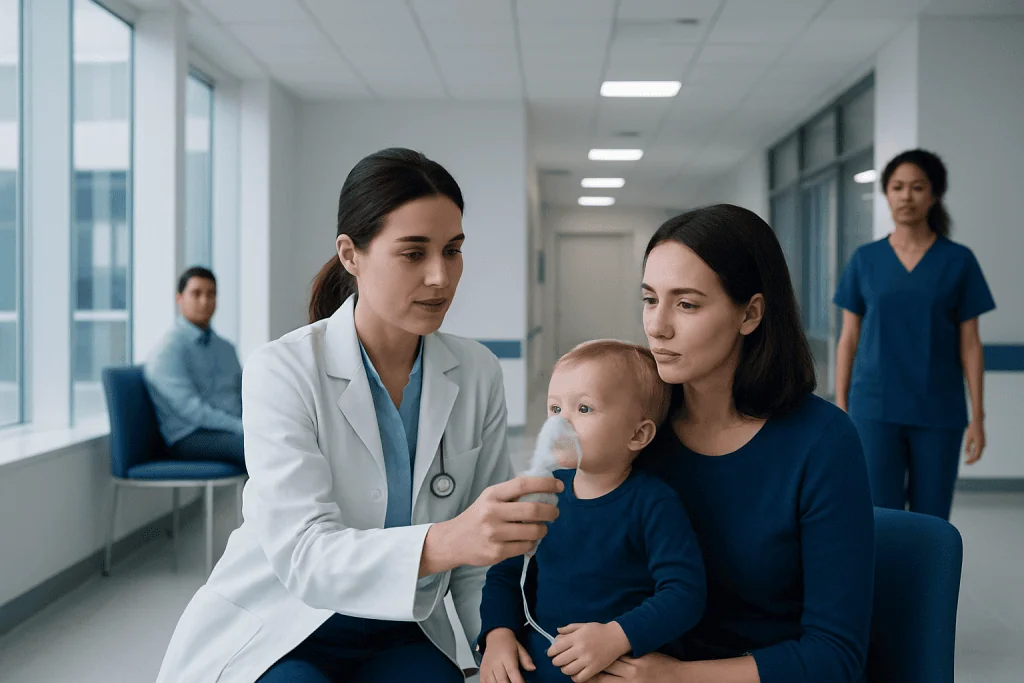
Bronchiolitis is usually caused by a virus and commonly affects babies and children under 2 years. There is no routine medicine that cures bronchiolitis; treatment supports breathing, hydration and comfort.
Key Takeaways
- Bronchiolitis is usually caused by a virus and commonly affects babies and children under 2 years.
- There is no routine medicine that cures bronchiolitis; treatment supports breathing, hydration and comfort.
- Symptoms often peak around days 3 to 5 before gradually improving.
- Antibiotics, cough medicines and routine bronchodilators are generally not helpful unless a clinician identifies another reason to use them.
- Urgent medical assessment is needed for significant breathing effort, poor feeding, dehydration, blue or grey skin color, or unusual sleepiness.
Bronchiolitis therapy is mainly supportive: helping a baby breathe comfortably, drink enough fluids and rest while the viral infection improves. Most children recover at home, but some need medical assessment or hospital care for breathing difficulty, dehydration or low oxygen levels.
Bronchiolitis Therapy: How It Works
Bronchiolitis therapy is supportive care for inflammation and mucus in the smallest airways of the lungs, called bronchioles. It is most common in babies and toddlers, especially during respiratory-virus seasons. Viruses, including respiratory syncytial virus (RSV), are frequent causes, and the illness usually gets better as the child’s immune system clears the infection.
Because bronchiolitis is usually viral, therapy does not normally involve a medicine that directly removes the virus. Instead, care aims to keep the child comfortably hydrated, reduce nasal blockage that interferes with feeding, monitor breathing and provide oxygen or feeding support if illness is more severe.
For most children, home-based supportive care is enough. A clinician may recommend hospital observation or treatment when a child has low oxygen levels, is working hard to breathe, cannot take enough milk or fluids, or has medical factors that increase the risk of complications.
Who May Need Bronchiolitis Treatment
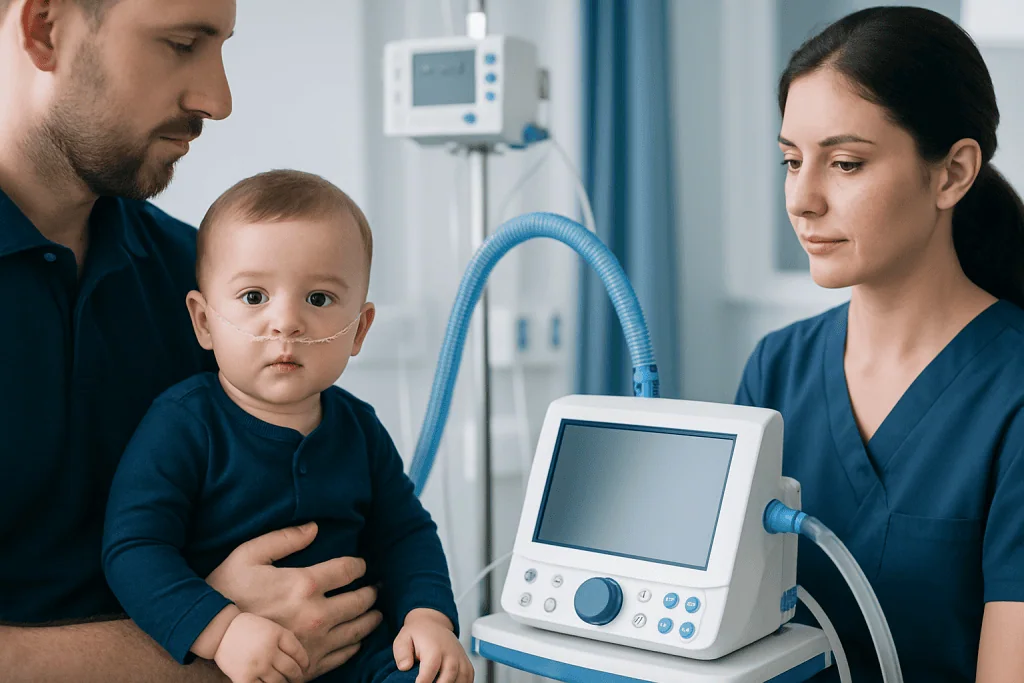
Any infant or young child with suspected bronchiolitis should be assessed by a qualified clinician if symptoms are concerning, particularly during the first illness episode or when the child is very young. Babies under 3 months may become unwell more quickly and may feed less effectively when their noses are blocked or breathing is fast.
Children are more likely to require closer observation if they were born prematurely or have chronic lung disease, congenital heart disease, weakened immunity, neuromuscular conditions, or significant feeding difficulties. These factors do not mean that severe illness will occur, but they can lower a child’s ability to cope with breathing or feeding changes.
A medical team considers the whole clinical picture rather than relying on a single symptom. They assess breathing rate and effort, skin color, alertness, hydration, feeding, urine output and oxygen saturation. Testing is not routinely required in uncomplicated cases, although it may be appropriate when another diagnosis is suspected or a child is admitted to hospital.
What Happens During Bronchiolitis Care

At home, bronchiolitis therapy generally begins with practical measures. Caregivers can offer smaller, more frequent breastfeeds, formula feeds or age-appropriate fluids, while watching for wet diapers or urine output. Saline nose drops or spray and gentle nasal suction before feeds and sleep may help a young child breathe through the nose more easily.
During a clinical assessment, the doctor or pediatric clinician listens to the lungs and looks for signs of respiratory distress. This may include chest retractions, nasal flaring, grunting, pauses in breathing, persistent fast breathing or reduced alertness. A pulse oximeter may be used to check the oxygen level in the blood.
If hospital treatment is needed, care may include supplemental oxygen, regular observation and support with fluids or nutrition. Some children who cannot drink enough may receive fluids through a vein or nutrition through a feeding tube. In more serious cases, specialists may use high-flow nasal oxygen or other forms of respiratory support in an appropriately monitored setting.
Routine chest physiotherapy, antibiotics, steroid medicines, cough and cold products, and bronchodilator inhalers are not usually recommended for uncomplicated bronchiolitis. A clinician may consider treatments differently if the child has another condition, such as asthma-like recurrent wheeze, bacterial infection or another cause of breathing symptoms.
Benefits, Limits and Possible Risks of Therapy
The principal benefit of bronchiolitis therapy is safe support while the infection runs its course. Maintaining hydration, easing nasal congestion and identifying falling oxygen levels can reduce discomfort and help prevent complications related to poor feeding or breathing fatigue. Hospital monitoring can be especially important for children who are very young or medically vulnerable.
Supportive care has limits: it does not make the virus disappear immediately, and coughing may continue after the most difficult part of the illness has passed. Parents and caregivers may find this period worrying, but a gradual improvement in feeding, energy and breathing effort is usually reassuring.
Medical treatments also have potential downsides. Oxygen equipment can be uncomfortable, intravenous lines and feeding tubes can be distressing, and unnecessary medicines can cause side effects without improving bronchiolitis. For this reason, clinicians aim to use the least intensive approach that safely meets the child’s needs.
Acibadem International’s multidisciplinary pediatric specialists and JCI-accredited hospitals can assess and treat bronchiolitis in international patients when hospital-level monitoring or respiratory support is required.
How Long Does It Take to Heal From Bronchiolitis?
Many children begin to improve after the first several days, with breathing and feeding gradually returning toward normal over about 1 to 2 weeks. However, recovery is individual. Very young babies and children with underlying health conditions may take longer and may need a review during recovery.
A cough can last for several weeks after bronchiolitis, even when the child is otherwise well. This does not automatically indicate ongoing infection or a need for antibiotics. What matters most is the overall trend: the child should be breathing more comfortably, feeding better and becoming more alert and active for their age.
Caregivers should contact a clinician if symptoms worsen after initial improvement, fever persists or returns, feeding declines, or breathing becomes more difficult. These changes can sometimes indicate a complication or a different illness that needs assessment.
What Is the Best Treatment for Bronchiolitis?
The best treatment for bronchiolitis is usually supportive care tailored to the child’s symptoms and severity. For mild illness, this means frequent fluids or feeds, gentle nasal saline and suction when needed, rest, and close observation. Fever or discomfort should be discussed with a clinician, who can advise on age-appropriate options.
For children with more significant breathing difficulty, dehydration or low oxygen levels, the best treatment may be hospital-based support. This can include oxygen, fluid support and frequent reassessment. The goal is not to over-treat, but to give timely help when the body needs assistance during the infection.
Antibiotics do not treat viral bronchiolitis. Parents should also avoid giving over-the-counter cough and cold medicines to babies and young children unless a clinician specifically recommends them, as these products may not help and can be unsafe in young age groups.
What Are the Worst Days of Bronchiolitis?
Bronchiolitis symptoms often become most noticeable around days 3 to 5 after the illness begins. Nasal congestion may start first, followed by cough, faster breathing, wheezing or reduced feeding. This is the period when caregivers should monitor the child particularly carefully for increasing work of breathing or dehydration.
Not every child follows the same pattern. Some improve sooner, while others remain congested and cough for longer. A child who is steadily drinking, producing urine, waking appropriately and breathing without marked effort can often be cared for at home with guidance from a healthcare professional.
A worsening pattern at any time should not be dismissed simply because it is early or late in the illness. The severity of breathing difficulty and the child’s ability to feed and stay hydrated are more important than the exact day of symptoms.
Can I Take My Baby Outside With Bronchiolitis?
In many cases, a baby with mild bronchiolitis can go outside briefly if they are comfortable, appropriately dressed and not struggling to breathe. Fresh air itself does not worsen the viral infection. However, the baby should rest, and outings should be kept simple rather than tiring.
It is sensible to avoid crowded indoor spaces and close contact with people who may be vulnerable to respiratory infections, such as newborns, older adults and people with weakened immune systems. Good hand hygiene and avoiding tobacco smoke or vaping exposure are particularly important, as smoke can irritate already inflamed airways.
A baby who has fever, poor feeding, marked tiredness, significant cough-related distress or breathing difficulty is better kept at home and assessed as needed. If medical care is required, caregivers should seek it promptly rather than waiting to see whether time outdoors helps.
When to Seek Medical Care
Caregivers should seek urgent medical care if a child has trouble breathing, visible pulling in under the ribs or at the neck, grunting, pauses in breathing, blue or grey lips or skin, or is difficult to wake. Urgent assessment is also needed if the child is taking much less than usual, has signs of dehydration such as very few wet diapers, or appears significantly weaker than normal.
A same-day medical review is appropriate for a baby under 3 months with bronchiolitis symptoms, a child with high-risk medical conditions, or any child whose symptoms are worsening. Parents and caregivers know their child best; if the child seems seriously unwell or something feels wrong, it is appropriate to seek professional advice.
To lower the likelihood of severe respiratory infections, families can practice handwashing, avoid smoke exposure, keep sick contacts away from young babies where possible, and follow recommended childhood immunizations. Some infants may also qualify for preventive RSV immunization or antibody protection depending on local guidance and individual risk.
Frequently asked questions
Is bronchiolitis contagious?
Bronchiolitis is commonly caused by contagious respiratory viruses that spread through droplets, hands and contaminated surfaces. Good hand hygiene, cleaning frequently touched items and avoiding close contact with vulnerable people can help reduce spread. Children are often most contagious early in the illness, but viral shedding can continue after symptoms begin improving.
Does bronchiolitis always need hospital treatment?
No. Most children with bronchiolitis recover with supportive care at home. Hospital treatment is considered when breathing is difficult, oxygen is low, feeding is inadequate, dehydration develops, or the child has risk factors for more severe illness.
Can bronchiolitis turn into pneumonia?
Bronchiolitis and pneumonia are different lower respiratory illnesses, although they can cause some similar symptoms. A clinician may consider pneumonia or another condition if a child has a concerning examination, persistent or returning fever, worsening illness, or an unusual recovery pattern. Parents should seek review if their child is deteriorating rather than improving.
Should a baby with bronchiolitis sleep upright?
Babies should be placed on their backs to sleep on a firm, flat sleep surface, following safe sleep guidance. They should not sleep in car seats, swings, pillows or improvised inclined positions because these can be unsafe. Nasal saline and gentle suction before sleep may make some babies more comfortable.
Can nebulizers help bronchiolitis?
Nebulizers and bronchodilator medicines are not routinely helpful for typical bronchiolitis and are therefore not usually recommended. A clinician may use a different approach if they suspect another condition or if a child has an individual clinical reason. Treatment decisions should be made after medical assessment.
When can my baby return to daycare after bronchiolitis?
A baby can usually return when they are feeding adequately, breathing comfortably enough for normal activities and no longer require extra care that daycare cannot provide. Local daycare policies may also apply, especially if the child has fever or is too unwell to participate. A lingering mild cough alone may persist after the child is otherwise recovering.
References
- American Academy of Pediatrics
- Centers for Disease Control and Prevention
- National Institute for Health and Care Excellence
- World Health Organization
- National Health Service
This article is for general information only and is not a substitute for professional medical advice. Please consult a qualified doctor about your individual situation.
Bronchiolitis in Turkey — costs, top hospitals & a free quote
JCI-accredited · board-certified surgeons · reply within 24h
Add us as a Preferred Source to see more of our trusted health content across Google Search, AI Overviews and Discover.