Bronchiolitis Treatment
Bronchiolitis is a common lower respiratory infection in infants and young children, usually caused by viruses. Care focuses on breathing support, hydration, monitoring, and preventing complications.
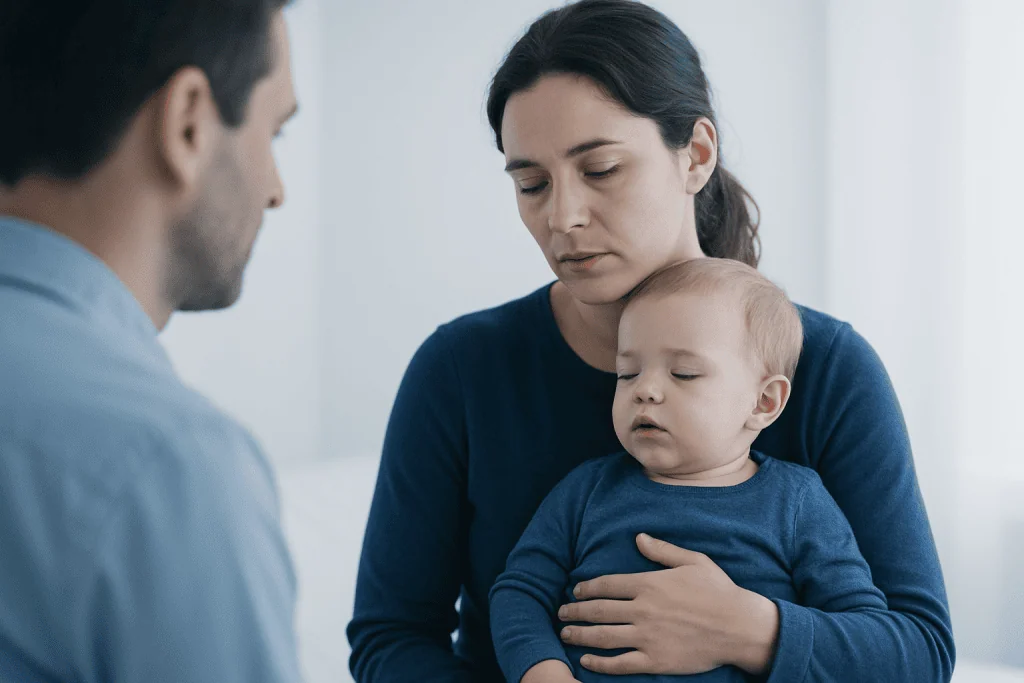
Quick answer
Bronchiolitis is a viral infection of the bronchioles, the smallest airways in the lungs, most common in babies under two. Treatment is supportive: clearing the nose, keeping the child fed and hydrated, and providing oxygen or breathing support in hospital when needed. Antibiotics do not help routine viral bronchiolitis, and most children improve over one to two weeks.
Bronchiolitis: Treating a Common Lower Respiratory Infection in Babies and Young Children
Bronchiolitis is a viral lower respiratory infection that inflames the bronchioles, the smallest airways deep inside the lungs. It mainly affects babies and children under two years of age, and it is one of the most common reasons young children need hospital assessment during the autumn and winter virus seasons. Treatment is supportive: the aim is to keep your child breathing comfortably, fed and hydrated while the immune system clears the virus.
If you are a parent, bronchiolitis often begins in a way that looks entirely ordinary. A baby with what seemed to be a mild cold starts to breathe faster, feed less, cough persistently or make a wheezing sound with each breath. The uncertainty is hard for any parent. Is this normal congestion or something more? Is the oxygen level safe? This page explains what bronchiolitis is, how the illness typically behaves, and how modern paediatric teams treat it, including, plainly, what treatment can and cannot do.
Treatment matters because infants have narrow airways, limited energy reserves and a higher risk of dehydration when feeding becomes difficult. The goal is not simply to quiet a cough. It is to help the child breathe with less effort, maintain safe oxygen levels, stay hydrated and avoid complications while the infection runs its course. Most children come through bronchiolitis well with careful supportive care. A smaller group needs close monitoring, oxygen, fluids or more advanced breathing support in a paediatric hospital setting, and working out which group a child belongs to is precisely what medical assessment is for.
What Is Bronchiolitis?
Bronchiolitis is inflammation of the bronchioles caused, in almost all childhood cases, by a common respiratory virus. When these tiny airways swell and fill with mucus, air has to move through narrowed passages, which produces the wheeze, the crackles and the visible effort of breathing that parents notice. The most frequent cause is respiratory syncytial virus, usually shortened to RSV, but rhinovirus, influenza, parainfluenza, adenovirus, human metapneumovirus and seasonal coronaviruses can all produce the same illness. Because so many viruses can be responsible, care is directed at the child’s condition rather than at the name of the virus.
You may also come across the word bronquiolitis; it is simply the Spanish spelling of the same condition, and families reading in either language are reading about the same illness. Whatever the language, the pattern is consistent: a cold-like beginning, a worsening phase over the first few days, then gradual improvement over one to two weeks.
What does smooth muscle do in bronchioles?
Smooth muscle wraps around the bronchioles in thin rings and adjusts their diameter, tightening to narrow the airway, relaxing to widen it. In asthma, spasm of this muscle is a major cause of airway narrowing, which is why bronchodilator inhalers, which relax smooth muscle, work well for asthma. In infant bronchiolitis, however, the narrowing comes mostly from swelling of the airway lining and plugs of mucus and cellular debris, not from muscle spasm. This anatomical detail explains one of the most counterintuitive facts about the illness: bronchodilators often do little for bronchiolitis, because the muscle they relax is not the main problem. Understanding this spares many children unnecessary nebuliser treatments.
What are the differences between RSV and bronchiolitis?
RSV is a virus; bronchiolitis is an illness. RSV is the single most common cause of bronchiolitis in infants, but it is not the only one, and RSV itself does not always cause bronchiolitis, in older children and healthy adults it usually produces nothing more than a cold. In other words, a baby can have bronchiolitis without RSV, and an adult can have RSV without bronchiolitis. When clinicians test for RSV they are identifying the cause; the diagnosis of bronchiolitis itself is made from the child’s symptoms and examination. The supportive treatment is the same whichever virus turns out to be responsible, which is why testing is used selectively rather than routinely.
Bronchiolitis Symptoms: What to Look For
Bronchiolitis symptoms typically evolve in two stages. The first stage looks like a common cold: a runny nose, mild cough, sneezing, reduced appetite and sometimes fever. Over the next two to three days, as the infection settles into the smaller airways, breathing changes. Parents commonly notice:
- Faster breathingthe breath rate rises noticeably above what is normal for the child.
- Wheezing or noisy breathinga whistling or rattling sound, often clearest when breathing out.
- Chest retractionsthe skin pulling in between or below the ribs with each breath.
- Nasal flaring or gruntingsigns the baby is recruiting extra effort to move air.
- Feeding difficultyshorter, interrupted feeds, because the baby cannot coordinate sucking, swallowing and breathing at the same time.
- Pauses in breathing (apnoea)particularly in very young or premature infants, sometimes before other signs are obvious.
- Unusual sleepiness and fewer wet nappiesmarkers of fatigue and of fluid intake falling behind.
What does bronchiolitis feel like?
For a baby, bronchiolitis feels like hard work. Breathing through swollen, mucus-filled airways takes real physical effort, which is why affected infants tire easily, feed poorly and sleep restlessly. Babies breathe mainly through the nose, so congestion alone can make feeding an exhausting task. Older children who have had a similar small-airway illness describe chest tightness, a rattling or whistling breath, a cough that will not settle, and breathlessness on mild exertion. A baby cannot describe any of this, which is why the visible signs of breathing effort, and changes in feeding and alertness, carry so much weight in assessment.
What are the symptoms of bronchiolitis in adults?
Adult bronchiolitis symptoms are different from the infant illness, and true bronchiolitis in adults is uncommon. The viruses that cause infant bronchiolitis usually cause nothing more than a heavy cold in a healthy adult. When adults do develop genuine inflammation of the bronchioles, it is more often a distinct condition, bronchiolitis obliterans, for example, linked to inhalation of toxic fumes, connective tissue disease, certain infections, or lung and bone marrow transplantation. Typical features include a persistent dry cough, breathlessness that builds gradually over weeks or months, and wheeze that does not respond to standard asthma inhalers. Because these adult conditions behave very differently from viral infant bronchiolitis, they call for specialist respiratory assessment rather than the supportive care described on this page.
Which signs tell clinicians the illness is no longer mild?
Paediatric teams draw a clear line between an uncomfortable baby and a struggling one. The features that mark significant illness, and that change the level of care a child needs, include very fast breathing, a bluish or grey tinge to the lips or face, pauses in breathing, difficulty waking, refusal of feeds, noticeably fewer wet nappies and visible exhaustion. Babies under three months, premature infants and children with chronic heart, lung, immune or neurological conditions are assessed earlier and more cautiously, because they have less physical reserve and can deteriorate with subtler warning than an older, otherwise healthy child.
Is Bronchiolitis Contagious?
Yes, bronchiolitis is contagious, or, more precisely, the viruses that cause it are. They spread through droplets from coughs and sneezes, and they survive on hands, toys and surfaces long enough to pass from child to child. This is why bronchiolitis moves quickly through nurseries and households in winter, and why the same virus can give an older sibling a mild cold while giving the baby a significant chest illness. Careful handwashing, keeping unwell visitors away from young infants, and keeping the child’s environment free of tobacco smoke all reduce the chance of spread within a family.
How long is bronchiolitis contagious?
Searches for ‘bronchiolitis contagious for how long’ rise every winter, and the honest answer is: usually one to two weeks. A child typically begins shedding virus a day or two before symptoms appear and continues while symptoms last. Very young infants and children with weakened immune systems can shed virus for longer, sometimes several weeks, even after they appear better. Because the lingering cough can outlast the contagious period by some distance, the cough alone is not a reliable guide. The early phase, with runny nose and fever, is when a child spreads the most virus, and it is the period when contact with newborns and vulnerable children is best avoided.
Who May Need Bronchiolitis Treatment
Any infant or young child with signs of a chest infection may need evaluation for bronchiolitis, particularly during the autumn and winter viral seasons. The condition is most often seen in babies younger than two years, with the highest risk of serious illness in very young infants, premature babies, and children with underlying heart, lung, immune or neuromuscular conditions. In these groups, an illness that would be trivial in an older child can place real strain on breathing and circulation.
Bronchiolitis often begins like a common cold, then declares itself as the infection moves into the smaller airways. Feeding usually deteriorates before anything else, because the baby is spending energy on breathing. A pattern of shorter feeds, longer pauses, and frustration at the breast or bottle is often the first thing parents report, sometimes before they have consciously registered the faster breathing.
Diagnosis is usually clinical, meaning it is based on the child’s symptoms, physical examination, breathing pattern and oxygen measurement rather than on scans or blood tests. A paediatrician listens to the lungs, observes how hard the child is working to breathe, checks hydration and measures oxygen saturation with a small sensor clipped gently to the hand or foot. In many cases a chest X-ray is not needed, and ordering one routinely can lead to unnecessary antibiotics. Viral testing may be used in selected situations, for infection control on a ward, for admission decisions, or when the diagnosis is uncertain. Blood tests are not routine for every child, but may be recommended if dehydration, bacterial infection or another medical concern is suspected.
Conditions and Indications Bronchiolitis Care Addresses
Bronchiolitis care is designed for infants and young children with viral inflammation of the small airways and the breathing or hydration problems that follow. Medical evaluation and treatment may be recommended for:
- Viral bronchiolitis with increased work of breathing: fast breathing, chest retractions, nasal flaring, grunting or fatigue.
- Low oxygen levels: oxygen saturation below the expected range for the child’s age and clinical condition.
- Poor feeding or dehydration: reduced intake, vomiting triggered by coughing, a dry mouth, lethargy or fewer wet nappies.
- Apnoea or breathing pauses: especially in very young infants or babies born prematurely.
- Bronchiolitis in high-risk children: infants born prematurely, children with congenital heart disease, chronic lung disease, neuromuscular disorders, or a weakened immune system, including children whose immunity is temporarily lowered by treatment such as chemotherapy.
- Unclear diagnosis: when symptoms could overlap with pneumonia, asthma-like wheezing, foreign body aspiration, sepsis or heart disease.
- Need for hospital observation: when symptoms are still evolving and the child may deteriorate during the expected peak of illness.
Because bronchiolitis varies widely from child to child, the level of care is based on clinical severity rather than the name of the virus. Some babies with RSV need only careful home care; others with exactly the same virus need hospital-based respiratory support. Severity, not the laboratory result, drives the plan.
How Bronchiolitis Treatment Is Performed
Bronchiolitis therapy: why supportive care comes first
Bronchiolitis therapy is built around supportive care, because no medicine has been shown to reliably shorten the illness itself. Unlike bacterial pneumonia, bronchiolitis does not improve with antibiotics. Unlike asthma, it does not consistently respond to inhaled bronchodilators, for the smooth-muscle reasons explained above. Modern paediatric protocols therefore concentrate on the things that genuinely change outcomes: careful and repeated assessment, oxygen when it is needed, hydration, gentle airway clearance, and vigilance for signs that breathing support should be stepped up. This is not a lesser form of treatment. Done well, supportive care is exactly what carries a child safely through the peak of the illness while the immune system does the rest.
What is the best treatment for bronchiolitis?
The best treatment for bronchiolitis is well-executed supportive care, matched precisely to the child’s severity. For mild illness, that means nasal saline and suction, smaller and more frequent feeds, and clear guidance at home. For moderate illness, it means supplemental oxygen, feeding support and monitoring in hospital. For severe illness, it means escalating respiratory support, up to intensive care. There is no single drug at the centre of this: the skill lies in judging the right level of support at the right time, and adjusting it as the child changes. Families sometimes find this answer unsatisfying; in practice, it is what the evidence supports.
Initial assessment and preparation
Care begins with a focused paediatric assessment. The team asks about the child’s age, birth history, previous hospital admissions, current medicines, feeding pattern, number of wet nappies, fever, known exposures and the timing of symptoms. Parents are often asked when the breathing changed, whether there have been pauses in breathing, and whether the child has any underlying heart or lung condition.
The physical examination concentrates on breathing effort. Clinicians observe the respiratory rate, chest wall movement, use of neck and abdominal muscles, skin colour, alertness and ability to feed. Oxygen saturation is measured with pulse oximetry; temperature, heart rate and hydration are checked alongside. If a child is in distress, treatment begins immediately while the rest of the evaluation continues. Preparation also includes communication: a clear explanation of what is happening and why matters enormously when parents are anxious, and good teams treat that explanation as part of the treatment itself.
Home care for mild bronchiolitis
When symptoms are mild and oxygen levels, feeding and hydration are reassuring, children can usually be cared for at home with specific instructions. Home care commonly includes keeping the child comfortable, offering smaller and more frequent feeds, using saline drops to loosen nasal mucus, and gently clearing the nose before feeds and sleep. Your paediatrician will advise on fever medicines appropriate to the child’s age; this is a decision for the treating doctor, not for general guidance.
Some things are worth stating plainly. Over-the-counter cough and cold medicines are generally not recommended for infants and young children, because they have not been shown to help and can cause side effects. Honey should never be given to babies under one year of age. Tobacco smoke exposure makes small airways worse and should be avoided entirely. Parents are asked to watch feeding, wet nappies, breathing effort and alertness, the same four markers the hospital team would monitor, because bronchiolitis often worsens for several days before it improves, and a child who was safely mild on day two can look different on day four.
Hospital-based support
If a child needs hospital care, treatment is organised around three questions: is the breathing supported, is the child hydrated, and is anyone watching closely enough to catch a change early? The typical sequence looks like this:
- Step 1: Airway clearance: nasal suctioning removes secretions that make breathing and feeding harder; in small babies this alone can produce visible relief.
- Step 2: Oxygen: if saturation is low or breathing effort is significant, oxygen is given through small nasal prongs or another age-appropriate method.
- Step 3: Hydration and feeding: if the child can drink safely, feeds are offered small and often. If feeding worsens the breathing distress or intake falls short, intravenous fluids or feeding through a thin nasogastric tube are used temporarily, so the child can conserve energy for breathing.
- Step 4: Monitoring: oxygen saturation, respiratory rate, heart rate, temperature and repeated hands-on breathing assessments track whether the child is improving or tiring.
- Step 5: Reassessment: nurses and paediatricians regularly review whether oxygen can be weaned, feeding advanced, and discharge planned.
Hydration deserves emphasis. As with other childhood infections where intake dropssalmonella infection is a familiar example: a large part of recovery is simply keeping fluid intake safe while the illness runs its course. A hydrated baby has the energy to breathe; a dehydrating one tires faster on every front.
Respiratory support when breathing effort increases
Some children need more than standard oxygen. High-flow nasal oxygen delivers warmed, humidified air with oxygen through soft nasal prongs at a controlled flow, keeping the airways comfortable and reducing the physical work of each breath. It is particularly useful for infants who are tiring but do not yet need more invasive support. In more severe cases, non-invasive ventilation may be considered, and rarely a child requires paediatric intensive care with mechanical ventilation. These decisions are made by experienced paediatric teams on the basis of breathing effort, oxygen levels, carbon dioxide levels where measured, alertness and the overall clinical picture, never on a single number in isolation.
Medication decisions
Medication use in bronchiolitis is deliberately selective. Antibiotics are not used for routine viral bronchiolitis; they are reserved for genuine bacterial complications such as bacterial pneumonia, ear infection, sepsis, or urinary infections identified during assessment. Bronchodilators, steroids and nebulised treatments are not recommended as standard for every child. In selected cases, a clinician may run a monitored trial of a medicine if the history or examination suggests an asthma-like component or a different diagnosis, and if there is no meaningful improvement, that medicine is usually stopped rather than continued out of habit. All decisions about starting, adjusting or stopping any medicine belong to the treating doctor who has examined the child.
This restraint is not passivity. It protects children from side effects of treatments that do not work for this illness, while making sure the small number of children who need something more actually receive it.
Typical duration of care and the recovery process
The time needed for bronchiolitis care varies. An emergency department evaluation may last several hours, particularly if the team wants to observe feeding, oxygen levels and breathing effort over time before deciding between home and admission. If hospitalisation is required, many children improve over a few days, although high-risk infants and children with more severe disease may need longer monitoring.
Symptoms often peak around the middle of the first week of illness. Breathing effort and feeding usually improve before the cough resolves, and it is entirely common for cough and mild congestion to continue for two weeks or longer after a child is well enough to go home. Discharge is considered when the child can maintain safe oxygen levels, breathe with acceptable effort, feed adequately, and has caregivers who understand the warning signs and the follow-up plan.
Why Acting Early Matters
Bronchiolitis can change quickly, particularly in young infants. A baby may compensate for breathing difficulty for a period of time and then tire, sometimes over a matter of hours. Early evaluation lets clinicians identify low oxygen, dehydration, apnoea risk, or signs that a different condition is present. It also gives you clear, specific guidance on what to expect over the coming days, which, for most families, is the single most reassuring thing a doctor can provide.
Delayed care raises the risk of dehydration, worsening respiratory distress, exhaustion and more urgent hospital admission. In very young infants, breathing pauses can occur with relatively subtle warning. Children with congenital heart disease, chronic lung disease, immune problems or a history of prematurity have less reserve when oxygen demand rises. Early assessment does not automatically mean admission, in many cases it confirms that home care is safe and equips parents to manage it. The point is to match the level of care to the child’s current condition and risk, then adjust the plan if the illness progresses.
Can you die from bronchiolitis?
Yes, bronchiolitis can be fatal, although death is rare where children have timely access to modern paediatric care. The children at greatest risk are very young infants, premature babies and those with significant heart, lung, immune or neuromuscular conditions: the same groups for whom early assessment is emphasised throughout this page. What makes bronchiolitis dangerous is not usually the virus itself but the combination of small airways, fatigue and dehydration in a baby with little reserve. This is exactly what supportive treatment exists to prevent, and it is why the illness deserves respect without deserving panic.
Benefits of Bronchiolitis Treatment
Appropriate bronchiolitis treatment supports a child through the most difficult phase of the illness while reducing avoidable risks.
| Benefit | What It Means for You |
|---|---|
| Breathing support when needed | Oxygen and respiratory support can help maintain safer oxygen levels and reduce the effort your child uses to breathe. |
| Hydration protection | Careful feeding plans, intravenous fluids or tube feeding can prevent dehydration when a baby cannot drink enough. |
| Close clinical monitoring | Regular assessment helps detect worsening breathing, fatigue, fever patterns or complications early. |
| Avoidance of unnecessary medication | Evidence-based care reduces exposure to antibiotics, steroids or inhaled medicines when they are unlikely to help. |
| Clear discharge guidance | Families leave with practical instructions on feeding, nasal care, warning signs and follow-up needs. |
Recovery Timeline After Bronchiolitis
Every child recovers at their own pace, but most follow a recognisable pattern.
| Time Period | What to Expect |
|---|---|
| Day 1 of assessment or admission | The paediatric team evaluates breathing, oxygen level, hydration and feeding. Treatment may include suctioning, oxygen, fluids and observation. |
| First week of illness | Symptoms may peak during this period. Breathing and feeding are watched closely, especially in young infants and high-risk children. |
| First week after improvement | Energy and feeding usually improve gradually. Mild cough, congestion or disturbed sleep may continue even after discharge. |
| First month | Most children return to their usual activity and feeding. A lingering cough can occur, but it should steadily lessen. |
| Longer term | Some children, especially those who had severe bronchiolitis or who have a family history of asthma, may have recurrent wheezing and should be followed by a paediatrician. |
Factors That Influence Outcomes and a Good Result
Most children with bronchiolitis recover well with appropriate supportive care. A good result means the child maintains safe oxygen levels, feeds adequately, avoids dehydration and comes through without serious complications. Several factors shape how the illness unfolds.
Age matters. Very young infants, especially those under three months, have smaller airways and are more vulnerable to apnoea, feeding difficulty and rapid changes in breathing. Premature babies may have reduced respiratory reserve even when they seem entirely healthy between illnesses.
Underlying health conditions change the risk profile. Children with congenital heart disease, chronic lung disease, immune deficiency, neurological conditions or neuromuscular disorders may need earlier hospital evaluation and longer monitoring. For these children, bronchiolitis is not just a common winter virus; it places genuine stress on breathing and circulation.
The phase of illness matters. A child seen on the first or second day of symptoms may still worsen over the following days, whatever they look like in the consulting room. This is why discharge instructions and follow-up planning are treated as part of treatment, not an afterthought. Decisions rest not only on how the child looks at one moment but on age, risk factors and where the illness sits on its expected curve.
Hydration and feeding are central. Babies breathe mostly through the nose, and congestion makes feeding hard. When intake drops, dehydration follows, and a dehydrating baby tires faster. Protecting fluid intake gives the child the energy to breathe and recover.
Good monitoring improves decisions. Pulse oximetry, repeated examinations and attentive nursing observation help clinicians judge when to increase oxygen, reduce support, advance feeding or prepare for discharge. Technology supports the care, but the child’s appearance, breathing effort and feeding remain the centre of every decision.
Family understanding affects safety after discharge. Parents leave knowing how to clear nasal secretions gently, how to structure feeds, which warning signs matter and what the follow-up plan is. These instructions carry most weight when they are concrete and genuinely understood, which is why good discharge conversations are treated as part of clinical care rather than a formality.
Bronchiolitis Care at Acibadem
When a child becomes seriously unwell, a family needs more than a hospital bed. Acibadem’s approach to bronchiolitis brings together paediatric emergency medicine, paediatric inpatient care, paediatric intensive care where needed, respiratory support, radiology and laboratory services within one organised pathway. Care follows evidence-based paediatric protocols and is adapted to the individual child: age, medical history, oxygen level, feeding ability and family circumstances all shape the plan.
In infants with complex health conditions, care may involve additional specialists, paediatric cardiologists, pulmonologists, infectious disease physicians or intensive care physicians, and multidisciplinary discussion is used when several clinical decisions need coordinating. The tools are the ones described throughout this page: pulse oximetry and paediatric monitoring to track breathing and circulation, selective viral diagnostics and laboratory testing, imaging when pneumonia, foreign body aspiration or another diagnosis needs excluding, and respiratory support that can be stepped up or down as the child changes, from humidified oxygen to higher-level breathing support.
Because no single medicine resolves most cases of bronchiolitis, experienced clinical judgement is the core of the service: recognising when supportive care is enough, when oxygen should start, when feeding is unsafe, and when a child needs intensive care evaluation. Throughout, parents are kept informed and involved, because a family that understands the plan is part of the child’s safety.
What to Hold On To
Bronchiolitis is common, and most children come through it well, but it is never trivial when a baby is working hard to breathe, feeding poorly or unusually tired. The illness typically worsens before it improves, peaks around the middle of the first week, and leaves a cough that outlasts everything else. The right level of care might be careful home management, a period of observation, oxygen and fluids in hospital, or advanced respiratory support; what matters is that the level of care matches the child, at that moment, with a clear plan for what comes next. That match, reassessed as the child changes, is what good bronchiolitis treatment looks like.
Preparation
- A pediatrician evaluates breathing, oxygen level, feeding, hydration, and risk factors such as prematurity or chronic disease. Parents should bring the child’s medication list, vaccination history, and details of fever, cough, wheezing, and feeding changes. Tests such as oxygen saturation measurement or chest imaging are used only when clinically needed.
Aftercare
- Most children recover with fluids, nasal saline, gentle suction, fever control, and close observation at home. Seek urgent care if breathing becomes fast or difficult, lips look blue, feeding drops, or fewer wet diapers occur. Follow-up may be recommended for infants, premature babies, or children with recurrent wheezing.
Frequently Asked Questions
What affects the cost of bronchiolitis care?
The main factors are the child’s severity of illness, observation time, need for admission, oxygen or breathing support, hydration support, diagnostic tests, specialist reviews, and whether ICU-level care is required.
Can I get a quote before travelling for bronchiolitis care?
Yes, a preliminary estimate may be possible after reviewing the child’s medical information. Because bronchiolitis can change quickly, the final cost depends on the clinical assessment and the level of support needed on arrival.
Is it safe to travel internationally with a child who has bronchiolitis?
A child with breathing difficulty, poor feeding, blue lips, pauses in breathing, severe sleepiness, or dehydration needs urgent local medical care. Travel should only be considered when a clinician confirms that it is safe.
What is usually included in a hospital plan for international families?
A plan may include pediatric consultation, nursing assessment, oxygen and hydration planning if needed, diagnostic tests, interpreter support, discharge instructions, and coordination for follow-up. The exact inclusions depend on the child’s condition and hospital pathway.
Does bronchiolitis always require hospital admission?
No. Many children can be managed with supportive care and close observation at home, but admission may be needed if breathing, oxygen levels, feeding, hydration, or underlying risk factors are concerning.
How can I request a personalised estimate?
You can request a free consultation by sharing the child’s age, symptoms, current oxygen or feeding status if known, medical history, recent test results, and any hospital notes. The medical team can then advise on suitability and provide a personalised quote.
Medically reviewed by the Acıbadem International Medical Board August 31, 2026
See our medical review board →
Update history
- PublishedJune 8, 2026
- Medical review approvedAugust 31, 2026
- Last content updateSeptember 8, 2026
References2
- Bronchiolitis nhs.uk
- Bronchiolitis my.clevelandclinic.org
Trusted care for international patients
From the Acibadem Blog

How Long Does Bronchiolitis Last? When Symptoms Usually Peak and Why the Cough Lingers
Bronchiolitis in babies usually lasts about one to two weeks. Symptoms are typically worst between days 3 and 5 of the illness, then ease…