Small Cell Lung Cancer Treatment: How It Works, Results and What to Expect
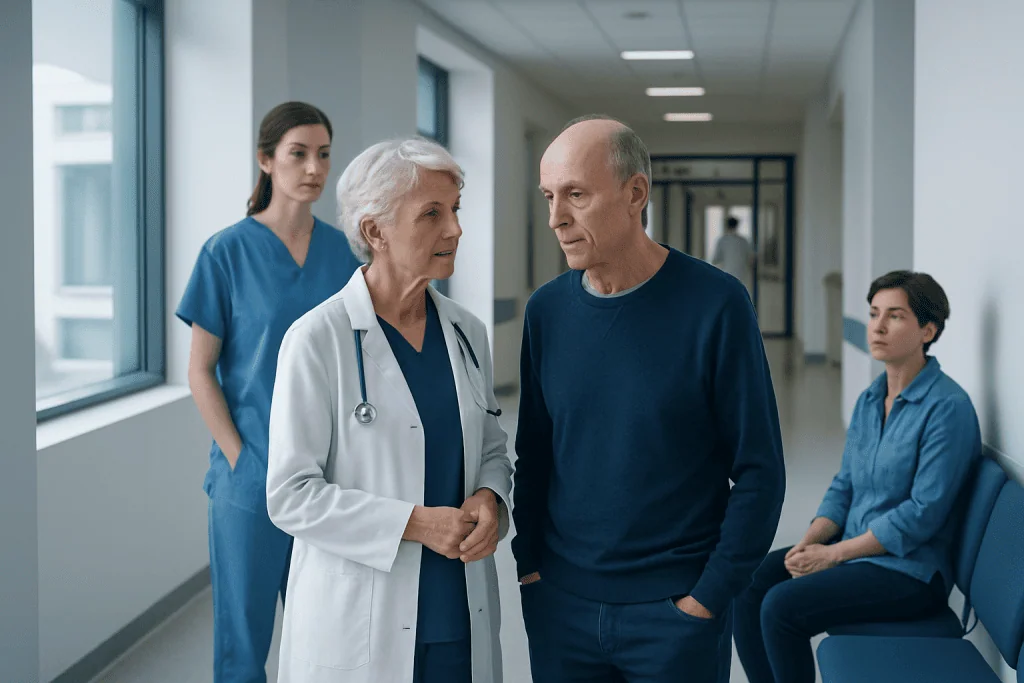
Small cell lung cancer is usually treated promptly because it can grow and spread quickly. Chemotherapy is a central treatment and may be combined with immunotherapy for extensive-stage disease.
Key Takeaways
- Small cell lung cancer is usually treated promptly because it can grow and spread quickly.
- Chemotherapy is a central treatment and may be combined with immunotherapy for extensive-stage disease.
- Radiation therapy can help control cancer in the chest, treat brain metastases and relieve symptoms.
- Treatment response can be meaningful, but follow-up is essential because recurrence is common.
- A multidisciplinary oncology team helps tailor treatment, manage side effects and support daily wellbeing.
Small cell lung cancer treatment is planned according to whether the cancer is limited to one area of the chest or has spread more widely. Most people receive systemic treatment such as chemotherapy, often combined with immunotherapy, while radiation therapy may be used to treat the chest or specific areas of spread.
Overview: how small cell lung cancer treatment works
Small cell lung cancer treatment aims to destroy or control cancer cells throughout the body, reduce symptoms and help people maintain the best possible quality of life. Because this cancer often grows quickly and may spread early, treatment commonly begins soon after staging tests are complete. The main options are chemotherapy, immunotherapy and radiation therapy; surgery is used only in selected, early cases.
Doctors usually describe small cell lung cancer as limited-stage or extensive-stage. Limited-stage disease is contained within one side of the chest and can generally be treated within a radiation field. Extensive-stage disease has spread beyond this area, such as to the other lung, distant lymph nodes, bones, liver, adrenal glands or brain.
Treatment planning involves medical oncology, radiation oncology, pulmonology, radiology, pathology, nursing and supportive-care professionals. The team considers the cancer stage, scan and biopsy findings, overall health, lung function, previous medical conditions and the person’s priorities. Care plans can change over time based on treatment response and side effects.
Who may be a candidate for each treatment approach?
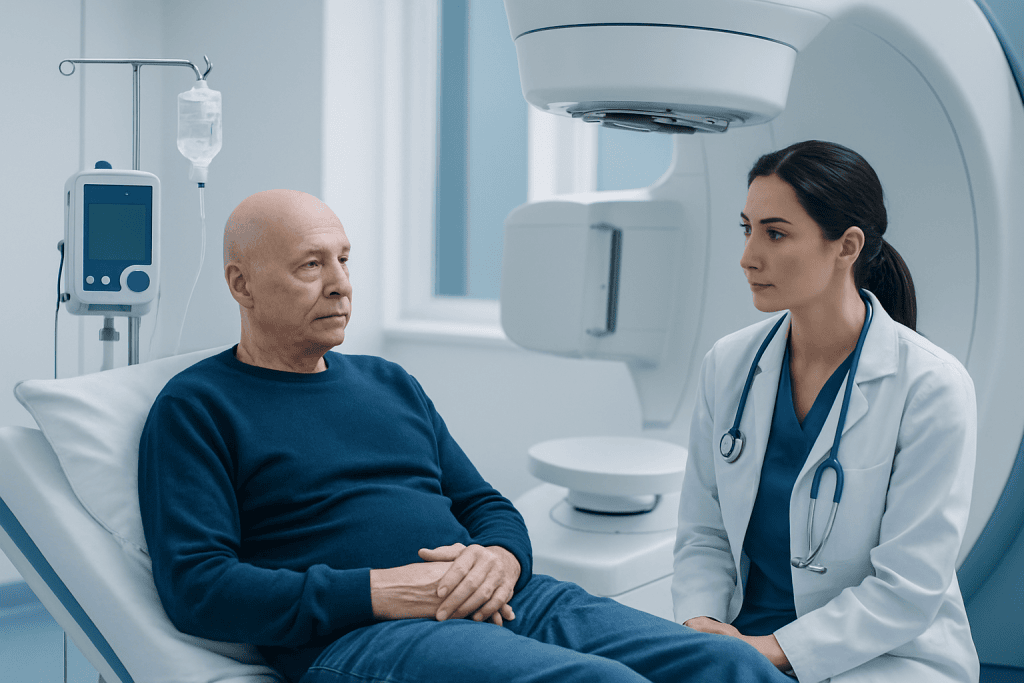
Most people diagnosed with small cell lung cancer are candidates for systemic treatment because chemotherapy travels through the bloodstream and can reach cancer cells beyond the original lung tumor. For limited-stage disease, chemotherapy is commonly given alongside chest radiation therapy, either at the same time or in a carefully planned sequence.
For extensive-stage disease, first-line care often combines chemotherapy with an immunotherapy medicine, when clinically appropriate. Immunotherapy helps the immune system recognize and attack cancer cells, although not every person can safely receive it. Autoimmune illnesses, organ transplants, certain long-term immune-suppressing medicines and significant health concerns may affect whether immunotherapy is suitable.
Surgery is uncommon because small cell lung cancer is rarely found before it has reached lymph nodes or other sites. It may be considered for a small tumor without lymph-node involvement after thorough staging. Even when surgery is performed, chemotherapy is generally recommended afterward, sometimes with radiation depending on the pathology results.
Before treatment, clinicians commonly assess blood counts, kidney and liver function, heart and lung health, nutritional status and daily activity level. These checks help the team select a safe approach and arrange support for concerns such as breathlessness, smoking cessation, weight loss, pain or anxiety.
What happens during treatment: a step-by-step outline
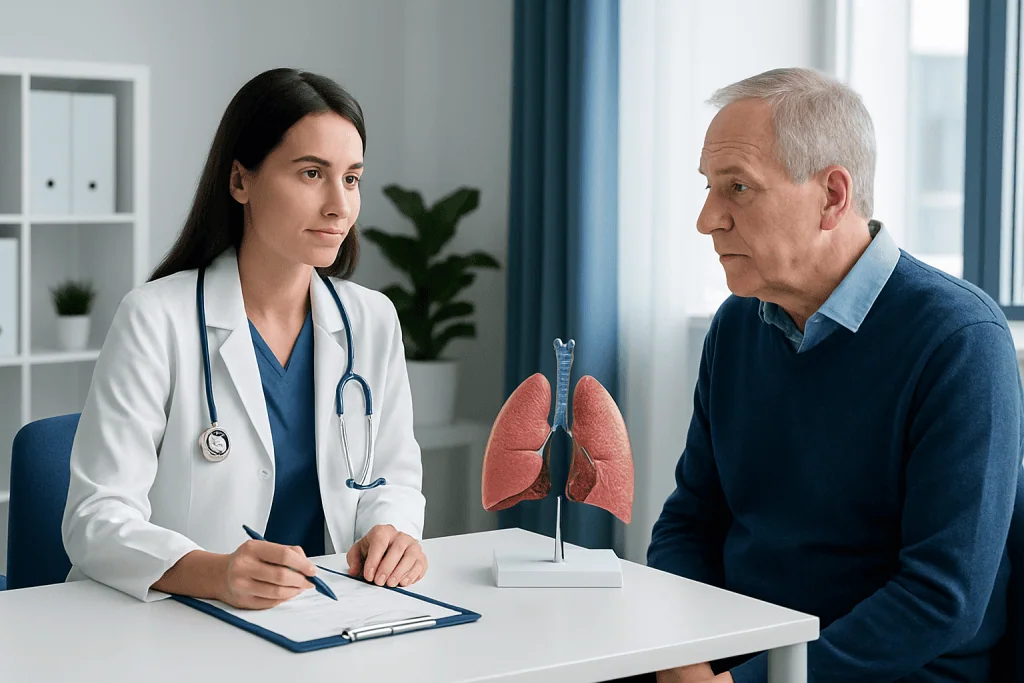
Diagnosis is confirmed with a tissue biopsy, most often obtained through bronchoscopy, a needle procedure or another image-guided technique. Staging usually includes chest and body imaging and brain imaging, because small cell lung cancer can spread to the brain. Additional tests may be recommended to clarify whether a finding is related to cancer.
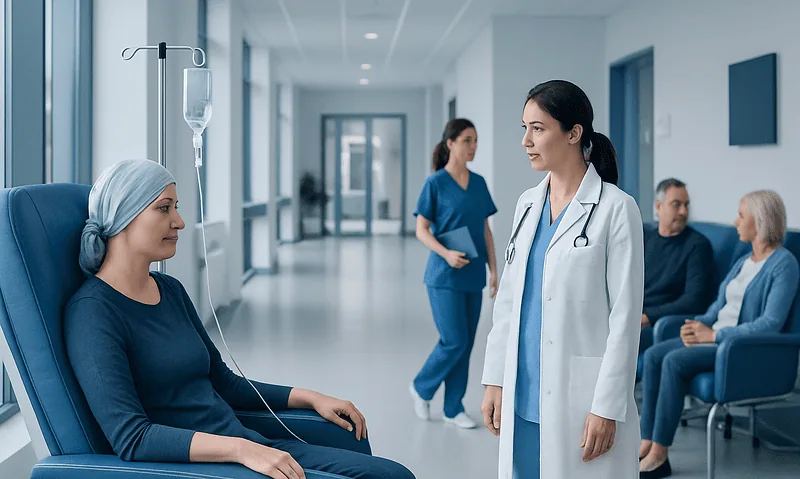
Chemotherapy is typically administered in repeating cycles, often through a vein in an outpatient infusion unit. Each visit may include blood tests, a clinical review and medicines to reduce nausea or allergic reactions. The exact medicines, schedule and number of cycles depend on the stage, response and an individual’s health.
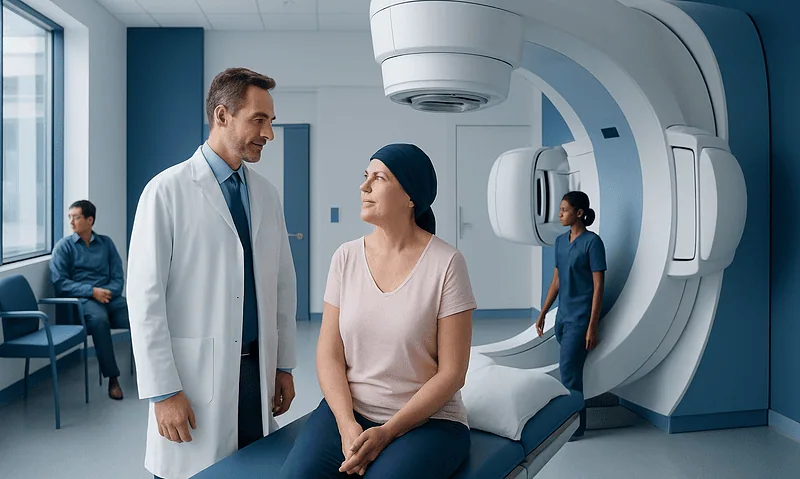
When chest radiation is recommended, a radiation planning appointment is performed first. This includes a simulation scan, positioning and creation of a treatment plan that targets the tumor while limiting exposure to nearby healthy tissue. Radiation is then delivered in short daily sessions on weekdays over a planned period; the treatment itself is painless.
Some people whose cancer responds well may discuss preventive brain radiation, known as prophylactic cranial irradiation, or regular brain MRI surveillance. This decision is individualized because it balances the risk of brain metastases against possible effects on memory, fatigue and daily functioning. For selected patients, lung cancer treatment planning can bring these decisions together in one coordinated pathway.
Benefits, side effects and recovery timeline
Small cell lung cancer often responds well at first to chemotherapy and radiation. Treatment can shrink tumors, improve cough, chest discomfort or breathlessness, and delay cancer progression. However, responses vary, and cancer can return after treatment. Regular scans and appointments allow the team to assess response and discuss the next steps promptly.
Possible chemotherapy effects include tiredness, nausea, appetite changes, hair loss, lowered blood counts and a higher chance of infection. Immunotherapy can cause inflammation affecting organs such as the lungs, bowel, skin, liver or hormone-producing glands. Radiation to the chest can lead to tiredness, skin irritation, swallowing discomfort, cough or temporary worsening of inflammation in the lungs.
Many side effects can be prevented, reduced or treated. Patients should contact their oncology team promptly for fever, chills, new or worsening shortness of breath, severe diarrhea, dehydration, confusion, uncontrolled vomiting or pain. It is important not to wait for the next scheduled appointment if symptoms are significant.
Recovery is gradual rather than identical for everyone. Energy levels may be lower during treatment and for several weeks afterward, while blood counts often recover between cycles or after treatment ends. Follow-up commonly includes symptom reviews, physical examinations and imaging at intervals determined by the oncology team. Rehabilitation, nutrition guidance and emotional support can be useful throughout recovery.
How long do you usually live with small cell lung cancer?
Life expectancy with small cell lung cancer varies widely and cannot be predicted precisely for one person. It is influenced by whether the cancer is limited-stage or extensive-stage, how well it responds to initial treatment, overall health, the locations of any spread and the treatments available if the cancer returns.
In general, limited-stage disease has a more favorable outlook than extensive-stage disease because it may be treated with combined chemotherapy and chest radiation with curative intent. Extensive-stage disease is usually not considered curable with current standard treatments, but treatment can often control the cancer for a period of time and relieve symptoms.
Population survival figures are not personal forecasts. They are based on groups treated in earlier years and may not reflect an individual’s tumor biology, treatment response or current care options. The treating oncologist is best placed to explain prognosis honestly and sensitively as treatment progresses.
How long does it take small cell lung cancer to spread?
Small cell lung cancer is considered an aggressive cancer because its cells can divide and spread relatively quickly. In many people, it has already reached nearby lymph nodes or distant organs by the time it is diagnosed. There is no reliable fixed timeline for how quickly this happens in any individual.
Its growth and spread depend on many factors, including tumor biology and the person’s immune and general health. This is why doctors generally recommend completing staging tests without unnecessary delay and beginning treatment soon after a plan is agreed. Prompt treatment does not mean rushed decisions; patients should have time to understand the recommendations and ask questions.
New symptoms can sometimes indicate disease progression or a treatment side effect, but they do not always mean the cancer has spread. A new headache, weakness, worsening breathlessness, bone pain, jaundice or unexplained weight loss should be reported to the care team so it can be assessed appropriately.
Can you fully recover from small cell lung cancer?
A full recovery is possible for a small proportion of people, particularly when small cell lung cancer is diagnosed at a limited stage and treated successfully with chemotherapy and radiation, or in rare circumstances with surgery as part of a wider treatment plan. Doctors may use the term remission when scans and tests show no detectable cancer after treatment.
Even after a complete response, careful follow-up remains important because small cell lung cancer can recur. Follow-up care also addresses long-term effects of treatment, general lung health, smoking cessation and emotional wellbeing. Avoiding tobacco is beneficial at every stage and may reduce the risk of further lung damage and new tobacco-related cancers.
For extensive-stage disease, treatment is usually focused on long-term control, symptom relief and preserving quality of life rather than cure. Supportive or palliative care can be provided alongside anticancer treatment from diagnosis; it helps manage symptoms and practical or emotional concerns and does not mean treatment is being stopped.
How successful is treatment for small cell lung cancer?
Treatment success is measured in several ways: tumor shrinkage, symptom improvement, time before the cancer grows again, ability to complete treatment safely and overall survival. Many small cell lung cancers shrink substantially with initial therapy. The likelihood and duration of benefit differ between individuals and are generally greater in limited-stage than extensive-stage disease.
Combined chemotherapy and radiation offers the strongest chance of long-term disease control for eligible people with limited-stage cancer. For extensive-stage disease, chemotherapy combined with immunotherapy has improved outcomes for some patients compared with chemotherapy alone, although the cancer commonly progresses again over time.
If cancer returns, further treatment may still be possible. Choices can include another chemotherapy medicine, radiation to a troubling tumor site, selected clinical trials and symptom-directed treatments. The oncology team considers how long the cancer was controlled after first treatment, prior side effects, current health and the patient’s goals when discussing these options.
Acibadem International’s multidisciplinary specialists in JCI-accredited hospitals diagnose and treat small cell lung cancer for international patients, coordinating oncology, radiation and supportive care when needed.
When to seek medical care
A persistent or changing cough, coughing up blood, unexplained breathlessness, chest pain, repeated chest infections, unusual tiredness or unintentional weight loss should be assessed by a qualified clinician. These symptoms are common and can have causes other than cancer, but timely evaluation is important, particularly for people who smoke or have smoked in the past.
Anyone receiving treatment should seek urgent medical advice for a fever or signs of infection, sudden chest pain, severe breathlessness, coughing up more than a small amount of blood, new confusion, seizure, severe headache, new weakness or inability to keep fluids down. The oncology team will provide specific contact instructions for treatment-related concerns.
Patients can prepare for appointments by bringing a medication list, prior scan reports, biopsy results and questions about the purpose of each treatment, expected side effects and follow-up plan. A trusted family member or friend can also help take notes and provide support during consultations.
Frequently asked questions
What is the first treatment for small cell lung cancer?
First treatment depends mainly on the cancer stage. Limited-stage disease is commonly treated with chemotherapy and chest radiation, while extensive-stage disease is often treated with chemotherapy combined with immunotherapy when appropriate. A small number of people with very early disease may be considered for surgery followed by chemotherapy.
Is radiation therapy always needed for small cell lung cancer?
Radiation therapy is not required for every person, but it has an important role in many treatment plans. It is commonly used with chemotherapy for limited-stage disease and may also treat cancer that has spread to the brain, bones or other areas causing symptoms. The decision depends on the stage, previous treatment, overall health and treatment goals.
Can small cell lung cancer treatment cause hair loss?
Some chemotherapy medicines used for small cell lung cancer can cause hair loss or thinning. Hair usually begins to grow back after chemotherapy ends, although its texture or color may temporarily differ. The oncology team can explain which effects are expected with the recommended regimen.
What should a person eat during small cell lung cancer treatment?
There is no single diet that treats small cell lung cancer, but maintaining enough calories, protein and fluids can support strength and recovery. Small, frequent meals may be easier during nausea, fatigue or swallowing discomfort. A dietitian can provide individualized advice, particularly when there is weight loss or difficulty eating.
Can small cell lung cancer come back after remission?
Yes. Small cell lung cancer can recur even after an excellent initial response, which is why scheduled follow-up is important. If it returns, the oncology team may discuss additional systemic treatment, targeted radiation for selected areas, clinical trials or supportive treatments based on the individual situation.
Should a person stop smoking after a small cell lung cancer diagnosis?
Yes. Stopping smoking can support breathing, healing and tolerance of cancer treatment, and it reduces further tobacco-related health risks. Nicotine replacement, prescription medicines and structured counseling can make quitting more achievable, and the care team can help arrange support.
References
- National Cancer Institute
- American Cancer Society
- European Society for Medical Oncology
- National Comprehensive Cancer Network
- World Health Organization
This article is for general information only and is not a substitute for professional medical advice. Please consult a qualified doctor about your individual situation.
Lung Cancer in Turkey — costs, top hospitals & a free quote
JCI-accredited · board-certified surgeons · reply within 24h
Add us as a Preferred Source to see more of our trusted health content across Google Search, AI Overviews and Discover.