Small Cell Chemotherapy: How It Works, Results and What to Expect
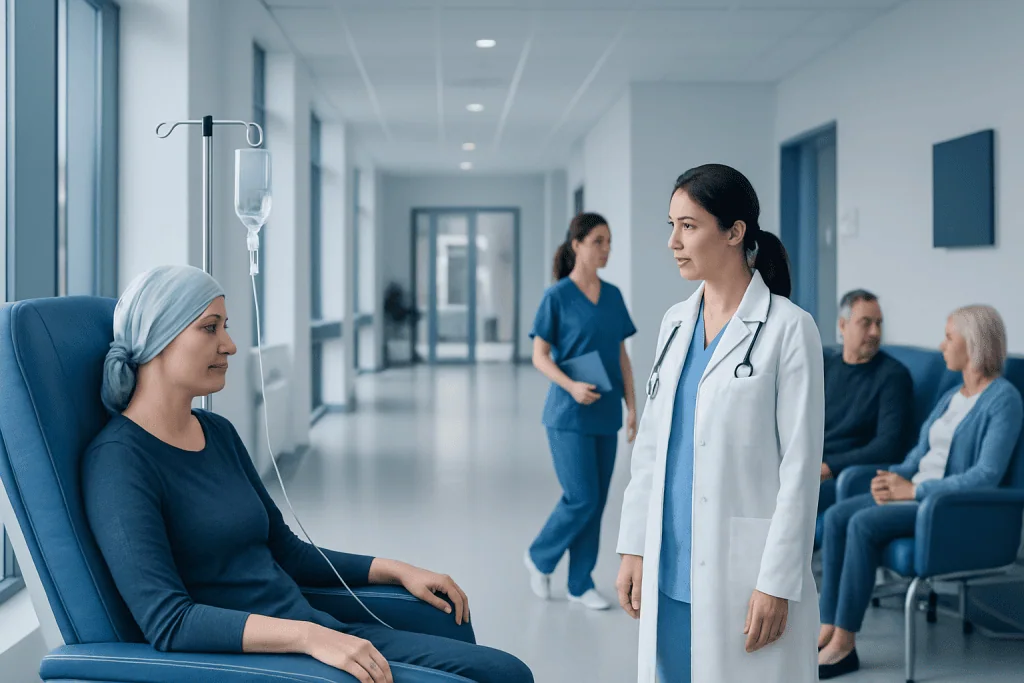
Chemotherapy is a central treatment for both limited-stage and extensive-stage small cell lung cancer. Many people receive four cycles of chemotherapy, although the plan is individualized by the oncology team.
Key Takeaways
- Chemotherapy is a central treatment for both limited-stage and extensive-stage small cell lung cancer.
- Many people receive four cycles of chemotherapy, although the plan is individualized by the oncology team.
- For extensive-stage disease, chemotherapy is commonly combined with an immunotherapy medicine.
- Treatment can reduce symptoms and control cancer, but outcomes vary greatly with stage, response, health, and other factors.
- Supportive care, blood tests, symptom monitoring, and prompt reporting of side effects help make treatment safer.
Small cell chemotherapy is a systemic cancer treatment that uses medicines to destroy or slow the growth of small cell lung cancer cells throughout the body. It is usually given in repeating cycles and may be combined with immunotherapy, radiation therapy, or, less commonly, surgery depending on the stage and a person’s overall health.
Overview: what small cell chemotherapy does
Small cell chemotherapy treats small cell lung cancer (SCLC) with anti-cancer medicines that circulate through the bloodstream. Because SCLC can grow and spread quickly, chemotherapy is often used even when scans show disease outside the lung. It can shrink tumors, relieve cancer-related symptoms, and help control disease for a period of time.
Most treatment plans use a platinum-based chemotherapy medicine, such as cisplatin or carboplatin, together with etoposide. In extensive-stage SCLC, an immunotherapy medicine is often given alongside the first chemotherapy cycles and may then continue as maintenance treatment if it remains appropriate. The exact combination depends on the cancer stage, previous treatments, kidney function, hearing, nerve symptoms, and a person’s general health.
Small cell lung cancer is different from non-small cell lung cancer in its biology and usual treatment approach. A specialist team uses imaging, pathology findings, and an individual discussion of goals to create a plan for small cell lung cancer.
How small cell chemotherapy works
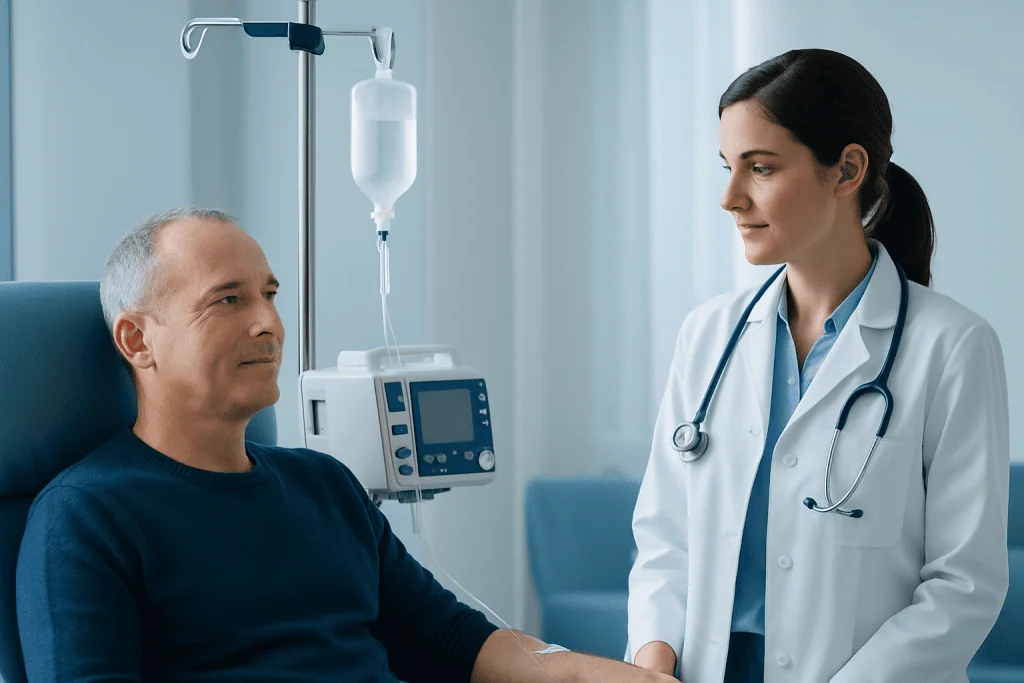
Chemotherapy medicines target cells that are dividing rapidly. Cancer cells often divide more quickly than many healthy cells, so chemotherapy can damage their ability to grow and reproduce. However, some normal tissues also divide quickly, including cells in the bone marrow, hair follicles, and lining of the digestive tract. This explains why side effects such as low blood counts, hair loss, nausea, and mouth soreness can occur.
Chemotherapy is called systemic treatment because it can reach cancer cells beyond the original lung tumor. This is particularly valuable in SCLC, which may have microscopic spread that cannot be seen on scans. Chemotherapy is not the same as radiation therapy: radiation treats a specific area, whereas chemotherapy works throughout the body.
When immunotherapy is included, it works differently from chemotherapy. Immunotherapy helps the immune system recognize and respond to cancer cells. For suitable people with extensive-stage disease, combining these approaches can improve disease control compared with chemotherapy alone, though it also requires monitoring for immune-related side effects.
Who may be offered chemotherapy
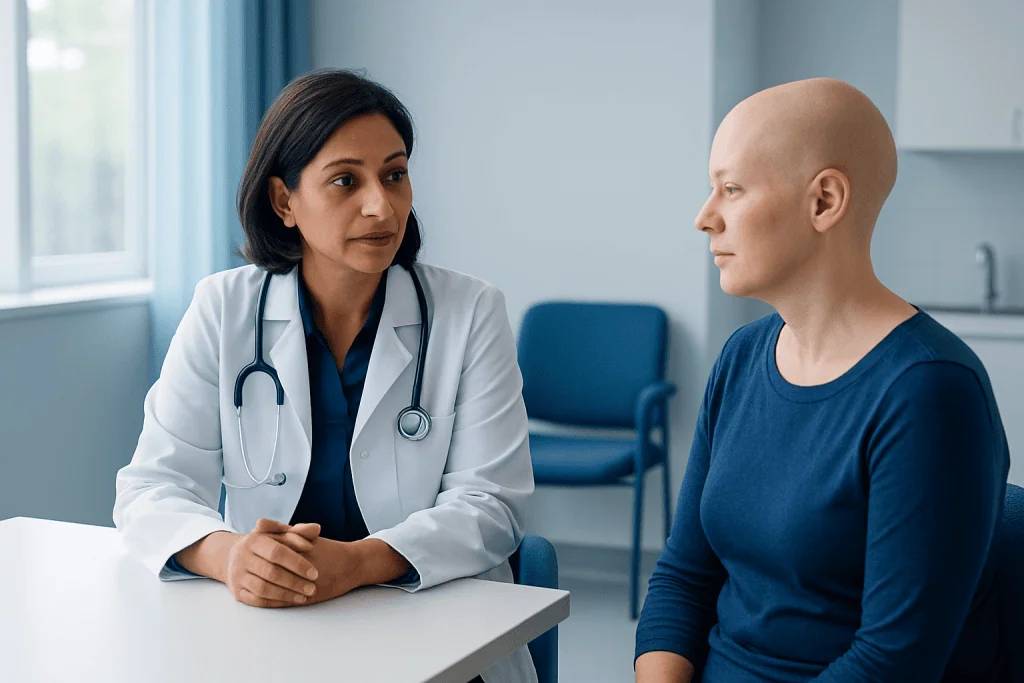
Most people diagnosed with SCLC are assessed for chemotherapy because the disease is usually sensitive to initial treatment. In limited-stage SCLC, chemotherapy is commonly given at the same time as chest radiation therapy when a person is fit enough. This combined approach aims to treat the lung tumor and nearby lymph nodes while also addressing cancer cells elsewhere in the body.
In extensive-stage SCLC, chemotherapy is often the main initial treatment and is frequently paired with immunotherapy. Radiation may still be considered for selected situations, such as symptom relief, treatment of brain metastases, or remaining disease after systemic treatment. Surgery is uncommon and is generally reserved for a very small group with early, localized disease after careful staging.
Before recommending treatment, the oncology team considers the cancer stage, symptoms, scan results, pathology report, heart, kidney and liver function, other medical conditions, daily functioning, and personal priorities. People who are frail or have significant health concerns may benefit from an adjusted regimen, symptom-focused care, or both. Supportive and palliative care can be provided alongside cancer treatment at any stage.
What happens during a chemotherapy cycle
Before treatment begins, the team usually confirms the diagnosis and stage with scans and tissue testing, reviews medicines and allergies, and performs blood tests. Some people need a central venous access device if repeated intravenous treatment is expected, although this is not necessary for everyone. The team also discusses fertility, nutrition, smoking cessation, vaccines, infection prevention, and practical support.
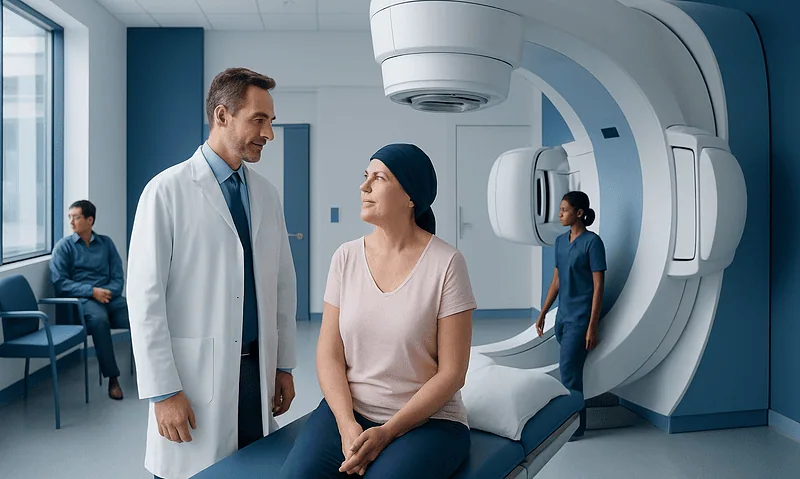
Chemotherapy is commonly delivered through a vein in an outpatient infusion unit. A cycle often includes treatment on one or more consecutive days followed by a rest period to allow the body to recover. Anti-sickness medicines and, when needed, fluids or other supportive treatments are given before or alongside chemotherapy. Appointments may include blood tests, weight checks, and questions about symptoms.
Before each new cycle, clinicians assess whether blood counts and organ function have recovered adequately. A cycle may be delayed, adjusted, or stopped if side effects are significant or if the cancer is not responding as expected. Scans during or after treatment help the team evaluate response and plan next steps. Information about chemotherapy treatment can help patients understand how infusion-based cancer care is organized.
How many rounds of chemo is normal for small cell lung cancer?
Four cycles of first-line chemotherapy is common for small cell lung cancer, particularly when a platinum medicine and etoposide are used. A cycle is often around three weeks long, so four cycles may take approximately three months, although scheduling differs between regimens and individuals.
For limited-stage SCLC, chemotherapy is often given with thoracic radiation, and the timing of radiation is carefully coordinated. For extensive-stage SCLC, four cycles of chemotherapy are commonly combined with immunotherapy for eligible patients; immunotherapy may continue afterward if it is helping and side effects are manageable.
More treatment is not always better. Extending chemotherapy beyond the usual initial course can increase side effects without necessarily improving outcomes. The treating oncologist decides the number and timing of cycles based on response, tolerance, blood tests, and the person’s treatment goals.
Benefits, side effects, and recovery timeline
Small cell chemotherapy can produce a rapid reduction in tumor size and may ease symptoms such as cough, chest discomfort, breathlessness, fatigue related to cancer, or pain from spread to other areas. The degree and duration of benefit differ from person to person. Follow-up scans and symptom review, rather than symptoms alone, are used to judge how well treatment is working.
Common side effects include tiredness, nausea, reduced appetite, constipation or diarrhea, temporary hair loss, altered taste, and low blood cell counts. Low white blood cells can increase infection risk; low red blood cells can contribute to fatigue or breathlessness; and low platelets can increase bruising or bleeding. Cisplatin may affect kidneys, hearing, or nerves, while carboplatin more often causes low blood counts. The team can often prevent or reduce side effects with anti-sickness medicines, hydration, treatment adjustments, growth-factor support in selected cases, and dietary or symptom-management advice.
Recovery usually follows a pattern within each cycle. Some people feel tired or unwell for several days after treatment, while blood counts may reach their lowest point about one to two weeks later and then recover before the next cycle. Energy, appetite, hair growth, and blood counts may take weeks to months to improve after the final treatment. Individual recovery is influenced by age, nutrition, other illnesses, radiation, and the treatment regimen.
Patients should tell their team about new or worsening symptoms rather than trying to manage severe symptoms alone. Keeping a written record of temperature, bowel changes, food and fluid intake, pain, breathlessness, and medicines can make consultations more useful.
Is it worth having chemo for small cell lung cancer?
For many people with small cell lung cancer, chemotherapy is worth considering because it can shrink cancer, improve symptoms, and extend disease control compared with no anti-cancer treatment. In limited-stage disease, chemotherapy combined with radiation may offer the possibility of long-term control for some people. In extensive-stage disease, treatment is usually intended to control cancer and support quality of life rather than promise a cure.
Whether chemotherapy is the right choice is personal and clinical. It depends on the likely benefit, potential side effects, stage, other health conditions, ability to attend treatment, and what matters most to the individual. Some people prioritize receiving active anti-cancer treatment, while others may decide that comfort-focused care best fits their wishes.
A clear discussion with an oncologist can include the purpose of treatment, alternatives, expected schedule, likely side effects, and how treatment may affect daily life. Asking for support from palliative care, nursing, nutrition, psychology, rehabilitation, and social work does not mean treatment has failed; these services can improve comfort and practical well-being during treatment.
Has anyone ever beat small cell lung cancer? What are the odds of beating small cell lung cancer?
Yes. Some people with small cell lung cancer, especially those diagnosed at a limited stage, achieve long-term remission after chemotherapy and radiation therapy. However, SCLC can be difficult to cure because it may spread early and can return after an initial response. It is important to use careful language: a long remission is encouraging, but ongoing follow-up remains important.
There is no single percentage that accurately describes one person’s odds of “beating” SCLC. Outcomes depend strongly on whether disease is limited-stage or extensive-stage, how well it responds to first treatment, overall health, smoking status, other medical conditions, and access to appropriate multidisciplinary care. Published survival figures describe large groups treated in earlier time periods; they cannot predict an individual outcome and may not reflect newer treatments.
The oncology team can explain prognosis in the context of the individual’s scans, test results, and response to therapy. Regular follow-up after treatment allows clinicians to address symptoms, assess for recurrence, and discuss further treatment options if needed. In some cases, radiation therapy is an important part of curative-intent or symptom-relieving care.
When to seek medical care
Anyone receiving chemotherapy should contact their oncology team promptly for a fever or feeling suddenly unwell, even if a temperature has not been measured. Urgent advice is also needed for shaking chills, new confusion, severe shortness of breath, chest pain, uncontrolled vomiting or diarrhea, inability to drink fluids, unusual bleeding, a widespread rash, or severe pain. The treatment team provides specific contact instructions, including out-of-hours numbers.
New weakness on one side of the body, seizures, severe headache, vision changes, or sudden difficulty speaking require emergency assessment. These symptoms can have different causes, but they should not be ignored in a person with lung cancer. People should not wait for their next scheduled appointment if symptoms are severe or rapidly worsening.
Acibadem International’s multidisciplinary specialists and JCI-accredited hospitals diagnose and treat small cell lung cancer for international patients, coordinating oncology, radiation oncology, imaging, pathology, and supportive care. A treating team can help patients understand which options are appropriate at each point in care.
Frequently asked questions
Can chemotherapy cure small cell lung cancer?
Chemotherapy can be part of treatment intended to cure some people with limited-stage small cell lung cancer, usually alongside chest radiation therapy. In extensive-stage disease, chemotherapy is generally used to control cancer, relieve symptoms, and prolong disease control. The possibility of cure depends on the stage and individual response to treatment.
How long does small cell chemotherapy take?
A chemotherapy infusion may take several hours, and some regimens are given over more than one day within each cycle. Four cycles often take about three months when cycles are spaced approximately three weeks apart. Delays can occur when blood counts need more time to recover or side effects require adjustment.
Will hair loss happen with chemotherapy for small cell lung cancer?
Hair loss is common with many chemotherapy regimens used for small cell lung cancer, including etoposide-based treatment. It is usually temporary, and regrowth often starts after chemotherapy has finished. The oncology team can advise on scalp care, wigs, head coverings, and other support.
Can small cell lung cancer return after chemotherapy?
Yes, small cell lung cancer can return after an initial response to chemotherapy. Follow-up appointments and scans are used to monitor recovery and look for signs of recurrence. If cancer returns, further treatment may include another systemic therapy, radiation in selected situations, clinical trials, or supportive care.
Can a person work during small cell chemotherapy?
Some people can continue some work or daily responsibilities, often with adjustments, while others need substantial time away. Fatigue, appointments, infection precautions, and fluctuating symptoms can affect capacity from week to week. Discussing work demands with the oncology team can help with planning and documentation.
What should a person eat during chemotherapy?
There is no single required chemotherapy diet. Regular fluids and small, protein-containing meals can help when appetite is low, while food safety is especially important if white blood cell counts are reduced. A cancer dietitian can offer individualized advice for nausea, taste changes, weight loss, diabetes, or other dietary needs.
References
- National Cancer Institute
- American Cancer Society
- European Society for Medical Oncology
- National Comprehensive Cancer Network
- World Health Organization
This article is for general information only and is not a substitute for professional medical advice. Please consult a qualified doctor about your individual situation.
Chemotherapy in Turkey — costs, top hospitals & a free quote
JCI-accredited · board-certified surgeons · reply within 24h
Add us as a Preferred Source to see more of our trusted health content across Google Search, AI Overviews and Discover.