Ocular Rosacea Treatment: How It Works, Results and What to Expect

Ocular rosacea is a chronic inflammatory condition that can affect the eyelids, tear film and surface of the eye. Treatment is individualized and may include warm compresses, lid hygiene, lubricating eye drops and prescription medicines.
Key Takeaways
- Ocular rosacea is a chronic inflammatory condition that can affect the eyelids, tear film and surface of the eye.
- Treatment is individualized and may include warm compresses, lid hygiene, lubricating eye drops and prescription medicines.
- Symptoms can fluctuate, but ongoing care can reduce flares and lower the risk of corneal complications.
- Redness, pain, light sensitivity or reduced vision should be assessed promptly by an eye specialist.
- Skin rosacea may occur with ocular rosacea, but eye symptoms can also develop without obvious facial redness.
Ocular rosacea treatment aims to reduce eyelid inflammation, improve tear-film stability and protect the surface of the eye. Most people achieve meaningful symptom control with consistent eyelid care, avoidance of personal triggers and ophthalmologist-guided treatment when symptoms are persistent or more severe.
Ocular Rosacea Treatment: How It Works
Ocular rosacea treatment works by calming inflammation around the eyelids and eye surface, improving the quality of the tear film, and treating associated problems such as blocked oil glands in the eyelids. It is usually a long-term management plan rather than a one-time cure. With regular care and medical follow-up when needed, many people can reduce burning, dryness, gritty sensations, redness and recurrent eyelid irritation.
The condition often involves the meibomian glands, tiny oil-producing glands along the eyelid margins. When these glands do not release oil normally, tears evaporate too quickly and the eyes can become dry and irritated. Treatment supports gland function, reduces inflammation and helps maintain a healthier ocular surface. An ophthalmologist may work alongside a dermatologist when facial rosacea is also present.
Care is selected according to symptoms, examination findings and whether there are signs of corneal involvement. Mild symptoms may improve with a structured home routine, while more active disease may need prescription eye drops, oral anti-inflammatory medicines or treatment for related blepharitis and dry eye.
Symptoms, Severity and How Ocular Rosacea Is Diagnosed
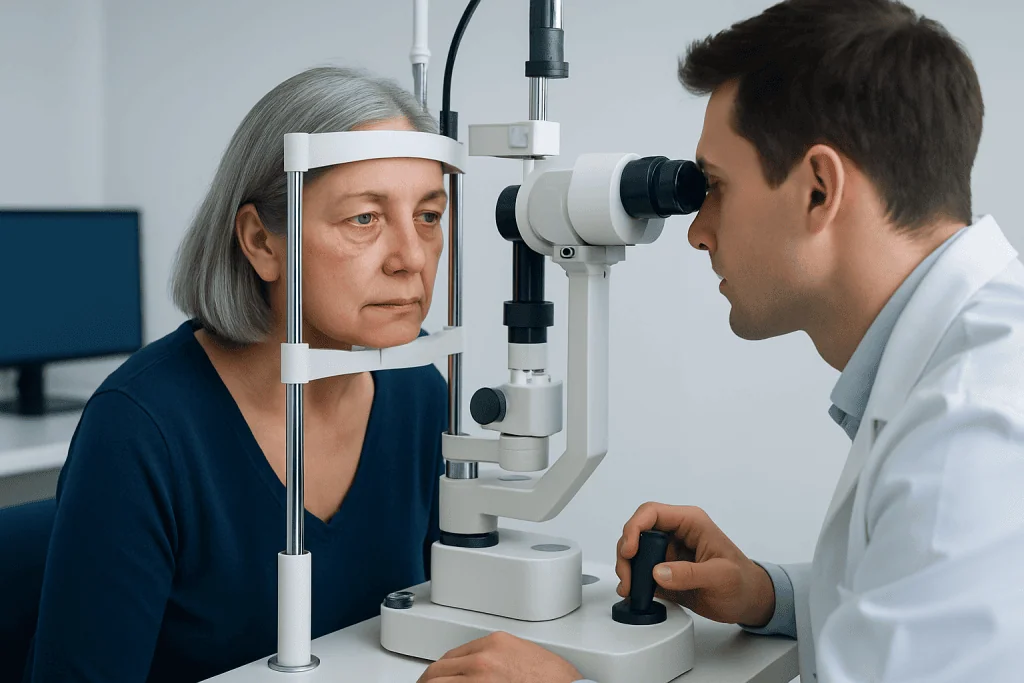
Ocular rosacea may cause dry, burning, itchy or watery eyes; a sandy or foreign-body sensation; blurred vision that comes and goes; light sensitivity; and visible redness. The eyelids may become swollen, crusted or tender, and some people develop recurrent styes or chalazia. Symptoms may affect one or both eyes and can fluctuate over time.
Diagnosis is clinical, meaning it is based on a careful eye history and examination. An ophthalmologist checks the eyelids, lashes, meibomian glands, tear film and front surface of the eye. Tests may include assessment of vision, tear stability and staining of the cornea with a harmless dye to identify dryness or tiny surface injuries.
Other conditions can resemble ocular rosacea, including allergic eye disease, infection, contact-lens-related irritation, dry eye disease and other forms of blepharitis. A correct diagnosis is important because treatments differ. Ocular symptoms may occur before facial skin changes, so the absence of noticeable facial rosacea does not rule it out.
How serious is ocular rosacea? Ocular rosacea is often manageable, especially when identified early, but it should not be dismissed as simple eye dryness. Persistent inflammation can occasionally affect the cornea, the clear front layer of the eye, causing pain, marked light sensitivity, scarring or vision changes. Regular treatment and prompt review of worsening symptoms help prevent these complications.
Who May Benefit From Ocular Rosacea Treatment

Anyone with symptoms and examination findings consistent with ocular rosacea may benefit from treatment. Care is particularly important for people with recurring styes, eyelid inflammation, dry-eye symptoms that do not settle with routine measures, or episodes of eye redness and sensitivity associated with flushing or facial rosacea.
A clinician will consider other health conditions, current medicines, allergies, pregnancy status and contact lens use before recommending prescription treatment. People with significant dry eye, corneal changes, reduced vision or repeated inflammatory flares may need closer monitoring and a more intensive plan.
Ocular rosacea can coexist with skin rosacea, including rosacea affecting the face. Coordinated care may be useful because facial triggers and inflammation can overlap with eye symptoms. However, eye treatment should be directed by an ophthalmologist, particularly when there is pain, blurred vision or light sensitivity.
Is ocular rosacea considered an autoimmune disease? No. Ocular rosacea is not generally classified as an autoimmune disease. Its exact cause is not fully understood, but it is associated with chronic inflammation, altered eyelid-gland function, changes in the skin and eye-surface microbiome, and an increased sensitivity of blood vessels and nerves. Immune-system pathways may contribute to inflammation, but this is different from an autoimmune condition in which the immune system directly attacks the body’s own tissues.
What Happens During Ocular Rosacea Treatment
Ocular rosacea treatment is usually delivered as a staged plan rather than a single procedure. At the first visit, the eye specialist reviews symptoms, triggers, skin history, previous treatments and visual needs. The examination identifies whether the main concerns are lid-margin inflammation, meibomian gland dysfunction, dry eye, infection-like symptoms or corneal irritation.
The first step commonly includes daily warm compresses followed by gentle eyelid cleansing. Warmth helps soften thickened oils in the meibomian glands, while lid hygiene removes debris from the lash line. The clinician may also recommend preservative-free lubricating eye drops or gels to reduce friction and dryness. These treatments are supportive and should be used as advised, particularly if the person wears contact lenses.
If inflammation remains active, prescription options may be considered. Depending on the clinical picture, these can include topical anti-inflammatory eye medicines, short courses of other eye drops, or oral medicines used for their anti-inflammatory effects. Antibiotic treatment is sometimes used when eyelid disease is significant, but it is not appropriate for every person and should only be taken under medical supervision.
Some clinics may offer in-office approaches for meibomian gland dysfunction, such as heat-based eyelid treatment or other device-assisted therapies. Their suitability depends on gland structure, symptom severity and local clinical assessment. These approaches complement, rather than replace, a consistent home-care routine.
Recovery Timeline, Benefits and Possible Risks
There is typically no recovery period after routine eyelid hygiene, lubricating drops or a standard eye examination. Comfort may begin to improve within days to weeks, but meibomian gland dysfunction and eye-surface inflammation often need several weeks of consistent care before a clearer change is noticed. Follow-up timing depends on symptom severity and the treatment prescribed.
The main benefits of ocular rosacea treatment are fewer flares, less irritation, improved tear comfort, healthier eyelid margins and reduced risk of eye-surface complications. Results vary because symptoms can be influenced by the environment, skin rosacea activity, screen use, contact lens wear and individual triggers. Continued maintenance care is commonly needed even after symptoms improve.
Potential risks depend on the therapy. Warm compresses that are too hot can irritate or burn delicate eyelid skin, while overly vigorous scrubbing can worsen inflammation. Prescription eye drops and oral medicines can have side effects or interactions, and some treatments are not suitable during pregnancy or for people with specific medical conditions. An eye specialist can explain the expected benefits and possible risks for the individual plan.
Will ocular rosacea ever go away? Ocular rosacea is generally considered a chronic condition, so it may not disappear permanently. However, symptoms can enter long quiet periods and can often be controlled well with regular eyelid care, trigger management and appropriate medical treatment. Treatment plans may be adjusted over time as symptoms and eye findings change.
How to Calm Down Ocular Rosacea at Home
How to calm down ocular rosacea? The safest first steps are gentle and consistent: apply a comfortably warm, not hot, compress to closed eyelids; clean the lid margins with a clinician-recommended method; and use lubricating eye drops if advised. Avoid rubbing the eyes, as rubbing can increase irritation and worsen the feeling of dryness.
Identifying personal triggers can also help reduce flares. Common triggers may include wind, dry indoor air, smoke, alcohol, spicy foods, hot drinks, stress, intense heat and prolonged screen time, although triggers vary considerably between individuals. Protective glasses outdoors, regular screen breaks and a humidified environment may be useful for some people.
Cosmetics, facial cleansers and eye products can irritate sensitive eyelids. Choosing fragrance-free products and avoiding eye makeup during an active flare may help. Contact lens wearers should ask their eye specialist whether they should temporarily reduce lens use or change their lens-care routine while symptoms are active.
Over-the-counter redness-relief drops are not a substitute for ocular rosacea care and may not address inflammation or dryness. Steroid eye drops should never be started or continued without ophthalmologist guidance because unsupervised use can raise eye pressure, worsen infections and cause other complications.
When to Seek Medical Care
Medical assessment is recommended for ongoing eye redness, burning, recurrent styes, eyelid swelling, persistent dryness or a gritty sensation that does not improve with basic measures. An ophthalmologist can determine whether ocular rosacea, dry eye disease, allergy, infection or another condition is responsible and can help protect the eye surface before complications develop.
Urgent eye care is appropriate if there is eye pain, sudden or worsening blurred vision, pronounced light sensitivity, marked redness, discharge, a new white spot on the cornea or difficulty keeping the eye open. These symptoms do not always mean a serious problem, but they require timely assessment because the cornea may be involved.
People with both skin and eye symptoms may benefit from coordinated ophthalmology and dermatology care. Acibadem International’s multidisciplinary specialists and JCI-accredited hospitals diagnose and treat ocular rosacea and related eye-surface conditions for international patients. A personalized evaluation can clarify which daily measures and prescribed treatments are most appropriate.
Follow-up is especially important when prescription eye drops or oral medicines are used, when symptoms return frequently, or when vision is affected. Keeping a brief symptom and trigger diary can help the clinical team refine the treatment plan over time.
Frequently asked questions
What is the best ocular rosacea treatment?
There is no single best treatment for everyone. Most plans combine daily warm compresses and lid hygiene with lubricating drops, trigger management and prescription treatment when inflammation, dry eye or eyelid-gland dysfunction is more significant. An ophthalmologist can tailor treatment after examining the eyelids and eye surface.
Will ocular rosacea ever go away?
Ocular rosacea is usually a long-term condition, but its symptoms can improve substantially and may remain quiet for extended periods. Ongoing maintenance measures are often needed because symptoms can return when eyelid inflammation or dryness flares. Regular care helps reduce the frequency and intensity of episodes.
How serious is ocular rosacea?
Many cases are mild to moderate and respond well to treatment, but untreated inflammation can sometimes affect the cornea. Pain, light sensitivity, persistent blurred vision or a very red eye should be assessed promptly. Early treatment is the best way to reduce the chance of lasting eye-surface damage.
Is ocular rosacea considered an autoimmune disease?
No, ocular rosacea is not classified as an autoimmune disease. It is a chronic inflammatory condition linked to eyelid-gland dysfunction, tear-film instability and changes in inflammatory pathways. Its precise cause is complex and not fully understood.
How can a person calm down ocular rosacea?
Gentle warm compresses, careful eyelid hygiene and clinician-recommended lubricating drops can help calm mild symptoms. Avoiding rubbing, smoke, wind and known personal triggers may also reduce flares. Prescription treatment may be needed if symptoms persist, recur or affect vision.
Can ocular rosacea cause blurred vision?
Yes. Dryness, an unstable tear film and inflammation of the eye surface can cause intermittent blurred vision. Persistent, worsening or sudden visual changes need prompt assessment, particularly when they occur with pain or light sensitivity.
References
- American Academy of Ophthalmology
- American Academy of Dermatology Association
- National Eye Institute
- Mayo Clinic
This article is for general information only and is not a substitute for professional medical advice. Please consult a qualified doctor about your individual situation.
Rosacea in Turkey — costs, top hospitals & a free quote
JCI-accredited · board-certified surgeons · reply within 24h
Add us as a Preferred Source to see more of our trusted health content across Google Search, AI Overviews and Discover.