Morgagnian Cataract: An Evidence-Based Patient Guide

A morgagnian cataract is a mature or hypermature cataract, not a separate infection or cancer. Vision may become markedly blurred, hazy, or limited to light and shapes as the lens becomes opaque.
Key Takeaways
- A morgagnian cataract is a mature or hypermature cataract, not a separate infection or cancer.
- Vision may become markedly blurred, hazy, or limited to light and shapes as the lens becomes opaque.
- Prompt ophthalmic assessment is important because leaking lens proteins can sometimes trigger inflammation or high eye pressure.
- Cataract surgery removes the cloudy natural lens and usually replaces it with an artificial intraocular lens.
- Advanced cataracts can make surgery more technically complex, so preoperative evaluation and follow-up are especially important.
A morgagnian cataract is a very advanced form of cataract in which the center of the eye’s natural lens becomes liquefied while the denser outer lens material may sink downward. It can severely reduce vision and may occasionally raise eye pressure, but assessment and appropriately planned cataract surgery can provide effective treatment.
Overview: What Is a Morgagnian Cataract?
A morgagnian cataract is an advanced stage of age-related lens clouding. In this form of cataract, the lens cortex, or softer central material, breaks down and becomes liquid. The denser lens nucleus may settle toward the bottom of the lens capsule, creating a characteristic appearance during an eye examination.
The condition is also called a hypermature cataract. It usually develops after a cataract has been present and untreated for a long time, although the rate of progression varies from person to person. A morgagnian cataract is treatable, but it should be evaluated by an ophthalmologist because the advanced lens changes may make both vision loss and certain complications more likely.
Morgagnian cataract pathology describes physical changes within the natural lens rather than a disease affecting the retina or optic nerve. The lens itself has become opaque and structurally altered, blocking or scattering light before it reaches the retina. The primary treatment is cataract surgery, planned according to the person’s eye health, general health, and visual needs.
How a Morgagnian Cataract Affects Vision
Morgagnian cataract vision changes are often substantial. A person may notice persistent blurred or dim vision, reduced contrast, glare from lights, difficulty recognizing faces, faded colors, or trouble with reading and daily activities. In advanced cases, vision may be limited to detecting hand movements, light, or large shapes.
Because cataracts commonly develop gradually, some people adapt to their worsening sight and may not realize how limited their vision has become. An eye examination can help determine whether the cataract is the main cause of reduced vision and whether other conditions, such as glaucoma, macular degeneration, or diabetic eye disease, may also affect the expected visual outcome.
A white, gray, or milky appearance in the pupil may sometimes be visible to family members. This appearance needs timely medical assessment, especially if it develops with pain, redness, headache, nausea, or a sudden change in vision. These symptoms can signal inflammation or an increase in eye pressure.
- Blurred, misty, or very poor central vision
- Glare and halos around headlights or bright lamps
- Reduced color intensity and contrast sensitivity
- Difficulty with mobility, stairs, faces, or everyday tasks
- A white or cloudy pupil in an advanced cataract
Causes, Risk Factors and Possible Complications

Most morgagnian cataracts arise from long-standing age-related cataract changes. Over time, proteins in the lens clump together and alter its transparency. If the cataract progresses to a hypermature stage, the lens cortex can liquefy and the nucleus can become relatively mobile within the capsular bag.
Age is the most important risk factor, but cataracts may develop earlier or progress more rapidly in people with diabetes, previous eye injury or surgery, prolonged corticosteroid use, significant ultraviolet exposure, smoking, poor access to eye care, or certain inherited and metabolic disorders. Cataracts can also follow eye inflammation or radiation exposure.
One important complication is morgagnian cataract phacolytic glaucoma. In this condition, proteins from a hypermature lens can leak through the lens capsule and obstruct the eye’s natural drainage system. This may raise intraocular pressure and cause a painful red eye, blurred vision, headache, halos, nausea, or vomiting. It requires urgent ophthalmic care.
Not every advanced cataract causes high pressure or inflammation. However, a very mature cataract should not simply be observed without professional guidance, particularly when vision is poor or follow-up examinations have been difficult.
Diagnosis and Preparing for Surgery
An ophthalmologist diagnoses a morgagnian cataract through a detailed eye examination. This typically includes checking visual acuity, examining the front of the eye with a slit lamp, measuring eye pressure, and dilating the pupil when appropriate to assess the lens, retina, and optic nerve.
In dense cataracts, the retina may not be clearly visible. The eye specialist may use ultrasound imaging to look for retinal detachment, bleeding, or other changes behind the cataract. Measurements of the eye are also taken to help select the power of the intraocular lens that may be implanted during surgery.
The assessment considers more than lens clouding alone. The clinician reviews medications, previous eye procedures, allergies, general medical conditions, and the ability to use postoperative drops and attend follow-up visits. If eye pressure is elevated or inflammation is present, it may need treatment before or alongside cataract surgery.
People should tell their care team about blood thinners, diabetes medicines, breathing conditions, heart disease, and any difficulty lying flat. The surgical team will provide individualized instructions about eating, drinking, regular medicines, transport home, and eye-drop use.
Treatment: How Cataract Surgery Works
Surgery is the only way to remove a morgagnian cataract. Glasses, eye drops, vitamins, or dietary changes cannot clear an advanced cloudy lens. The goal is to remove the cataract, improve the passage of light into the eye, and reduce the risk of lens-related inflammation or pressure problems.
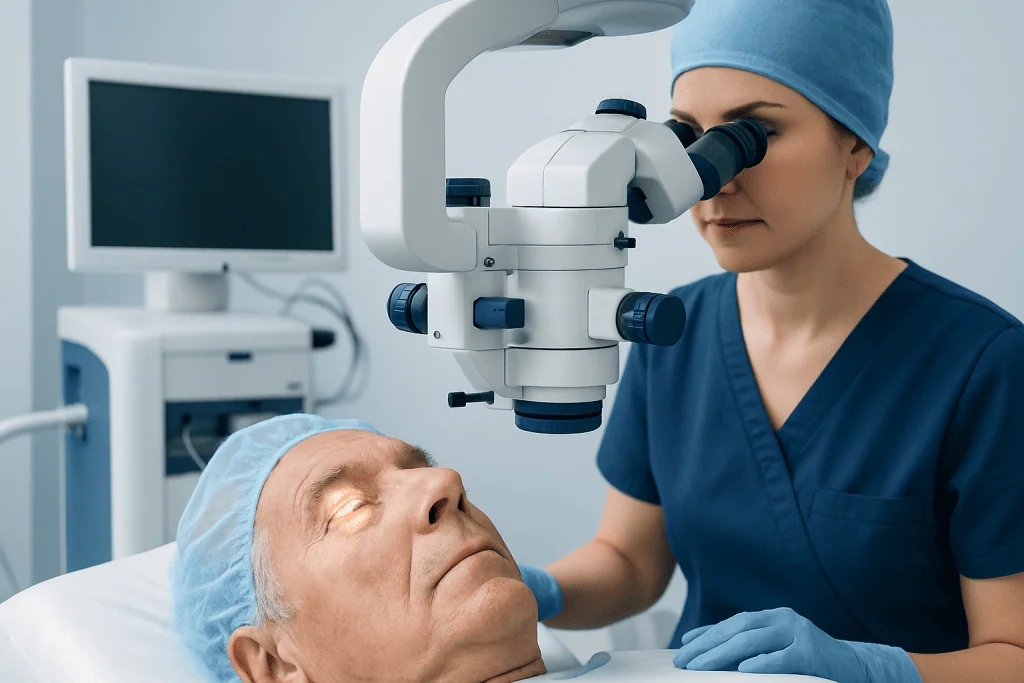
Most cataract surgery is performed with local anesthetic eye drops and, when needed, medication to help the person relax. The surgeon makes tiny incisions, opens the front of the lens capsule, and carefully removes the liquefied lens material and denser nucleus. Ultrasound-based phacoemulsification is commonly used, although the surgical approach may be adapted when the lens is very dense, loose, or associated with weak support structures.
After the cataract is removed, an artificial intraocular lens is usually placed inside the remaining lens capsule. This clear lens stays in the eye permanently and is selected to support distance, near, or other visual goals where clinically suitable. For an advanced cataract, the surgeon may discuss additional techniques or equipment that support safety during the procedure.
Suitability depends on the eye examination, visual symptoms, retinal and optic nerve health, and any coexisting inflammation or glaucoma. A specialist can explain the planned approach, lens options, and realistic expectations. Cataract surgery is commonly an outpatient procedure, meaning that most people return home the same day with an accompanying adult.
Benefits, Risks and Recovery Timeline
The main potential benefit of surgery is clearer vision when the retina and optic nerve are healthy. It may also improve independence with daily activities and reduce the chance of lens-related complications. The degree of improvement varies, especially when another eye condition also limits sight.
Advanced morgagnian cataracts can be more complex to remove than earlier cataracts. Risks of cataract surgery include infection, bleeding, inflammation, increased or decreased eye pressure, swelling of the cornea or retina, retinal detachment, damage to supporting tissues, retained lens material, and a need for further treatment. Serious complications are uncommon, but the individual risk should be discussed with the surgeon.
After surgery, vision may initially be blurry, and mild irritation, tearing, light sensitivity, or a scratchy sensation can occur. Many people notice improvement over days to weeks, while complete healing and stabilization may take several weeks. The care team generally prescribes eye drops and schedules follow-up appointments to monitor healing and eye pressure.
During early recovery, patients are usually advised not to rub the eye, avoid getting unclean water into it, use the prescribed protective shield as instructed, and avoid heavy lifting or strenuous activity for the period recommended by their surgeon. New or worsening pain, marked redness, sudden vision loss, flashes, many new floaters, or nausea should be reported urgently.
Prevention, Self-Care and Ongoing Eye Health
It is not always possible to prevent cataracts, particularly those related to aging. However, regular eye examinations can identify cataracts before they become advanced and allow treatment to be planned at an appropriate time. Adults with diabetes, previous eye injury, long-term steroid treatment, or visual changes may need more frequent review.
General eye-health measures include not smoking, protecting the eyes from ultraviolet light with suitable sunglasses and a brimmed hat, managing diabetes and blood pressure, eating a balanced diet, and using eye protection during work or sports where injury is possible. These habits support overall eye health but do not reverse an existing cataract.
A person with a known cataract should seek review if daily activities become difficult, driving no longer feels safe, or vision declines noticeably. Waiting until a cataract is extremely dense may make its removal more technically demanding, although the timing of surgery should always be individualized with an ophthalmologist.
Acibadem International’s multidisciplinary specialists and JCI-accredited hospitals diagnose and treat cataract conditions for international patients, with care plans based on individual ophthalmic assessment.
When to Seek Medical Care
Any gradual decline in vision deserves an eye examination, particularly when a person notices glare, increasing blur, trouble with reading, reduced confidence while walking, or difficulty seeing while driving. A visible white pupil or a longstanding cataract with very poor vision should also be assessed by an ophthalmologist.
Urgent medical care is needed for a painful red eye, sudden worsening of vision, severe headache with halos around lights, nausea or vomiting, or new significant light sensitivity. These symptoms may occur with raised eye pressure, including phacolytic glaucoma, or with other urgent eye conditions that need prompt treatment.
People should not drive themselves if vision is severely reduced or if they develop acute eye symptoms. Seeking timely ophthalmic care can help identify the cause and protect the best possible visual outcome.
Frequently asked questions
Is a morgagnian cataract an emergency?
A morgagnian cataract is not always an emergency, but it needs ophthalmic assessment because it is an advanced cataract. Urgent care is important if there is eye pain, redness, headache, nausea, vomiting, or a sudden reduction in vision, as these may suggest high eye pressure or inflammation.
Can a morgagnian cataract be treated without surgery?
No treatment can make a cloudy or liquefied natural lens clear again. Surgery is the definitive treatment because it removes the cataract and usually replaces the natural lens with an artificial intraocular lens. An ophthalmologist can advise when surgery is appropriate and how it should be planned.
Is surgery for morgagnian cataracts more difficult?
It can be more technically complex than surgery for an earlier cataract because the lens material is very mature and its supporting structures may be weaker. Experienced cataract surgeons use detailed preoperative evaluation and may adapt the surgical technique to the eye’s specific findings.
What is phacolytic glaucoma?
Phacolytic glaucoma is a form of high eye pressure that can occur when proteins from a hypermature cataract leak and interfere with fluid drainage from the eye. It can cause pain, redness, blurred vision, halos, headache, and nausea. It requires urgent evaluation and treatment by an eye specialist.
How long does recovery take after surgery?
Many people notice vision improving within days, although blurred vision and mild discomfort are common early on. Healing and visual stabilization often continue over several weeks. Follow-up visits and prescribed eye drops are important for checking pressure, inflammation, and recovery.
Will vision be normal after morgagnian cataract surgery?
Vision often improves substantially if the retina, optic nerve, and cornea are healthy. The final result can be limited by other conditions such as glaucoma, macular degeneration, diabetic retinal disease, or prior eye injury. The surgeon can discuss the likely outlook after examining the eye.
References
- American Academy of Ophthalmology
- National Eye Institute
- Mayo Clinic
- Royal College of Ophthalmologists
This article is for general information only and is not a substitute for professional medical advice. Please consult a qualified doctor about your individual situation.
Explore treatments in Turkey — costs, top hospitals & a free quote
JCI-accredited · board-certified surgeons · reply within 24h
Add us as a Preferred Source to see more of our trusted health content across Google Search, AI Overviews and Discover.