Hemochromatosis Medical Procedure: An Evidence-Based Patient Guide

Therapeutic phlebotomy is the standard first-line treatment for most people with iron overload from hereditary hemochromatosis. Treatment has an initial iron-reduction phase followed by individualized maintenance blood removal.
Key Takeaways
- Therapeutic phlebotomy is the standard first-line treatment for most people with iron overload from hereditary hemochromatosis.
- Treatment has an initial iron-reduction phase followed by individualized maintenance blood removal.
- Blood tests guide candidacy, frequency, safety, and long-term follow-up.
- Early treatment can prevent many complications, but established liver, joint, heart, or hormone problems may need additional care.
- People with hemochromatosis should avoid iron supplements unless a clinician specifically recommends them.
The main hemochromatosis medical procedure is therapeutic phlebotomy, also called venesection. It removes a measured amount of blood at regular intervals so the body uses stored iron to make new red blood cells, gradually lowering iron levels and helping prevent organ damage.
Overview: the hemochromatosis medical procedure
A hemochromatosis medical procedure most often refers to therapeutic phlebotomy: the controlled removal of blood from a vein. It is similar to donating blood, but it is prescribed and monitored as treatment. Removing blood prompts the body to use excess stored iron to produce replacement red blood cells.
Hemochromatosis is a condition in which too much iron accumulates in the body. The common inherited form, hereditary hemochromatosis, can gradually affect the liver, heart, pancreas, joints, skin, and hormone-producing organs if substantial iron overload is untreated. Hemochromatosis may also occur secondary to other conditions, such as repeated transfusions or certain blood disorders, and treatment is tailored to the cause.
The procedure is highly effective for many eligible people, particularly when treatment begins before permanent organ injury develops. It does not replace evaluation for related health effects, so care commonly involves primary care clinicians, hematology specialists, liver specialists, endocrinologists, or cardiologists when indicated.
How therapeutic phlebotomy works and who may be eligible
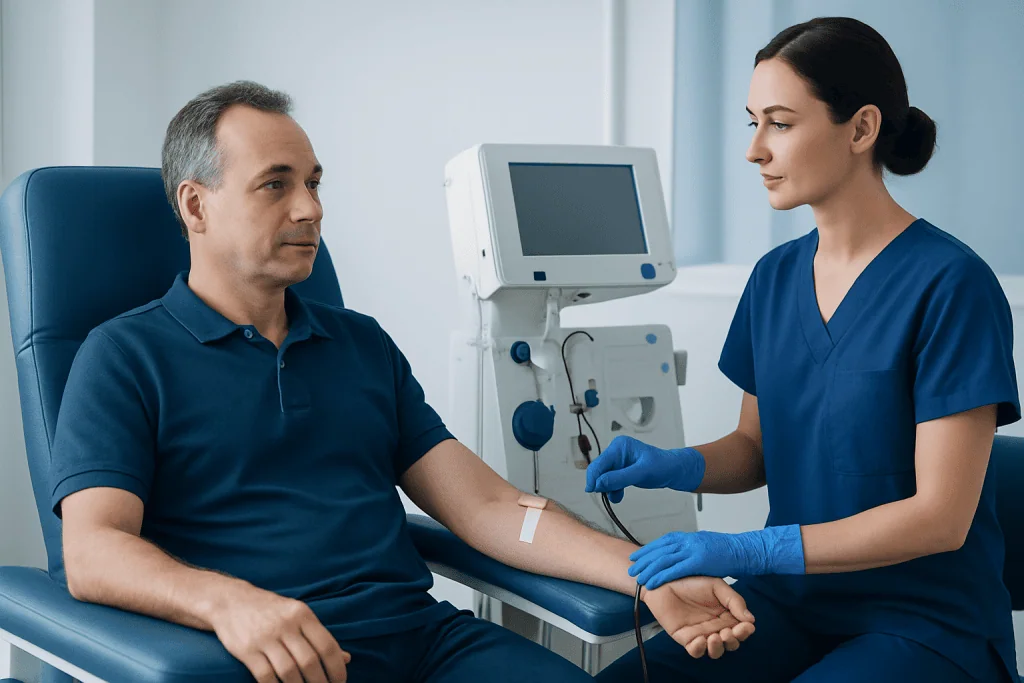
Blood contains hemoglobin, an oxygen-carrying protein that requires iron. During each phlebotomy session, a clinician removes a measured volume of blood. The body then draws on iron stores to replace red blood cells, which lowers the amount of stored iron over time. Ferritin, a blood marker that generally reflects iron stores, is monitored to guide treatment.
Phlebotomy is usually considered for people with confirmed iron overload, based on tests such as transferrin saturation and ferritin, together with clinical findings, genetic testing, or assessment for other causes. A clinician also checks hemoglobin and overall health before treatment. The plan is individualized rather than based on one laboratory value alone.
It may not be suitable for everyone. People with anemia, certain heart conditions, poor vein access, low blood pressure, or significant frailty may require a modified schedule or another approach. In iron overload caused by chronic transfusions, iron-chelating medicines may be more appropriate because regular blood removal can worsen anemia.
- Initial phase: more frequent sessions lower excess iron.
- Maintenance phase: less frequent sessions help prevent iron from building up again.
- Ongoing monitoring: blood counts, ferritin, liver health, and symptoms are reviewed regularly.
What happens during the procedure and recovery

Before the appointment, the healthcare team reviews recent blood tests, medical history, medications, and how the person has felt since any prior session. They may advise eating normally beforehand and drinking adequate fluids unless there is a medical reason not to. A clinician confirms that it is safe to proceed, including checking for anemia or illness.
During therapeutic phlebotomy, the person usually sits in a reclining chair. A needle is placed in a vein, commonly in the arm, and blood is collected into a sterile bag over a short period. The exact amount and frequency depend on body size, hemoglobin level, iron measurements, medical conditions, and the treatment stage. Staff monitor for dizziness, discomfort, or other symptoms.
Afterward, pressure is applied to the needle site and the person rests briefly. Most people can return home the same day. Drinking fluids, having a snack if advised, and avoiding strenuous activity or heavy lifting for the rest of the day can reduce light-headedness. Mild tiredness or bruising at the needle site can occur and usually settles quickly.
Recovery between sessions is generally straightforward, but treatment frequency may be adjusted if fatigue, low hemoglobin, low blood pressure, or other concerns arise. Patients should report symptoms rather than trying to push through them, as the goal is steady, safe iron reduction.
Benefits, limitations, and possible risks
The main benefit of phlebotomy is lowering iron stores before they cause further tissue injury. When started early, treatment can reduce the likelihood of serious iron-overload complications and may improve fatigue, abnormal liver tests, or skin pigmentation in some people. It also supports long-term monitoring, which is important because hemochromatosis is typically a lifelong condition.
Some effects of established iron overload may not fully reverse. For example, joint pain can persist despite successful iron reduction, and advanced liver scarring requires continued surveillance and specialist care. Diabetes, heart rhythm problems, sexual or reproductive hormone changes, and liver disease may need their own treatments alongside iron management.
Phlebotomy is generally well tolerated when appropriately supervised. Potential short-term effects include faintness, dehydration, nausea, fatigue, bruising, or pain at the needle site. Less commonly, repeated blood removal may lead to anemia if the schedule is too intensive; this is why hemoglobin and iron markers are checked regularly.
For patients needing coordinated assessment of iron overload and its possible effects on the liver, heart, or endocrine system, Acibadem International’s multidisciplinary specialists and JCI-accredited hospitals provide diagnosis and treatment planning for international patients.
What are the newest treatments for hemochromatosis?
For most people with hereditary hemochromatosis, therapeutic phlebotomy remains the established and most evidence-supported treatment. It is not a new therapy, but it remains the preferred approach because it directly lowers iron stores without relying on long-term medication in people who can safely have blood removed.
Research continues into treatments that influence hepcidin, a hormone that regulates iron absorption and release. Hepcidin-based and related therapies are being studied for iron disorders, but they are not routine replacements for phlebotomy in standard hereditary hemochromatosis care. Their role may differ across types of iron overload and should be assessed by a specialist.
Iron-chelation therapy uses medicines that bind iron so it can leave the body through urine or stool. It is important for selected people who cannot undergo phlebotomy, especially some patients with transfusion-related iron overload. Chelation has potential side effects and monitoring needs, so it is reserved for appropriate clinical situations rather than used automatically.
What is the most effective treatment for hemochromatosis?
For eligible people with hereditary hemochromatosis and iron overload, therapeutic phlebotomy is considered the most effective first-line treatment. It reduces body iron over time and has the strongest long-term clinical experience. The best schedule is not identical for every patient and is adjusted using blood counts, ferritin, transferrin saturation, symptoms, and medical history.
Treatment usually has two goals: first, reducing excess iron stores; second, maintaining safe iron levels for life. In the initial phase, sessions may be closer together. Once iron stores are reduced, the person typically needs less frequent maintenance phlebotomy, with periodic blood testing to prevent both renewed overload and excessive iron removal.
When phlebotomy is unsafe or impractical, clinicians identify the reason and consider alternatives. This may include treating anemia or another underlying illness, using iron chelation in selected cases, and managing organ complications. A personalized plan is especially important for people with cirrhosis, heart disease, kidney disease, or another blood condition.
What should you not do if you have hemochromatosis?
People with hemochromatosis should not take iron supplements unless their clinician specifically advises them to do so. Multivitamins may contain iron, so labels should be checked carefully. Vitamin C supplements can increase iron absorption and should be discussed with a healthcare professional, particularly at high doses or when taken with iron-rich meals.
Alcohol can add strain to the liver, especially if iron overload has already affected liver health. A clinician can give personalized advice, but avoiding alcohol is often recommended for people with liver disease or elevated liver enzymes. Raw or undercooked shellfish should also be avoided because people with iron overload can be more vulnerable to severe infection from certain bacteria found in seawater.
There is usually no need to eliminate all iron-containing foods. Instead, people should follow balanced eating patterns and avoid unnecessary iron-fortified products or supplements. Tea or coffee with meals may modestly reduce iron absorption, but dietary measures alone do not treat clinically significant iron overload and should not replace prescribed phlebotomy.
Can you take vitamin B12 if you have hemochromatosis?
Vitamin B12 does not contain iron and is generally compatible with hemochromatosis when there is a medical reason to take it. For example, a clinician may recommend B12 if blood tests show deficiency, if a person follows a diet with limited animal-source foods, or if absorption is reduced by a digestive condition or medication.
It is still sensible to review any supplement with a clinician or pharmacist. Combination products, including some multivitamins and “energy” supplements, may contain iron or high-dose vitamin C in addition to B12. The key concern in hemochromatosis is avoiding unneeded iron while treating documented nutrient deficiencies appropriately.
Vitamin B12 should not be used as a substitute for assessment of fatigue, tingling, memory changes, or anemia. These symptoms can have many causes, including B12 deficiency, anemia from another condition, thyroid disease, diabetes, medication effects, or complications of iron overload.
When to seek medical care
Medical assessment is appropriate when blood tests show high ferritin or transferrin saturation, particularly if there is a family history of hereditary hemochromatosis. A clinician may recommend repeat testing, genetic testing, liver evaluation, or referral depending on the results. Close relatives of someone with confirmed hereditary hemochromatosis may also benefit from discussing screening.
People already receiving phlebotomy should contact their care team if they develop persistent dizziness, fainting, marked fatigue, shortness of breath, chest discomfort, fever, unexpected bleeding, or a concerning reaction after a session. These symptoms may not be caused by the procedure, but they should be assessed promptly.
Urgent medical care is needed for severe chest pain, difficulty breathing, fainting, confusion, vomiting blood, black stools, or signs of severe infection such as high fever with rapidly worsening illness. These symptoms require timely evaluation regardless of whether a person has hemochromatosis.
Frequently asked questions
Is therapeutic phlebotomy the same as donating blood?
The procedure is physically similar because blood is removed through a vein, but therapeutic phlebotomy is prescribed medical treatment. Its frequency, amount, and safety checks are individualized according to iron levels, hemoglobin, and overall health. Whether collected blood can be used for donation depends on local regulations and the collection service.
How long does it take to lower iron levels with phlebotomy?
The time varies considerably based on the degree of iron overload, body size, tolerance of treatment, and the schedule prescribed. It may take months, and sometimes longer, to reach the intended iron range. Regular ferritin and blood-count testing guides adjustments.
Will phlebotomy cure hereditary hemochromatosis?
Phlebotomy can effectively control excess iron but does not change the inherited tendency to absorb too much iron. Most people therefore need long-term monitoring and maintenance treatment. Starting care early can help prevent many iron-related complications.
Does hemochromatosis require a special diet?
A balanced diet is usually recommended rather than a highly restrictive diet. Iron supplements and iron-containing multivitamins should generally be avoided unless specifically prescribed, and alcohol advice depends on liver health. Dietary changes support treatment but do not replace phlebotomy when iron overload is present.
Can women have hemochromatosis treatment during menstruation or menopause?
Yes, but treatment planning is individualized. Menstrual blood loss can affect iron levels, while iron stores may rise after menopause. A clinician uses blood tests and symptoms rather than sex or life stage alone to determine whether and how often phlebotomy is needed.
Can hemochromatosis cause liver damage even without symptoms?
Yes. Iron can accumulate gradually, and some people have few or no symptoms early on. This is why abnormal iron studies, family history, or genetic findings should be discussed with a qualified clinician, who can assess liver health and recommend appropriate monitoring.
References
- National Institute of Diabetes and Digestive and Kidney Diseases
- American College of Gastroenterology
- European Association for the Study of the Liver
- Mayo Clinic
- National Organization for Rare Disorders
This article is for general information only and is not a substitute for professional medical advice. Please consult a qualified doctor about your individual situation.
Hemochromatosis in Turkey — costs, top hospitals & a free quote
JCI-accredited · board-certified surgeons · reply within 24h
Add us as a Preferred Source to see more of our trusted health content across Google Search, AI Overviews and Discover.
Check your numbers in seconds
BMI, calories, due date, blood pressure and 30+ more clinical calculators — free, instant, doctor-reviewed ranges.

Gastroenterology
Diagnosis and treatment of the digestive system and liver, with advanced endoscopy.
46 specialists in this unit