Diaphragm Plication Procedure: An Evidence-Based Patient Guide

Diaphragm plication does not repair the damaged nerve; it stabilizes the diaphragm in a lower, tighter position. It is most often considered for persistent, troublesome symptoms caused by one-sided diaphragm weakness or paralysis.
Key Takeaways
- Diaphragm plication does not repair the damaged nerve; it stabilizes the diaphragm in a lower, tighter position.
- It is most often considered for persistent, troublesome symptoms caused by one-sided diaphragm weakness or paralysis.
- Testing usually includes chest imaging, breathing tests, and dynamic assessment of diaphragm movement.
- The operation may be performed through open, thoracoscopic, robotic, or abdominal approaches depending on individual anatomy and surgical expertise.
- Recovery varies, but gradual improvement in breathing and activity commonly continues over weeks to months.
- Sudden or severe shortness of breath requires urgent medical assessment rather than waiting for a surgical consultation.
A diaphragm plication procedure is an operation used to flatten and tighten a weakened or paralyzed diaphragm that sits too high in the chest. For carefully selected people with ongoing breathlessness and reduced function, it can improve lung expansion, exercise tolerance, and quality of life.
Overview: What Is a Diaphragm Plication Procedure?
A diaphragm plication procedure is surgery that reshapes a weak, elevated diaphragm so it is flatter and more stable. The diaphragm is the main muscle of breathing, separating the chest from the abdomen. When one side becomes weak or paralyzed, it may rise upward instead of helping the lungs expand efficiently.
During plication, a surgeon places permanent sutures in folds across the thin, loose diaphragm. Tightening these folds prevents the diaphragm from moving upward excessively and creates more space for the lung on that side to inflate. The procedure does not restore the original nerve signal to the diaphragm, but it can reduce the mechanical effect of paralysis.
Diaphragm plication is usually considered when symptoms are persistent and clearly linked to diaphragm dysfunction. Breathlessness during exertion, difficulty lying flat, fatigue, and reduced ability to carry out daily activities are common reasons for assessment. Some people with an elevated diaphragm have few or no symptoms and may not need surgery.
How Diaphragm Weakness Affects Breathing
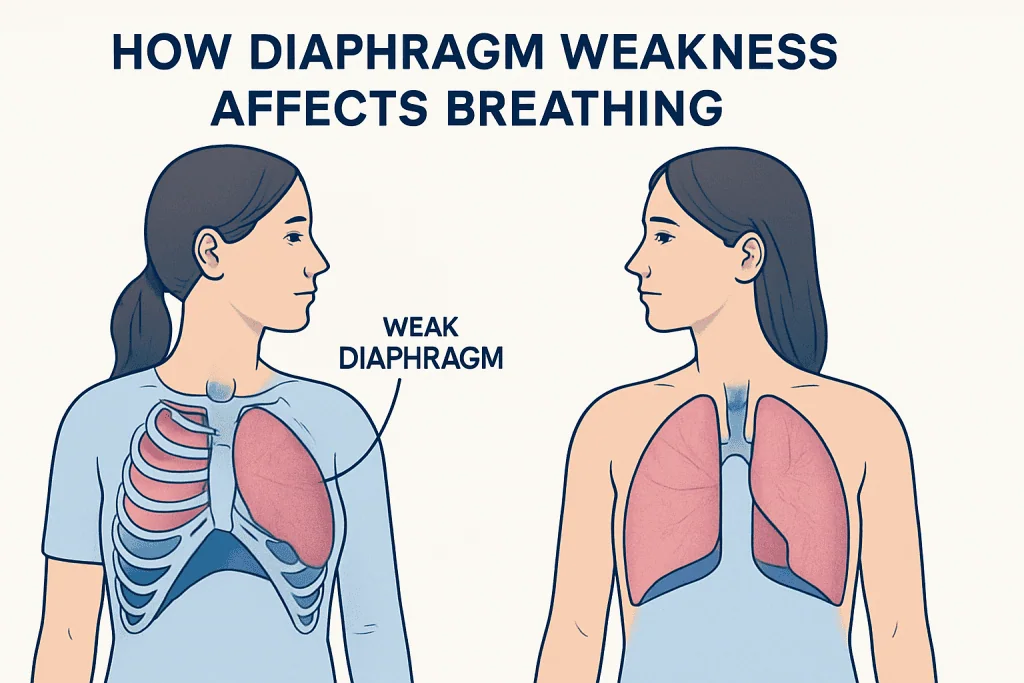
Diaphragm paralysis can occur when the phrenic nerve, which controls the diaphragm, is injured or affected by disease. Causes can include prior chest, heart, neck, or upper abdominal surgery; trauma; inflammation or infection involving nerves; tumors that affect the nerve pathway; and certain neurological or neuromuscular disorders. In some cases, no definite cause is found.
With weakness on one side, the affected diaphragm may move very little or move upward during inhalation, which is called paradoxical movement. This can reduce the amount of air drawn into the lower part of the lung. Symptoms tend to be more noticeable in people with obesity, pre-existing lung disease, heart disease, or weakness affecting both sides of the diaphragm.
Not every elevated diaphragm on an X-ray means paralysis. Other explanations include lung volume loss, abdominal pressure, congenital differences, or a structural problem of the diaphragm. A thorough evaluation is important before deciding whether surgery is appropriate. Related evaluation may also consider diaphragmatic hernia when imaging suggests an opening or displacement through the diaphragm rather than weakness alone.
Who May Be a Candidate for Diaphragm Plication?

Suitable candidates generally have documented diaphragm weakness or paralysis, ongoing symptoms that affect daily life, and evidence that the elevated diaphragm is contributing to reduced lung function. Specialists commonly assess symptoms, physical activity limits, imaging findings, breathing test results, and the person’s overall health before recommending surgery.
Because some phrenic nerve injuries improve over time, clinicians may recommend observation and repeat testing before surgery, particularly when paralysis developed recently. The appropriate waiting period differs according to the suspected cause, symptom severity, and whether recovery appears possible. Significant, persistent symptoms despite conservative management may support plication.
Plication may not be the best option when breathlessness is mainly due to another condition, such as severe chronic lung disease, uncontrolled heart failure, or a separate airway disorder. It also requires careful planning for people with previous surgery, bleeding risks, severe obesity, or complex chest anatomy. A multidisciplinary review can help identify realistic benefits and potential alternatives.
Assessment may include consultation with thoracic surgery, pulmonology, anesthesia, rehabilitation, and other specialties as needed. For patients seeking specialist assessment, diaphragm plication treatment may be discussed after a complete diagnostic work-up.
How the Procedure Is Performed: Step by Step
Diaphragm plication is performed under general anesthesia, meaning the patient is asleep and monitored throughout the operation. The surgical team chooses the approach based on which side is affected, the position of the diaphragm, prior operations, body anatomy, and local expertise. Approaches may include an incision between the ribs, minimally invasive thoracoscopic surgery, robotic-assisted surgery, or an abdominal approach.
After reaching the diaphragm, the surgeon confirms the area of laxity and carefully avoids nearby organs and structures. Multiple rows of strong sutures are placed to gather the redundant diaphragm tissue into folds. The sutures are tightened to lower and flatten the diaphragm while avoiding excessive tension.
Depending on the approach, a temporary chest drain may be placed to remove air or fluid and help the lung re-expand. The incisions are then closed, and the patient is transferred to a recovery area for monitoring of breathing, pain control, and early mobility. The exact operating time and hospital stay vary between individuals and surgical techniques.
Before surgery, the team explains preparation instructions, including medication adjustments, fasting, smoking cessation support, and plans for postoperative breathing exercises. Patients should tell the team about blood-thinning medicines, sleep apnea, allergies, and any previous anesthesia concerns.
Benefits, Limitations, and Possible Risks
The main aim of diaphragm plication is to improve the mechanics of breathing. Many appropriately selected patients experience less exertional breathlessness, greater ability to exercise or walk, improved comfort when lying down, and better results on some lung function measures. Benefits may become clearer gradually as pain settles, the lung adapts, and physical conditioning improves.
Results vary because breathlessness can have more than one cause. Plication cannot reverse nerve damage, cure unrelated lung or heart disease, or guarantee complete relief of symptoms. Its benefit is usually most relevant when one-sided diaphragm paralysis is a major driver of functional limitation.
As with any operation, there are risks. These can include pain, bleeding, infection, blood clots, pneumonia, a prolonged air leak, fluid around the lung, injury to nearby organs, anesthesia-related complications, and the need for additional treatment. Rarely, the diaphragm may remain elevated, sutures may loosen, or symptoms may persist.
Early movement, guided breathing exercises, good pain control, and following discharge instructions can lower some postoperative risks. People should discuss their individual risk profile with the surgical and anesthesia teams, especially if they have chronic respiratory disease, heart disease, diabetes, or take medicines that affect bleeding.
Recovery Timeline After Diaphragm Plication
Recovery begins in hospital with breathing exercises, coughing techniques to clear secretions, pain management, and short walks as soon as it is safe. A chest drain, if used, is removed when the surgical team confirms that it is no longer needed. Hospital discharge depends on stable breathing, mobility, pain control with suitable medicines, and the absence of complications.
At home, tiredness and soreness around the incision are expected during the early recovery period. Light walking is usually encouraged, while heavy lifting, strenuous exercise, and driving may need to be delayed until the surgical team confirms it is safe. The timing depends on the surgical approach, pain medicines, and the person’s progress.
Many people return progressively to everyday activities over several weeks. Full recovery, including rebuilding exercise capacity and assessing the final breathing benefit, may take a few months. Follow-up often includes a wound check, symptom review, and sometimes repeat chest imaging or pulmonary function testing.
Structured pulmonary rehabilitation may be helpful for some people, particularly when they have deconditioning or another respiratory condition. A personalized plan can support safe activity progression, breathing techniques, and confidence with daily movement.
When to Seek Medical Care
People should arrange a medical review for unexplained breathlessness, persistent difficulty lying flat, reduced exercise ability, or an elevated diaphragm noted on imaging. These symptoms can have many causes, including heart and lung conditions, so diagnosis should not be based on symptoms alone.
Urgent medical assessment is needed for sudden or severe shortness of breath, chest pain, fainting, blue or gray lips, new confusion, coughing up blood, or rapidly worsening symptoms. These signs may indicate a problem other than diaphragm paralysis and should be assessed without delay.
After plication, patients should contact their surgical team promptly for fever, increasing wound redness or drainage, worsening pain not controlled by the prescribed plan, increasing breathlessness, calf swelling, or any concern about recovery. Acibadem International’s multidisciplinary specialists and JCI-accredited hospitals assess and treat diaphragm disorders for international patients when coordinated care is needed.
Frequently asked questions
How successful is diaphragm plication surgery?
Diaphragm plication surgery can improve breathlessness, exercise tolerance, and lung function in many carefully selected patients with symptomatic one-sided diaphragm paralysis. Success is most likely when the elevated, poorly moving diaphragm is confirmed to be a major cause of symptoms. The degree of improvement varies, especially when other heart, lung, weight-related, or neuromuscular conditions also affect breathing.
How long does it take to recover from diaphragm plication surgery?
Early recovery usually takes several weeks, with gradual return to walking and routine daily activities according to the surgical team’s advice. Recovery of stamina and the full effect on breathing may take a few months. The surgical approach, overall health, pain control, and any underlying respiratory disease can all influence the timeline.
Can you reverse a paralyzed diaphragm?
Diaphragm plication does not reverse paralysis or repair the phrenic nerve. It changes the position and tension of the diaphragm so the lung has more room to expand. In some cases, diaphragm weakness may improve naturally if the underlying nerve injury heals, which is one reason doctors may monitor recent paralysis before recommending surgery.
How long can a person live with a paralyzed diaphragm?
Many people with paralysis of one diaphragm can live a normal lifespan, particularly if the other diaphragm and lungs are healthy. The impact depends on the cause, whether one or both sides are involved, and the presence of heart, lung, or neuromuscular disease. Ongoing or worsening breathlessness should be evaluated because treatment may improve daily function and help address the underlying cause.
Is diaphragm plication major surgery?
Diaphragm plication is a significant operation performed under general anesthesia, but it can often be completed using minimally invasive techniques. It still carries surgical and anesthesia risks, and recovery requires a period of activity adjustment. The treating surgeon can explain how the planned approach affects expected recovery and risks.
What tests diagnose diaphragm paralysis?
Diagnosis commonly combines a medical history, physical examination, chest X-ray or CT imaging, pulmonary function tests, and an assessment of diaphragm movement. Ultrasound and fluoroscopic sniff testing are commonly used dynamic tests. Additional investigations may be needed to identify possible phrenic nerve injury or another cause of the elevated diaphragm.
References
- American Thoracic Society
- European Respiratory Society
- Society of Thoracic Surgeons
- National Heart, Lung, and Blood Institute
- Merck Manual Professional Edition
This article is for general information only and is not a substitute for professional medical advice. Please consult a qualified doctor about your individual situation.
Explore treatments in Turkey — costs, top hospitals & a free quote
JCI-accredited · board-certified surgeons · reply within 24h
Add us as a Preferred Source to see more of our trusted health content across Google Search, AI Overviews and Discover.

More from the Health Library



Related Specialists

Dr. Ayça Sözen
Pediatrics
Gizem Adlı
Physical Medicine & Rehabilitation
Dt. Songül Özdemir Eğilmez
Oral & Dental Health
Dr. Semra Kavas
Infectious Diseases & Clinical Microbiology