Doctor Who Specializes in the Treatment of Cancer: How It Works, Results and What to Expect

An oncologist is a physician trained to diagnose, treat and monitor cancer. Medical, surgical and radiation oncologists have different but complementary roles.
Key Takeaways
- An oncologist is a physician trained to diagnose, treat and monitor cancer.
- Medical, surgical and radiation oncologists have different but complementary roles.
- Cancer treatment plans are individualized according to cancer type, stage, biology, overall health and personal goals.
- A multidisciplinary team reviews test results and may combine surgery, medicines, radiation and supportive care.
- Patients should seek medical advice promptly for persistent or concerning symptoms, or after an abnormal screening result.
A doctor who specializes in the treatment of cancer is called an oncologist. Depending on the cancer type and treatment plan, care may also involve surgical, radiation, pathology, imaging and supportive-care specialists working together.
Overview: What Is a Cancer Specialist?
A doctor who specializes in the treatment of cancer is called an oncologist. Oncologists guide people through cancer diagnosis, treatment decisions, symptom management and follow-up care, often alongside other specialists with expertise in a particular cancer type.
“Oncology” is the medical field focused on cancer. Because cancer is not one disease, the best care commonly involves a coordinated team rather than one doctor alone. The team considers where the cancer began, how far it has spread, its features under the microscope or on molecular testing, and the person’s general health and treatment preferences.
An oncology consultation does not always mean that cancer has been confirmed. People may be referred after an unusual scan, biopsy, blood test or screening result. The appointment is an opportunity to clarify the diagnosis, discuss further testing if needed and understand the available next steps.
Types of Doctors Who Treat Cancer
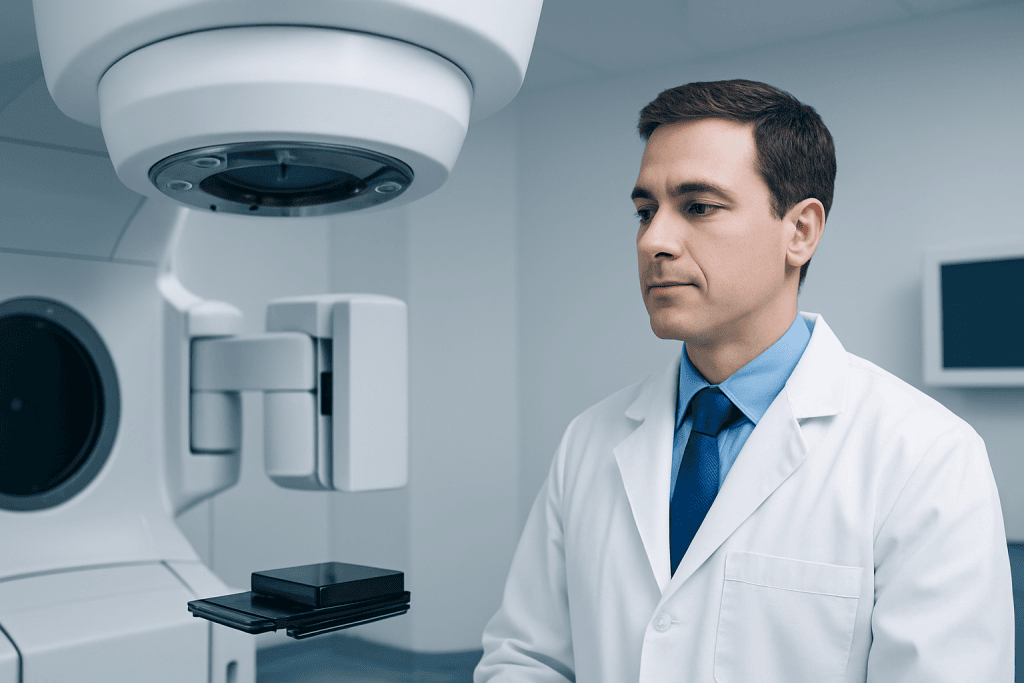
Different oncology specialists provide different parts of treatment. A medical oncologist treats cancer with systemic therapies, meaning medicines that travel through the bloodstream. These may include chemotherapy, immunotherapy, targeted therapy, hormone therapy and other medicines selected for an individual cancer.
A surgical oncologist performs operations to remove tumors, examine nearby lymph nodes or obtain tissue for diagnosis. Depending on the body area, surgery may instead be performed by an organ-specific surgeon, such as a breast surgeon, colorectal surgeon, urologist, gynecologic oncologist, thoracic surgeon or neurosurgeon.
A radiation oncologist plans and oversees radiation therapy, which uses carefully directed radiation to damage cancer cells while protecting nearby healthy tissue as much as possible. Radiation may be used alone or together with surgery and systemic treatment.
Other essential members of the cancer team may include pathologists, radiologists, nuclear medicine physicians, specialist nurses, pharmacists, dietitians, psychologists, physiotherapists, palliative-care clinicians and fertility specialists. Their shared role is to support informed decisions and day-to-day wellbeing throughout care.
How Cancer Care Works: From Diagnosis to a Plan

Cancer care usually starts with confirming exactly what is present. This may involve imaging, laboratory tests and a biopsy, in which a small tissue sample is examined by a pathologist. The pathology report identifies the cancer type and may provide information about its grade and biological characteristics.
Staging tests show the size of a cancer and whether it has spread to lymph nodes or other parts of the body. The results help the oncology team estimate the likely behavior of the cancer and recommend treatment options. For some cancers, molecular or genetic testing of the tumor can identify features that may influence treatment selection.
Many hospitals use a multidisciplinary tumor board, where specialists review complex cases together. This helps ensure that surgery, radiation, medicines and supportive services are considered in a coordinated way. A patient may also seek a second opinion, especially when choices are complex or a recommended treatment is extensive.
The treatment plan is not fixed forever. The oncologist reviews response, side effects, new test results and the person’s priorities at regular intervals. Adjustments can be made when clinically appropriate.
Who May Need to See an Oncologist?
A referral to an oncologist is appropriate when cancer has been diagnosed or is strongly suspected. It may follow an abnormal biopsy, imaging result or screening examination. Some people also see an oncologist because they have a high inherited cancer risk and need individualized risk assessment or surveillance planning.
People with a new cancer diagnosis are candidates for oncology evaluation regardless of the cancer stage. Even early cancers that may be treated with surgery alone can benefit from specialist input about whether additional therapy, monitoring or genetic counseling is appropriate.
Before recommending treatment, clinicians consider the cancer’s type, location, stage and molecular features. They also consider age, other medical conditions, current medicines, physical function, fertility wishes, practical support and personal treatment goals. These factors help determine whether a particular treatment is likely to be helpful and safe.
For example, care for breast cancer may involve a breast surgeon, medical oncologist and radiation oncologist, while a person with lung cancer may need expertise from thoracic surgery, respiratory medicine, medical oncology and radiation oncology. The combination depends on the individual situation.
What to Expect at Appointments and During Treatment
At the first oncology appointment, the doctor reviews medical records, scans, pathology results, symptoms, medicines and family history. It can be helpful to bring a list of questions, a support person and copies of reports if they are available. The clinician explains what is known, what may still need clarification and which options may be considered.
Once a plan is agreed, treatment may begin with surgery, radiation, medicine treatment or active monitoring, depending on the diagnosis. Before systemic treatment, patients may have blood tests, heart or organ-function assessments, placement of a venous access device in some cases, and education about possible side effects and when to call the care team.
Chemotherapy and other systemic therapies are often given in cycles with planned rest periods, although schedules vary widely. Radiation therapy is carefully planned using imaging and may be delivered over one session or a series of sessions. Surgery involves its own preparation, anesthesia assessment and recovery plan.
Appointments during treatment focus on response, side effects and practical support. Patients should report new symptoms rather than waiting for the next visit, particularly fever, breathlessness, severe pain, persistent vomiting, dehydration, unusual bleeding or sudden weakness. The oncology team can advise on urgent assessment when needed.
Benefits, Risks and Recovery Timeline
The possible benefit of cancer treatment depends on the cancer and its stage. Treatment may aim to cure cancer, reduce the risk of it returning, slow its growth, relieve symptoms or improve quality of life. The oncologist should explain the intended goal in clear terms, along with realistic uncertainties.
Risks vary by treatment. Surgery can involve pain, bleeding, infection, blood clots and changes related to the body area treated. Radiation can cause temporary or longer-term effects in the treated region. Systemic therapies may cause fatigue, nausea, appetite changes, infections, skin or nerve symptoms, changes in blood counts or effects on organs; the exact risks differ between medicines.
Recovery is also individual. Some people recover from an outpatient treatment session within hours, while recovery after major surgery may take weeks or longer. Fatigue can continue for a period after chemotherapy or radiation, and some treatments require long-term monitoring. The care team can provide an individualized timeline and rehabilitation advice.
Supportive care is part of cancer care at every stage. This can include pain and symptom control, nutrition support, emotional care, rehabilitation, fertility preservation discussions and help returning to work or daily activities. Palliative care can be provided alongside cancer-directed treatment and is focused on comfort, function and quality of life.
Questions to Ask and Preparing for Decisions
Understanding the proposed plan helps patients take an active role in their care. Useful questions include: What type and stage of cancer is present? What is the goal of treatment? What alternatives are available? What benefits and side effects are expected? How will treatment affect daily life, fertility, work and family responsibilities?
Patients can also ask whether clinical trials, genetic counseling, rehabilitation, nutrition advice or mental health support may be relevant. It is reasonable to ask how treatment response will be measured and what follow-up will involve after treatment ends.
Keeping a folder or digital record of pathology reports, scan results, treatment summaries and medication lists can make communication easier across different appointments. A trusted family member or friend can help take notes and remember questions.
Acibadem International’s multidisciplinary specialists and JCI-accredited hospitals diagnose and treat cancer for international patients, coordinating assessments and care plans across relevant oncology disciplines.
When to Seek Medical Care
Medical assessment is important for symptoms that are new, persistent, worsening or unexplained. Examples include a new lump, unexplained bleeding, a lasting cough or voice change, difficulty swallowing, persistent changes in bowel or bladder habits, unexplained weight loss, prolonged fatigue or pain that does not improve. These symptoms are common and often have causes other than cancer, but a clinician can assess them appropriately.
People should also contact a doctor after an abnormal screening test or imaging result, even if they feel well. Screening programs can identify some cancers or pre-cancerous changes before symptoms develop, when treatment may be simpler.
During cancer treatment, urgent medical advice is needed for fever, chills, severe shortness of breath, chest pain, confusion, uncontrolled pain, severe diarrhea or vomiting, sudden swelling, unusual bleeding, or inability to drink fluids. The treating team should provide clear instructions about who to contact outside routine appointment hours.
Routine follow-up after treatment is important because it allows clinicians to monitor recovery, manage lasting effects and investigate new symptoms promptly. Follow-up schedules differ by cancer type and treatment received.
Frequently asked questions
What is the name of a doctor who specializes in cancer treatment?
A doctor who specializes in the treatment of cancer is called an oncologist. Medical oncologists treat cancer with medicines, while surgical oncologists and radiation oncologists provide surgery and radiation therapy, respectively. Many people receive care from more than one oncology specialist.
Is an oncologist only seen after cancer is confirmed?
Not always. A person may be referred to an oncologist after an abnormal scan, biopsy or screening result when cancer is suspected but not yet confirmed. The specialist can help organize further tests and explain what the findings may mean.
What happens at a first oncology appointment?
The oncologist reviews available test results, medical history, symptoms and current medicines. They may recommend additional tests, explain the diagnosis and discuss possible treatment approaches. Bringing questions and a support person can be helpful.
Can one doctor provide all cancer treatment?
Some oncologists coordinate most aspects of care, but cancer treatment commonly requires a team. Surgery, radiation, medicines, pathology, imaging and supportive care may be provided by different professionals. A coordinated plan helps ensure these elements work together.
How does an oncologist choose the right treatment?
Treatment choices are based on cancer type, stage, tumor biology, overall health and the person’s goals. The clinician also considers likely benefits, risks, side effects and practical factors. Patients should be included in decisions and may request a second opinion.
Should a patient seek a second opinion for cancer?
A second opinion is a reasonable option, particularly if the diagnosis is uncommon, treatment is complex or major surgery is proposed. It may confirm the original plan or present additional options. Seeking another expert view should not be seen as a lack of trust in the first team.
References
- World Health Organization
- National Cancer Institute
- American Society of Clinical Oncology
- European Society for Medical Oncology
- American Cancer Society
This article is for general information only and is not a substitute for professional medical advice. Please consult a qualified doctor about your individual situation.
Oncology care in Turkey — second opinion and treatment plan
JCI-accredited · board-certified surgeons · reply within 24h
Add us as a Preferred Source to see more of our trusted health content across Google Search, AI Overviews and Discover.

More from the Health Library



Related Specialists

Prof. Dr. Kazım Üzüm
Pediatric Cardiology
Dyt. Elif Derya Cinisli
Nutrition and Diet
Prof. Dr. Uygur Er
Neurosurgery
Dr. Ceyhun Başıoğlu
Physical Medicine & Rehabilitation