B Cell Lymphoma Treatment: How It Works, Results and What to Expect
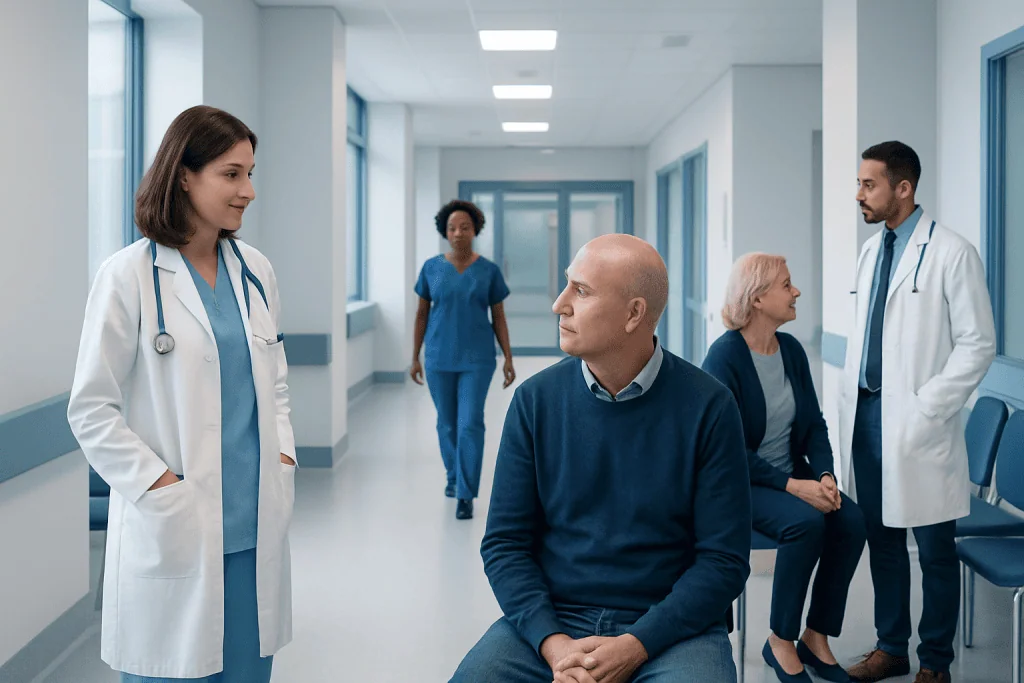
B-cell lymphoma is a group of cancers, so the treatment plan depends on the specific subtype and how it behaves. Options can include active monitoring, immunotherapy, chemotherapy, targeted therapy, radiation, stem cell transplant and CAR T-cell therapy.
Key Takeaways
- B-cell lymphoma is a group of cancers, so the treatment plan depends on the specific subtype and how it behaves.
- Options can include active monitoring, immunotherapy, chemotherapy, targeted therapy, radiation, stem cell transplant and CAR T-cell therapy.
- Treatment is commonly delivered in cycles, with the number of cycles varying by subtype, stage and response.
- Some B-cell lymphomas grow slowly, while others need prompt treatment because they can progress quickly.
- Regular follow-up and supportive care are important before, during and after treatment.
B cell lymphoma treatment is individualized according to the exact lymphoma subtype, its stage, genetic features, symptoms and a person’s overall health. Many B-cell lymphomas can be controlled for long periods, and several types are potentially curable with modern treatment approaches.
B Cell Lymphoma Treatment: An Individualized Approach
B cell lymphoma treatment uses medicines and, in selected situations, radiation or cell-based therapies to remove or control abnormal B lymphocytes. The best approach depends on the precise lymphoma diagnosis, whether it is slow-growing or aggressive, where it is located, how extensive it is and the person’s general health.
B cells are white blood cells that normally help the immune system make antibodies. When they become abnormal and multiply without control, they can form lymphoma in lymph nodes, bone marrow, blood or other organs. B-cell lymphomas include many conditions, such as diffuse large B-cell lymphoma, follicular lymphoma, mantle cell lymphoma and Burkitt lymphoma; they should not all be managed in the same way.
For some slow-growing lymphomas without troublesome symptoms, careful active monitoring may be safer than starting treatment immediately. For symptomatic, advanced or aggressive disease, treatment usually begins promptly after staging and specialist review. A hematologist-oncologist coordinates care with pathology, radiology, radiation oncology, transplant and supportive-care teams when needed.
How B Cell Lymphoma Treatment Works
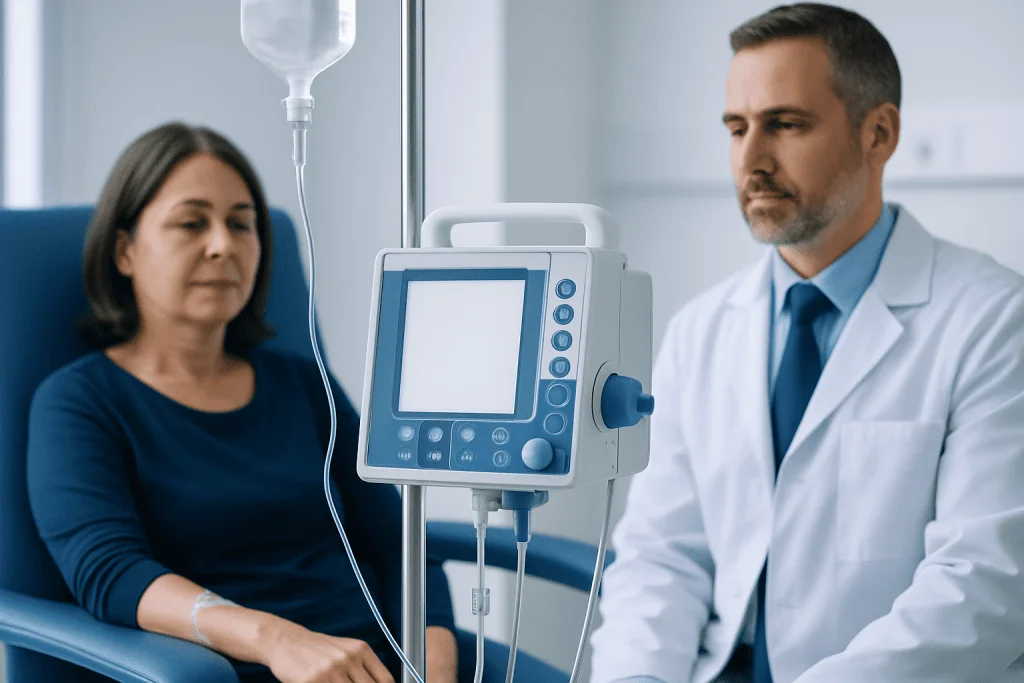
Most treatment plans combine approaches that attack lymphoma cells in different ways. Immunotherapy commonly uses monoclonal antibodies that recognize proteins on B cells, often including CD20. These medicines help the immune system identify lymphoma cells and may also directly damage them. They are frequently used with chemotherapy, a combination often called chemoimmunotherapy.
Chemotherapy medicines interfere with the growth and division of rapidly multiplying cells. Targeted therapies act on specific signals lymphoma cells use to survive, and may be considered in particular subtypes or if lymphoma returns after earlier treatment. Radiation therapy can be useful when disease is localized, when a specific area is causing symptoms, or as part of a broader plan.
For certain relapsed or treatment-resistant B-cell lymphomas, specialists may discuss high-dose therapy followed by stem cell transplant, or CAR T-cell therapy. CAR T-cell therapy involves collecting a person’s T cells, modifying them in a laboratory so they can recognize lymphoma cells, and returning them after preparative treatment. These advanced approaches require detailed assessment and monitoring at an experienced center.
The goal may be cure, a complete remission, long-term control or symptom relief, depending on the lymphoma type and situation. Doctors assess response using examinations, blood tests and imaging, while balancing effectiveness with short- and long-term safety.
Candidacy and the Diagnostic Planning Process
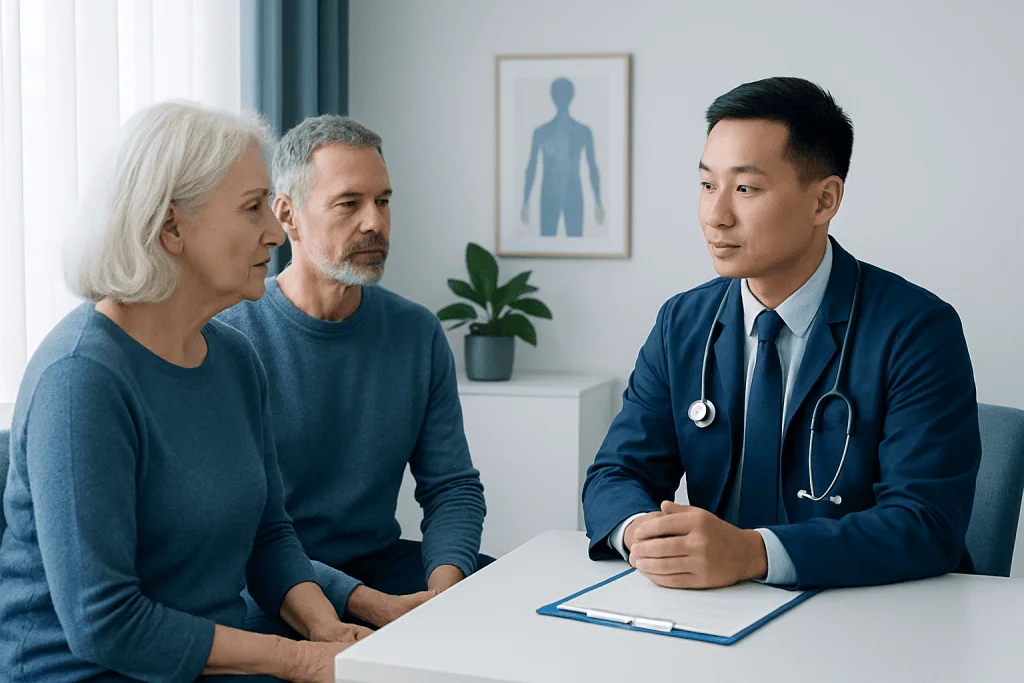
Before recommending treatment, the care team confirms the diagnosis with a biopsy reviewed by an experienced hematopathologist. The biopsy is tested to identify the subtype and important biological features, because these findings can influence which therapies are most suitable. Blood tests and imaging, often including PET-CT or CT scans, help determine the lymphoma stage.
Doctors also evaluate symptoms, blood counts, kidney and liver function, heart health when relevant, current medicines, infections and daily functioning. In some cases, bone marrow testing or a spinal fluid assessment is advised. Fertility preservation may be discussed before treatments that could affect future fertility.
Age alone does not decide candidacy. Instead, treatment intensity is adapted to a person’s fitness, other medical conditions and personal priorities. People are encouraged to ask about the expected aim of treatment, alternatives, likely side effects, practical needs and whether a clinical trial may be appropriate.
- Active surveillance may suit selected asymptomatic, slow-growing lymphomas.
- Systemic therapy is used when lymphoma is widespread, symptomatic or biologically aggressive.
- Local radiation may be considered for limited-stage disease or a focused problem area.
- Cellular therapy or transplant may be options for selected people with relapsed disease.
What Happens During Treatment and Recovery
After planning is complete, treatment is usually given in outpatient visits, although some intensive regimens require hospital admission. Before each cycle, the team checks symptoms and blood results. Infusions may take several hours, especially the first time, while oral targeted medicines are taken at home with regular monitoring. Preventive medicines may be prescribed to reduce particular treatment-related risks.
A chemotherapy cycle includes a treatment day or several treatment days followed by a recovery period. During this interval, normal tissues such as bone marrow have time to recover. The team may adjust timing or supportive medications if blood counts are low or side effects are significant. Imaging is often performed after several cycles or at the end of therapy to evaluate response.
Recovery differs greatly between people and treatment types. Tiredness, changes in appetite and reduced stamina can improve gradually over weeks to months after treatment ends. Immune recovery may take longer, particularly after intensive treatment, transplant or CAR T-cell therapy. Follow-up visits remain important even when scans show remission.
Acibadem International’s multidisciplinary specialists and JCI-accredited hospitals provide diagnostic assessment and treatment planning for international patients with lymphoma, including coordination of supportive services when appropriate.
Benefits, Risks and Supportive Care
The main benefit of treatment is reducing or eliminating lymphoma, relieving symptoms and helping prevent complications from disease progression. Aggressive B-cell lymphomas can sometimes be cured, while many indolent lymphomas can be managed effectively for long periods. The likely benefit should always be considered alongside the individual diagnosis and treatment goal.
Possible side effects vary by therapy. Chemotherapy can cause fatigue, nausea, hair loss, mouth soreness, low blood counts and a higher risk of infection. Antibody-based treatments can cause infusion reactions, particularly early in treatment. Targeted medicines, radiation, transplant and CAR T-cell therapy each have their own potential complications, which the care team explains in advance.
Supportive care is an active part of lymphoma treatment. It may include anti-nausea medicines, infection prevention, transfusions when needed, nutrition advice, pain and symptom management, emotional support and rehabilitation. It is important to report fever, chills, shortness of breath, unusual bleeding, severe diarrhea, new confusion or rapidly worsening symptoms without delay.
Vaccination advice should be individualized because immune responses may be reduced during and after some lymphoma therapies. People should not start supplements, herbal products or over-the-counter medicines without checking with their oncology team, as some can interact with treatment.
What Is the Success Rate for Treating B-Cell Lymphoma?
There is no single success rate for B-cell lymphoma treatment because B-cell lymphoma includes many diseases with different outlooks. Results are influenced by subtype, stage, age, overall health, laboratory findings, genetic features and how well lymphoma responds to first treatment.
Several aggressive B-cell lymphomas are potentially curable, particularly when treatment is started promptly and the lymphoma responds well to initial therapy. Indolent lymphomas may be less likely to be described as cured with standard treatment, but many people experience long remissions and can receive effective treatment again if the disease returns.
A doctor can give the most meaningful outlook only after reviewing the biopsy, staging scans and individual health factors. Prognostic tools can support discussions, but they cannot predict exactly what will happen for one person. Regular assessment during treatment helps the team understand response and adapt the plan when necessary.
How Many Rounds of Chemo for B-Cell Lymphoma?
The number of chemotherapy rounds, also called cycles, varies according to the subtype, stage, selected regimen and treatment response. Some limited-stage aggressive lymphomas may be treated with fewer cycles, sometimes combined with radiation, while advanced aggressive lymphomas often receive a longer planned course. Slow-growing lymphomas may need different schedules or may not require chemotherapy at all.
A cycle commonly lasts a few weeks, but the exact timing differs by regimen. Each plan is designed to give treatment effectively while allowing bone marrow and other normal tissues time to recover. A delay or dose adjustment does not automatically mean treatment is failing; it may be a necessary safety measure based on blood counts, infection or other side effects.
Doctors review scans and clinical response at planned points. Treatment should not be changed or stopped without guidance from the lymphoma team, even if symptoms improve early, because the intended course is based on evidence for the specific disease setting.
How Quickly Does B-Cell Lymphoma Spread, and Is It Aggressive?
B-cell lymphoma can be either indolent, meaning slow-growing, or aggressive, meaning it tends to grow and spread more quickly. Follicular lymphoma is often indolent, whereas diffuse large B-cell lymphoma and Burkitt lymphoma are examples of lymphomas that may behave aggressively. However, behavior varies, and a precise biopsy diagnosis is essential.
Aggressive lymphoma may enlarge over days to weeks and can cause rapidly developing symptoms, but it can also be highly responsive to treatment. Indolent lymphoma may develop over months or years and sometimes causes no symptoms at diagnosis. A slow-growing lymphoma can occasionally change into a more aggressive form, which is one reason new or rapidly changing symptoms should be evaluated.
Imaging and laboratory tests show where lymphoma is present, but stage does not simply mean how fast it is growing. Even widespread lymphoma can be treatable. The treatment team uses both the lymphoma’s biology and its extent to recommend the right level of urgency and intensity.
When to Seek Medical Care
Medical assessment is appropriate for lymph nodes that are enlarging, firm or persist beyond several weeks, especially if they are not linked to a clear infection. Other symptoms that merit a prompt appointment include unexplained fever, drenching night sweats, unintentional weight loss, ongoing fatigue, itchiness, abdominal fullness or pain, and repeated infections.
A person already receiving B-cell lymphoma treatment should contact their oncology team urgently for a fever, shaking chills, breathing difficulty, chest pain, uncontrolled vomiting, severe weakness, unusual bleeding or bruising, confusion, or a sudden worsening of symptoms. Low white blood cell counts can make infections serious even when symptoms initially seem mild.
Emergency care is needed for severe shortness of breath, fainting, severe chest pain, new severe neurological symptoms or signs of a serious allergic reaction. Early communication with the treatment team can often help manage side effects safely and prevent avoidable complications.
Frequently asked questions
What is the main treatment for B-cell lymphoma?
There is no single main treatment for every B-cell lymphoma. Antibody-based immunotherapy with chemotherapy is common for many aggressive subtypes, while some slow-growing lymphomas can initially be monitored or treated with targeted medicines, immunotherapy or radiation. The biopsy-defined subtype guides the choice.
Can B-cell lymphoma be cured?
Some B-cell lymphomas, especially several aggressive subtypes, may be cured with appropriate first-line treatment. Other types are more often managed as long-term conditions, with periods of remission and further treatment if needed. An individual prognosis requires review of the subtype, stage and response to therapy.
Does everyone with B-cell lymphoma need chemotherapy?
No. Some people with indolent lymphoma and no concerning symptoms are monitored closely before treatment begins. Others may receive immunotherapy, targeted treatment, radiation or other options instead of, or alongside, chemotherapy.
How long does B-cell lymphoma treatment take?
The active treatment period can range from a short radiation course to several months of systemic therapy, depending on the plan. More intensive approaches such as transplant or CAR T-cell therapy may require additional preparation, hospital monitoring and a longer recovery period. Follow-up continues after active treatment ends.
Can B-cell lymphoma come back after treatment?
Yes, some B-cell lymphomas can relapse after an initial remission. If this happens, doctors reassess the lymphoma with tests that may include another biopsy and then discuss options such as different immunotherapy, targeted treatment, cellular therapy, transplant or a clinical trial. A relapse does not mean there are no further treatment options.
What should a person do during B-cell lymphoma treatment?
They should attend scheduled blood tests and appointments, take medicines exactly as directed, and report concerning symptoms promptly. Good hydration, adequate nutrition, rest, gentle activity when possible and infection-prevention measures can support recovery. The oncology team should be consulted before using supplements or changing medicines.
References
- National Cancer Institute
- American Cancer Society
- Leukemia & Lymphoma Society
- European Society for Medical Oncology
- National Comprehensive Cancer Network
This article is for general information only and is not a substitute for professional medical advice. Please consult a qualified doctor about your individual situation.
Lymphoma in Turkey — costs, top hospitals & a free quote
JCI-accredited · board-certified surgeons · reply within 24h
Add us as a Preferred Source to see more of our trusted health content across Google Search, AI Overviews and Discover.