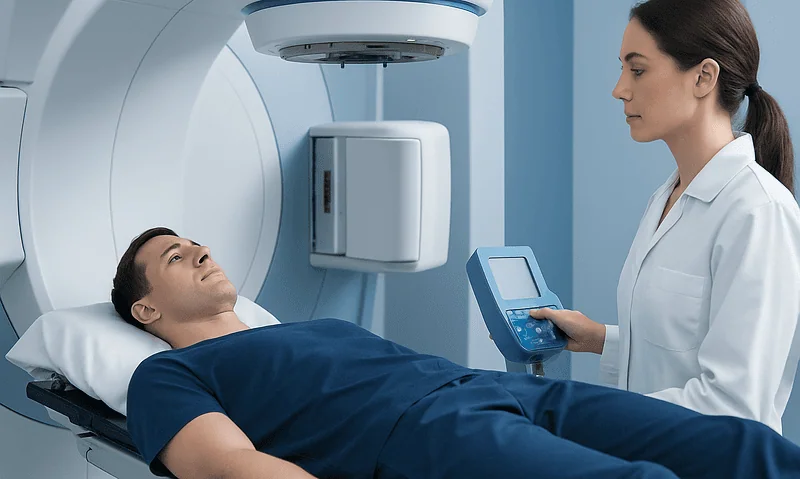
Tls Treatment: How It Works, Results and What to Expect

Tumor lysis syndrome can occur spontaneously but is most common soon after effective cancer treatment begins. TLS treatment aims to prevent kidney injury and dangerous electrolyte changes through fluids, monitoring and uric-acid-lowering medicines.
Key Takeaways
- Tumor lysis syndrome can occur spontaneously but is most common soon after effective cancer treatment begins.
- TLS treatment aims to prevent kidney injury and dangerous electrolyte changes through fluids, monitoring and uric-acid-lowering medicines.
- People with blood cancers, a high tumor burden or reduced kidney function may need preventive treatment before cancer therapy.
- TLS can be life threatening without prompt care, but early recognition and structured treatment greatly improve safety.
- Symptoms such as reduced urination, severe weakness, palpitations, seizures or confusion need urgent medical assessment.
TLS treatment manages tumor lysis syndrome, an urgent complication in which many cancer cells break down quickly and release substances into the blood. Care usually combines close laboratory monitoring, intravenous fluids and medicines that control uric acid and protect kidney and heart function.
Overview: What Is TLS Treatment?
TLS treatment refers to the preventive and emergency care used for tumor lysis syndrome (TLS). TLS is a metabolic complication that happens when a large number of cancer cells break apart over a short time. Their contents enter the bloodstream, potentially raising potassium, phosphate and uric acid levels while lowering calcium levels.
The main goals are to maintain good urine flow, support the kidneys, correct harmful blood-chemical changes and monitor the person closely while cancer treatment continues. Depending on risk and severity, care may involve intravenous fluids, medications that reduce uric acid, repeated blood tests, heart monitoring and, occasionally, dialysis.
TLS is most often associated with rapidly growing blood cancers such as leukemia and lymphoma, particularly when treatment is highly effective. It can also occur with some solid tumors or, less commonly, before treatment starts. The oncology team uses an individualized TLS treatment protocol based on the cancer type, tumor burden, kidney function, laboratory results and planned therapy.
How TLS Treatment Works: Prevention and Active Management
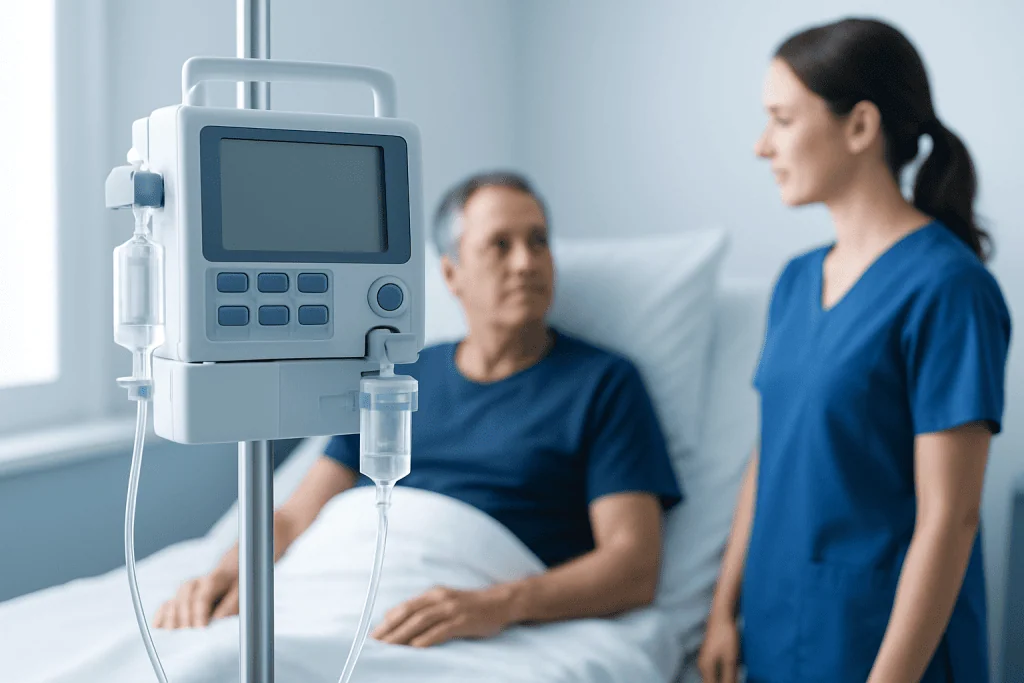
Many cases can be prevented. Before systemic cancer treatment, clinicians assess whether a person has low, intermediate or high TLS risk. This assessment guides the TLS treatment algorithm, including the setting for treatment, frequency of blood testing and whether preventive medication is needed.
Hydration is a central part of care. Intravenous fluids may be used to support circulation and help the kidneys remove uric acid and other breakdown products through urine. The medical team carefully adjusts fluids for people with heart failure, kidney disease or other conditions that make fluid overload more likely.
Medicines may be used to lower uric acid. Allopurinol reduces formation of new uric acid, while rasburicase breaks down existing uric acid more rapidly in selected higher-risk or established TLS cases. The choice depends on the clinical situation, kidney function, cancer treatment plan and individual safety considerations. Medicines may also be required to treat high potassium, high phosphate or low calcium when these changes cause symptoms or affect heart rhythm.
For severe TLS, nephrology and critical-care teams may be involved. Dialysis can temporarily replace kidney filtration when electrolyte disturbances cannot be controlled, urine output is very low, fluid overload develops or kidney failure is severe. It treats the consequences of TLS while the underlying cancer plan is reviewed by the oncology team.
Who May Need Preventive TLS Treatment?

Not everyone receiving cancer therapy needs the same level of prevention. People are more likely to need intensive monitoring or preventive TLS treatments when they have a fast-growing or treatment-sensitive cancer, a large amount of cancer in the body, high white blood cell counts or elevated markers of cell turnover such as lactate dehydrogenase.
Risk can also be higher when kidney function is reduced, a person is dehydrated, urine flow is impaired or uric acid is already elevated. Certain targeted therapies and other systemic treatments can produce a rapid treatment response, so risk assessment is important even when therapy is not traditional chemotherapy.
Clinicians may arrange treatment in hospital for people at high risk, especially for the first days of cancer therapy. Those at lower risk may be managed with oral hydration advice, selected preventive medication and scheduled laboratory testing, provided they can reliably attend follow-up and contact the team if symptoms occur.
Cancer care is often coordinated across specialties. Evaluation of the underlying malignancy may include leukemia care or lymphoma care, with hematology, oncology, nephrology and supportive-care professionals working together as needed.
What Happens During a TLS Treatment Protocol?
A TLS treatment protocol begins with baseline assessment. This commonly includes blood tests for potassium, phosphate, calcium, uric acid and kidney function, as well as a review of medications, hydration status, urine output and heart health. An electrocardiogram may be used when potassium is elevated or there is concern about an abnormal heart rhythm.
Next, the team begins preventive or therapeutic measures. Fluids and uric-acid-lowering medication are provided when indicated, while cancer treatment is started, adjusted or temporarily reviewed according to the person’s clinical status. Blood tests may be repeated every few hours in higher-risk situations because laboratory values can change rapidly.
If abnormalities emerge, clinicians treat the specific problem. High potassium requires urgent attention because it can affect heart rhythm. Phosphate elevation and calcium reduction are managed cautiously, since unnecessary calcium replacement can worsen calcium-phosphate deposits in tissues. The aim is to treat symptoms and dangerous changes while preserving kidney function.
Once laboratory values are stable, testing becomes less frequent and intravenous support may be reduced. The cancer team then continues or adapts the wider treatment plan. For people requiring systemic therapy, chemotherapy treatment may be planned alongside appropriate TLS prevention and monitoring.
Benefits, Risks and Recovery Timeline
The principal benefit of timely TLS treatment is prevention or reversal of serious complications, including acute kidney injury, heart rhythm disturbances, seizures and severe illness. Most people who are identified as at risk can receive preventive care before complications develop. The exact outlook depends on the underlying cancer, the speed of diagnosis, kidney health and how severe the metabolic changes become.
There is no single recovery timeline because TLS can range from a laboratory abnormality with no symptoms to a critical illness. In uncomplicated cases, close monitoring is often most intensive during the first several days after treatment begins, when rapid cancer-cell breakdown is most likely. Blood results may stabilize over days, though kidney recovery can take longer if kidney injury occurred.
Potential risks of treatment include fluid overload, particularly in people with heart or kidney disease, and medication-specific side effects. Rasburicase is not suitable for everyone, including people with glucose-6-phosphate dehydrogenase deficiency because it can cause serious red blood cell complications. The treating team reviews medical history and tests carefully before selecting therapy.
After discharge or stabilization, patients should follow instructions about medications, hydration and follow-up blood tests. They should not start supplements, anti-inflammatory pain medicines or other new medicines without asking their cancer team, as some products can affect kidney function or electrolyte balance.
How Fast Does Tumor Lysis Syndrome Happen?
Tumor lysis syndrome can develop quickly. It most often occurs within 12 to 72 hours after cancer treatment starts, but it may arise within hours and can continue to develop during the first week of treatment. In some people, especially those with a large burden of fast-growing cancer, TLS occurs spontaneously before therapy begins.
The speed depends on how rapidly cancer cells break down, the cancer type, the amount of disease present, baseline kidney function and the treatment being used. This is why the first days of therapy can involve frequent blood testing, even if a person initially feels well.
Symptoms do not always appear early, so normal daily functioning does not rule out TLS. Laboratory monitoring is essential because rising potassium, phosphate, uric acid or creatinine may be detected before complications occur. Patients should follow their oncology team’s testing schedule closely.
What Are the Four Hallmark Signs of Tumor Lysis Syndrome?
The four hallmark laboratory features of tumor lysis syndrome are high uric acid, high potassium, high phosphate and low calcium. These changes result from the release of cell contents during rapid cancer-cell destruction and from the effects of phosphate on calcium balance.
High potassium can cause weakness, tingling, palpitations or dangerous heart rhythm changes. High uric acid and calcium-phosphate deposits may impair kidney function, while low calcium may contribute to muscle cramps, tingling, spasms or seizures. Some people have no clear symptoms at first.
Blood tests, urine monitoring and clinical examination determine whether TLS is present and how urgently it needs treatment. A rise in creatinine, reduced urination, nausea, vomiting, lethargy or confusion can also indicate that kidney or metabolic complications require immediate attention.
Is TLS Life Threatening and When Should Medical Care Be Sought?
Yes, TLS can be life threatening if severe electrolyte changes or kidney failure are not treated promptly. High potassium may trigger dangerous heart rhythm problems, while severe low calcium can cause seizures. However, careful risk assessment, preventive measures and rapid treatment make TLS much safer for many patients.
Anyone receiving cancer treatment should contact their oncology team urgently for markedly reduced urine, persistent vomiting, severe weakness, muscle cramps, fainting, chest discomfort, palpitations, unusual sleepiness or confusion. Emergency care is needed for seizures, loss of consciousness, severe breathing difficulty or symptoms suggestive of a serious heart rhythm problem.
People should not wait for symptoms if their team has arranged blood tests or preventive medication. Following the planned TLS treatment guidelines is an important part of cancer care, particularly during the days immediately before and after treatment begins.
Acibadem International’s multidisciplinary specialists and JCI-accredited hospitals diagnose and treat TLS-related complications for international patients, coordinating oncology and kidney support when required.
Frequently asked questions
How fast does cancer spread once it is in the lymph nodes?
Cancer in lymph nodes does not have one predictable rate of spread. The pace depends on the cancer type, tumor biology, number and location of involved nodes, and whether effective treatment has started. Lymph node involvement can help guide staging and treatment planning, but it does not by itself mean cancer will spread rapidly or that TLS is present.
Can tumor lysis syndrome occur without chemotherapy?
Yes. TLS may occur spontaneously in some rapidly growing cancers with a high tumor burden. It can also develop after targeted therapies, immunotherapies, corticosteroids or other treatments that cause cancer cells to break down quickly. The oncology team assesses risk before each relevant treatment approach.
What is the difference between allopurinol and rasburicase in TLS treatment?
Allopurinol reduces the production of new uric acid but does not remove uric acid already in the blood. Rasburicase converts existing uric acid into a more easily eliminated substance and may act more quickly. A clinician chooses between them based on TLS risk, current laboratory values, kidney function and individual contraindications.
How long are patients monitored for tumor lysis syndrome?
Monitoring is usually most frequent during the first hours to several days after treatment begins, especially in people at high risk. The duration depends on laboratory trends, the cancer treatment used and kidney function. Some patients need hospital monitoring, while others can have scheduled outpatient tests.
Can drinking water prevent tumor lysis syndrome?
Staying adequately hydrated can support kidney function, but drinking water alone is not sufficient prevention for people at moderate or high TLS risk. Some patients need intravenous fluids, uric-acid-lowering medication and frequent laboratory testing. Hydration plans should be individualized by the cancer care team.
Will TLS treatment delay cancer treatment?
Preventive TLS care is often started alongside cancer treatment rather than replacing it. If severe TLS develops, clinicians may briefly adjust the timing or intensity of therapy while urgently stabilizing electrolyte levels and kidney function. Decisions are individualized to balance cancer control with immediate safety.
References
- National Cancer Institute
- American Society of Clinical Oncology
- National Comprehensive Cancer Network
- British Society for Haematology
- Merck Manual Professional Edition
This article is for general information only and is not a substitute for professional medical advice. Please consult a qualified doctor about your individual situation.
Oncology care in Turkey — second opinion and treatment plan
JCI-accredited · board-certified surgeons · reply within 24h
Add us as a Preferred Source to see more of our trusted health content across Google Search, AI Overviews and Discover.