Ear Cartilage Damage Treatment: How It Works, Results and What to Expect

Cartilage has a limited blood supply, so some ear injuries need prompt treatment to heal well. A swollen ear after a blow may be an auricular hematoma that requires drainage and compression.
Key Takeaways
- Cartilage has a limited blood supply, so some ear injuries need prompt treatment to heal well.
- A swollen ear after a blow may be an auricular hematoma that requires drainage and compression.
- Cuts, bites, piercings, and burns can damage the cartilage covering and raise the risk of infection.
- Mild injuries may heal with protection and follow-up, while deformity or tissue loss may require reconstruction.
- Increasing pain, redness, warmth, drainage, fever, or changes in ear shape should be assessed urgently.
Ear cartilage damage treatment depends on whether the injury involves a bruise, a blood collection, a cut, infection, or loss of cartilage. Early medical assessment can help preserve the ear’s shape, reduce infection risk, and guide recovery or reconstruction when needed.
Ear Cartilage Damage Treatment: How It Works
Ear cartilage damage treatment aims to protect the cartilage, restore blood supply from its surrounding tissue, prevent infection, and preserve the ear’s natural contour. The right approach depends on the cause and severity of the problem. Minor bruising may only need protection and observation, while a collection of blood beneath the skin, an open wound, or infection may need prompt clinical care.
The outer ear, also called the auricle or pinna, is shaped by flexible cartilage covered by a thin layer of tissue called the perichondrium. This covering supplies much of the cartilage’s nourishment. When it is separated from the cartilage by blood, fluid, trauma, or infection, the cartilage can be deprived of support and may heal with thickening or distortion.
Treatment may involve careful cleaning, wound closure, antibiotics when infection is suspected or confirmed, drainage of an auricular hematoma, and a pressure dressing to prevent fluid from returning. If there is established deformity, significant cartilage loss, or a complex injury, an ear, nose and throat specialist or plastic surgeon may discuss reconstructive options. Ear aesthetic surgery may be considered in selected cases to improve ear structure after healing is complete.
What Happens if Ear Cartilage Is Damaged?
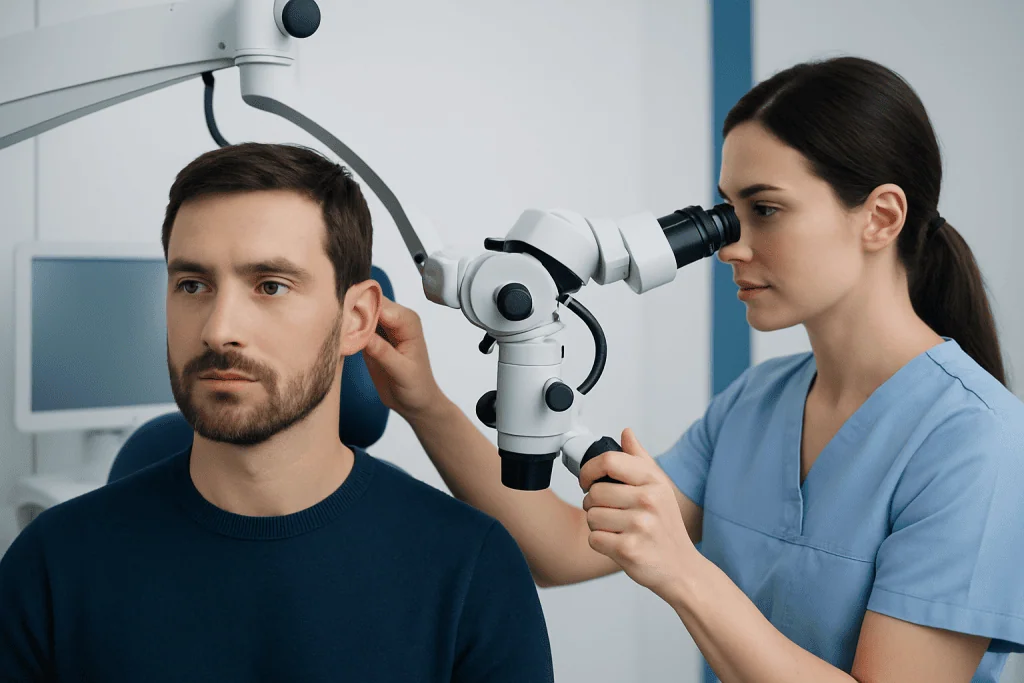
Damage to ear cartilage can cause pain, swelling, bruising, tenderness, bleeding, a cut in the skin, or a change in the ear’s outline. A direct impact during contact sports, a fall, or an accident can create a pocket of blood between the cartilage and its covering. This is called an auricular hematoma and often causes a soft, swollen area on the upper or front part of the ear.
Without timely treatment, a hematoma can interfere with the cartilage’s nutrition. The body may then form irregular scar tissue, producing a permanent lumpy or folded appearance often called cauliflower ear. Infection of the cartilage, known as perichondritis, can also cause worsening redness, warmth, throbbing pain, swelling, and sometimes discharge. It is more likely after trauma, burns, or cartilage piercing.
Not every ear injury leads to lasting damage. However, it is difficult to judge the depth of a wound or the presence of a hematoma without an examination. Prompt assessment is particularly important when the ear looks misshapen, rapidly enlarges, becomes very painful, or has a wound with visible cartilage.
Can Damaged Ear Cartilage Heal?

Damaged ear cartilage can heal, but it heals differently from skin and does not reliably regenerate to its original form. Cartilage has a limited direct blood supply and depends on the perichondrium for nourishment. Small injuries may settle with little lasting change when the covering remains healthy and the ear is protected from repeated pressure or trauma.
Deeper tears, crushed cartilage, blood collections, and infection are more likely to cause scarring, thickening, or altered shape. If a piece of cartilage has been lost, the body usually does not replace it exactly. In these situations, treatment focuses on preserving healthy tissue, preventing further damage, and considering reconstruction if appearance or function is affected.
Reconstructive care is planned individually. Specialists may use reshaping techniques, cartilage grafts, or tissue from another area when appropriate. The goals are realistic and may include improving symmetry, contour, comfort, and the ability to wear glasses or hearing devices.
Assessment and Candidacy for Treatment
A clinician will ask how and when the injury happened, whether there was a blow, bite, burn, piercing, recent surgery, or sporting injury, and whether symptoms are worsening. They will examine the outer ear for fluid collection, lacerations, tenderness, skin color changes, drainage, reduced blood flow, and signs of infection. The ear canal and eardrum may also be checked if there was significant trauma or hearing symptoms.
People are often candidates for urgent treatment when they have a suspected auricular hematoma, an open cartilage injury, signs of infection, persistent bleeding, or a change in ear shape. Children, people with diabetes or reduced immune function, and people taking medicines that affect bleeding may need especially careful assessment. A clinician may also review tetanus immunization after a contaminated wound.
Imaging is not routinely needed for a straightforward outer-ear injury. It may be used when there is concern for a more extensive facial injury, a foreign body, or damage involving nearby structures. For chronic deformity, the assessment focuses on scar tissue, remaining cartilage support, skin quality, and the person’s goals before any reconstructive procedure is planned.
Procedure Steps: Drainage, Repair and Reconstruction
For an auricular hematoma, the procedure commonly begins with cleaning the skin and numbing the area using local anesthesia. A clinician removes the blood through a needle or a small incision, depending on the size, age, and nature of the collection. The aim is to allow the perichondrium to lie back against the cartilage.
After drainage, a compression dressing, molded bolster, or carefully placed sutures may be used to maintain even pressure on both sides of the ear. This step is important because fluid can recur. Follow-up is usually arranged soon afterward so the clinician can check for reaccumulation, wound healing, and signs of infection.
For a cut involving cartilage, treatment may include irrigation, removal of clearly nonviable tissue when necessary, alignment of cartilage, and layered closure of the wound. Antibiotics may be prescribed in selected situations, particularly when contamination or cartilage infection is a concern. Established deformity or tissue loss may require planned reconstruction after inflammation has settled, often with input from ENT and plastic surgery specialists.
Acibadem International’s multidisciplinary specialists and JCI-accredited hospitals diagnose and treat ear injuries and may coordinate ENT, plastic surgery, imaging, and follow-up care for international patients when needed.
How Long Does It Take to Heal Cartilage Damage?
The healing time for cartilage damage varies with the injury. Mild bruising and swelling may improve over several days to a few weeks. A treated hematoma may require close follow-up during the first days because fluid can return, while the skin and soft tissues commonly take a few weeks to settle.
More serious injuries, including deep cuts, infection, crushed cartilage, or surgical reconstruction, can take several weeks to months to stabilize. Scar tissue may continue to mature and soften over many months. A clinician can give more individualized guidance based on the injury, the treatment used, wound healing, and whether there are complications.
During recovery, it is usually important to avoid contact sports, pressure from tight headgear, sleeping directly on the injured ear, swimming with an open wound, and unnecessary manipulation of the area until a clinician confirms it is safe. Following dressing-care instructions and attending planned reviews are important parts of protecting the result.
How Long Does It Take for Ear Cartilage to Heal?
Ear cartilage itself heals slowly because it receives limited blood flow. After a minor injury, discomfort and visible swelling may improve relatively quickly, but the deeper tissues can remain vulnerable to pressure and repeat injury for longer. For this reason, a return to sport or activities with a risk of impact should be guided by the treating clinician.
Following drainage of an auricular hematoma or repair of a cartilage laceration, the ear may need protection and monitoring for several weeks. The exact timeline depends on whether the cartilage remained well supplied, whether the injury was repaired promptly, and whether infection or recurrent fluid collection develops.
A person should not assume that a normal-looking ear is fully healed. New swelling, increasing tenderness, redness, or an uneven contour during recovery should be reviewed promptly. Early attention to these changes may help prevent a more persistent deformity.
Benefits, Risks and When to Seek Medical Care
The potential benefits of early ear cartilage damage treatment include relieving pressure and pain, reducing the chance of cartilage deformity, supporting wound healing, and treating or preventing infection. No procedure can guarantee that the ear will look exactly as it did before the injury, especially after severe trauma or delayed treatment. A clinician can explain expected results based on the individual situation.
Possible risks of drainage, repair, or reconstruction include bleeding, recurrent fluid collection, infection, scarring, altered sensation, asymmetry, wound-healing problems, and the need for further treatment. These risks may be higher after repeated trauma, with delayed care, or in people with health conditions that affect healing. Clear aftercare instructions and follow-up can help identify complications early.
When to seek medical care: Medical assessment should be sought promptly after a blow to the ear that causes a soft swelling, marked pain, or visible change in shape. Urgent care is also appropriate for a deep cut, exposed cartilage, an animal or human bite, uncontrolled bleeding, worsening redness or warmth, pus-like drainage, fever, hearing changes, dizziness, or symptoms after a significant head injury.
For prevention, people participating in wrestling, rugby, martial arts, or other contact sports can use properly fitted protective headgear. Avoid piercing through cartilage unless it is performed in a hygienic setting and aftercare instructions can be followed. Any new pain, swelling, or redness around a cartilage piercing should be assessed rather than treated only at home.
Frequently asked questions
What is the best ear cartilage damage treatment?
The best treatment depends on the type of damage. A blood collection may need drainage and compression, while a cut may need cleaning and repair, and infection may require prompt medical treatment. An examination is important because delayed treatment can increase the risk of altered ear shape.
Can an auricular hematoma go away on its own?
Small swelling may appear to improve, but a suspected auricular hematoma should be assessed promptly. Blood trapped between the skin covering and cartilage can disrupt cartilage nutrition and may lead to permanent thickening or deformity. A clinician can determine whether drainage is needed.
Can damaged ear cartilage heal?
Minor cartilage injuries can heal, particularly when the cartilage covering remains intact and the ear is protected. However, cartilage does not regenerate as predictably as skin, and deeper injury, infection, or tissue loss can leave scar tissue or a contour change. Reconstruction may be an option for selected long-term deformities.
How long does it take for ear cartilage to heal after an injury?
Symptoms from a mild injury may improve within days to weeks, but deeper cartilage recovery often takes longer. After a hematoma drainage, laceration repair, or reconstruction, follow-up and protection may be needed for weeks, with final scar and contour changes developing over months. The treating clinician should advise when normal activity can safely resume.
What does an ear cartilage infection feel like?
An infection may cause increasing pain, redness, warmth, swelling, tenderness, or drainage from the outer ear. Symptoms can follow a cartilage piercing, injury, burn, or surgery. Prompt medical assessment is important because cartilage infections can progress and affect ear shape.
Should a swollen ear after sports be checked?
Yes. Swelling after contact sports may be a bruise, but it can also be an auricular hematoma that requires timely treatment. A same-day or urgent clinical assessment is especially important if the swelling is soft, tender, enlarging, or changing the ear’s normal contours.
References
- American Academy of Otolaryngology–Head and Neck Surgery
- Merck Manual Professional Edition
- National Health Service
- Mayo Clinic
- Centers for Disease Control and Prevention
This article is for general information only and is not a substitute for professional medical advice. Please consult a qualified doctor about your individual situation.
Explore treatments in Turkey — costs, top hospitals & a free quote
JCI-accredited · board-certified surgeons · reply within 24h
Add us as a Preferred Source to see more of our trusted health content across Google Search, AI Overviews and Discover.