Does Chemotherapy Kill Parasites: How It Works, Results and What to Expect

Chemotherapy should not be used to treat a suspected parasite infection unless a specialist has prescribed it for another medical reason. Different parasites require different tests and treatments, so an accurate diagnosis is important.
Key Takeaways
- Chemotherapy should not be used to treat a suspected parasite infection unless a specialist has prescribed it for another medical reason.
- Different parasites require different tests and treatments, so an accurate diagnosis is important.
- Symptoms such as diarrhea, abdominal discomfort, itching, fever, or weight loss do not confirm a parasite infection on their own.
- Cancer treatment can weaken immune defenses, making infection assessment especially important for people receiving chemotherapy.
- Seek prompt medical care for severe symptoms, dehydration, blood in stool, high fever, or symptoms during chemotherapy.
Chemotherapy is designed primarily to treat cancer and is not a standard or reliable treatment for parasitic infections. Although some cancer medicines may affect certain organisms in laboratory settings, suspected parasites should be identified and treated with appropriate antiparasitic medication.
Overview: Does Chemotherapy Kill Parasites?
Does chemotherapy kill parasites? In general, no. Chemotherapy refers to medicines used mainly to destroy or slow the growth of cancer cells, and it is not a standard treatment for parasitic infections. Parasites are treated with medicines selected for the specific organism involved, such as drugs for intestinal worms, malaria, giardiasis, or other infections.
Some medicines can have effects on more than one type of cell or organism, and researchers may study existing medicines for possible new uses. However, this does not mean that cancer chemotherapy can safely or effectively clear parasites from the body. Taking chemotherapy without a cancer-related indication can cause serious harm and may delay the correct diagnosis.
A parasite is an organism that lives in or on a host and obtains nourishment from it. Parasites include protozoa, such as Giardia, and helminths, such as roundworms or tapeworms. The infection, its severity, the person’s health, travel history, and immune status all help determine the appropriate care.
How Chemotherapy and Antiparasitic Medicines Work
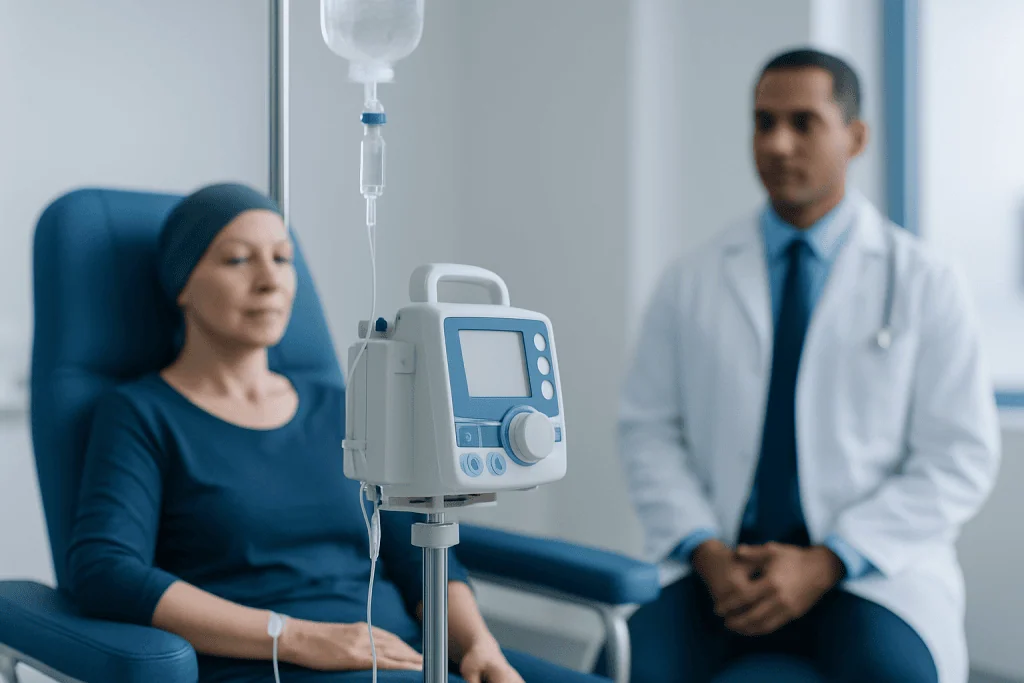
Chemotherapy medicines are chosen because they interfere with processes cancer cells need to grow and divide. Depending on the medicine, they may damage DNA, block cell division, interfere with hormone signaling, or engage the immune system against cancer. These effects can also affect healthy, rapidly dividing cells, which explains many familiar chemotherapy side effects.
Antiparasitic medicines work differently. They are selected to target biological features of a particular parasite, such as its metabolism, nervous system, protective outer structure, or ability to reproduce. A medicine that works for one parasite may not work for another, so treatment should follow clinical assessment and, when appropriate, laboratory testing.
In people receiving cancer treatment, infection symptoms should be evaluated carefully. Chemotherapy can lower certain white blood cell counts or affect protective barriers such as the mouth and intestinal lining. This may increase susceptibility to infections or make an infection more serious, but it does not make chemotherapy a parasite-clearing treatment.
Will Chemo Kill Parasites in Your Body?

Standard chemotherapy should not be expected to kill parasites in the body. Even if a person’s digestive symptoms change during chemotherapy, this does not show that parasites have been eliminated. Symptoms may change because of treatment effects on the bowel, appetite, immune system, diet, or other medications.
A clinician may consider parasite testing when symptoms, exposures, travel, food or water history, or laboratory findings make an infection plausible. Testing may include stool studies, blood tests, imaging, or other examinations, depending on the suspected parasite and affected organ. Not every digestive symptom requires parasite testing.
People with cancer should tell their oncology team about persistent diarrhea, fever, abdominal pain, new skin symptoms, unexplained weight loss, recent travel, exposure to untreated water, or contact with potentially contaminated food. The oncology and infectious disease teams can determine whether testing and targeted treatment are needed.
Candidacy and Diagnosis for Parasite Treatment
Appropriate parasite treatment begins with identifying whether an infection is present. A clinician will consider symptoms, duration, travel, drinking water and food exposures, animal contact, household exposures, sexual history when relevant, medications, immune status, and medical conditions. Some parasitic infections cause no symptoms, while others can affect the intestines, blood, liver, lungs, skin, or nervous system.
Common diagnostic steps may include a physical examination and stool testing. More than one stool sample can sometimes be needed because parasites or their eggs may not be present in every sample. Blood tests, imaging, endoscopy, or specialist assessment may be appropriate in selected situations.
People who are pregnant, very young, older, immunocompromised, or undergoing chemotherapy may need more individualized decisions. The care team will weigh the likely infection, the medicine’s safety profile, possible interactions, and whether symptoms could instead be related to cancer treatment or another condition.
- Do not self-treat based on online “parasite cleanse” claims.
- Bring a complete list of medicines and supplements to the appointment.
- Tell the clinician about international travel and untreated water exposure.
- Contact the oncology team before using any over-the-counter antiparasitic product during cancer care.
What Happens During Parasite Treatment?
There is no chemotherapy procedure for parasites. Once testing and clinical assessment support a diagnosis, treatment is tailored to the parasite and the site of infection. Some infections require a short course of oral medicine, while others require longer treatment, repeat testing, intravenous therapy, or management of complications.
The practical steps usually include confirming the likely organism, reviewing allergies and medicine interactions, prescribing a targeted medicine, and explaining how and when it should be taken. In some cases, close contacts may need evaluation, or environmental measures may be advised to reduce reinfection. The treating clinician may arrange follow-up testing when it is needed to confirm clearance.
For a person receiving chemotherapy, the oncology team may coordinate treatment timing with an infectious disease specialist, gastroenterologist, or primary care clinician. This is particularly important when blood counts are low, symptoms are severe, or treatment could interact with anticancer medicines. Acibadem International’s multidisciplinary specialists and JCI-accredited hospitals can assess infection concerns alongside cancer treatment needs for international patients.
How Do You Know If Your Body Is Flushing Out Parasites?
There is no dependable feeling or visible “flush” that proves parasites are leaving the body. Changes in bowel movements, mucus, abdominal cramping, fatigue, or material seen in stool can have many explanations, including food residue, normal intestinal mucus, medication effects, or the infection itself.
Improvement in symptoms can be encouraging, but it is not always enough to confirm that an infection has cleared. For some parasites, clinicians may recommend repeat stool tests, blood tests, or follow-up visits. For others, follow-up is based mainly on symptom resolution and the person’s risk factors.
Detox drinks, laxatives, enemas, and unregulated supplements are not reliable ways to remove parasites. They can cause dehydration, electrolyte problems, bowel irritation, or interactions with prescribed medicines. A healthcare professional can advise whether follow-up testing is necessary and what changes should prompt reassessment.
Benefits, Risks, Recovery and Expected Timeline
The benefit of targeted antiparasitic treatment is that it addresses a confirmed or strongly suspected infection with a medicine chosen for that organism. Many uncomplicated infections improve after appropriate treatment, but the timeline varies. Symptoms may begin to settle within days, while full recovery can take longer if the infection caused inflammation, dehydration, anemia, nutritional problems, or irritation of an affected organ.
Treatment risks depend on the medicine and the person’s health. Possible effects may include nausea, abdominal discomfort, headache, dizziness, rash, or changes in bowel habits. More significant reactions are uncommon but should be discussed promptly with a clinician. People on chemotherapy need particular review for drug interactions and for symptoms that may overlap with cancer treatment side effects.
How long does it take to fully get rid of parasites? It depends on the parasite, the medicine used, whether reinfection occurs, and whether the infection has spread beyond the intestines. Some infections clear after a brief prescribed course, while others require repeated or prolonged treatment and follow-up. Completing the prescribed treatment and attending recommended follow-up are more reliable than judging recovery by symptoms alone.
What organ is chemo hard on? Chemotherapy can affect several organs and body systems, depending on the specific medicine. The bone marrow, digestive tract, kidneys, liver, heart, lungs, nerves, and reproductive organs may require monitoring with certain treatments. Oncology teams use blood tests, symptom reviews, and other assessments to help identify side effects early and adjust care when needed.
When to Seek Medical Care
Medical assessment is appropriate for persistent diarrhea, stomach pain, vomiting, unexplained weight loss, prolonged itching, fever after travel, or a visible worm or unusual material in stool. These symptoms do not always indicate parasites, but testing may be helpful when there is a relevant exposure history or symptoms do not improve.
Seek urgent medical care for severe or worsening abdominal pain, repeated vomiting, inability to keep fluids down, signs of dehydration, blood or black stool, confusion, fainting, jaundice, high fever, or breathing difficulty. People receiving chemotherapy should contact their oncology team promptly for fever, persistent diarrhea, new abdominal pain, or any rapidly worsening symptom.
Prevention includes careful handwashing, drinking safe water, washing produce, cooking meat and fish thoroughly, wearing footwear where soil exposure is a concern, and following travel health advice. These steps reduce risk but do not replace medical evaluation when symptoms suggest an infection.
Frequently asked questions
Can chemotherapy cause parasite symptoms?
Chemotherapy does not usually cause parasites, but it can cause nausea, diarrhea, appetite changes, abdominal discomfort, and fatigue. These symptoms can resemble symptoms of intestinal infection. A clinician can help distinguish treatment side effects from an infection based on symptoms, examination, and testing.
Should someone take deworming medicine during chemotherapy?
A person should not start deworming medicine during chemotherapy without discussing it with the oncology team. The right medicine depends on the suspected parasite, and some products may interact with anticancer treatment or be unsuitable with certain blood, liver, or kidney findings. Testing may be recommended before treatment.
Can parasites be seen in stool?
Some parasites or worm segments can occasionally be visible, but many are too small to see. Mucus, undigested food, and other normal stool contents can also be mistaken for parasites. A laboratory test is the most reliable way to investigate a suspected intestinal parasite.
Do parasite cleanses work?
Commercial parasite cleanses are not a substitute for diagnosis and evidence-based treatment. Their ingredients may not treat the relevant organism and can cause diarrhea, dehydration, or medication interactions. A clinician can recommend targeted treatment if an infection is confirmed or strongly suspected.
Can parasites return after treatment?
Yes, reinfection can occur if a person is exposed again through contaminated food or water, poor sanitation, infected contacts, or environmental sources. In some cases, an infection may also persist if the original medicine was not appropriate for the organism. Follow-up advice and prevention measures help reduce this risk.
When should a person on chemotherapy call their cancer team about diarrhea?
They should contact the cancer team promptly for persistent diarrhea, severe abdominal pain, fever, dizziness, weakness, blood in stool, or trouble drinking enough fluids. These symptoms may be related to chemotherapy, infection, or another complication and should not be self-treated without guidance. The care team can advise on urgent assessment and testing.
References
- Centers for Disease Control and Prevention
- World Health Organization
- National Cancer Institute
- Merck Manual Consumer Version
This article is for general information only and is not a substitute for professional medical advice. Please consult a qualified doctor about your individual situation.
Chemotherapy in Turkey — costs, top hospitals & a free quote
JCI-accredited · board-certified surgeons · reply within 24h
Add us as a Preferred Source to see more of our trusted health content across Google Search, AI Overviews and Discover.