Thoracoscopy Surgery: Procedure, Recovery and Results
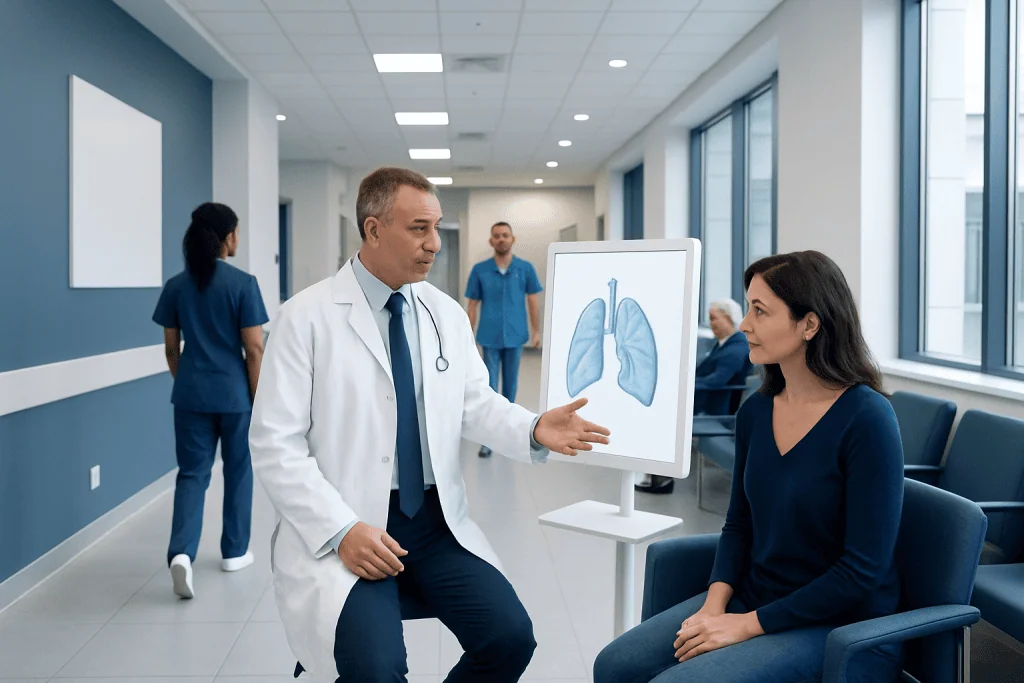
Thoracoscopy surgery is usually performed under general anesthesia through several small incisions between the ribs. It may be used to investigate fluid around the lung, take biopsies, treat collapsed lung, remove selected lung lesions, or manage pleural disease.
Key Takeaways
- Thoracoscopy surgery is usually performed under general anesthesia through several small incisions between the ribs.
- It may be used to investigate fluid around the lung, take biopsies, treat collapsed lung, remove selected lung lesions, or manage pleural disease.
- Many people leave hospital within a few days, although recovery is longer after more extensive lung surgery.
- Possible risks include pain, bleeding, infection, air leak, blood clots, and a need to change to open surgery in some cases.
- The expected outcome depends mainly on the underlying condition and the specific thoracoscopic procedure performed.
Thoracoscopy surgery is a minimally invasive chest procedure in which a surgeon uses a small camera and specialized instruments to examine, diagnose, or treat conditions affecting the lungs, pleura, chest wall, or mediastinum. Recovery varies with the reason for surgery and the treatment performed, but it is commonly faster and less painful than recovery after an open thoracotomy.
Overview: what is thoracoscopy surgery?
Thoracoscopy surgery is a procedure that allows a chest surgeon to see inside the chest using a thin tube with a camera, called a thoracoscope. It is often performed as video-assisted thoracoscopic surgery (VATS), which uses small incisions between the ribs rather than one long incision across the chest. The camera sends detailed images to a monitor, helping the surgical team examine the lungs, the lining around the lungs (pleura), the chest wall, and the area between the lungs.
Thoracoscopy may be diagnostic, therapeutic, or both. For example, it can help identify the cause of pleural effusion, obtain tissue samples when cancer or infection is suspected, treat a persistent collapsed lung, drain infected fluid, or remove certain lung nodules. The exact approach is planned around the person’s symptoms, imaging findings, overall health, and the condition being investigated or treated.
Although the term is sometimes used broadly, thoracoscopy is not the same as thoracostomy. Thoracostomy usually refers to placing a chest tube to drain air, blood, or fluid. A chest tube may be used after thoracoscopy, so thoracostomy recovery time can overlap with thoracoscopic surgery recovery, but they are different procedures.
How thoracoscopy works and who may be a candidate
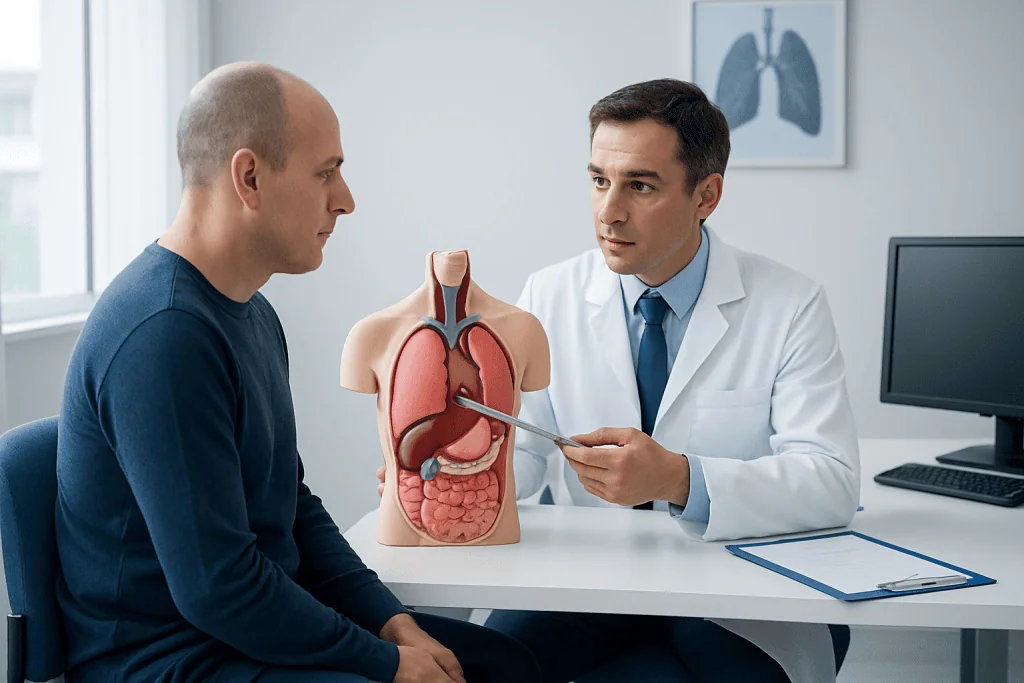
Before thoracoscopy surgery, the medical team reviews symptoms, chest imaging, medicines, allergies, and medical history. Tests may include blood tests, an electrocardiogram, breathing tests, and CT or PET imaging when appropriate. These assessments help determine whether minimally invasive surgery is suitable and whether a person can safely receive general anesthesia.
Thoracoscopy can be considered for unexplained fluid around the lung, pleural thickening, suspected infection, persistent pneumothorax, lung nodules, selected early-stage lung cancers, excessive sweating, and some mediastinal conditions. It may also be used to perform pleurodesis, a treatment intended to reduce repeated fluid buildup or recurrent lung collapse in selected patients.
Not everyone is a suitable candidate for a minimally invasive approach. Extensive scar tissue, severe bleeding risk, unstable heart or lung function, very large or complex disease, or limited access to the target area may make another approach safer. In some situations, a surgeon begins with thoracoscopy but changes to an open procedure if this is needed for visibility, bleeding control, or safe treatment.
- Diagnostic thoracoscopy: examines tissues and collects biopsies.
- Operative thoracoscopy: treats a defined problem, such as removing a lesion or managing pleural disease.
- VATS lung surgery: may include wedge resection, segmentectomy, or lobectomy for appropriate lung conditions.
What happens during a thoracoscopy procedure?
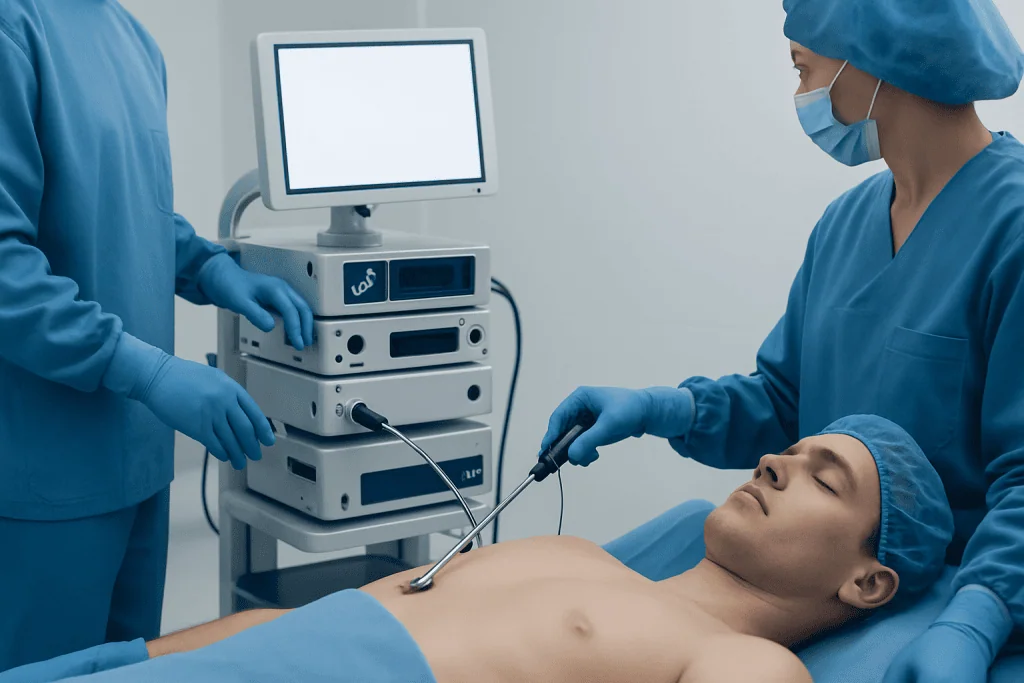
Thoracoscopy surgery is commonly done under general anesthesia, meaning the person is asleep and does not feel the operation. An anesthesiologist closely monitors breathing, blood pressure, heart rhythm, oxygen levels, and comfort throughout the procedure. The patient is usually positioned on their side so the surgeon can reach the affected side of the chest.
The surgeon makes one or more small incisions between the ribs and inserts the camera through one opening. Specialized instruments are placed through other openings as needed. The surgeon may inspect the pleura and lung surface, remove fluid, take biopsies, divide adhesions, repair a source of air leakage, perform pleurodesis, or remove part of the lung depending on the surgical plan.
At the end of the operation, one or more chest tubes are often placed temporarily. These tubes remove air and fluid and allow the lung to re-expand. The incisions are closed, covered with dressings, and the person is moved to a recovery area for close observation. The results of biopsies are usually not available immediately because tissue is sent to a laboratory for detailed examination.
How long does a thoracoscopy take?
A thoracoscopy can take from about 30 minutes to several hours. A relatively straightforward diagnostic examination or pleural biopsy may be shorter, while a more complex procedure such as removal of lung tissue, treatment of severe infection, or surgery involving scar tissue can take longer.
The total time spent in the operating suite is often longer than the procedure itself. This includes anesthesia preparation, positioning, safety checks, awakening from anesthesia, and transfer to the recovery area. The surgical team can provide a more personalized estimate after reviewing the planned procedure and imaging.
Unexpected findings can also affect the duration. For example, additional biopsies, control of bleeding, dense adhesions, or conversion to an open operation may extend surgery. A longer operating time does not necessarily mean there has been a complication; it may reflect the care needed to complete the procedure safely.
Thoracoscopy recovery time and aftercare
Thoracoscopy recovery time depends on why the operation was done and how much treatment was required. After a simple diagnostic thoracoscopy, some people return home the same day or after an overnight stay. After operative VATS or lung resection, hospital stay may be several days, particularly while a chest tube remains in place and pain control, breathing, and mobility are monitored.
In the first days after surgery, mild to moderate pain around the incisions, tiredness, a sore throat from the breathing tube, and discomfort with deep breathing can occur. Pain management is important because it supports effective coughing, deep breathing, and early walking. These measures can help lower the risk of chest infection and blood clots.
Thoracoscopic surgery recovery often allows a return to light daily activities within a few weeks, but full recovery can take longer after lung tissue removal or when underlying lung disease is present. The thoracoscopic surgery recovery time is usually shorter than thoracotomy surgery recovery time, as open surgery involves a larger incision and more chest-wall muscle disruption. People should follow their surgeon’s instructions about wound care, driving, work, exercise, lifting, and travel.
- Take prescribed pain medicines exactly as directed and discuss side effects or inadequate relief.
- Walk regularly as advised, increasing activity gradually rather than pushing through significant pain or breathlessness.
- Practice breathing exercises or use an incentive spirometer if the care team recommends one.
- Keep incision sites clean and dry according to discharge instructions, and avoid smoking or vaping.
Is thoracoscopy a major surgery?
Thoracoscopy is still surgery inside the chest and is performed under anesthesia, so it should be taken seriously. However, it is generally considered less invasive than an open thoracotomy because it uses small incisions and a camera rather than a larger chest incision with rib spreading. This can mean less postoperative pain, fewer wound-related concerns, and a quicker return to normal activity for many patients.
Whether it is described as major surgery depends on what is done during the procedure. A diagnostic biopsy is typically less extensive than a thoracoscopic lobectomy, which removes an entire lobe of the lung. The person’s age, heart and lung health, and the presence of infection, cancer, or other illness also influence the overall level of risk and recovery needs.
Even after minimally invasive surgery, careful postoperative monitoring is important. The care team checks for adequate oxygen levels, lung expansion, pain control, bleeding, and drainage from any chest tube. Patients should ask their surgeon what the planned operation involves and what recovery restrictions are expected in their individual case.
Benefits, risks, and what results can mean
The main benefits of thoracoscopy surgery are direct visualization of the chest and the ability to diagnose or treat some conditions through smaller incisions. Compared with open surgery, it may reduce tissue trauma and support a shorter hospital stay and faster functional recovery in appropriately selected patients. It can also provide tissue samples that are essential for making an accurate diagnosis and planning further care.
As with any operation, thoracoscopy has potential risks. These include bleeding, infection, reactions to anesthesia, pain, pneumonia, blood clots, injury to nearby structures, persistent air leak, and fluid buildup. In some cases, the surgeon may need to convert to thoracotomy to complete treatment safely. The medical team discusses relevant risks before surgery and takes steps to reduce them.
The meaning of a successful result differs by procedure. For diagnostic thoracoscopy, success may mean obtaining enough tissue to establish a diagnosis. For treatment, it may mean resolving an air leak, draining infection, reducing recurrent fluid buildup, or completely removing a targeted lesion. Follow-up may include wound review, chest imaging, pathology discussion, and care with respiratory, oncology, infectious disease, or other specialists as appropriate.
What is the success rate of thoracoscopy?
There is no single success rate for thoracoscopy because it is used for many different reasons. The expected result depends on whether the procedure is diagnostic or therapeutic, the underlying condition, the extent of disease, the person’s health, and the specific operation performed. A surgeon can explain the likely benefit and limitations for an individual situation.
For diagnostic procedures, thoracoscopy is valued because it enables direct inspection and targeted biopsies of abnormal areas. For therapeutic procedures, success is assessed according to the treatment goal, such as controlling pleural fluid, managing a collapsed lung, treating infection, or removing a lung lesion. Sometimes additional treatment is needed after surgery, particularly when pathology identifies cancer or a complex infection.
It is helpful to ask about the goal of the procedure, the chance of needing further treatment, and the findings that could change the surgical plan. Clear discussion before surgery supports informed decisions and realistic expectations about recovery and follow-up.
When to seek medical care
After thoracoscopy, patients should contact their surgical team promptly for worsening shortness of breath, chest pain that is severe or new, fever, increasing redness or drainage from an incision, coughing up blood, or pain that is not controlled by the recommended plan. These symptoms do not always indicate a serious problem, but they should be assessed without delay.
Emergency medical care is appropriate for sudden severe breathing difficulty, fainting, blue or gray lips, severe chest pressure, heavy bleeding, or signs of a severe allergic reaction. Patients should not drive themselves if they feel unwell or have taken sedating pain medicine.
Acibadem International’s multidisciplinary specialists and JCI-accredited hospitals evaluate and treat chest conditions for international patients, with care coordinated around the diagnosis, surgery, and follow-up plan.
Frequently asked questions
How long does it take to recover from a thoracoscopy?
Recovery can range from days to several weeks, depending on whether the procedure was diagnostic or involved more extensive treatment. Many people resume light activities within a few weeks, while recovery after lung resection or treatment of serious chest disease may take longer. The surgeon’s activity guidance should take priority over general timelines.
Is thoracoscopy a major surgery?
Thoracoscopy is an operation performed inside the chest, often under general anesthesia, so it requires careful preparation and recovery. It is usually less invasive than open thoracotomy because it uses small incisions. Its overall complexity depends on whether it is used for a biopsy, pleural treatment, or removal of lung tissue.
What is the success rate of thoracoscopy?
A single success rate does not apply to all thoracoscopy procedures. Success may mean obtaining a diagnosis, draining infection, stopping a recurrent air leak, controlling pleural fluid, or removing a lesion. The expected outcome is best discussed in relation to the specific condition and planned operation.
How long does a thoracoscopy take?
A thoracoscopy may take around 30 minutes to several hours. Diagnostic procedures are often shorter than operations involving lung resection, infection treatment, or complex scar tissue. Preparation and recovery from anesthesia add to the total time spent in the surgical area.
Is thoracoscopy painful after surgery?
Some incision and chest-wall discomfort is expected after thoracoscopy, especially when taking deep breaths, coughing, or moving. Pain is usually managed with a combination of medicines and breathing or mobility strategies. Patients should tell their team if pain is limiting deep breathing, walking, or sleep.
How does thoracoscopic surgery recovery compare with thoracotomy recovery?
Thoracoscopic surgery recovery is often quicker than thoracotomy surgery recovery because the incisions are smaller and rib spreading is generally avoided. However, the amount of lung tissue removed and the person’s general health can have a major effect on recovery. An open thoracotomy may still be the safest option in certain clinical situations.
References
- American Thoracic Society
- Society of Thoracic Surgeons
- National Heart, Lung, and Blood Institute
- MedlinePlus
- National Cancer Institute
This article is for general information only and is not a substitute for professional medical advice. Please consult a qualified doctor about your individual situation.
Explore treatments in Turkey — costs, top hospitals & a free quote
JCI-accredited · board-certified surgeons · reply within 24h
Add us as a Preferred Source to see more of our trusted health content across Google Search, AI Overviews and Discover.
Check your numbers in seconds
BMI, calories, due date, blood pressure and 30+ more clinical calculators — free, instant, doctor-reviewed ranges.