Testosterone Therapy and Prostate Cancer: How It Works, Results and What to Expect

Testosterone replacement therapy and prostate cancer hormone therapy have opposite effects on testosterone levels. Most men with active or advanced prostate cancer should not start testosterone replacement therapy without specialist guidance.
Key Takeaways
- Testosterone replacement therapy and prostate cancer hormone therapy have opposite effects on testosterone levels.
- Most men with active or advanced prostate cancer should not start testosterone replacement therapy without specialist guidance.
- Selected prostate cancer survivors with persistent low testosterone symptoms may be considered for treatment after careful assessment and ongoing PSA monitoring.
- Androgen deprivation therapy can control prostate cancer for months to years, but its duration and outcomes depend on cancer stage, biology and other treatments.
- Treatment decisions should be made jointly with a urologist, medical oncologist and, when appropriate, radiation oncologist or endocrinologist.
Testosterone therapy and prostate cancer are closely linked, but the term can describe two very different approaches. Testosterone replacement therapy may be considered cautiously for selected men with low testosterone after prostate cancer treatment, while hormone therapy for prostate cancer lowers or blocks testosterone to slow cancer growth.
Overview: Testosterone Therapy and Prostate Cancer
Testosterone therapy and prostate cancer need careful distinction. Testosterone replacement therapy (TRT) raises testosterone in men with clinically confirmed testosterone deficiency, whereas hormone therapy for prostate cancer, also called androgen deprivation therapy (ADT), lowers testosterone or blocks its effects because many prostate cancers use androgens as a growth signal.
Historically, clinicians avoided TRT in anyone with a history of prostate cancer. Evidence has evolved, and some carefully selected survivors with treated, stable disease and troublesome low-testosterone symptoms may now be considered for TRT under close specialist supervision. This does not mean it is suitable for everyone, particularly people with active, recurrent, metastatic or high-risk disease.
Prostate cancer care is individualized. The cancer’s grade, stage, PSA pattern, prior treatment, current imaging, symptoms, life expectancy and personal priorities all influence decisions. A discussion with the treating cancer team is the safest starting point before beginning, stopping or changing any hormone-related medicine.
How Testosterone and Prostate Cancer Hormones Work
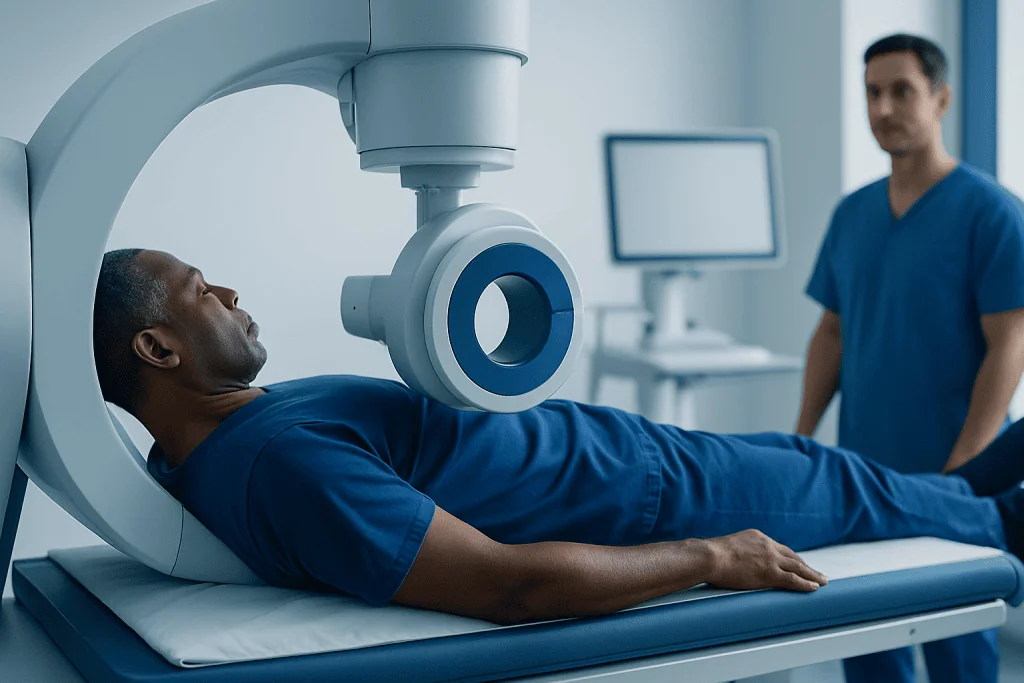
Testosterone is produced mainly in the testes and contributes to sexual function, muscle and bone health, red blood cell production, energy and mood. Testosterone is converted in prostate tissue to dihydrotestosterone, a more potent androgen. Normal prostate cells and many prostate cancer cells can respond to these hormones.
ADT works by reducing androgen stimulation. Depending on the medicine used, it may suppress testosterone production in the testes, block androgen receptors on cancer cells, or both. It is commonly used with radiation therapy for some higher-risk localized cancers, as treatment for recurrent cancer, and as a key treatment for metastatic prostate cancer.
TRT is different: it aims to restore testosterone levels in a person whose repeated blood tests and symptoms support a diagnosis of hypogonadism. Forms may include gels, injections, patches, implants or other preparations. In someone with a prostate cancer history, the possible benefit of relieving deficiency symptoms must be weighed against uncertainty about whether higher hormone exposure could stimulate remaining cancer cells.
For men whose cancer needs testosterone suppression, prostate cancer treatment may involve ADT alone or in combination with surgery, radiation, chemotherapy or newer hormone-targeted medicines. The appropriate plan depends on the individual cancer rather than on testosterone level alone.
Who May Be a Candidate for Testosterone Replacement After Prostate Cancer?

Potential candidacy begins with confirming true testosterone deficiency. Symptoms can include reduced sexual desire, fewer spontaneous erections, fatigue, low mood, reduced muscle mass, hot flashes and loss of bone density, but these symptoms are not specific to low testosterone. Clinicians usually confirm the diagnosis with at least two early-morning testosterone blood tests and consider other possible causes.
TRT may be discussed in selected men who have completed treatment for localized prostate cancer, have no clinical evidence of recurrence, and have stable or undetectable PSA results over an appropriate follow-up period. The timing is not identical for every person. It depends on the original cancer risk, the treatment received and how PSA should behave after that treatment.
Men with untreated cancer, a rising PSA without explanation, known recurrent cancer or metastatic prostate cancer are generally not candidates for routine TRT. Caution is also needed for people with significant urinary symptoms, elevated red blood cell levels, untreated sleep apnea, serious heart disease or a history of blood clots.
The decision is best made through shared decision-making. It should include a clear conversation about uncertain long-term risks, realistic symptom goals, alternatives to TRT and a plan for monitoring. A diagnosis of prostate cancer does not automatically rule out every future discussion of TRT, but it makes specialist assessment essential.
What to Expect: Assessment, Treatment Steps and Monitoring
There is no single procedure for testosterone therapy. The process usually starts with a medical history, physical examination and review of cancer records, including pathology results, treatment details, PSA values and imaging when relevant. Blood tests may include total testosterone, blood count, liver-related tests and other assessments guided by the person’s medical history.
If TRT is considered appropriate, the clinician and patient choose a formulation based on medical factors, preferences and ability to attend monitoring. Treatment is often started conservatively, with a planned review of symptoms, testosterone level, PSA and blood count. Men should not use over-the-counter testosterone products or anabolic steroids, as their contents and safety may be uncertain.
Monitoring is a central part of care. PSA and prostate-related symptoms require regular review, especially during the first year. A meaningful PSA rise, a new prostate finding or concerning symptoms may lead the specialist to pause treatment and investigate. Monitoring also checks for high hematocrit, which can make the blood more concentrated.
ADT is administered differently. It may involve injections or implants given at intervals, tablets, or medicines combined with other treatments. Some people receive it for a fixed period with radiation; others need longer-term treatment to control recurrent or metastatic disease. The oncology team explains the schedule and monitoring plan before treatment begins.
Benefits, Recovery Timeline and Possible Risks
For men with confirmed low testosterone, successful TRT may gradually improve sexual desire, energy, mood, anemia, lean body mass and bone health. Changes are usually gradual rather than immediate. Sexual interest and energy may change over weeks to months, while body composition and bone-related benefits can take longer. The response varies, and TRT does not reliably restore erections when nerve, blood vessel or treatment-related erectile dysfunction is the main cause.
TRT does not have a surgical recovery period. A person can usually continue normal daily activities, although follow-up appointments and blood tests are important. Side effects may include acne, fluid retention, breast tenderness, reduced sperm production, testicular shrinkage and increased red blood cell count. Fertility may be affected, so men wishing to father children should discuss alternatives before treatment.
ADT may provide an important cancer-control benefit by slowing androgen-sensitive cancer growth, reducing PSA and easing symptoms in some people. However, lowering testosterone can cause hot flashes, fatigue, reduced sexual function, loss of muscle mass, weight changes, bone thinning, mood changes and metabolic or cardiovascular risks. Supportive care can include physical activity, nutrition guidance, bone-health assessment and treatment for specific symptoms.
Neither TRT nor ADT should be judged only by a single laboratory result. The goal is to improve overall health and quality of life while protecting cancer control. The clinical team will reassess treatment if benefits are limited, side effects are difficult, or cancer monitoring results change.
Should Prostate Cancer Survivors Take Testosterone?
Some prostate cancer survivors may be considered for testosterone replacement, but it is not a routine recommendation for all survivors. The decision is most often considered when low testosterone is confirmed repeatedly, symptoms are significant, cancer treatment has been completed, and PSA is stable with no evidence of active disease.
Research in selected groups of treated survivors has not shown a clear increase in recurrence with carefully monitored TRT, but long-term evidence remains limited. The available studies do not establish that TRT is risk-free, especially for men with aggressive cancer features or a higher likelihood of recurrence.
A urologist or oncologist should review the original tumor characteristics and follow-up results before TRT begins. If treatment is started, regular PSA testing and clinical review are essential. New urinary symptoms, bone pain, unexplained weight loss or a PSA change should be assessed promptly rather than assumed to be a testosterone-treatment effect.
What Is the Life Expectancy After Starting Hormone Therapy for Prostate Cancer?
Life expectancy after starting hormone therapy for prostate cancer cannot be predicted from hormone therapy alone. It depends mainly on whether the cancer is localized, recurrent or metastatic; how quickly it is growing; where it has spread; response to treatment; other medical conditions; and whether additional treatments are used.
For some men, ADT is given for a limited time alongside radiation therapy with the aim of curing localized higher-risk cancer. For others with recurrent or metastatic disease, it may control cancer for a prolonged period but is usually part of long-term disease management. Modern treatment combinations can improve outcomes for many suitable patients, but individual prognoses vary widely.
The treating oncology team can provide the most meaningful estimate after reviewing PSA trends, scans, pathology and response to therapy. Asking about the treatment goal, expected monitoring, treatment options at progression and ways to preserve quality of life can help patients and families plan with clearer information.
What Is the Most Successful Treatment for Prostate Cancer?
There is no single most successful treatment for every prostate cancer. For low-risk, slow-growing cancer, active surveillance may safely avoid or delay treatment while monitoring PSA, examination findings, imaging and repeat testing. For localized cancer needing treatment, surgery or radiation therapy can both provide a chance of cure, depending on the clinical situation.
Higher-risk localized disease may be treated with radiation combined with a planned course of ADT, or with surgery followed by additional treatment if needed. Advanced or metastatic cancer is commonly treated with ADT plus other systemic therapies, selected according to the cancer’s features and the person’s overall health.
The best approach balances cancer control with possible effects on urinary, bowel, sexual, hormonal and general health. A multidisciplinary review can be useful when choices are complex. Acibadem International’s multidisciplinary specialists and JCI-accredited hospitals diagnose and treat prostate cancer for international patients.
How Long Can a Man Stay on Hormone Therapy for Prostate Cancer Side Effects?
The duration of ADT depends on why it is being used. With radiation for localized cancer, hormone therapy may be prescribed for a defined number of months or longer based on cancer risk. For recurrent or metastatic disease, treatment may continue as long as it controls the cancer and side effects remain manageable, sometimes with adjustments or additional medicines.
Side effects do not necessarily mean treatment must stop. The care team can assess hot flashes, sexual changes, fatigue, mood symptoms, bone loss, weight changes and cardiovascular risk, then offer practical management strategies. Resistance exercise, regular walking or other aerobic activity, adequate protein and calcium intake, smoking cessation, sleep support and mental health care can be valuable parts of supportive care.
Testosterone levels may recover gradually after a time-limited course of ADT ends, but recovery varies and can take many months or longer. Age, baseline testosterone level, treatment duration and the type of therapy all matter. Patients should not stop ADT because of side effects without first speaking to their oncology team, as abrupt changes may affect cancer control.
When to Seek Medical Care
Men should arrange a medical review before using any testosterone product if they have a current or past diagnosis of prostate cancer. They should also seek advice for persistent low libido, fatigue, reduced erections, hot flashes or other symptoms that may be related to low testosterone, cancer treatment or another health condition.
Prompt medical assessment is important for new difficulty passing urine, blood in urine, persistent bone pain, unexplained weight loss, worsening weakness or a notable change in PSA results. These symptoms can have many causes, but they deserve evaluation in someone with prostate cancer history.
People receiving ADT should tell their care team about severe mood changes, chest pain, shortness of breath, leg swelling, fainting or symptoms that significantly affect daily life. Regular scheduled reviews are an important opportunity to address side effects early and maintain a safe, individualized treatment plan.
Frequently asked questions
Can testosterone replacement cause prostate cancer to return?
The available evidence in carefully selected, treated prostate cancer survivors has not shown a clear increase in recurrence, but the long-term evidence is still limited. TRT may not be appropriate for people with active, recurrent, metastatic or higher-risk disease. A specialist should review PSA results and cancer history before and during treatment.
Is testosterone replacement the same as hormone therapy for prostate cancer?
No. Testosterone replacement therapy raises low testosterone to treat confirmed deficiency. Hormone therapy for prostate cancer, usually ADT, lowers testosterone or blocks its action to slow the growth of androgen-sensitive cancer cells.
How is low testosterone diagnosed after prostate cancer treatment?
Diagnosis requires symptoms consistent with testosterone deficiency and repeated low early-morning blood testosterone measurements. A clinician will also assess other possible causes, such as medication effects, sleep problems, depression, thyroid disease or the effects of prior cancer treatment.
How often is PSA checked during testosterone replacement after prostate cancer?
The schedule is individualized, but PSA is commonly checked before treatment and at regular intervals after starting it, particularly in the first year. The treating urologist or oncologist sets the schedule based on cancer risk, prior treatment and PSA history.
Can testosterone recover after androgen deprivation therapy ends?
Testosterone may recover after a time-limited ADT course ends, but the rate and completeness of recovery vary. Recovery can take months or longer and may be less likely after longer treatment, with increasing age, or when testosterone was already low before ADT.
Can lifestyle changes help with hormone therapy side effects?
Regular resistance and aerobic exercise, a balanced diet, attention to bone health, good sleep and smoking cessation can help support strength, weight, mood and cardiovascular health during ADT. These measures do not replace prescribed treatment, and an individual plan should be discussed with the cancer care team.
References
- American Cancer Society
- National Cancer Institute
- American Urological Association
- European Association of Urology
- National Comprehensive Cancer Network
This article is for general information only and is not a substitute for professional medical advice. Please consult a qualified doctor about your individual situation.
Prostate Cancer in Turkey — costs, top hospitals & a free quote
JCI-accredited · board-certified surgeons · reply within 24h
Add us as a Preferred Source to see more of our trusted health content across Google Search, AI Overviews and Discover.