

What Not to Do after Stem Cell Treatment: How It Works, Results and What to Expect
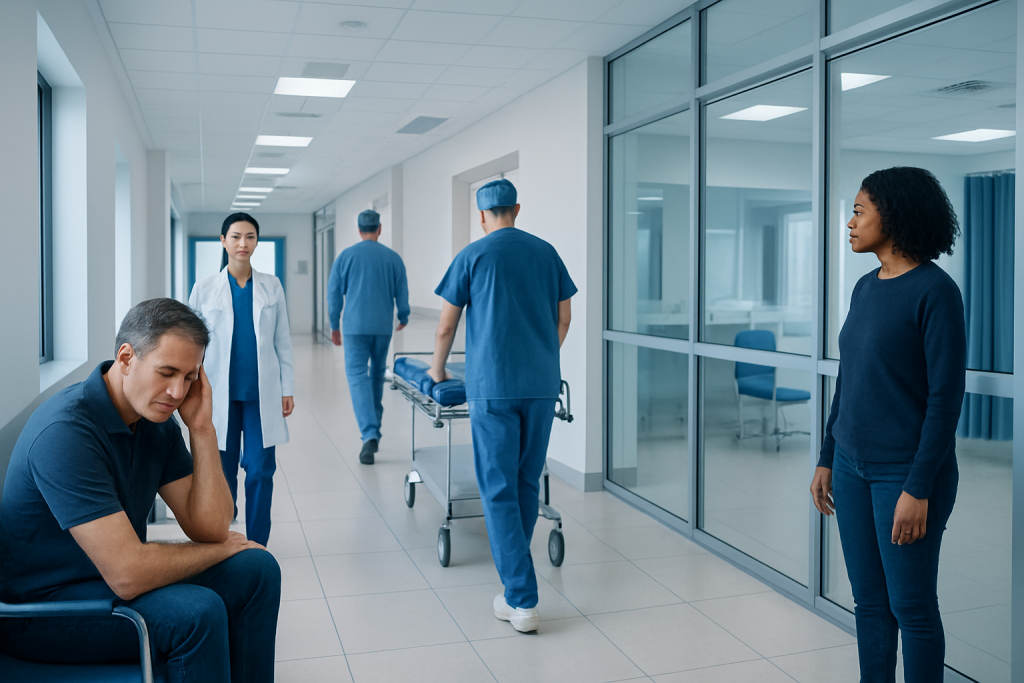
After a stem cell transplant, infection prevention and medication adherence are central to safe recovery. Recovery time varies widely according to the condition treated, stem cell source, treatment intensity and complications.
Key Takeaways
- After a stem cell transplant, infection prevention and medication adherence are central to safe recovery.
- Recovery time varies widely according to the condition treated, stem cell source, treatment intensity and complications.
- Fatigue, nausea, mouth soreness and low blood counts are common during early transplant recovery.
- Unregulated stem cell products may carry significant risks and should not be considered equivalent to established transplant care.
- Fever, breathing difficulty, uncontrolled vomiting, new bleeding or sudden worsening symptoms require prompt medical advice.
What not to do after stem cell treatment depends on whether a person has had a stem cell transplant or another medically supervised stem cell procedure. In general, patients should follow their transplant team’s instructions, protect themselves from infection, take prescribed medicines exactly as directed, and avoid overexertion while the body recovers.
Overview: what not to do after stem cell treatment
What not to do after stem cell treatment includes avoiding exposure to infections, skipping prescribed medicines, using non-approved supplements without asking the care team, and returning to strenuous activity before recovery is established. After a stem cell transplant, the immune system and blood counts may be temporarily weak, so the treating team’s personal aftercare plan should always take priority over general advice.
The phrase “stem cell treatment” can describe very different medical interventions. The best-established use is a hematopoietic stem cell transplant, also called a bone marrow or blood stem cell transplant, used for selected blood cancers, bone marrow disorders and immune conditions. Other stem cell-based approaches are being researched, but not all are proven, regulated or appropriate for every condition.
Aftercare differs for an autologous transplant, which uses a person’s own collected stem cells, and an allogeneic transplant, which uses donor stem cells. Allogeneic transplantation usually needs more intensive follow-up because donor immune cells can react against the recipient’s tissues. Patients should keep a written copy of their discharge instructions and know how to contact their transplant team day and night.
How stem cell treatment works and who may be a candidate
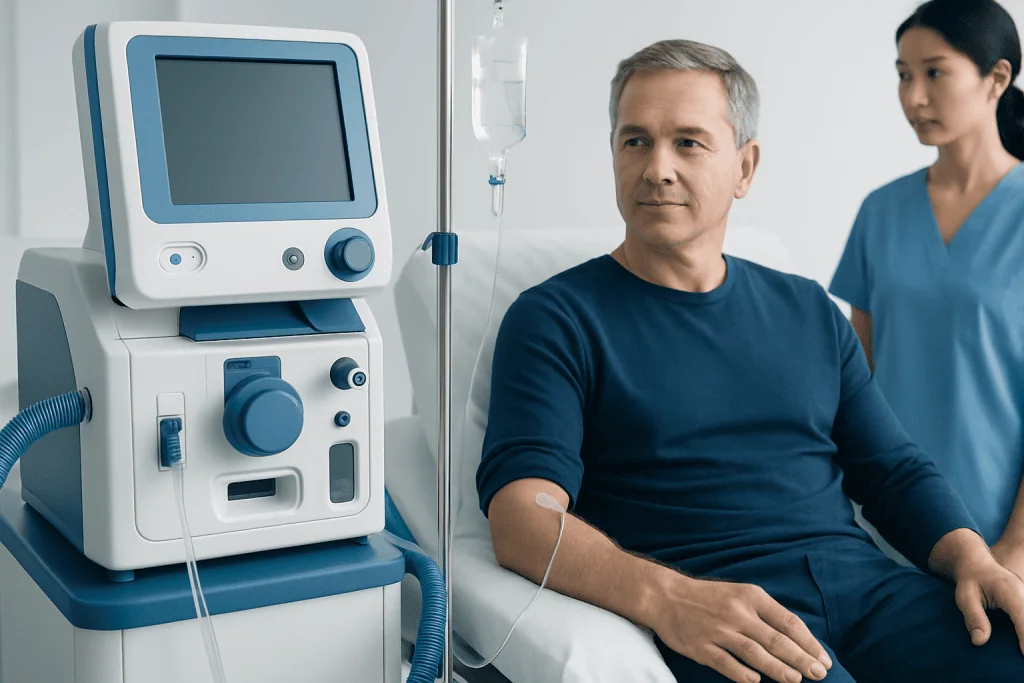
Blood-forming stem cells are immature cells that can develop into the blood cells needed to carry oxygen, fight infection and help blood clot. In a stem cell transplant, high-dose chemotherapy, radiation therapy in some cases, or other conditioning treatment may be used to treat diseased marrow or suppress an unhealthy immune system. Stem cells are then infused into a vein, where they travel to the bone marrow and begin producing new blood cells.
A transplant may be considered for conditions such as leukemia, lymphoma, multiple myeloma, aplastic anemia and certain inherited blood or immune disorders. It may be part of care for leukemia or multiple myeloma, among other conditions. Whether transplantation is suitable depends on the diagnosis, response to other treatments, disease stage, age, overall health, organ function, infection status and the availability of a compatible donor when donor cells are needed.
Before recommending treatment, clinicians assess the likely benefit alongside the risks. This usually includes blood tests, heart and lung evaluation, imaging when appropriate, infection screening and discussions about fertility, nutrition, emotional support and practical arrangements for recovery. A transplant is a major treatment, and informed consent should include a clear discussion of alternatives and expected follow-up.
What happens during the procedure and early recovery

For an autologous transplant, stem cells are commonly collected from the bloodstream in advance and frozen. For an allogeneic transplant, a matched donor provides stem cells, usually through a blood-cell collection process. The patient then receives conditioning treatment, followed by stem cell infusion through a central venous catheter. The infusion itself is often similar to receiving a blood transfusion and does not involve surgery to place cells directly into bone.
Over the following days and weeks, clinicians monitor for engraftment, meaning the new stem cells begin producing blood cells. Until this occurs, a person may have very low white blood cell, red blood cell and platelet levels. They may need transfusions, antibiotics or antiviral medicines, anti-nausea treatment, nutritional support and close laboratory monitoring.
Many people remain in hospital during the period of lowest blood counts, while others may receive some care as outpatients if they live nearby and have reliable support. The exact plan varies. Stem cell transplant care involves coordinated monitoring by hematology, oncology, infectious disease, nursing, nutrition and rehabilitation professionals as needed.
What not to do after stem cell therapy
After a transplant, patients should not assume they can resume their usual routine as soon as they leave hospital. They should avoid crowded indoor settings and close contact with people who have fever, cough, vomiting, diarrhea or other signs of infection, especially while blood counts remain low or while taking immune-suppressing medicines. The transplant team may recommend a mask in certain public places and will advise when these precautions can be eased.
Patients should not stop, change or miss prescribed medicines without medical guidance. This is particularly important for anti-infective medicines and immune-suppressing treatment after an allogeneic transplant. They should also avoid herbal products, vitamins, over-the-counter medicines and alcohol unless the care team says they are safe, because these can interact with treatment or affect the liver, kidneys, bleeding risk or immunity.
Food safety is also important. Patients should avoid raw or undercooked eggs, meat, seafood and sprouts, as well as unpasteurized milk, juice and cheese. They should not share personal items such as razors or toothbrushes, handle animal waste, garden in soil without appropriate precautions, or undertake heavy exercise before their team approves it. Smoking and recreational drug use can hinder healing and increase complications.
- Do not delay scheduled blood tests, clinic appointments or calls to the transplant team.
- Do not receive vaccines, including live vaccines, without transplant-team approval.
- Do not travel far from the treatment center during the early recovery period unless the team agrees.
- Do not rely on commercial or unregulated stem cell products as substitutes for evidence-based medical care.
What are the potential downsides of stem cell therapy?
The potential downsides depend greatly on the type of therapy. For established stem cell transplantation, short-term effects can include profound fatigue, nausea, diarrhea, mouth and throat inflammation, appetite changes, hair loss and low blood counts. Low white blood cell counts raise infection risk, while low platelets can increase bruising or bleeding. These effects can be distressing, but the transplant team has strategies to monitor and manage many of them.
More serious complications may include bloodstream infection, pneumonia, organ toxicity, blood clots, bleeding, infertility, cataracts and secondary cancers later in life. In allogeneic transplantation, graft-versus-host disease can occur when donor immune cells attack the recipient’s skin, liver, digestive tract or other tissues. This can be acute or chronic and requires specialist assessment and treatment.
Not every intervention marketed as “stem cell therapy” has the same evidence or safety oversight as a transplant performed in an accredited medical center. Unproven treatments may be expensive and can cause infection, immune reactions, abnormal tissue growth, contamination or delayed access to effective treatment. A qualified specialist can explain whether a proposed stem cell intervention is approved, supported by evidence and suitable for the individual’s condition.
What are the worst days after a stem cell transplant?
For many transplant recipients, the most difficult phase is often the period after conditioning treatment and before engraftment, commonly around the first one to three weeks after infusion. During this time, blood counts may be at their lowest, and fatigue, mouth sores, nausea, diarrhea, fever or infection can occur. However, there is no single “worst day,” because recovery differs considerably between individuals and transplant types.
Engraftment is often a turning point, as white blood cell counts begin to recover and infection risk may gradually fall. Even then, a person can still feel weak and may require frequent monitoring, transfusions or medicines. Patients receiving donor cells also need ongoing surveillance for graft-versus-host disease, which can develop weeks, months or sometimes longer after the transplant.
Physical symptoms are only one part of recovery. Isolation precautions, disrupted sleep, uncertainty and prolonged time away from normal roles can affect mood and well-being. Patients should tell their team about anxiety, low mood, sleep problems or difficulty coping. Psychological support, social work services, rehabilitation and support from family or trusted caregivers can be valuable parts of care.
How long should you rest after stem cell therapy?
There is no fixed rest period after stem cell therapy. Following a stem cell transplant, many people need several weeks to recover from the immediate effects of conditioning and low blood counts, and several months before energy and daily functioning improve more substantially. Full immune recovery can take many months and may take longer after an allogeneic transplant or when immune-suppressing medicines are still required.
Rest should be balanced with gentle, medically approved movement. Short walks, light stretching and gradual activity can help maintain muscle strength, reduce deconditioning and support sleep, but activity should be increased slowly. A patient should stop and contact the team if activity causes chest pain, severe breathlessness, dizziness, fainting, unusual bleeding or a major worsening of fatigue.
Returning to work, school, driving, exercise, travel and social activities should be individualized. The timing depends on blood counts, infection risk, medications, complications, job demands and energy level. A transplant team or rehabilitation professional can help create a realistic, staged plan rather than setting recovery expectations based on another person’s experience.
When to seek medical care
Patients should contact their transplant team promptly for a fever or chills, even if symptoms seem mild. The team should also be informed about new cough, shortness of breath, chest pain, persistent vomiting, severe diarrhea, inability to drink fluids, new rash, painful urination, unusual bruising or bleeding, confusion, severe headache or sudden swelling.
Emergency assessment is appropriate for severe breathing difficulty, chest pain, fainting, uncontrolled bleeding, confusion, seizures, severe allergic symptoms or any rapidly worsening condition. Patients should not wait for a routine appointment when urgent symptoms occur. The transplant center may provide specific temperature thresholds and emergency contact instructions; these should be followed carefully.
Acibadem International’s multidisciplinary specialists and JCI-accredited hospitals provide assessment and treatment planning for international patients who may need stem cell transplantation. Ongoing follow-up with the treating hematology or transplant team remains essential throughout recovery.
Frequently asked questions
What not to do after stem cell treatment?
Patients should avoid infection exposure, raw or undercooked foods, missed medicines, strenuous activity and unapproved supplements during early recovery. They should also avoid vaccines unless their transplant team specifically recommends them. Individual restrictions vary, so discharge instructions from the treating team are most important.
What are the potential downsides of stem cell therapy?
Established stem cell transplantation can cause low blood counts, infections, fatigue, nausea, mouth sores and organ-related complications. Donor stem cell transplants can also cause graft-versus-host disease. Unproven stem cell products may have additional safety concerns and should be discussed with a qualified specialist.
What are the worst days after a stem cell transplant?
The days after conditioning treatment and before engraftment are often the most challenging because blood counts are low and infection risk is higher. This commonly occurs within the first few weeks, but the timing varies. The care team monitors patients closely and treats complications as early as possible.
How long should you rest after stem cell therapy?
Most people need substantial rest for several weeks after a stem cell transplant, with gradual improvements over months. Gentle activity is often encouraged when medically safe, but strenuous exercise should wait for approval from the transplant team. Recovery is individualized and may take longer after donor-cell transplantation.
Can a person go out in public after a stem cell transplant?
During early recovery, patients may need to avoid crowded indoor settings and people who are ill because their immune defenses can be reduced. The transplant team may recommend masks and other precautions. These limits are usually adjusted as blood counts recover and immune-suppressing treatment changes.
When should a person call the transplant team?
A transplant team should be contacted promptly for fever, chills, cough, shortness of breath, persistent vomiting or diarrhea, bleeding, new rash or a sudden change in condition. Patients should use the specific instructions provided by their center, including any temperature threshold. Severe symptoms such as chest pain, serious breathing difficulty or confusion need urgent emergency assessment.
References
- World Health Organization
- National Cancer Institute
- American Society of Hematology
- Centers for Disease Control and Prevention
- European Society for Blood and Marrow Transplantation
This article is for general information only and is not a substitute for professional medical advice. Please consult a qualified doctor about your individual situation.
Oncology care in Turkey — second opinion and treatment plan
JCI-accredited · board-certified surgeons · reply within 24h
Add us as a Preferred Source to see more of our trusted health content across Google Search, AI Overviews and Discover.

More from the Health Library
Related Specialists

Assoc. Prof. Dr. Sena Sert Şekercı
Cardiology
Prof. Dr. Ersin Ülkür
Aesthetic Plastic & Reconstructive Surgery
Prof. Dr. Bülent Kisacikoğlu
Cardiovascular Surgery
Dr. Utkan Topçu
Neurosurgery