High Blood Pressure: Home Monitoring and Lifestyle Steps

Home blood pressure monitoring can provide useful information when measurements are taken correctly and shared with a doctor. A healthy eating pattern, reduced salt intake, regular physical activity, and weight management can support better blood pressure control.
Key Takeaways
- Home blood pressure monitoring can provide useful information when measurements are taken correctly and shared with a doctor.
- A healthy eating pattern, reduced salt intake, regular physical activity, and weight management can support better blood pressure control.
- Limiting alcohol, avoiding tobacco, improving sleep, and managing stress are important parts of long-term prevention and self-care.
- Blood pressure goals and treatment plans should be personalized, especially for people with diabetes, kidney disease, heart disease, or pregnancy.
- Very high readings or symptoms such as chest pain, severe headache, shortness of breath, or weakness on one side of the body require urgent medical attention.
High blood pressure often has no symptoms, but regular home monitoring and daily lifestyle habits can help people understand and manage their readings. This guide explains how to measure blood pressure correctly, what can affect results, and when to seek medical advice.
Overview
High blood pressure, also called hypertension, means the force of blood against the artery walls is consistently higher than it should be. Blood pressure is written as two numbers: systolic pressure, the top number, reflects pressure when the heart beats; diastolic pressure, the bottom number, reflects pressure when the heart rests between beats. A single high reading does not always mean a person has hypertension, but repeated high readings should be discussed with a qualified doctor.
High blood pressure is common and often develops gradually. Many people feel well and do not notice symptoms, which is why it is sometimes found during routine check-ups or home measurements. Over time, untreated hypertension can place extra strain on the heart, blood vessels, kidneys, brain, and eyes, so early recognition and consistent care are important.
Home blood pressure monitoring is a practical way to understand day-to-day patterns. It does not replace medical care, but it can help doctors confirm whether readings are truly elevated, assess response to lifestyle changes or medicines, and identify possible differences between clinic and home measurements. The most useful readings are those taken with a validated device, correct technique, and a regular schedule.
Understanding Blood Pressure Readings
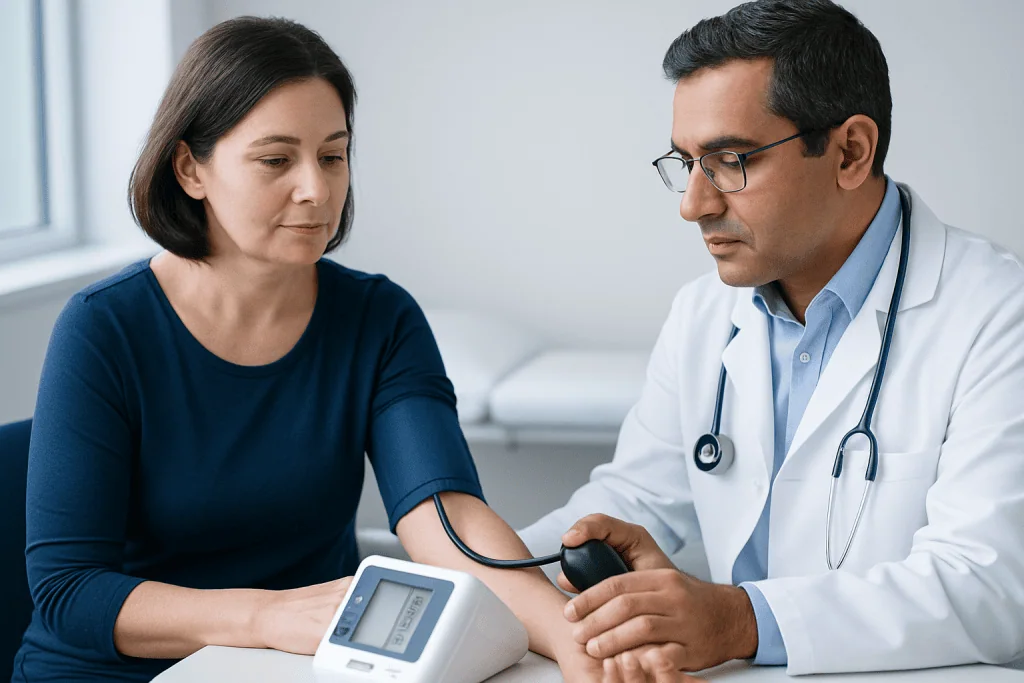
Blood pressure can change throughout the day. It may rise temporarily with exercise, stress, caffeine, nicotine, pain, a full bladder, or even conversation during measurement. For this reason, doctors usually look at patterns over time rather than one isolated number. Home readings taken under calm, consistent conditions can provide a clearer picture.
Categories and treatment targets may vary depending on the guideline used, a person’s age, and medical conditions such as diabetes, kidney disease, previous stroke, or heart disease. In general, persistently elevated readings deserve attention, and higher readings require closer follow-up. A doctor can interpret results in the context of the person’s overall cardiovascular risk and health history.
Some people have higher readings in a medical setting than at home, often called white coat hypertension. Others may have normal clinic readings but higher home or daytime readings, known as masked hypertension. Both situations are reasons to use careful monitoring and professional interpretation rather than self-diagnosing or ignoring the numbers.
How to Monitor Blood Pressure at Home

For most adults, an automatic upper-arm blood pressure monitor is preferred because it is usually more reliable than wrist or finger devices when used correctly. The cuff size should match the arm circumference; a cuff that is too small or too large can give inaccurate results. People should consider choosing a clinically validated device and bringing it to a clinic visit so the healthcare team can compare it with office equipment.
Before measuring, the person should avoid caffeine, exercise, nicotine, and heavy meals for about 30 minutes when possible. They should empty the bladder, sit quietly for five minutes, keep the back supported, feet flat on the floor, and arm supported at heart level. The cuff should be placed on bare skin, and talking should be avoided during the reading.
A common approach is to take two readings one minute apart in the morning before medications or breakfast, and again in the evening, for several days as advised by a doctor. The person should record the date, time, systolic and diastolic numbers, pulse, and any notes such as stress, illness, or missed medication. Many monitors store readings, but a written or digital log is still helpful for appointments.
- Use the same arm each time unless a doctor advises otherwise.
- Sit in the same position and measure at similar times of day.
- Do not adjust medication based only on one home reading unless instructed by a doctor.
- Share the full log, not just the highest or lowest numbers.
Lifestyle Steps That Support Healthy Blood Pressure
Lifestyle changes are a foundation of high blood pressure prevention and management. They may lower blood pressure, improve the effect of prescribed medicines, and reduce overall cardiovascular risk. The most effective plan is usually realistic, gradual, and tailored to the person’s culture, preferences, medical conditions, and daily routine.
A heart-healthy eating pattern emphasizes vegetables, fruits, legumes, whole grains, nuts, seeds, low-fat dairy when appropriate, fish, and lean protein sources. It limits highly processed foods, sugary drinks, and foods high in saturated fat. Reducing salt intake can be especially helpful because many packaged, restaurant, and fast foods contain more sodium than people realize.
Regular physical activity is also important. Many adults benefit from a combination of aerobic activity, such as brisk walking, cycling, or swimming, and muscle-strengthening exercises. People who have been inactive, have heart symptoms, or live with chronic medical conditions should ask a doctor what level of activity is safe before starting or intensifying an exercise program.
Weight management can support healthier blood pressure, especially when excess weight is carried around the waist. Even modest, sustainable changes in eating and activity can make a meaningful difference for many people. The goal is not a short-term diet, but a long-term pattern that supports energy, sleep, metabolic health, and quality of life.
Everyday Habits: Salt, Alcohol, Tobacco, Sleep, and Stress
Reducing salt is often one of the most practical steps. Helpful strategies include reading food labels, choosing lower-sodium versions, rinsing canned foods, seasoning with herbs, spices, lemon, vinegar, or garlic, and limiting processed meats, salty snacks, instant soups, and ready-made sauces. People with kidney disease, heart failure, or other conditions should ask their doctor before using salt substitutes, because some contain potassium.
Alcohol can raise blood pressure, especially when intake is above recommended limits. People who drink may benefit from reducing the amount and avoiding binge drinking. Tobacco and nicotine products can temporarily raise blood pressure and damage blood vessels; quitting is one of the most important steps for heart and vascular health, and support from healthcare professionals can improve the chance of success.
Sleep and stress also matter. Poor sleep, untreated sleep apnea, shift work, and chronic stress can contribute to higher blood pressure in some people. A regular sleep schedule, limiting screens before bed, relaxation breathing, mindfulness, time outdoors, and social support may help, but persistent snoring, pauses in breathing during sleep, or severe daytime sleepiness should be medically evaluated.
Medical Care and Treatment Options
Some people can improve blood pressure with lifestyle steps alone, while others need medication in addition to healthy habits. The decision depends on the level of blood pressure, age, other risk factors, and conditions such as diabetes, kidney disease, heart disease, or a history of stroke. A doctor may also order blood tests, urine tests, an electrocardiogram, or other evaluations to look for causes and effects of hypertension.
Several types of blood pressure medicines are available, and they work in different ways, such as helping blood vessels relax, reducing fluid volume, or decreasing the workload on the heart. The best choice varies from person to person. It is important not to stop, skip, or change blood pressure medicines without medical advice, even when readings improve, because improvement may be a sign the treatment is working.
Follow-up visits allow the healthcare team to review home readings, side effects, medication adherence, and lifestyle progress. If readings remain high, treatment can be adjusted safely. People should bring all medications and supplements to appointments, because some over-the-counter pain relievers, decongestants, herbal products, and stimulants can affect blood pressure.
When to See a Doctor
A person should schedule a medical appointment if home readings are repeatedly higher than recommended by their healthcare provider, if readings suddenly become higher than usual, or if there are concerns about the accuracy of the monitor. It is also appropriate to seek advice before starting a new exercise routine, using salt substitutes, taking new supplements, or becoming pregnant or planning pregnancy while managing high blood pressure.
Urgent medical care is needed if a very high blood pressure reading is accompanied by symptoms such as chest pain, shortness of breath, severe headache, confusion, fainting, new vision changes, weakness or numbness on one side, difficulty speaking, or severe back pain. In these situations, the person should not wait to see if the reading improves at home.
International patients who need evaluation or ongoing care can access multidisciplinary specialists at Acibadem International, where JCI-accredited hospitals diagnose and treat high blood pressure and related cardiovascular conditions. As with any medical concern, the right plan should be based on an individual assessment by qualified clinicians.
Frequently asked questions
How often should blood pressure be checked at home?
The schedule should be individualized by a doctor. Many people are asked to measure twice in the morning and twice in the evening for several days before an appointment, then less often once blood pressure is stable. Daily checks may not be necessary for everyone and can sometimes increase anxiety.
Which type of home blood pressure monitor is best?
A validated automatic upper-arm monitor is usually recommended for adults. The cuff must fit the arm correctly, because the wrong cuff size can give misleading readings. It is helpful to bring the device to a clinic visit to compare it with professional equipment.
Can lifestyle changes lower blood pressure without medication?
Lifestyle changes can lower blood pressure for many people and are recommended whether or not medication is needed. However, some people still require medicine because of their blood pressure level or overall health risk. A doctor can advise whether lifestyle steps alone are appropriate.
Why are my home readings different from the clinic readings?
Blood pressure naturally changes with stress, activity, caffeine, sleep, pain, and measurement technique. Some people have higher readings in the clinic, while others have higher readings at home. Keeping a careful log helps the doctor understand the pattern and decide whether further monitoring is needed.
What should I do if one reading is high?
Sit quietly, make sure the cuff is positioned correctly, and repeat the measurement after a few minutes. One high reading is not usually enough to diagnose a problem, but repeated high readings should be shared with a doctor. If a very high reading occurs with concerning symptoms, urgent medical care is needed.
Does reducing salt really help blood pressure?
For many people, reducing sodium intake supports better blood pressure control, especially when combined with a balanced eating pattern. Most sodium comes from processed and restaurant foods, not only from the salt shaker. People with certain medical conditions should ask their doctor before using potassium-containing salt substitutes.
References
- World Health Organization
- American Heart Association
- European Society of Cardiology
- National Institute for Health and Care Excellence
- Centers for Disease Control and Prevention
This article is for general information only and is not a substitute for professional medical advice. Please consult a qualified doctor about your individual situation.
Heart care in Turkey — expert evaluation and treatment
JCI-accredited · board-certified surgeons · reply within 24h
Check your numbers in seconds
BMI, calories, due date, blood pressure and 30+ more clinical calculators — free, instant, doctor-reviewed ranges.