Physical Therapy After Stroke: Regaining Movement and Independence
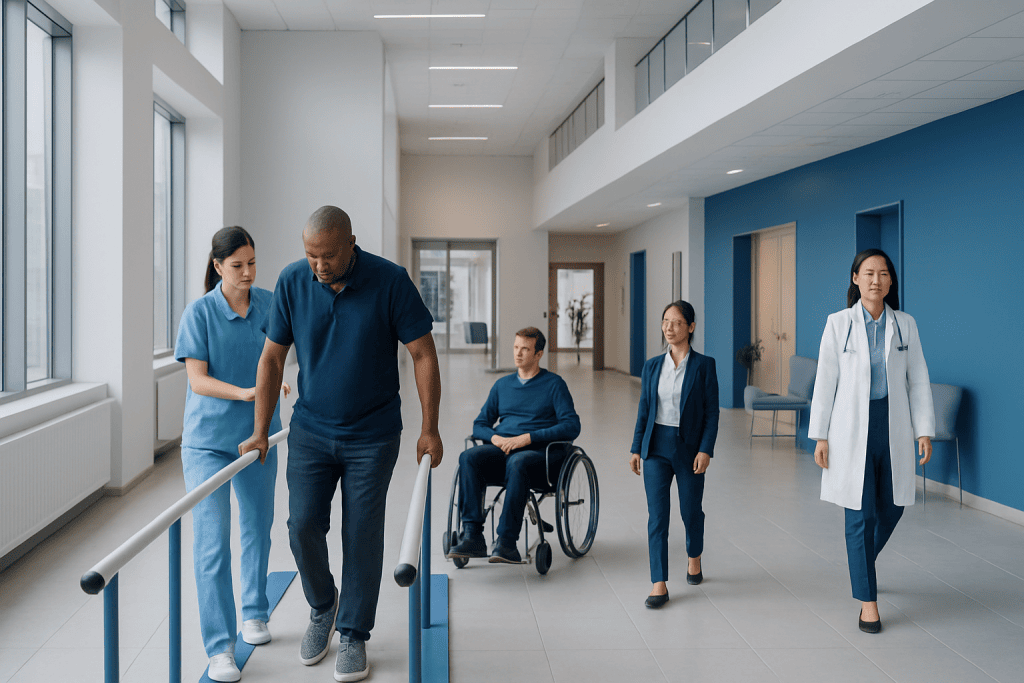
Stroke rehabilitation is most effective when it begins early and continues with goals that match the person’s abilities and daily needs. Physical therapy focuses on movement, balance, walking, strength, flexibility, coordination, and prevention of complications.
Key Takeaways
- Stroke rehabilitation is most effective when it begins early and continues with goals that match the person’s abilities and daily needs.
- Physical therapy focuses on movement, balance, walking, strength, flexibility, coordination, and prevention of complications.
- Recovery varies from person to person, and progress may continue for months or years with consistent practice and support.
- A multidisciplinary team may include physiotherapists, rehabilitation doctors, neurologists, occupational therapists, speech therapists, nurses, and caregivers.
- Home exercises and safety changes can help maintain gains, reduce fall risk, and support independence.
Physical therapy after stroke helps people rebuild movement, balance, strength, and confidence in daily life. A personalized rehabilitation plan can support safer walking, transfers, self-care, and long-term independence.
Overview
A stroke can affect the brain areas that control movement, balance, coordination, sensation, and muscle tone. As a result, a person may have weakness on one side of the body, difficulty walking, reduced balance, stiffness, fatigue, or trouble using an arm or hand. Physical therapy after stroke is a key part of rehabilitation because it helps the brain and body relearn movement patterns and adapt to changes.
Stroke recovery is based partly on neuroplasticity, which is the brain’s ability to reorganize and form new connections. Repeated, meaningful practice can help improve movement and function over time. Physical therapy uses structured exercises, task-specific training, balance activities, walking practice, and education to help the person move more safely and independently.
Rehabilitation is not the same for everyone. A person who has had a mild stroke may focus on improving endurance and returning to work or hobbies, while someone with more significant weakness may first practice sitting balance, standing, and transfers from bed to chair. The goal is always practical: to improve safety, function, comfort, and participation in daily life.
How Stroke Affects Movement
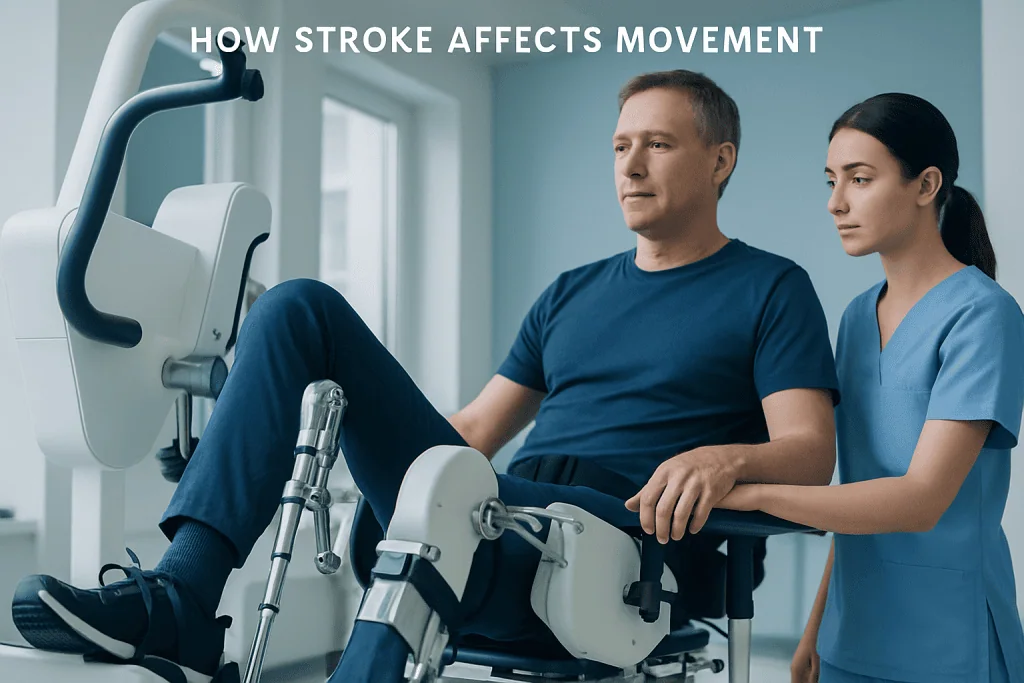
Stroke-related movement problems depend on the location and size of the brain injury, the person’s general health, and the time since the stroke. Common changes include hemiparesis, which means weakness on one side of the body, and reduced coordination that makes movements feel slow, heavy, or inaccurate. Some people also experience changes in sensation, making it harder to know where the arm or leg is positioned without looking.
Muscle tone may also change after a stroke. Some muscles may feel unusually tight or stiff, while others may feel weak or difficult to activate. This can affect the shoulder, elbow, wrist, hand, hip, knee, ankle, or foot. For example, foot drop may make it harder to lift the front of the foot while walking, increasing the risk of tripping.
Balance and posture are often affected because the brain must coordinate information from the eyes, inner ear, joints, and muscles. A person may lean to one side, feel unsteady when turning, or need help standing up. Fatigue is also common and can make physical tasks more challenging. A physical therapist evaluates these issues and builds a plan that supports safe, gradual improvement.
Goals of Physical Therapy After Stroke
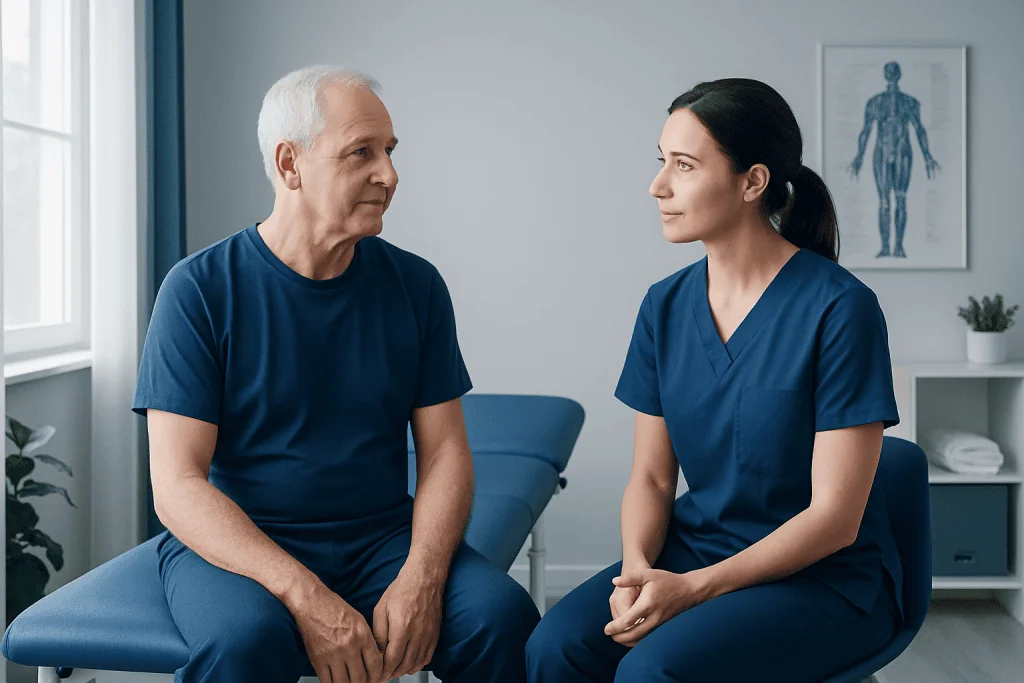
The main goal of physical therapy after stroke is to improve movement in ways that matter to the person’s daily life. This may include getting in and out of bed, standing from a chair, walking to the bathroom, climbing stairs, using public spaces, or returning to meaningful activities. Goals are usually specific, measurable, and adjusted as the person progresses.
Therapy also aims to prevent secondary problems. Reduced movement can lead to joint stiffness, muscle shortening, shoulder pain, reduced endurance, swelling, and increased fall risk. A well-designed program helps maintain flexibility, improve circulation, encourage safe activity, and teach caregivers how to assist without causing strain.
Common physical therapy goals may include:
- Improving sitting, standing, and walking balance
- Strengthening weak muscles and improving control
- Practicing safe transfers between bed, chair, toilet, and car
- Improving walking pattern, speed, and endurance
- Reducing stiffness and maintaining joint range of motion
- Learning to use braces, walking aids, or other assistive devices when needed
What Happens During Stroke Rehabilitation
Stroke rehabilitation usually begins with an assessment. The physical therapist reviews the person’s medical history, stroke-related symptoms, mobility level, balance, strength, coordination, sensation, pain, fatigue, and fall risk. They may also observe how the person sits, stands, transfers, walks, and uses assistive devices. This assessment helps the team set realistic priorities and choose safe exercises.
Therapy sessions often include task-specific practice, which means working directly on the activities the person needs to improve. For example, rather than only strengthening the legs in isolation, the person may repeatedly practice standing up from a chair, stepping forward, turning, or climbing a small step. Repetition and correct practice are important because they help reinforce useful movement patterns.
Depending on the person’s needs, rehabilitation may include gait training, balance exercises, stretching, strengthening, treadmill practice, functional electrical stimulation, positioning, and caregiver training. Some people benefit from ankle-foot orthoses, canes, walkers, or other devices. These tools are not a sign of failure; they can improve safety and help the person practice walking with better alignment.
Stroke rehabilitation is often multidisciplinary. Occupational therapy may focus on dressing, bathing, cooking, and arm-hand function, while speech and language therapy may help with communication or swallowing. Rehabilitation physicians, neurologists, nurses, psychologists, dietitians, and social workers may also contribute to a coordinated recovery plan.
Recovery Timeline and Factors That Influence Progress
Many people make their fastest gains in the first weeks and months after a stroke, especially when rehabilitation starts early and is medically safe. However, improvement can continue beyond this period. The brain and body can keep adapting with practice, and people may continue to gain strength, endurance, confidence, and independence over time.
Progress varies widely. Factors that influence recovery include the severity and type of stroke, the areas of the brain affected, age, general health, motivation, mood, sleep, nutrition, family support, and access to rehabilitation. Other medical conditions, such as heart disease, diabetes, arthritis, or vision problems, may also affect the pace and focus of therapy.
It is common for recovery to feel uneven. Some weeks may bring visible improvements, while others may feel slower. Plateaus do not always mean recovery has stopped; they may indicate that goals, exercises, intensity, or assistive strategies need to be reviewed. Regular follow-up with the rehabilitation team helps ensure that therapy remains safe, challenging, and meaningful.
Home Exercises, Safety, and Self-Care
Home practice is an important part of physical therapy after stroke. Exercises should be prescribed by a qualified therapist and matched to the person’s current abilities. A safe home program may include gentle stretching, strengthening, balance practice with support, walking practice, posture activities, and repeated functional tasks such as sit-to-stand movements.
Safety is essential. The home environment may need adjustments to reduce fall risk and support independence. This can include removing loose rugs, improving lighting, using non-slip mats, arranging furniture to create clear walking paths, installing grab bars, and keeping commonly used items within easy reach. Footwear should be supportive, and walking aids should be adjusted correctly.
Self-care also supports rehabilitation. Adequate sleep, balanced nutrition, hydration, medication adherence, and management of blood pressure, cholesterol, diabetes, and other stroke risk factors are important. Emotional health matters as well; frustration, anxiety, or low mood can affect energy and motivation. People recovering from stroke should be encouraged to ask for help and to celebrate small, meaningful gains.
When to See a Doctor or Rehabilitation Specialist
A person recovering from stroke should have regular medical and rehabilitation follow-up, especially if mobility, balance, pain, spasticity, or daily function changes. A doctor or rehabilitation specialist can review whether new symptoms are related to stroke recovery, medications, muscle tone changes, joint problems, or another medical issue. Therapy plans may need adjustment as the person becomes more active or develops new goals.
Medical advice should be sought promptly if there is a sudden change in speech, facial movement, arm or leg strength, vision, balance, awareness, or severe new headache. These symptoms require urgent evaluation. For non-urgent concerns, such as shoulder pain, frequent near-falls, worsening stiffness, difficulty using a walking aid, or caregiver strain, a rehabilitation team can help identify safer strategies.
International patients may benefit from coordinated assessment when stroke recovery involves several needs at once. Acibadem International’s multidisciplinary specialists and JCI-accredited hospitals diagnose and treat stroke-related movement and rehabilitation concerns for international patients, with care plans tailored to the person’s medical condition and recovery goals.
Frequently asked questions
When should physical therapy start after a stroke?
Physical therapy often begins as soon as the person is medically stable and the healthcare team considers activity safe. Early rehabilitation may start in the hospital with positioning, gentle movement, sitting balance, and safe transfers. The timing and intensity depend on the type of stroke, medical condition, and individual tolerance.
How long does stroke rehabilitation take?
The duration varies from person to person. Some people need a short period of therapy, while others benefit from rehabilitation for several months or longer. Recovery goals may change over time, from basic mobility to community walking, endurance, or returning to hobbies and work.
Can physical therapy help years after a stroke?
Yes, many people can still improve strength, balance, walking, and confidence long after the initial stroke. Progress may be slower than in the early phase, but targeted practice and updated therapy goals can still be helpful. A reassessment can identify current limitations and opportunities for improvement.
What is the difference between physical therapy and occupational therapy after stroke?
Physical therapy mainly focuses on movement, balance, transfers, walking, strength, and mobility. Occupational therapy focuses on daily activities such as dressing, bathing, cooking, using the affected arm and hand, and adapting the home or tasks. Many stroke survivors benefit from both.
Are walking aids or braces permanent after stroke?
Not always. Some people use a cane, walker, or ankle-foot brace temporarily while they regain strength and control. Others may continue using a device because it improves safety, reduces effort, or supports better walking alignment. The rehabilitation team reviews devices over time and adjusts them when needed.
What can family members do to support stroke recovery?
Family members can help by encouraging safe practice, attending therapy education sessions, supporting home exercises, and making the home environment safer. They should avoid pulling on the affected arm or rushing movements. Caregivers also need rest and support, because recovery is a shared process.
References
- World Health Organization
- American Heart Association
- American Stroke Association
- National Institute for Health and Care Excellence
- European Stroke Organisation
This article is for general information only and is not a substitute for professional medical advice. Please consult a qualified doctor about your individual situation.
Explore treatments in Turkey — costs, top hospitals & a free quote
JCI-accredited · board-certified surgeons · reply within 24h