

Facelift Surgery: Treating Facial Sagging and Jowls

Facelift surgery mainly improves sagging in the lower face, jawline, and often the upper neck; it does not stop aging or change a person's basic facial identity. Good candidates are generally healthy adults with realistic expectations, stable weight, and skin and soft-tissue laxity that cannot be corrected well with non-surgical treatments alone.
Key Takeaways
- Facelift surgery mainly improves sagging in the lower face, jawline, and often the upper neck; it does not stop aging or change a person's basic facial identity.
- Good candidates are generally healthy adults with realistic expectations, stable weight, and skin and soft-tissue laxity that cannot be corrected well with non-surgical treatments alone.
- Modern facelift techniques focus on repositioning deeper facial tissues as well as managing excess skin, aiming for a natural-looking result.
- Recovery usually involves swelling, bruising, and activity limits for several weeks, with final refinement continuing over months.
- Choosing a qualified plastic surgeon, following pre- and post-operative instructions, and avoiding smoking help support safety and healing.
Medically reviewed by the Acıbadem International Medical Board — June 20, 2026
Facelift surgery, also called rhytidectomy, is a facial rejuvenation procedure designed to lift and reposition sagging tissues in the lower face and jawline. It can improve jowls, loose skin, and age-related facial changes when performed for suitable candidates by a qualified plastic surgeon.
Overview
Facelift surgery is a cosmetic surgical procedure that addresses visible aging in the lower face and jawline. The medical term is rhytidectomy. It is commonly considered by people who notice facial sagging, jowls, deep folds around the mouth, or a less defined jawline. A facelift can also be combined with a neck lift when loose skin or muscle banding in the neck is part of the concern.
Facial aging happens gradually. Skin becomes less elastic, facial fat shifts, and deeper support structures loosen. These changes can make the cheeks look lower, create heaviness along the jawline, and form jowls. Facelift surgery aims to lift and reposition these tissues rather than simply tightening the surface skin.
A facelift is not intended to make a person look like someone else. The goal is usually a refreshed, balanced appearance that still looks natural. It also does not treat every sign of aging. Fine lines, sun damage, uneven pigmentation, and skin texture concerns may need complementary treatments such as laser resurfacing, chemical peels, skin care, or injectables, depending on the individual case.
What Facelift Surgery Can and Cannot Treat

Facelift surgery is most effective for age-related sagging of the mid-to-lower face. It can improve jowls, soften deep folds between the nose and mouth, reduce marionette lines near the corners of the mouth, and restore a clearer transition between the face and neck. When a neck lift is included, it may also improve loose neck skin and visible vertical neck bands.
The procedure cannot stop the natural aging process. Even after surgery, the face will continue to age, although many people find that their appearance remains more refreshed than it would have been without surgery. The longevity of results varies based on skin quality, genetics, sun exposure, weight changes, smoking history, and overall health.
Facelift surgery also has limits. It does not primarily correct drooping eyelids, heavy brows, forehead lines, or under-eye bags. These concerns may be treated with eyelid surgery, brow lift, or other procedures. It also does not replace healthy skin care. Surface changes such as fine wrinkles and pigmentation often require non-surgical skin treatments for best overall facial rejuvenation.
Types of Facelift Techniques
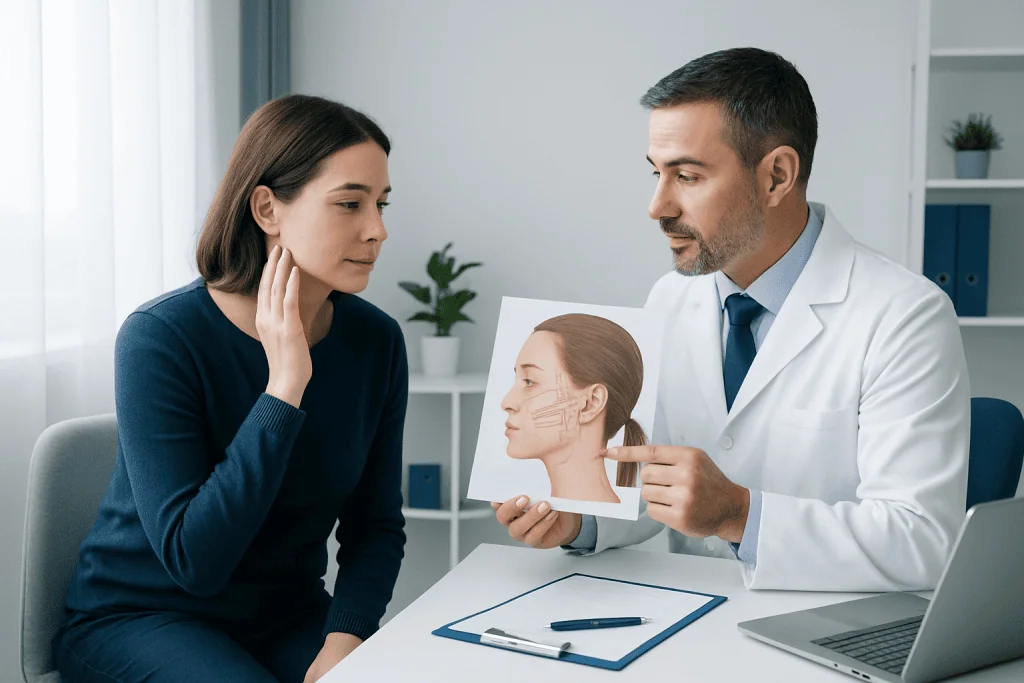
There are several facelift techniques, and the most appropriate option depends on anatomy, degree of sagging, skin quality, medical history, and goals. A traditional facelift usually addresses significant laxity in the lower face and jawline, often extending to the neck. Incisions are typically placed around the hairline and ears so they can be concealed as much as possible after healing.
Many modern facelifts involve lifting the deeper supportive layer of the face, often referred to as the SMAS, rather than pulling only on the skin. This approach helps support a more natural result and reduces tension on the skin incision. Some patients may be candidates for limited-incision or mini facelift techniques if sagging is milder and mainly located around the jawline.
Commonly discussed options include:
- Traditional facelift for moderate to significant lower-face and neck laxity.
- Mini facelift for earlier jowling or mild sagging in selected patients.
- SMAS facelift or deep-plane approaches that reposition deeper tissues.
- Facelift combined with neck lift, eyelid surgery, fat transfer, or skin resurfacing when appropriate.
The names of techniques can be confusing and are sometimes used differently by different surgeons. The consultation is therefore important. Patients should focus less on a branded technique and more on whether the surgeon can explain the plan, expected benefits, incision locations, recovery, and risks clearly.
Who Is a Good Candidate?
A good candidate for facelift surgery is usually an adult with noticeable facial sagging or jowls who wants a surgical improvement and understands what the procedure can realistically achieve. Skin elasticity, bone structure, soft-tissue thickness, and neck anatomy all influence the surgical plan and expected result. Some people in their 40s may benefit from a limited lift, while others may not consider surgery until later in life.
General health is very important. Candidates should be able to undergo anesthesia and healing safely. Conditions such as uncontrolled diabetes, significant heart or lung disease, bleeding disorders, or immune problems may increase surgical risk. A full medical history, medication review, and sometimes pre-operative tests are needed before surgery is scheduled.
Smoking and nicotine use are major concerns because they can reduce blood flow to healing tissues and increase the risk of wound problems. Patients are typically advised to stop nicotine before and after surgery according to their surgeon’s instructions. Certain medications and supplements that affect bleeding may also need to be adjusted under medical guidance.
Emotional readiness matters as well. Facelift surgery can improve facial contour, but it cannot resolve personal stress, relationship concerns, or unrealistic expectations. A qualified surgeon will discuss goals carefully and may recommend delaying surgery if expectations are not aligned with safe, achievable outcomes.
Diagnosis, Consultation, and Surgical Planning
Facelift planning begins with a detailed consultation. The surgeon evaluates the face at rest and with expression, checks skin quality, reviews the jawline and neck, and considers facial balance. Medical history, previous procedures, allergies, medications, and lifestyle factors such as smoking are reviewed. Photographs are often taken for planning and documentation.
Patients should be encouraged to explain what bothers them most: jowls, loose neck skin, cheek descent, deep folds, or loss of jawline definition. Clear communication helps the surgeon decide whether a facelift alone is suitable or whether additional procedures may be helpful. For example, volume loss in the cheeks may be improved with fat transfer or fillers, while eyelid aging may require blepharoplasty.
The consultation should also include a discussion of anesthesia, incision placement, expected scars, recovery time, possible complications, and the likely degree of improvement. Patients may be asked to stop certain medications or supplements before surgery, arrange transportation, and plan for help at home during the first days of recovery.
A responsible surgical plan is individualized. It considers not only what is technically possible, but also what is safe and proportionate for the patient. Patients should feel comfortable asking questions and should not feel pressured to decide quickly.
What Happens During Surgery and Recovery
Facelift surgery is performed in an operating room under appropriate anesthesia, which may be general anesthesia or deep sedation depending on the case and local practice. Incisions are usually placed in natural creases around the ear and hairline. Through these incisions, the surgeon lifts and repositions deeper facial tissues, removes or redistributes excess tissue when needed, and closes the skin without excessive tension.
The length of surgery varies according to the technique and whether other procedures are performed at the same time. Dressings are placed after surgery, and small drains may be used temporarily in some cases. Patients receive instructions about head elevation, wound care, medications, activity limits, and follow-up appointments.
Swelling, bruising, tightness, mild numbness, and temporary changes in skin sensation are expected during early recovery. These usually improve gradually. Many patients can return to light daily activities after the initial recovery period, but strenuous exercise, heavy lifting, and activities that increase blood pressure are restricted until the surgeon confirms it is safe.
Healing continues for months. Scars usually fade gradually, although their final appearance depends on genetics, skin type, incision care, and sun protection. It is important not to judge the final result too early, because swelling can make the face look firmer or uneven at first. Regular follow-up allows the surgical team to monitor healing and answer concerns.
Risks, Safety, and Choosing a Surgeon
Like all surgery, facelift surgery has possible risks. These may include bleeding, infection, delayed wound healing, fluid collection, visible scarring, changes in skin sensation, hairline changes, asymmetry, and anesthesia-related complications. Rarely, injury to facial nerve branches can affect movement, and urgent treatment may be needed for significant bleeding or hematoma. A careful surgical plan and appropriate aftercare help reduce risks but cannot remove them completely.
Patients can support safety by choosing a qualified plastic surgeon with experience in facial rejuvenation, having surgery in an accredited facility, and following all pre- and post-operative instructions. It is important to disclose medical conditions, previous surgeries, all medications, supplements, allergies, smoking or nicotine use, and any history of abnormal bleeding or scarring.
Warning signs after surgery should be discussed before discharge. Patients should contact their surgical team promptly if they develop worsening one-sided swelling, increasing pain, shortness of breath, fever, heavy bleeding, sudden facial weakness, or any concern that feels unusual for their expected recovery. Early communication is part of safe care.
International patients should also consider travel timing, follow-up needs, and fitness to fly after surgery. Acibadem International’s multidisciplinary specialists and JCI-accredited hospitals evaluate and treat facial aging concerns, including facelift surgery, for international patients within an appropriate medical assessment and care pathway.
Prevention, Self-care, and When to See a Doctor
Facial sagging cannot be completely prevented because aging, genetics, and gravity all play a role. However, healthy habits can help protect skin quality and support longer-lasting results after any facial rejuvenation treatment. Daily sun protection, not smoking, maintaining a stable weight, balanced nutrition, adequate hydration, and regular sleep all contribute to skin health.
Non-surgical options may be useful for people with early or mild changes. These can include medical-grade skin care, neuromodulator injections for expression lines, dermal fillers for volume loss, energy-based skin tightening, or resurfacing treatments. These methods do not create the same lifting effect as surgery, but they may delay the need for surgery or complement surgical results in selected patients.
A consultation with a qualified doctor is appropriate when jowls, loose facial skin, or neck laxity bother a person enough that they are considering treatment. It is also helpful when non-surgical treatments no longer provide the desired improvement. The doctor can explain whether facelift surgery, another procedure, or a non-surgical plan is most suitable.
Anyone considering facelift surgery should seek medical advice rather than relying on online images or social media trends. Every face is different, and safe treatment depends on anatomy, health status, and realistic planning. A thoughtful consultation helps patients make informed, confident decisions.
Frequently asked questions
What is the best age for facelift surgery?
There is no single best age for facelift surgery. Suitability depends more on facial anatomy, degree of sagging, skin quality, general health, and personal goals than on age alone. Some people consider surgery in midlife, while others wait until later.
Will a facelift make the face look tight or unnatural?
A well-planned modern facelift aims to reposition deeper tissues and remove excess skin without excessive pulling. This can create a refreshed appearance while preserving natural facial expression. Unnatural results are more likely when the skin is over-tightened or the plan does not match the person's anatomy.
How long do facelift results last?
Facelift results can last for many years, but the face continues to age naturally. Longevity varies depending on genetics, skin quality, sun exposure, smoking, weight changes, and overall health. Good skin care and healthy habits may help maintain the result.
Is a mini facelift enough for jowls?
A mini facelift may improve mild jowls in carefully selected patients. It is usually less suitable for significant neck laxity, heavier skin, or more advanced sagging. A surgeon can determine whether a mini facelift or a more comprehensive approach is appropriate.
Are facelift scars visible?
Facelift incisions are usually placed around the ears and hairline to make scars as discreet as possible. Scars fade gradually, but they do not disappear completely. Careful surgical technique, good wound care, and sun protection can help scars heal more favorably.
Can non-surgical treatments replace a facelift?
Non-surgical treatments can improve skin texture, fine lines, mild laxity, and volume loss, but they cannot remove excess skin or reposition deeper sagging tissues in the same way as surgery. They may be a good option for early changes or for people not ready for surgery. A medical consultation helps match the treatment to the concern.
References
- American Society of Plastic Surgeons
- American Society for Aesthetic Plastic Surgery
- International Society of Aesthetic Plastic Surgery
- British Association of Plastic, Reconstructive and Aesthetic Surgeons
- U.S. Food and Drug Administration
This article is for general information only and is not a substitute for professional medical advice. Please consult a qualified doctor about your individual situation.
Explore treatments in Turkey — costs, top hospitals & a free quote
JCI-accredited · board-certified surgeons · reply within 24h

Related Treatments
Related Conditions
More from the Health Library



Related Specialists

Prof. Dr. Hakan Ağır
Aesthetic Plastic & Reconstructive Surgery
Prof. Dr. Bülent Saçak
Aesthetic Plastic & Reconstructive Surgery
Asst. Prof. Dr. Berkhan Yilmaz
Aesthetic Plastic & Reconstructive Surgery
Prof. Dr. Ersin Ülkür
Aesthetic Plastic & Reconstructive Surgery