Arm Liposuction
Arm liposuction removes localized fat from the upper arms to create a slimmer, more defined contour. It is best for patients with good skin elasticity and stable weight.

Quick answer
Arm liposuction removes localised fat from the upper arms through small incisions, using thin cannulas under local anaesthesia with sedation or general anaesthesia. It suits people at a stable weight with reasonable skin elasticity. It does not tighten significantly loose skin: that requires brachioplasty, an arm lift. Swelling settles over weeks and the final contour matures over several months.
Arm Liposuction, Brachioplasty and Choosing Between Them
Arm liposuction is a body-contouring procedure that removes localised fat from the upper arms through small incisions, using thin tubes called cannulas. It is designed for people who are close to a stable weight, whose arms stay disproportionately full despite regular exercise, and whose skin has enough elasticity to settle smoothly once the fat is removed. Brachioplasty, arm lift surgery, is a different operation that removes loose skin, and much of choosing well comes down to knowing which of those two problems your arms actually have.
The upper arms frustrate people for a simple reason: they do not always respond to the things that work elsewhere. You can hold a stable weight, train consistently and eat sensibly, and still carry a layer of fat along the back or outer part of the upper arm. Some people inherit this pattern and store fat in the arms even when the rest of the body is relatively lean. Others notice it after weight changes, pregnancy, hormonal shifts or simply with age. The result is the same set of complaints: sleeves that pull tight, arms that look wide from the front, and a heaviness that seems out of proportion with the shoulders, chest and waist.
The decision to treat this surgically is personal. Some people want to feel comfortable in sleeveless clothing or swimwear. Others want their arms to sit in better balance with the rest of their frame, or they have grown tired of choosing outfits around one body area. If you are considering having the procedure abroad, the questions multiply: Is liposuction actually the right operation for my arms? How long do I need to plan for recovery? Will the result look natural? How do I judge a surgeon and a hospital in another country? This page works through those questions in order, including the ones most people search for and few pages answer plainly.
At Acibadem, the evaluation for arm liposuction is treated as a medical and aesthetic decision, not simply a cosmetic request. The quality of the result depends on appropriate patient selection, a careful assessment of skin elasticity, precise planning and realistic expectations. A refined arm should fit your proportions rather than announce that it has been treated. The aim is to reduce excess localised fat while preserving smoothness, symmetry and a natural transition between the arm, the shoulder and the elbow.
It also helps to understand the limits before you get attached to a plan. Liposuction improves fat-related fullness. It does not significantly tighten loose skin. If the main issue on your arms is sagging skin rather than excess fat, the honest recommendation may be brachioplasty instead, or a combination of the two. And although arm liposuction is less extensive than many operations, it still requires proper anaesthesia planning, sterile surgical conditions and structured follow-up. Treating it as a minor errand is how disappointing results happen.
Can you get liposuction on your arms?
Yes: the upper arms are an established liposuction area, and the procedure is performed routinely for the fat that sits between the shoulder and the elbow. That said, the arms are one of the less forgiving areas to treat. The skin is constantly visible, the surface is curved rather than flat, the fat layer is thinner than on the abdomen or thighs, and any difference between the two sides is easy to spot. Whether liposuction is right for your arms depends less on whether it is technically possible and more on whether your skin can contract after the fat is removed. That is what the physical examination is for, and it is the single most important part of the decision.
What Is Arm Liposuction?
Arm liposuction is a cosmetic surgical procedure that removes localised fat deposits from the upper arms using thin cannulas inserted through very small incisions, usually placed in discreet spots such as near the elbow crease or toward the back of the arm. The surgeon uses controlled, repeated passes to break up and remove fat while shaping the arm evenly: the goal is not simply less fat, but a smoother, more proportionate contour.
The treatment zone is primarily the upper arm, the stretch between shoulder and elbow. In most people, the fullness concentrates along the outer or posterior portion, what patients usually call the back of the arm. Depending on your anatomy, the plan may also address the transitions where the arm meets the shoulder, the armpit or the upper back, because a slim upper arm next to an untreated bulge at the armpit fold looks unfinished rather than improved.
The procedure works best when you are near a stable weight and your skin has good elasticity. Elasticity means the skin can contract reasonably well once the volume beneath it is reduced. When skin quality is favourable, the arm gradually settles into a slimmer shape as swelling resolves over the following weeks and months. When the skin is thin, stretched, heavily sun-damaged or already loose, removing fat can leave the laxity more visible than before. In those cases a responsible surgeon will steer the conversation toward a different approach rather than perform the operation you asked for and deliver a result you will not like.
Several technical approaches exist. The foundation for most arm work is tumescent liposuction, in which a prepared fluid is infiltrated into the treatment area to reduce bleeding, improve comfort and make fat removal more controlled. The traditional mechanical approach is described on our classic liposuction page. In selected cases, energy-assisted techniques may be considered: Vaser liposuction uses ultrasound energy to loosen fat before removal, while laser liposuction uses laser energy and may support a degree of tissue contraction. None of these technologies is automatically superior. The choice depends on the thickness and distribution of your fat, your skin quality, safety considerations and the surgeon’s judgement about your tissue.
One point deserves emphasis because it shapes everything else: arm liposuction is a contouring procedure, not a weight-loss operation. The amount of fat removed from the arms is modest compared with total body weight, and the number on your scale will barely move. The value lies in reshaping a visible area that affects proportion and clothing fit. If you maintain a stable weight afterwards, the new contour generally holds; if your weight climbs, the remaining fat cells in the arms, and everywhere else, can enlarge.
What does arm lipo change, and what does it leave alone?
Arm lipo changes one thing: the thickness of the fat layer between your skin and your muscle. It leaves everything else alone. It does not build or reveal muscle tone that is not already there, it does not remove stretch marks, it does not reliably improve cellulite-like surface texture, it does not change the bone structure that sets your shoulder width, and it does not lift skin that has already lost its elasticity. Understanding this boundary before surgery is the difference between a satisfied patient and a disappointed one, because the operation can only ever deliver against the first item on that list.
Who Is a Good Candidate for Arm Liposuction?
People usually arrive at this decision after years of noticing the same thing: upper arms that remain disproportionately full despite healthy habits. Sometimes the concern has been there since adolescence, driven by a genetic tendency to store fat in the arms. Sometimes it appears or worsens after weight fluctuation, pregnancy, hormonal change or a gradual loss of muscle tone with age. Either way, the pattern is localised: the problem is the arms specifically, not overall weight.
The typical complaints are consistent: arms that look wide from the front, fullness along the back of the upper arm, no visible definition between shoulder and elbow, difficulty finding fitted sleeves that close comfortably, self-consciousness in photographs, and a wardrobe quietly organised around covering the arms. None of these is a medical problem. All of them are legitimate reasons to seek an assessment, provided the expectations that come with them are realistic.
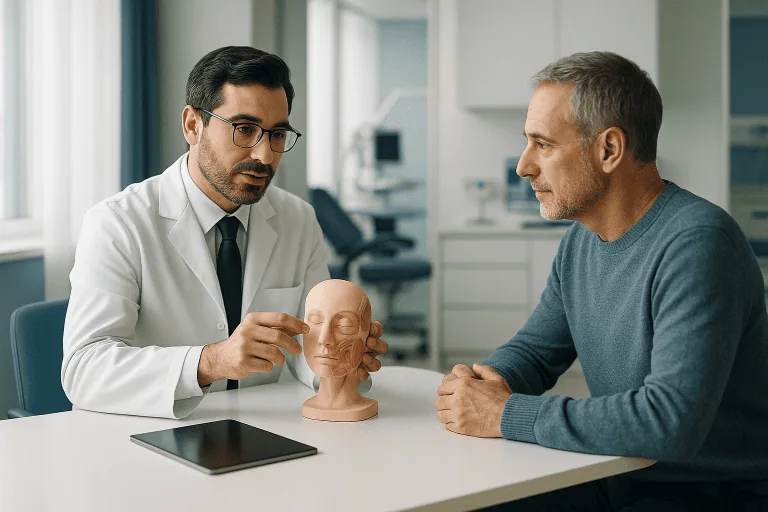
Planning begins with a consultation. The surgeon evaluates the amount and location of fat, skin thickness and elasticity, muscle tone, the proportions of your shoulders and chest, and any asymmetry between the two arms, almost everyone has some. The assessment also covers your medical history, previous surgery, medicines and supplements, allergies, smoking or nicotine use, and anything that could affect healing or anaesthesia safety. For international patients, much of this can begin remotely through secure photo review and medical documentation, with the final decision made only after an in-person examination.
A good candidate typically looks like this:
- Localised fat in the upper arms that persists despite diet and exercise
- Relatively good skin elasticity, allowing the skin to adapt after fat removal
- A stable weight and realistic expectations about the degree of change
- No major uncontrolled medical conditions that would increase surgical risk
- Willingness to wear compression garments and follow recovery instructions
- A preference for a smaller-incision contouring procedure rather than skin-removal surgery, where that is medically appropriate
Liposuction is usually the wrong choice when the dominant problem is loose skin. Removing fat from under lax skin makes the laxity more obvious, not less. If you have lost a large amount of weight, or if a fold of skin hangs from the underside of your upper arm when you raise it, brachioplasty is likely to serve you better, sometimes on its own, sometimes combined with fat reduction. The consultation exists to sort you honestly into the right category, and a surgeon who performs both operations has no incentive to force one answer.
You should also be ready for gradual change. The final shape does not appear the day after surgery. Swelling, firmness and temporary unevenness are normal in the early weeks, and the arms continue to refine for months as tissues soften. If you need the result to be visible for a specific event, plan the calendar around the biology rather than hoping the biology cooperates with the calendar.
Is arm liposuction worth it?
For the right candidate, arm liposuction is usually considered worthwhile because it addresses a problem nothing else reaches: exercise cannot spot-reduce fat, and no cream or device removes a structural fat deposit. The honest qualifiers matter, though. It is worth it when the problem is genuinely fat, when your weight is stable, when your skin can contract, and when you expect a slimmer, better-proportioned arm rather than a transformed one. It is not worth it when skin laxity is the real issue, when you are still actively losing weight, or when you expect the sculpted look that only muscle development provides. Satisfaction with this operation tracks patient selection more closely than any technology choice, which is why a candid consultation is worth more than an enthusiastic one.
Arm Lift Surgery: When Brachioplasty Makes More Sense
An arm lift, known medically as brachioplasty, removes loose skin from the upper arm, usually through an incision that runs along the inner arm between the armpit and the elbow. It trades a longer, permanent scar for a degree of tightening that liposuction cannot deliver. For some arms, that trade is clearly the right one; for others it is unnecessary. Knowing where you fall on that line is the most useful thing a consultation can tell you.
Brachioplasty surgery is most often recommended after major weight loss, when a hanging fold of skin remains regardless of how little fat sits inside it, or when skin has been stretched and thinned beyond its ability to recover. It can be combined with liposuction in a single plan when both excess fat and excess skin are present, or staged as separate procedures, decisions the surgeon makes based on your tissue, your health and the total extent of surgery that is safe in one session.
Is brachioplasty a major surgery?
Brachioplasty is a genuine surgical operation, more extensive than arm liposuction, though not on the scale of internal or organ surgery. It typically involves general anaesthesia, longer incisions, the removal of skin and tissue rather than fat alone, and a longer, more restrictive recovery. Some patients stay in hospital overnight. Calling it “major” or “minor” matters less than understanding what it asks of you: a proper anaesthesia workup beforehand, several weeks of protected arm movement afterwards, and acceptance of a visible scar as the permanent price of the tightening. Anyone describing it as a quick fix is describing a different operation.
How painful is a brachioplasty?
Most patients describe the first days after brachioplasty as sore and tight rather than sharply painful: a pulling sensation along the inner arm, worse with movement, managed with prescribed pain relief and progressive over the first week or two. Discomfort varies genuinely from person to person and depends on the extent of surgery and whether liposuction was combined. As a general pattern, arm liposuction alone tends to involve less discomfort than an arm lift, because no long incision is made and no skin is removed. What you should not expect from either procedure is an entirely comfortable first week; what you can reasonably expect is discomfort that is controlled, predictable and steadily improving.
How risky is an arm lift?
An arm lift carries the risks of any surgery, bleeding, infection, fluid collection under the skin (seroma), delayed wound healing, changes in sensation, asymmetry and anaesthesia-related issues, plus one risk specific to it: the scar. The incision along the inner arm can heal as a fine line or can widen, thicken or darken depending on your skin type, genetics and aftercare. Serious complications are uncommon when patients are properly selected and the surgery is performed in an appropriately equipped hospital setting, but scar quality is the trade-off every brachioplasty patient must genuinely accept in advance. Your individual risk profile, shaped by your health, nicotine use, weight stability and healing history, is exactly what the preoperative assessment exists to establish, and it should be discussed with you openly rather than glossed over.
Conditions and Indications Addressed by Arm Liposuction
Arm liposuction addresses localised subcutaneous fat and contour imbalance in the upper arms. It is not performed to treat disease, but it is a medical procedure with a medical decision behind it. The core indication is straightforward: excess fat in the upper arms combined with adequate skin tone. Everything else in the planning process is about confirming that both halves of that sentence are true for you.
The procedure may be appropriate for hereditary arm fullness, mild to moderate fat accumulation after weight changes, or fat-related bulk that makes the arms look heavier than the rest of the body. It can also form part of a broader body-contouring plan, arms treated alongside other areas in one session, provided the total extent of treatment stays within safe limits, which is a clinical judgement rather than a scheduling preference.
In many people, arm shape is driven by more than one factor at once. Fat volume, skin laxity, muscle development and natural bone structure all contribute to what you see in the mirror. Liposuction only addresses the first of these. It does not build muscle, remove meaningful amounts of loose skin or alter skeletal proportion. A careful examination separates the fat that can safely be removed from the skin and structural features that require different expectations, or a different procedure altogether. Skipping that separation is how people end up with technically successful surgery and a result they dislike.
Some patients seek arm liposuction after previous cosmetic procedures, when residual localised fullness remains. Revision or secondary liposuction demands extra caution: scar tissue, altered anatomy and changed skin quality all affect technique and outcome. In these cases the surgeon may ask for your previous operative records and will usually perform a more detailed assessment before recommending anything, because operating blind into previously treated tissue is a risk no good surgeon accepts.
How Arm Liposuction Is Performed
Preparation Before Surgery
Preparation begins with a detailed consultation and physical examination. The surgeon discusses your goals, examines the arm’s anatomy, fat distribution, skin behaviour when lifted or pinched, natural asymmetry, and explains what degree of improvement is realistic for your tissue. Photographs are usually taken for planning and later comparison. If you are travelling from abroad, this process often starts before your trip with a preliminary review of photographs, medical history and relevant test results; the final decision to operate is made only after the in-person assessment confirms what the photos suggested.
Before surgery you may need blood tests, an anaesthesia evaluation and, depending on your age and history, additional tests such as an electrocardiogram. The team reviews every medicine and supplement you take, because some products affect bleeding; any adjustment is a decision for your treating doctor, never something to change on your own. You will usually be advised to stop smoking and avoid all nicotine before and after surgery, since nicotine impairs circulation and healing, and in aesthetic surgery, healing quality is visible in the result.
You will receive practical instructions covering fasting before anaesthesia, showering, arrival time and what to bring. A compression garment is usually prepared in advance; it supports the treated area, controls swelling and helps the tissue settle into its new contour. If you are travelling internationally, build enough time into your trip for the procedure, the early recovery period and at least one follow-up review before you fly home: a rushed departure is the most avoidable mistake in cosmetic surgery abroad.
Anaesthesia and the Surgical Setting
Arm liposuction may be performed under local anaesthesia with sedation or under general anaesthesia, depending on the extent of treatment, your comfort, your medical profile and whether other procedures are being combined in the same session. The anaesthesia plan is tailored to you individually, and it deserves the same seriousness as the surgical plan. Even a smaller cosmetic procedure belongs in a properly equipped medical environment: sterile technique, trained personnel and continuous monitoring throughout.
For many patients, arm liposuction is a day procedure, after a period of observation, you return to your accommodation the same day. An overnight stay may be advised when procedures are combined or when your medical circumstances make observation the sensible choice. Neither pathway is better in the abstract; the right one is the one matched to your case.
The Procedure, Step by Step
The operation itself follows a consistent sequence:
- Marking. The surgeon marks your arms while you stand or hold a position that shows the fat distribution and natural contour clearly. These markings guide the treatment and protect symmetry between the two sides.
- Preparation. The arms are cleaned with antiseptic solution and sterile draping is applied. Anaesthesia is administered according to the agreed plan.
- Incisions and infiltration. Small incisions are made in carefully chosen locations. Through these openings, tumescent fluid, typically saline with medications that reduce discomfort and bleeding, is introduced into the fat layer and given time to take effect.
- Fat removal. A narrow cannula is inserted and the surgeon removes fat in controlled, even passes, working through the planned zones while checking transitions at the shoulder, armpit and elbow and comparing the two arms continuously.
- Energy assistance, where chosen. In selected cases, ultrasound, laser or vibration-assisted technology is used to loosen dense fat, reduce mechanical force and refine the contouring. The purpose is precision, not simply volume.
- Closure and support. The incisions are closed with fine sutures or left partially open for drainage, depending on technique. Dressings are applied and the compression garment is fitted before you leave the operating room.
- Observation. You are moved to a recovery area and monitored until the team confirms you are ready to leave or to be admitted for the night.
How much fat is removed is set by the plan and by safety, not by ambition. Over-removal creates depressions, waviness and an unnatural narrowed look that is far harder to correct than to prevent. Skilled arm liposuction is conservative where the skin is thin and precise where definition is wanted. On the arms, restraint is a technique in itself.
How long does arm liposuction take?
The duration varies with the amount of fat, the complexity of the contouring and whether other areas are treated in the same session. Isolated arm liposuction is usually completed within a relatively short surgical session; combined body-contouring surgery takes correspondingly longer. Your surgeon will give you a personalised estimate after examining you: a figure quoted before examination is a guess, not a plan.
What Recovery Involves
Recovery is generally manageable, but it rewards patience and punishes shortcuts. Expect swelling, bruising, tightness, mild discomfort and patches of temporary numbness, all normal, all gradually improving. Discomfort is typically controlled with the medication your team prescribes or recommends. The arms may feel firm or tender for several weeks as the tissue heals beneath the surface.
You will be encouraged to walk soon after surgery to support circulation, while keeping arm movement gentle at first. Heavy lifting, strenuous exercise and repetitive arm activity wait until your surgeon confirms it is safe to resume them. The compression garment is worn as instructed, often for several weeks: it is not optional equipment; it directly influences how smoothly the contour settles.
If you are travelling internationally, resist the urge to fly home early. Air travel, luggage handling and long periods of sitting all add strain during early healing. Your care team will give you individualised travel guidance, how long to remain nearby, when flying is reasonable, and you should arrange help with luggage rather than carrying heavy bags in the first weeks.
The result arrives gradually. Some improvement shows once early swelling subsides, but the arms continue to refine for months as the skin contracts, firmness softens and residual swelling clears. Judging the outcome in week two is judging an unfinished process.
Recovery Timeline After Arm Liposuction
Every recovery is individual, but the following timeline reflects what most people can expect after isolated arm liposuction, without combined procedures.
| Time Period | What You Can Expect |
|---|---|
| Day 1 | You rest under observation after surgery, wear your compression garment, and may notice swelling, bruising, tenderness or some drainage from the small incision sites. |
| First Week | Light walking is encouraged. Most people manage simple daily activities, but lifting, strenuous exercise and repetitive arm movement are avoided. |
| First Month | Swelling and bruising continue to improve. The arms may feel firm, tight or mildly numb. Compression use and activity restrictions follow your surgeon’s plan. |
| Two to Three Months | The contour becomes clearly visible as swelling decreases. Exercise is usually resumed gradually once your surgeon clears it. |
| Longer Term | The final contour continues to mature. A stable weight, regular activity and good skin care help preserve the result. |
How Much Is Arm Liposuction? Reading a Quote Honestly
How much arm liposuction costs depends on decisions made about your individual case, which is why credible clinics quote after assessment rather than publish a menu price. That can feel evasive when you simply want a number, but the number without the assessment is meaningless, two people asking for “arm liposuction” can need operations of genuinely different scope.
How much does arm liposuction cost?
There is no single honest answer, because a quote is built from variables that differ between patients: the extent of the area treated and whether adjacent zones such as the armpit fold are included, the technique selected, the type of anaesthesia, whether the surgery is a day case or involves an overnight stay, the surgeon and facility performing it, whether other procedures are combined in the same session, and what the quote includes afterwards, garments, medications, follow-up visits, revision policy. Two of the most common searches, “how much for a lipo” and “how much is it for lipo”, produce wildly scattered results precisely because they mix different body areas, techniques, countries and inclusions into one question. A useful quote is itemised; a suspicious one is a single round number with nothing behind it. Before comparing providers, ask each one to spell out exactly what its figure covers, surgery, anaesthesia, facility fees, hospital stay if any, garments, medications and follow-up, so that you are comparing complete treatment pathways rather than headline numbers.
What is the average cost of an arm lift?
Averages for an arm lift are even less informative than for liposuction, because brachioplasty varies more: it involves longer operating time, general anaesthesia in most cases, more extensive surgery and sometimes an overnight stay, so it is typically priced above liposuction alone, but the range depends heavily on how much skin is removed and whether liposuction is combined. If you are comparing options, compare like for like: the same operation, the same anaesthesia, the same length of stay and the same list of inclusions. An average that blends minimal-incision procedures with full brachioplasty tells you nothing about what your own surgery would involve.
Why Timing Matters, and What Waiting Can Change
Arm liposuction is elective, so it is almost never urgent in the medical sense. Timing still matters, though, because candidacy is not permanent. If you currently have localised fat and good skin elasticity, liposuction alone may achieve a clean result. Wait many years, through ageing, weight fluctuation and sun exposure, and the skin’s ability to contract declines. At that point liposuction alone may no longer be enough, and a skin-removal procedure enters the conversation, with the longer scar it brings.
Weight changes also move the goalposts. Significant weight gain increases fat volume in the arms and elsewhere; major weight loss can leave loose skin behind. If you are still actively losing weight, the usual advice is to wait until your weight is stable: it allows the surgeon to plan accurately and reduces the chance of needing further procedures later.
There is a third reason to seek an evaluation sooner rather than later: avoiding the wrong operation. Many people assume liposuction will fix every arm concern, when the real issue may be skin laxity, muscle tone or overall proportion. A timely, honest assessment clarifies which treatment fits, and lets you plan realistically around work, family and travel instead of improvising afterwards.
Waiting is not harmful for everyone, and deciding not to proceed at all can be the right outcome of a good consultation. The point is not urgency; it is making the choice from an accurate diagnosis of what your arms need rather than an assumption.
Benefits of Arm Liposuction
Performed for the right patient, arm liposuction improves upper-arm contour through small incisions and a structured, predictable recovery. The realistic benefits look like this:
| Benefit | What It Means for You |
|---|---|
| Slimmer upper-arm contour | Localised fat is reduced so the arms sit in better proportion with your shoulders, chest, waist and overall frame. |
| Small, discreet incisions | Cannulas enter through small openings in less noticeable areas, which usually results in minimal visible scarring over time. |
| Improved clothing fit | Fitted sleeves, dresses, shirts and activewear typically feel more comfortable once swelling has resolved and the contour has settled. |
| Natural-looking refinement | A careful plan prioritises smooth transitions and symmetry over maximum fat removal. |
| Long-lasting contour with stable weight | Removed fat cells do not return in the same way, although remaining cells can enlarge with weight gain. Stable habits protect the result. |
| Can be combined with selected procedures | For suitable patients, arm liposuction can form part of a broader body-contouring plan, within safe limits set by the surgical team. |
What Determines a Good Result
The quality of an arm liposuction result rests on several factors that interact with each other, and it is worth understanding all of them before you commit. The first is patient selection. If you have localised fat and good skin elasticity, you are far more likely to see a smooth, slimmer contour from liposuction alone. If laxity is significant, the result will be limited unless skin removal is also on the table. This is why the preoperative assessment is not a formality: it is the part of the treatment that determines whether the rest can succeed.
Skin quality plays the largest single role. Younger patients often have better elasticity, but age alone decides nothing. Genetics, weight history, sun exposure, smoking, hydration, collagen quality and previous stretching of the skin all influence how well it adapts after fat removal. During the examination the surgeon tests how your skin behaves when it is lifted, pinched and moved: a practical prediction of whether the arm will contract smoothly once the volume underneath is reduced.
The amount and distribution of fat matter too. A well-defined, modest deposit responds better to liposuction than diffuse heaviness or a mixture of fat and hanging skin. The surgeon must also know where not to work: removing too much from areas of thin skin invites contour irregularities that are visible every time you raise your arm. On the arms, judgement about what to leave is as important as skill in what to take.
Symmetry is a key measure of success, and an honest one. Nearly everyone starts with some difference between the right and left arm. Liposuction can improve proportion but cannot manufacture perfect symmetry, and a surgeon who promises it is promising something the body does not offer. Good planning documents your natural asymmetries and explains what can reasonably improve, which prevents most post-operative misunderstandings before they start.
Technique and experience sit underneath everything. Arm liposuction requires controlled cannula movement, attention to both superficial and deeper fat layers, and a working sense of the arm’s three-dimensional shape: the transitions at shoulder, armpit and elbow must stay smooth. Aggressive treatment produces waviness, depressions or an artificially narrowed arm. A refined result is almost always the product of even, conservative contouring, not maximal extraction.
Your own behaviour after surgery carries real weight. Wearing the compression garment as instructed, avoiding early heavy lifting, attending follow-up visits and eating well all support healing. Smoking or any nicotine use works against circulation and healing quality. Weight gain after surgery changes the result, because the fat cells that remain can enlarge. Long-term satisfaction is tied to stable habits far more than most people expect going in.
Expectations complete the picture. Arm liposuction can make your arms slimmer and better defined, but it will not create the look of highly toned muscle unless that muscle already exists or is built through training. It will not erase stretch marks or fully correct dimpled surface texture. The best surgical experiences are built on shared understanding: what the procedure is designed to do, where its limits sit, and how long the result takes to appear.
And as with any operation, risks exist. For arm liposuction these include bleeding, infection, fluid collection, contour irregularities, asymmetry, changes in sensation, delayed healing, scarring, skin discolouration, anaesthesia-related issues and dissatisfaction with the cosmetic result. Serious complications are uncommon when candidates are properly selected and surgery takes place in an appropriate medical setting, but they belong in the conversation before treatment, not after. A consultation that covers only the benefits is an incomplete consultation.
Arm Liposuction at Acibadem for International Patients
Patients who travel for cosmetic surgery are usually looking for more than an operating slot. They want a team that will assess candidacy honestly, including telling them when liposuction is the wrong answer, communicate clearly across languages, manage safety with hospital-grade rigour, and stay reachable through recovery after they return home. Those are reasonable demands, and they are the right criteria to judge any provider by, including this one.
At Acibadem, arm liposuction is planned within the Plastic, Reconstructive & Aesthetic Surgery department, inside a hospital-based healthcare environment where cosmetic goals are held to medical standards. That means proper preoperative testing, a formal anaesthesia evaluation, sterile operating conditions and structured postoperative follow-up: the unglamorous infrastructure that separates a medical procedure from a transaction.
The consultation is built to be honest rather than persuasive. Surgeons assess not only whether fat can be removed but whether liposuction is actually the right solution for what concerns you. If your skin is too loose, if your expectations sit beyond what the procedure delivers, or if another operation, or waiting until your weight stabilises, would serve you better, that is said plainly before surgery, when it is still useful. A personalised plan may involve liposuction alone, brachioplasty, a staged combination, or a recommendation not to operate at all.
The multidisciplinary structure matters most for patients with medical complexity. Arm liposuction is usually performed for aesthetic reasons, but some patients bring previous surgery, chronic conditions, regular medications or anaesthesia concerns to the table. Where needed, anaesthesiology, internal medicine and other specialties are involved in the decision, particularly valuable if you are travelling from abroad and want medical questions settled before committing to a procedure in another country.
Technology supports the process without replacing judgement. In aesthetic surgery this means high-quality imaging for documentation and planning, careful anaesthesia monitoring, modern operating room systems, and liposuction technologies selected according to your tissue characteristics rather than marketing preference. The machine does not choose the plan; the surgeon does, with more control because of it.
International patient services handle the practical layer. Acibadem International supports patients in more than 20 languages, coordinating appointments, transferring medical records, guiding hospital admission and keeping communication open with the care team. If you are coming from Europe, the Middle East, the United States or elsewhere, this support exists so that your attention goes to informed decision-making and recovery rather than to logistics in an unfamiliar system.
Follow-up planning is treated as part of the operation, not an afterthought, which is exactly how it should be for cosmetic surgery abroad. Before you leave, you know how long to stay near the hospital, what the normal course of healing looks like, and how communication with the team continues after you are back in your own country. Continuity is what turns a trip into a treatment pathway.
The result of arm liposuction is visible and personal. The process behind it should be the opposite: clinical, measured and transparent, with your anatomy, goals, travel schedule and safety all weighed before anything is recommended.
Making an Informed Decision
Arm liposuction is a strong option if you have localised upper-arm fat, reasonable skin elasticity and a stable weight. Planned well, it delivers a slimmer, better-balanced arm through small incisions and a manageable recovery. Brachioplasty is the stronger option when loose skin, not fat, is what you see in the mirror: a bigger operation with a visible scar, justified when nothing smaller can do the job.
The most important step is not choosing a procedure; it is getting the diagnosis of your own arms right. That assessment should cover your skin quality, the amount and distribution of fat, the recovery time you can realistically give, your travel plan if you are treated abroad, and the kind of result your tissue can genuinely produce. Many international patients begin this process remotely, with photographs and medical history reviewed before any travel, and a final decision made only after in-person examination.
Whichever direction the assessment points, liposuction, an arm lift, a combination, or waiting, the value lies in deciding from accurate information rather than hope. A plan matched precisely to your anatomy and your goals is what separates a result you stop thinking about from one you keep explaining.
Preparation
- A plastic surgeon evaluates arm shape, skin elasticity, medical history, and expectations before planning the procedure. Patients may need blood tests and anesthesia assessment, and should stop smoking and avoid blood-thinning medications as advised. A stable weight before surgery helps achieve more predictable results.
Aftercare
- Patients usually wear compression sleeves to reduce swelling and support the new arm contour. Mild bruising, tightness, and swelling are expected and gradually improve over several weeks. Strenuous exercise and heavy lifting should be avoided until the surgeon confirms it is safe.
Frequently Asked Questions
What affects the cost of arm liposuction?
The final cost depends on the amount of fat to be treated, skin quality, chosen technique, anaesthesia, hospital setting, surgeon expertise, pre-operative tests, compression garments, medications, and follow-up needs. Travel and accommodation may also affect the total budget for international patients.
How can I get a personalised quote?
You can request a free consultation by sharing photos, medical history, previous surgeries, current medications, and your goals. A specialist assessment is needed before confirming whether arm liposuction is suitable and what the treatment plan may include.
Is arm liposuction cheaper if both arms are treated together?
Arm liposuction is generally planned as a balanced contouring procedure, so both arms are often assessed together. The quote depends on the overall surgical plan rather than a simple per-arm calculation.
Does a package include everything I need?
Package inclusions vary by hospital and patient needs. A typical package may include consultation, surgery-related hospital services, anaesthesia, garment guidance, medications, and follow-up coordination, but you should always confirm what is included and excluded in writing.
Will I need an arm lift instead of liposuction?
If loose skin is significant, liposuction alone may not create the desired contour. A plastic surgeon may recommend an arm lift or a combined approach after examining skin elasticity and the degree of laxity.
Medically reviewed by the Acıbadem International Medical Board September 1, 2026
See our medical review board →
Update history
- PublishedJune 8, 2026
- Medical review approvedSeptember 1, 2026
- Last content updateSeptember 1, 2026
References2
- Liposuction nhs.uk
- Liposuction medlineplus.gov
Planning tools for this treatment
Indicative figures for orientation only: your written plan and quote follow a free medical review.
Trusted care for international patients
Liposuction costsledger-based guide ranges, or browse the full Turkey Medical Price Index.
From the Acibadem Blog
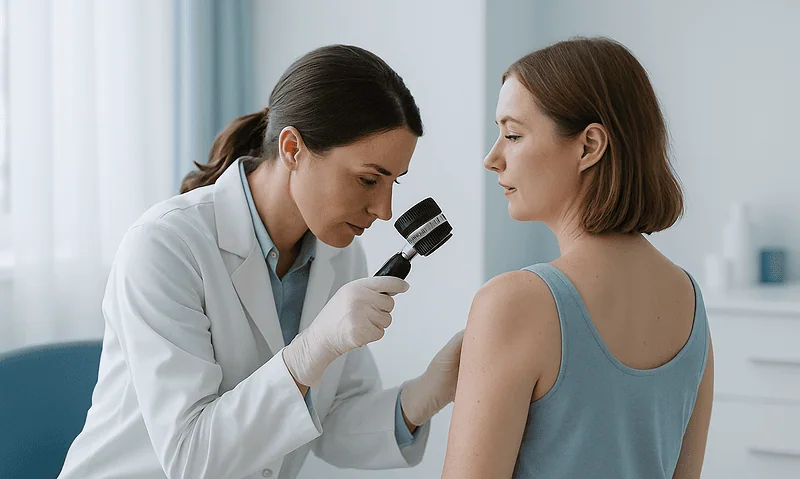
Is Arm Liposuction Enough for Your Upper Arms? Skin Elasticity and the Pinch Test Explained
Arm liposuction is usually enough when upper-arm bulk is mostly fat and the overlying skin is still elastic enough to shrink back once that…

Arm Liposuction Risks: Contour Unevenness, Numbness and Which Signs to Report Early
Arm liposuction risks include contour unevenness (lumps, dents or asymmetry), temporary or occasionally lasting numbness, bruising, fluid collections called seromas, infection and, rarely, blood…
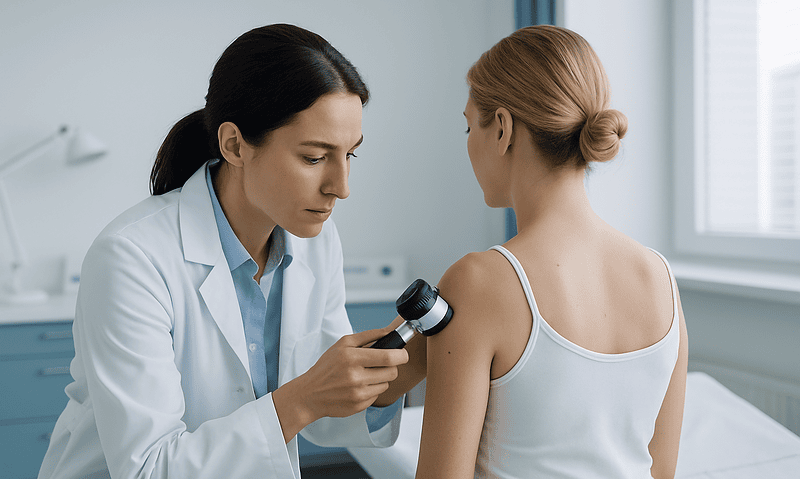
Arm Liposuction vs Arm Lift (Brachioplasty): Fat, Loose Skin and Which Problem Each Solves
Arm liposuction and an arm lift solve different problems. Liposuction removes excess fat through small incisions and works best when the skin is still…

Arm Liposuction Recovery: Compression Sleeves, Bruising and When Lifting Feels Normal Again
Arm liposuction recovery usually unfolds over weeks, not days. Soreness and bruising tend to peak in the first few days, swelling is often most…
Doctors Performing This Treatment


Aesthetic Plastic & Reconstructive Surgery
Prof. Mehmet Veli Karaaltın, MD


Aesthetic Plastic & Reconstructive Surgery
Assoc. Prof. Erdem Güven, MD

Aesthetic Plastic & Reconstructive Surgery
Assoc. Prof. Ahmet Küçükçelebi, MD

Aesthetic Plastic & Reconstructive Surgery
Assoc. Prof. Mehmet Altıparmak, MD

Aesthetic Plastic & Reconstructive Surgery