Laser Liposuction
Laser liposuction uses laser energy to liquefy localized fat before gentle suction, helping contour areas resistant to diet and exercise with small incisions and possible skin tightening.
Quick answer
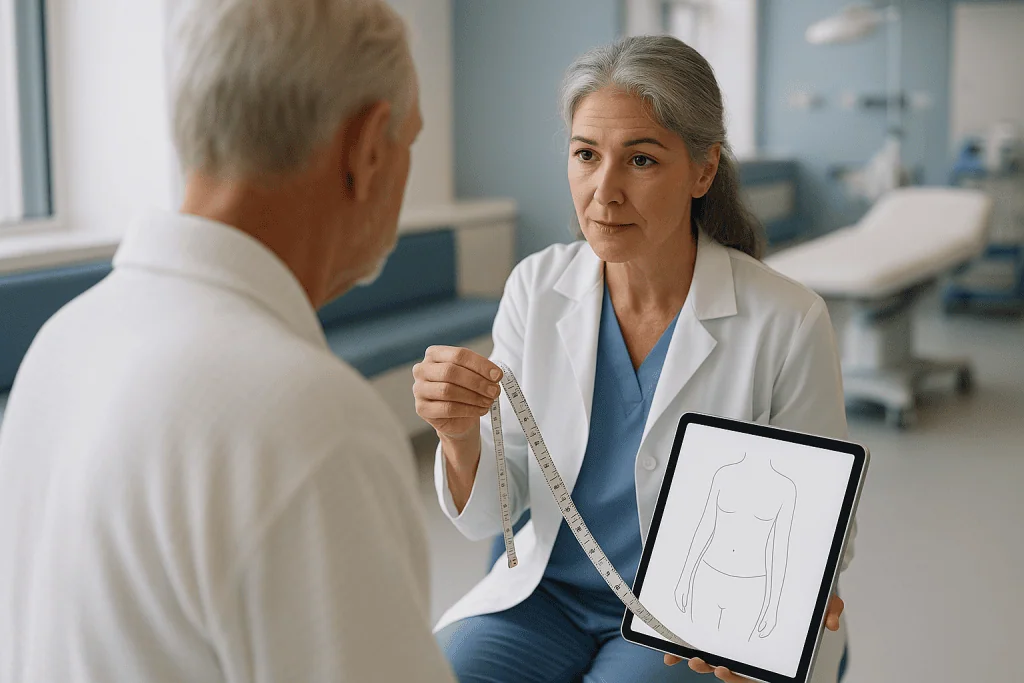
Laser liposuction is a minimally invasive body contouring procedure. A thin laser fibre is inserted through small incisions to heat and liquefy localised fat, which is then removed with gentle suction. It targets stubborn areas such as the abdomen, chin, thighs and arms in people at a stable weight, and may encourage mild skin tightening. It is a surgical procedure, not a weight-loss treatment.
What Is Laser Liposuction?
Laser liposuction is a surgical body contouring procedure that uses laser energy, delivered through a thin fibre placed under the skin, to heat and liquefy localised fat before it is removed with gentle suction through very small incisions. It reshapes specific areas of the body. It does not treat obesity, and it is not a substitute for weight loss. The procedure suits adults at or near a stable weight who have defined pockets of fat that have not responded to diet and exercise.
You will find the same procedure sold under several names: laser-assisted liposuction, laser lipolysis, laser lipo, and occasionally the shorthand lipo lipo in clinic marketing. The names change; the core technique does not. A laser fibre softens the fat, a slender suction tube called a cannula removes it, and the controlled heat may encourage a degree of tissue contraction as the area heals. That last effect is real but variable, and it is where much of the exaggerated marketing around laser liposuction lives. This page separates what the procedure reliably does from what it may do in selected patients.
Many people who consider laser liposuction are already doing the right things for their health. They exercise regularly, eat a balanced diet and hold a stable weight, yet still carry areas of fat that will not shift. The lower abdomen, waist, inner and outer thighs, upper arms, back, under the chin and the male chest are the most common examples. These areas can affect how clothing fits and how you feel about your body, even when your overall health is well managed. Laser liposuction exists for exactly this situation: a localised problem in an otherwise stable body.
It is also natural to feel uncertain. Common questions include how visible the scars will be, whether the skin will look smooth afterwards, how uncomfortable the recovery is, and how long you would need away from work, family or travel. If you are considering treatment abroad, there are further practical questions: how a physician you have never met assesses you, how the treatment plan is confirmed, and what follow-up looks like once you return home. Each of these is addressed below, in the order most people ask.
How does laser liposuction work?
Laser liposuction works by delivering laser energy directly into the fatty layer through a fibre inserted via small incisions, disrupting and liquefying fat cells so they can be suctioned out with less mechanical force. The physician moves the fibre in controlled passes so the energy spreads evenly across the target zone rather than concentrating in one spot. Once the fat is softened, a fine cannula removes it, and the surgeon shapes the remaining tissue to create a smooth transition into the surrounding area.
The heat generated by the laser also affects the connective tissue and collagen framework around the fat. In some patients, this triggers gradual collagen remodelling during healing, which can contribute to a firmer, slightly tighter appearance of the treated area over the following months. How much tightening occurs depends on age, skin quality, genetics, sun damage, smoking history, the area treated and how much fat is removed. In a person with good elasticity, the effect can be a useful bonus. In a person with genuinely loose or stretched skin, it will not be enough, no liposuction technique removes excess skin.
Is laser liposuction non-invasive?
No. Laser liposuction is a minimally invasive surgical procedure, not a non-surgical treatment. It involves incisions, anaesthesia, a device inserted under the skin and a genuine recovery period. This matters because searches for non invasive fat loss often lead people here, and the two categories are frequently confused. External devices that shine light or apply cold through intact skin belong to a different family of treatments with different mechanisms, different expectations and different limits. If a clinic describes laser liposuction as non-invasive, treat that as a warning sign about the rest of its claims. The honest description is minimally invasive: small incisions, real surgery, structured aftercare.
Who Is a Good Candidate for Laser Liposuction?
The best candidates for laser liposuction are adults close to their ideal or stable weight, in good general health, with localised fat deposits, reasonable skin elasticity and clear expectations about what the procedure can and cannot achieve. Weight stability matters more than the number on the scale: a contour created at one weight will change if that weight moves significantly in either direction afterwards.
Typical concerns that bring patients to consultation include a persistent lower abdominal bulge, fat around the waist or flanks, fullness under the chin, inner or outer thigh fat, upper arm fullness, back rolls, bra-line fat, knee-area fat and localised chest fullness in men. Some patients want a more proportional silhouette. Others simply want clothing to fit more comfortably, or a smoother transition between adjacent body areas.
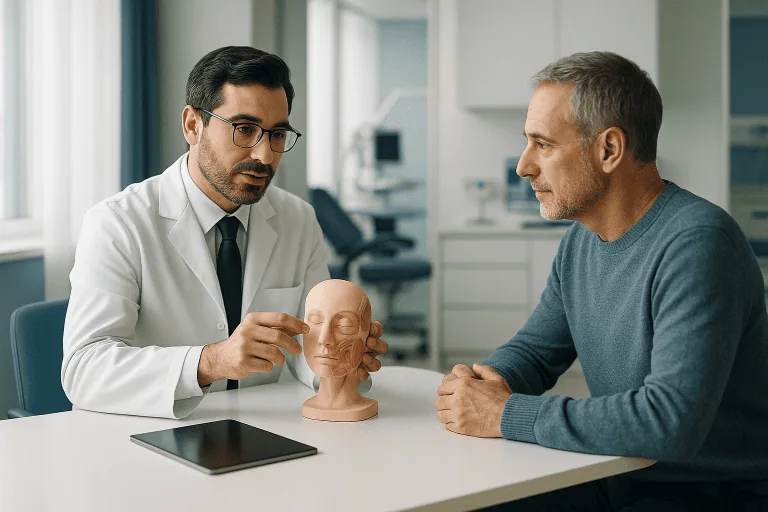
Assessment begins with a physical examination. The physician evaluates fat thickness, skin tone, tissue firmness, asymmetry, stretch marks, existing scars, muscle separation and the relationship between the fat layer and the underlying anatomy. This step is not a formality. What looks like fat is sometimes something else entirely: loose skin, weakened abdominal muscles, a hernia, fluid retention or another medical condition can all mimic a localised fat deposit. Distinguishing between these is the reason a proper medical assessment must come before any decision about surgery.
Your medical history is equally central. Conditions such as uncontrolled diabetes, significant heart or lung disease, active infection, bleeding disorders, poor wound healing and certain autoimmune conditions may affect eligibility for elective surgery. Smoking and other nicotine use impair healing, so patients are usually advised to stop for a period before and after the procedure. All current medications and supplements, particularly anything that affects blood clotting, are reviewed carefully by the treating doctor, who decides whether any changes are needed as part of the surgical plan.
Laser liposuction is generally not suitable for people seeking major weight reduction, people with significant loose skin, women who are pregnant, people whose weight is still fluctuating, or anyone with a medical condition that makes elective surgery unsafe at that time. In these situations, the responsible recommendation may be weight stabilisation first, further medical evaluation, a different procedure such as skin-removal surgery, or postponing treatment until it can be performed with an acceptable margin of safety. A physician who tells you that you are not currently a good candidate is doing their job.
Concerns and Areas Laser Liposuction Can Address
Laser liposuction addresses localised excess fat and contour irregularities in selected patients. It works best when the concern is a defined, pinchable fat deposit rather than widespread weight gain or extensive skin laxity. Treatment can be limited to one area or extended to several areas in a single session, within safe limits set by the surgeon and the anaesthesia team.
Common treatment areas include the abdomen, waist, flanks, hips, inner and outer thighs, upper arms, back, the area under the chin and along the jawline, the knees and the male chest. For the upper arms specifically, laser energy is one of several approaches used in arm liposuction, and the right technique depends on skin quality as much as fat volume. In some patients, laser liposuction forms part of a broader body contouring plan, after weight loss, after pregnancy, or alongside other aesthetic procedures. When procedures are combined, the plan must be balanced deliberately to limit operative time, contain risk and keep the recovery manageable.
In the chin and neck area, laser liposuction can reduce submental fullness and sharpen definition along the lower face in appropriate candidates; the mild tightening effect of the laser is often most useful in this small, delicate zone. In the abdomen and waist, it can reduce stubborn fat and improve shape, but it will not repair separated abdominal muscles and it will not remove an apron of loose skin: those problems need a tummy tuck, not more fat removal. In the thighs and arms, it can refine contour when skin tone is adequate, while patients with significant sagging usually need a lifting procedure to achieve a smooth result.
Laser liposuction is also sometimes considered for small areas of uneven contour after previous procedures. Revision cases demand particular caution: scar tissue, altered blood supply and earlier fat removal make the tissue less predictable, so evaluation is more detailed and planning more conservative. The ideal indication, in every area, is the same: a localised fat layer with skin that is likely to retract reasonably once the fat is gone. The physician’s central skill is telling the difference between fat that can be safely removed and tissue changes that need a different answer.
How Laser Liposuction Is Performed, Step by Step
The procedure follows a consistent sequence, whatever the treatment area:
- 1. Consultation and planningassessment, examination, tests and the surgical plan.
- 2. Markingthe treatment zones are drawn while you stand.
- 3. Anaesthesia and tumescent infusionthe area is numbed and prepared.
- 4. Laser energya fibre liquefies the targeted fat.
- 5. Suction and shapingthe softened fat is removed and the contour refined.
- 6. Compression and monitoringdressings, a compression garment and observation.
Pre-treatment consultation and planning
Everything starts with a detailed consultation. The physician asks about your goals, weight history, exercise routine, prior surgeries, medical conditions, allergies, current medications and any tendency towards abnormal scarring or bruising. International patients often begin this process remotely with photographs and a written history; final planning still requires a physical examination, because photographs cannot convey skin elasticity or tissue firmness.
During the examination, the physician assesses the thickness and distribution of fat, skin elasticity, asymmetry, muscle tone and the natural contours of each area. Measurements and clinical photographs are usually taken for planning and documentation. The physician then explains which areas can be treated, how much change is realistic, whether meaningful skin tightening is likely in your case, and whether another procedure would match your goals better. Before surgery, you may need blood tests, an anaesthesia evaluation and other checks depending on your age, history and the planned anaesthesia. You receive instructions covering medications, supplements, alcohol, smoking, and eating and drinking before the procedure; decisions about any medication remain with the treating doctor. These steps exist to reduce bleeding, bruising and anaesthesia-related risk.
Marking the treatment areas
On the day of surgery, the surgeon marks the treatment areas while you are standing. This matters because fat distribution and natural contours change when you lie down. The markings map where fat will be reduced, how transitions between zones will be blended and where the small incisions will sit, in skin creases or discreet locations wherever the anatomy allows. The aim is not simply to remove fat but to build balanced proportions.
Anaesthesia and tumescent preparation
Laser liposuction may be performed under local anaesthesia with sedation or under general anaesthesia. The choice depends on the number and size of the areas treated, the expected duration, your medical background, your comfort and the physician’s judgement. The skin is cleaned with antiseptic, sterile drapes are applied and the field is prepared.
A tumescent fluid is then usually infused into the fatty layer. This solution contains local anaesthetic and medication that constricts small blood vessels, which helps reduce bleeding and bruising. It also separates the tissue planes, making the fat removal more controlled. The same principle underpins tumescent liposuction as a technique in its own right; in laser-assisted procedures it works alongside the laser rather than instead of it.
Laser energy and fat liquefaction
Through the small incisions, a thin laser fibre is passed into the fatty layer. The physician moves it in controlled patterns to deliver energy evenly across the target zone, disrupting and liquefying the fat cells. This is the lipolysis stage, the breakdown of fat, and the reason the procedure is often listed as laser lipolysis in clinical literature. The controlled heat also reaches the surrounding connective tissue, which is where the potential tightening effect originates. Temperature and energy delivery are managed carefully throughout, because the same heat that remodels collagen can injure tissue if applied carelessly.
Gentle suction and contour refinement
Once the fat is softened, a fine cannula suctions it out. The surgeon works methodically, removing fat evenly while preserving natural curves and avoiding hollowing. Much of the artistry sits at the edges of the treated zone, where the contour must fade gradually into untreated tissue; abrupt borders are what create visible irregularities. Refined cannulas, controlled suction systems and careful anaesthesia monitoring support precision, but the technology is only as good as the judgement behind it. Safe fat removal means knowing how much to take, how much to leave and how to respect the structure underneath.
How long does the procedure take?
Duration varies with the size and number of areas. A small zone such as under the chin takes considerably less time than a multi-area body session, and combined procedures extend both operative time and recovery. Your care team gives you an estimated duration once the treatment areas and anaesthesia plan are confirmed, treat any clinic that quotes a fixed time before examining you with scepticism.
Immediately after the procedure
Small dressings are applied and you are placed in a compression garment, which reduces swelling, supports the treated tissue and improves comfort in the early days. Some fluid drainage from the incision sites is normal during the first day or two, particularly where tumescent fluid was used: it looks alarming and is expected. You are monitored while the anaesthesia or sedation wears off. Most patients return home or to their accommodation the same day with an adult companion, though a short period of observation may be advised after larger treatments or general anaesthesia.
Recovery After Laser Liposuction
Recovery depends on the areas treated, how many were treated in one session and your individual healing response. Soreness, swelling, bruising, tightness and patches of temporary numbness are all common; many patients compare the discomfort to deep muscle soreness after hard exercise. It is managed with the medications your doctor prescribes or recommends.
Light walking is encouraged from soon after the procedure, because movement supports circulation. Strenuous exercise, heavy lifting, swimming and intense heat exposure are restricted for a period set by your surgeon. The compression garment is worn as directed, patients who wear it properly generally have a smoother early recovery than those who abandon it early. Swelling improves over weeks; the final contour continues to refine over several months as the tissue settles and the skin adapts.
| Time Period | What Patients Can Expect |
|---|---|
| Day 1 | Mild to moderate soreness, swelling, bruising and some fluid drainage. Light walking is encouraged and compression is worn as instructed. |
| First week | Discomfort eases. Many patients return to desk-based work or light activities, depending on the areas treated and the physician’s advice. |
| First month | Swelling gradually decreases and contours begin to look more defined. Compression and activity restrictions may continue for part of this period. |
| Two to three months | Tissues continue to settle. Numbness, firmness or mild unevenness often improves as healing progresses. |
| Longer term | The final contour continues to refine over several months. A stable weight helps preserve the result. |
If you are travelling for treatment, build the early recovery into your itinerary rather than around it. Surgeons advise how long to remain nearby before flying, based on the extent of surgery and how your recovery is progressing; underestimating this is the most common planning error international patients make.
Does Laser Liposuction Really Work?
Yes, laser liposuction genuinely removes fat, and the fat cells removed do not grow back. Where the marketing overreaches is in the promises around skin tightening and effortless recovery. The reliable effect is targeted fat reduction with small incisions; the tightening effect is real but modest and unpredictable, strongest in patients who already have reasonable skin elasticity. Anyone with significant laxity should expect the honest answer: fat removal alone will not fix loose skin, whatever device is used.
How long does laser lipo last?
The fat removed during laser lipo is gone permanently, because adult fat cells that are extracted do not regenerate. That is not the same as saying your shape is fixed forever. The fat cells that remain, in treated and untreated areas alike, can still enlarge with weight gain, which changes the contour. Pregnancy, ageing and hormonal shifts also alter body shape over time. In practice, the result lasts as long as your weight stays broadly stable and is best treated as a starting point to maintain, not an outcome that maintains itself.
Is laser lipo better than liposuction?
Neither is better across the board; they are variations of the same operation with different tools, and the right choice depends on your anatomy and your surgeon’s assessment. Classic liposuction removes fat mechanically and remains the workhorse for larger volumes. Laser-assisted techniques add controlled heat, which can make fat removal gentler in fibrous or delicate areas and may add mild tightening. Vaser liposuction uses ultrasound energy to a broadly similar end, and hi def liposuction applies these tools to sculpt muscle definition rather than simply reduce bulk. The consistent truth across all of them: the surgeon’s judgement, experience and restraint influence your result far more than the brand of device. A skilled surgeon with a standard cannula will beat an inexperienced one with the newest laser every time.
Potential Benefits of Laser Liposuction
For well-selected candidates with realistic goals, the procedure offers several concrete advantages.
| Benefit | What It Means for You |
|---|---|
| Targeted fat reduction | Localised deposits can be reduced in areas that have not responded to diet and exercise. |
| More refined body contour | The procedure can improve proportions and create smoother transitions between treated and untreated areas. |
| Small incisions | Incisions are very small and placed discreetly where anatomy allows, which may limit visible scarring. |
| Possible tissue contraction | Controlled laser heat may support mild skin tightening in selected patients with adequate skin quality. |
| Outpatient recovery in many cases | Many patients return to their accommodation the same day, depending on the extent of treatment and anaesthesia used. |
| Long-lasting contour change | Removed fat cells do not return, although remaining fat cells can enlarge if weight is gained later. |
Risks and Limitations
What are the downsides of laser liposuction?
The main downsides of laser liposuction are that it is real surgery with a real recovery, its skin-tightening effect is modest and unpredictable, and, like all liposuction, a poor result is difficult to correct. Common and usually temporary effects include swelling, bruising, soreness, tightness and numbness in the treated area. Less common problems include contour irregularities such as waviness or depressions, asymmetry, fluid collections, infection, delayed healing and changes in skin sensation that take months to resolve. The laser adds one risk specific to heat: thermal injury to the skin or deeper tissue if energy is not controlled properly, which is one reason the experience of the operating surgeon matters so much with energy-assisted devices.
There are also limits rather than risks. Laser liposuction will not remove loose skin, repair separated abdominal muscles, treat obesity or prevent future weight gain. Removing too much fat in pursuit of a dramatic change is itself a hazard, over-resection creates hollows and laxity that are harder to fix than the original bulge. And any procedure under anaesthesia carries anaesthesia-related risks, which is why the pre-operative medical assessment is not optional paperwork but a genuine safety filter. Weigh these downsides against the benefits with your physician, in the context of your own anatomy and health, rather than against before-and-after photographs of other people.
How Much Is Laser Liposuction?
There is no single meaningful price for laser liposuction, because the cost is built from variables that differ for every patient. “How much for a lipo” is usually the first question people type, and the honest answer is that no number quoted before a medical examination is worth much. What determines the final figure is specific to you and to the clinical setting.
The main cost drivers are consistent everywhere:
- Number and size of treatment areasa chin takes a fraction of the time and resources of a multi-zone body session.
- Type of anaesthesialocal anaesthesia with sedation and general anaesthesia involve different teams, monitoring and facility time.
- Surgeon experience and facility standardshospital operating theatres with full anaesthesia and monitoring cost more to run than office-based rooms, and that difference buys safety infrastructure.
- What the quote includespre-operative tests, compression garments, medications and follow-up visits are bundled in some quotes and billed separately in others.
- Combined procedurespairing liposuction with other treatments changes operative time and aftercare.
When comparing quotes, compare like with like: ask exactly what is included, who performs the surgery, where it is performed and what happens if you need a follow-up review. A quote that is dramatically lower than the others usually excludes something the others include. The itemised treatment plan you receive after assessment, not an advertised headline figure, is the number to base decisions on.
Why Timing Matters
Laser liposuction is elective, so it is rarely urgent in any medical sense. Timing still matters. Patients who seek evaluation early can decide calmly, prepare properly and avoid choices made under pressure before a wedding, a holiday or a life change. An early consultation leaves time to stabilise weight, stop nicotine, have medications reviewed safely by the treating doctor and confirm whether liposuction is actually the right operation for the concern.
Delay can also let a straightforward problem become a complicated one. Weight fluctuation stretches skin and erodes elasticity; pregnancy, significant weight change, ageing and sun damage all alter tissue quality. If laxity progresses far enough, laser liposuction alone stops being sufficient and a lifting or skin-removal procedure becomes necessary for a smooth result: a bigger operation with a longer recovery than the one that would have worked earlier.
A quieter risk of delay is drifting towards non-medical or poorly supervised treatments without a diagnosis. Not every bulge is fat. A hernia, a fluid collection, enlarged glandular tissue, muscle separation or another medical condition can all imitate a localised fat deposit, and each needs a different response. A qualified physician assessment sorts this out before anything touches the tissue. For patients travelling for treatment, early planning also makes the trip itself safer: it leaves proper time for medical review, scheduling, recovery arrangements and follow-up, instead of compressing surgery and a long flight into a timeline the body cannot keep.
What Shapes a Good Result
A good result after laser liposuction depends on far more than removing fat. It requires the right indication, technical precision, safe limits and a recovery plan you can actually follow. The most predictable outcomes appear in patients with localised fat, stable weight, good skin elasticity and expectations that match their anatomy.
Skin quality is the single most important variable. Skin with good elasticity retracts smoothly after fat removal; skin stretched by pregnancy, major weight change or ageing may not. Stretch marks are often a visible sign of reduced elasticity. In these patients, laser energy may add some tightening, but it cannot remove excess skin, and pretending otherwise is how disappointing results happen.
The amount of fat removed matters just as much. Take too little and the change is invisible; take too much and you create waviness, depressions or laxity. Skilled liposuction is a balance between reduction and preservation, guided by the natural contours of each body area rather than treating the body as a flat surface to be emptied.
Your own health and behaviour carry real weight in the outcome. Smoking, uncontrolled blood sugar, poor nutrition and inadequate hydration can slow healing or raise complication risk. Following the pre- and post-operative instructions, wearing the compression garment, attending follow-up appointments, walking early, holding off on strenuous activity until cleared, measurably influences swelling, comfort and how the tissue settles. So does weight stability afterwards: the procedure removes fat cells from the treated zone, but it does not prevent future weight gain, and remaining fat cells anywhere in the body can enlarge if weight rises. A steady lifestyle protects the result.
Finally, communication shapes satisfaction. Patients who understand the likely degree of change, the honest limits of skin tightening, the recovery timeline and the possibility of temporary swelling or asymmetry cope better with the healing months. A good physician explains not only what can be improved but also what should not be promised or attempted.
How Laser Liposuction Is Planned at Acibadem
At Acibadem, laser liposuction is treated as a medical procedure that begins with assessment, not as a cosmetic service sold from a menu. Physicians review your goals, body structure, medical history and, where relevant, your travel plans before recommending an approach. If you are not a good candidate for laser-assisted liposuction, the recommendation may be a different technique, a staged plan or postponement: the plan follows the anatomy, not the other way round.
Where a patient’s health requires it, evaluation extends to other specialists, anaesthesiologists, internal medicine physicians, cardiologists or endocrinologists, so that elective surgery is planned on a full picture of the person having it. This multidisciplinary structure matters most for patients with existing medical conditions, previous surgeries or more complex contouring goals. Technology plays a supporting role: laser-assisted fat liquefaction systems, refined suction instruments, sterile operating protocols and continuous anaesthesia monitoring exist to help physicians treat tissue accurately and watch over the patient throughout, not to decorate a brochure.
For patients coming from abroad, planning typically starts with a remote review of photographs and medical history, followed by in-person examination on arrival, and the medical timing of travel is set by the surgeon: how long to stay after the procedure, when follow-up reviews fall and when flying becomes appropriate for the extent of surgery involved.
Making Your Decision
Laser liposuction is a genuine option for people who want to refine specific areas that have resisted consistent, healthy effort. Done for the right reasons, in the right patient, with careful planning, it can produce a more balanced contour through small incisions and a structured, finite recovery. It is not a weight-loss method, it is not non-invasive, and it will not tighten skin that has lost its elasticity, and any source that tells you otherwise is selling, not informing.
The most useful step before any decision is a qualified medical evaluation, because that is where the real questions get answered: whether your concern is truly localised fat, whether your skin is likely to respond, which technique fits your anatomy, what anaesthesia is appropriate and how much recovery time to plan before returning to normal life. With that assessment in hand, you can weigh the benefits, the downsides and the alternatives with clear eyes, which is exactly the position anyone considering elective surgery should be in.
Preparation
- Before laser liposuction, the plastic surgeon evaluates treatment areas, skin quality, medical history, and expectations. Blood tests and anesthesia assessment may be requested, and patients are usually advised to stop smoking and avoid blood-thinning medications as directed. Fasting instructions depend on the anesthesia plan.
Aftercare
- Patients usually wear a compression garment to reduce swelling and support the new contour. Mild bruising, swelling, and tenderness are expected, and walking is encouraged soon after the procedure. Strenuous exercise should be avoided until the surgeon confirms it is safe, and follow-up visits monitor healing.
Frequently Asked Questions
What affects the cost of laser liposuction?
The final cost depends on the treatment areas, amount of contouring required, anesthesia type, hospital or clinic setting, surgeon experience, pre-operative tests, compression garments, medications, and follow-up care. Travel, accommodation, interpreter support, and transfers can also affect the total package for international patients.
How can I get a personalised quote?
You can request a free consultation and share your medical history, photos of the treatment areas, previous surgery details, and your goals. A specialist can then assess whether laser liposuction is suitable and provide a personalised quote based on your treatment plan.
Is laser liposuction cheaper if more than one area is treated at the same time?
Combining areas may change the overall treatment plan, but it can also increase operating time, anesthesia needs, garment requirements, and recovery considerations. The specialist will advise what is safe and appropriate before providing a final quote.
Are laser liposuction packages all-inclusive?
Package contents vary by hospital and clinic. Patients should ask whether the quote includes surgeon fees, hospital services, anesthesia, tests, compression garment, medications, follow-up visits, hotel stay, transfers, and interpreter support.
Will insurance cover laser liposuction?
Laser liposuction for cosmetic body contouring is usually considered self-pay. Coverage may differ if there is a medical indication, but this must be checked directly with the insurer and healthcare provider.
Does choosing Turkey mean compromising on quality?
Quality depends on the specific hospital, surgeon, safety protocols, and aftercare arrangements rather than the country alone. In Turkey, patients can choose JCI-accredited hospitals such as Acibadem, where international patient coordination and structured care pathways are available.
Medically reviewed by the Acıbadem International Medical Board September 8, 2026
See our medical review board →
Update history
- PublishedJune 8, 2026
- Medical review approvedSeptember 8, 2026
- Last content updateSeptember 8, 2026
References2
- Liposuction medlineplus.gov
- Liposuction nhs.uk
Planning tools for this treatment
Indicative figures for orientation only: your written plan and quote follow a free medical review.
Trusted care for international patients
Liposuction costsledger-based guide ranges, or browse the full Turkey Medical Price Index.
From the Acibadem Blog

Does Laser Liposuction Hurt? Anesthesia Options and Managing Soreness in the First Days
Laser liposuction is usually done under local anesthesia, so most people feel pressure, warmth and tugging rather than sharp pain during the procedure. Soreness…
Laser Liposuction vs Traditional Liposuction: Incisions, Downtime and Skin Response Compared
Laser liposuction and traditional liposuction both remove fat through small skin incisions with a thin tube called a cannula. The laser version first heats…
How Does Laser Liposuction Work? Liquefying Fat and the Skin Tightening It May Add
Laser liposuction, also called laser-assisted liposuction or laser lipolysis, is a surgical procedure in which a thin fiber inserted under the skin delivers laser…
Doctors Performing This Treatment


Aesthetic Plastic & Reconstructive Surgery
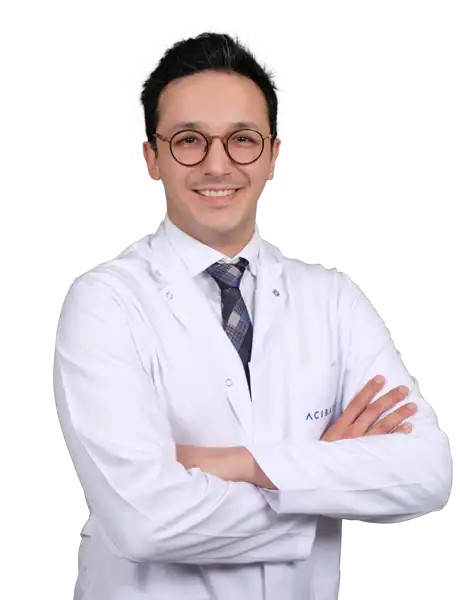
Prof. Mehmet Veli Karaaltın, MD


Aesthetic Plastic & Reconstructive Surgery
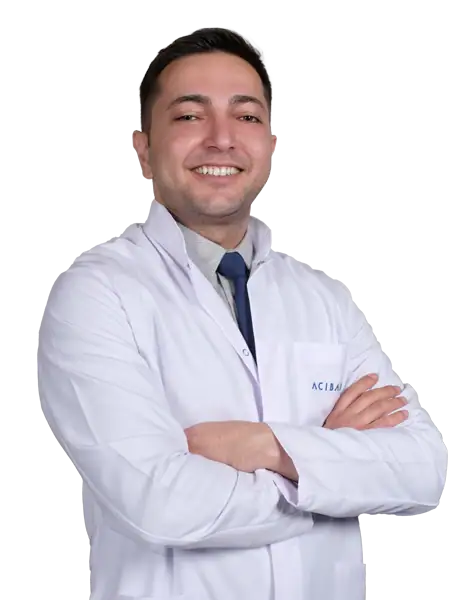
Assoc. Prof. Erdem Güven, MD

Aesthetic Plastic & Reconstructive Surgery
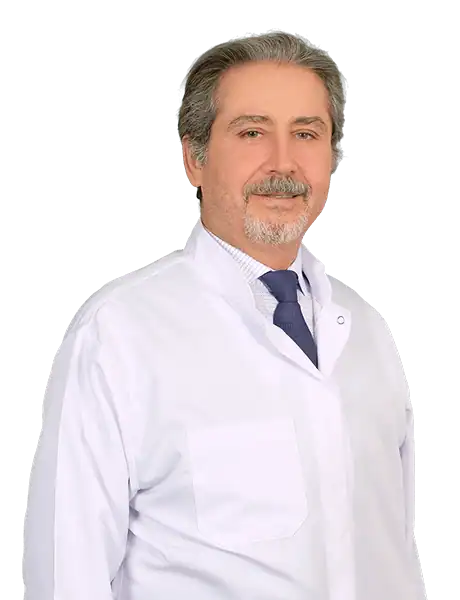
Assoc. Prof. Ahmet Küçükçelebi, MD

Aesthetic Plastic & Reconstructive Surgery
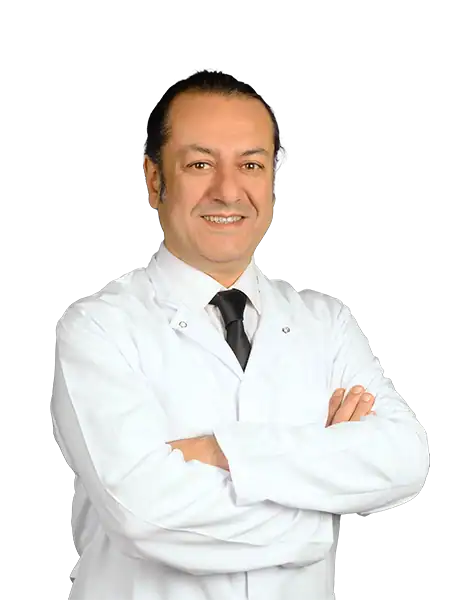
Assoc. Prof. Mehmet Altıparmak, MD

Aesthetic Plastic & Reconstructive Surgery