Classic Liposuction
Classic liposuction removes stubborn localized fat deposits through small incisions and suction cannulas, helping contour areas such as the abdomen, hips, thighs, arms, and back.

Quick answer
Classic liposuction, also called suction-assisted liposuction, is a surgical procedure that removes localised fat deposits through small incisions using thin cannulas connected to controlled suction. It reshapes specific areas, such as the abdomen, flanks, thighs or arms, rather than reducing overall body weight. It is usually performed with a tumescent fluid technique, under local, regional or general anaesthesia, and recovery takes several weeks.
What Is Classic Liposuction?
Classic liposuction, also called suction-assisted liposuction, is a surgical procedure that removes localised fat deposits through small incisions using thin hollow tubes called cannulas connected to controlled suction. It reshapes specific areas of the body, commonly the abdomen, waist, hips, thighs, upper arms, back and the region under the chin, rather than reducing overall body weight. It suits adults who are at or near a stable weight but carry pockets of fat that have not responded to consistent nutrition and exercise.
That last distinction matters more than any other on this page. This is a contouring operation, not a weight-loss treatment. It does not replace healthy eating, exercise or long-term weight management, and it is not a treatment for obesity. It also does not directly treat cellulite or loose skin, although a better contour can sometimes make the surface of an area look more balanced. If significant excess skin is present, a different procedure, abdominoplasty, an arm lift combined with liposuction, or a thigh lift, may be discussed instead of, or in addition to, liposuction.
During the operation, the surgeon moves the cannula within the fatty layer in a planned pattern, loosening and removing fat while shaping the treated area. The aim is never to remove as much fat as possible. A good result depends on removing the right amount of fat, in the right tissue planes, while preserving smoothness, symmetry and natural proportions. The procedure can address one area or several areas in the same operation, provided this is medically appropriate for the individual patient.
Is classic liposuction the same as traditional liposuction?
Yes: the classic, traditional and suction-assisted (often abbreviated SAL) labels all describe the same procedure. The different names reflect marketing and medical convention rather than technical differences. “Classic” or “traditional” distinguishes the original mechanical suction method from newer, energy-assisted variants such as ultrasound-assisted and laser-assisted liposuction, which are covered further down this page. When a clinic describes a procedure as traditional liposuction, it usually means fat is loosened by the movement of the cannula itself, without ultrasound or laser energy applied to the tissue first.
Why Consider Liposuction?
Localised fat can be frustrating when it refuses to respond to disciplined nutrition, exercise and weight management. Many people who consider the procedure are not trying to lose weight in the usual sense. They are often close to a stable weight but notice specific areas: a waistline that does not reflect their overall fitness, fullness at the hips or thighs that affects how clothing fits, or upper-arm fat that persists even after weight loss: that remain out of proportion with the rest of the body. Genetics plays a large role in where the body stores fat, which is why some regions stay resistant despite consistent effort.
It is also normal to feel uncertain before deciding. Patients frequently ask whether the result will look natural, how visible the scars will be, how long recovery takes, whether removed fat can come back, and how to choose a safe surgical team. These are appropriate questions. Liposuction is elective, but it is still surgery. It requires careful patient selection, precise planning, high standards of anaesthesia and monitoring, and realistic expectations on both sides of the consultation table.
At Acibadem, the procedure is approached as both a medical and an aesthetic one, requiring individual assessment, evidence-based planning and coordinated care before, during and after the operation. Because the surgery is elective, there is time to make the decision properly: to understand the surgical plan, the type of anaesthesia recommended and why, how postoperative care is organised, and what a realistic outcome looks like for your particular anatomy and skin.
Suction-Assisted Liposuction and the Tumescent Technique
Suction-assisted liposuction is, in most modern practice, performed using a tumescent technique. Before any fat is removed, the surgeon infiltrates the fatty layer with a sterile fluid containing local anaesthetic and medication that narrows small blood vessels. The fluid expands and firms the tissue, which makes fat removal more controlled; it reduces bleeding and bruising; and it supports comfort in the hours after surgery, because the local anaesthetic continues working after the operation ends.
The infiltration step is not a formality. The volume of fluid, its distribution through the tissue and the waiting time before suction begins all influence how smoothly the fat separates and how the tissue behaves afterwards. Controlled infiltration pumps are often used to deliver the fluid evenly. The exact approach is tailored to the treatment area, the amount of fat to be removed, the patient’s health status and the surgeon’s judgement.
What is tumescent liposuction?
Tumescent liposuction is the classic suction method performed with this fluid-infiltration technique, and in smaller cases the tumescent fluid itself can provide most or all of the anaesthesia. When the treated area is limited, some patients can be operated on under local tumescent anaesthesia with light sedation rather than a general anaesthetic. For larger or multi-area procedures, tumescent infiltration is still used, but it is combined with regional or general anaesthesia for safety and comfort. You can read more about the method on the dedicated tumescent liposuction page. In practice, the two names describe overlapping ideas: one describes the suction method, the other the fluid technique that supports it.
Classic Liposuction vs Other Liposuction Techniques
Classic liposuction differs from newer variants mainly in how the fat is loosened before it is suctioned out. In the classic method, the mechanical movement of the cannula does the work. In Vaser liposuction, ultrasound energy is applied to the fatty tissue first, breaking fat cells apart before suction. In laser liposuction, laser energy performs a similar role and generates heat in the tissue. Energy-assisted methods are sometimes favoured for fibrous areas, revision cases or fine surface work, such as the muscle-line definition offered in hi-def liposuction.
A further mechanical variant, power-assisted liposuction, uses a rapidly vibrating cannula tip to reduce the physical effort of fat removal; it is best thought of as a refinement of the classic method rather than a separate philosophy. None of this makes the classic technique obsolete. It remains the reference method against which the others are measured, it avoids the thermal risks that come with energy devices, and in experienced hands it produces smooth, natural contours across all the common treatment areas. Energy-assisted devices add options; they do not remove the need for anatomical judgement, and they cannot compensate for poor planning.
What is the most effective type of liposuction?
There is no single most effective type of liposuction; the technique that suits your tissue, your treatment area and your surgeon’s experience is the most effective one for you. Classic suction-assisted liposuction handles the majority of routine contouring well. Ultrasound- or laser-assisted methods may offer advantages in dense, fibrous tissue, for example the male chest or the back, or where the surgeon wants additional surface effect. What consistently separates good results from disappointing ones is not the device, but patient selection, skin quality, conservative fat removal and the surgeon’s understanding of three-dimensional anatomy. A responsible consultation explains why a particular technique is recommended for your case, rather than presenting one device as universally superior.
Who Is a Good Candidate?
Good candidates for classic liposuction are adults at or near a stable weight, in good general health, with localised fat deposits and a clear understanding of what the procedure can and cannot achieve. They may feel that certain areas are disproportionate to the rest of the body, concerns that are aesthetic, but that genuinely affect confidence, comfort in clothing and satisfaction with body proportions.
Skin quality is especially important. Because liposuction removes fat but does not remove extra skin, the skin over the treated area must shrink and adapt to the new, smaller contour. Patients with good skin elasticity are more likely to see the skin settle smoothly. Patients with loose, stretched or damaged skin, after significant weight loss, multiple pregnancies or long-term sun exposure, may need a different surgical plan, sometimes combining liposuction with skin-tightening surgery, and sometimes replacing it altogether.
Assessment and planning begin with a detailed consultation. The physician reviews medical history, previous operations, current medications, allergies, smoking status, weight history, pregnancy history and any condition that could affect anaesthesia or healing. A physical examination assesses fat distribution, skin tone, muscle contour, asymmetry, existing scars, possible hernias and how the area of concern relates to the rest of the body. Photographs are often taken for surgical planning and medical documentation. Preoperative testing may include blood tests, clotting evaluation, an electrocardiogram, imaging if a hernia or deeper condition is suspected, and an anaesthesia assessment.
The procedure is not suitable for everyone. Patients with uncontrolled chronic disease, active infection, significant heart or lung disease, certain clotting disorders, unstable weight, unrealistic expectations or an inability to follow recovery instructions may be advised to postpone or avoid surgery. Smoking impairs healing and raises complication risk, so patients are usually asked to stop smoking before and after the procedure according to their doctor’s guidance. A recommendation not to operate is a legitimate outcome of a good consultation, arguably the clearest sign of one.
How many pounds does liposuction remove?
Liposuction removes far less weight than most people expect, because it is measured in volume of fat, not pounds on the scales, and safe limits exist for how much can be removed in a single session. Fat is light relative to its volume, so even a visible change in contour translates into a modest change in body weight. Surgeons plan removal around safety thresholds, the number of areas treated and the behaviour of the overlying skin, not around a target weight. If your primary goal is a lower number on the scales, weight management, and in some cases bariatric evaluation, is the appropriate conversation, with body contouring considered later once weight is stable. Patients who judge liposuction by shape, proportion and how clothing fits are consistently better served than those who judge it by weight.
Conditions and Areas the Procedure Addresses
The classic technique is used primarily for localised adiposity, fat deposits limited to specific regions. It may be considered when diet and exercise have improved general fitness but have not changed the shape of a particular area, which is common because genetics largely determines where the body stores fat.
Frequent indications include:
- Abdominal and flank fullness, commonly called “love handles”
- Fat deposits on the hips and outer thighs
- Inner-thigh fullness that affects leg contour
- Upper-arm fullness, sometimes treated as dedicated arm liposuction
- Back rolls and bra-line fullness
- Localised fat around the knees
- Fat under the chin and along the jawline (the submental region)
- In selected men, chest or flank contouring, sometimes as part of gynecomastia planning, depending on whether the fullness is fatty or glandular
In selected patients, liposuction also plays a reconstructive or corrective role: improving contour irregularities left by previous surgery, or addressing asymmetry. These cases demand particularly careful evaluation, because scar tissue, uneven fat distribution and altered skin quality can all affect what is achievable.
Two questions come up repeatedly. Does liposuction treat cellulite? No, cellulite relates to the structure of connective tissue beneath the skin, skin thickness and superficial fat distribution. Removing deeper fat may improve overall contour, but it does not reliably eliminate dimpling, and in unsuitable skin it can make surface irregularity more noticeable. Does liposuction help with obesity? Also no, for patients with significant excess weight or metabolic disease, a broader medical plan comes first, and staged body-contouring surgery may be discussed after weight loss has stabilised.
How the Procedure Is Performed
Consultation and Surgical Planning
The process starts with a consultation focused on anatomy, goals and safety. The surgeon asks which areas bother you most, then works out whether the concern is caused by fat, loose skin, muscle separation, posture, bone structure or a combination. The distinction matters: liposuction treats fat, not every cause of shape change, and matching the procedure to the actual problem is the single biggest determinant of satisfaction.
The surgeon typically marks potential treatment areas while you are standing, because gravity and posture reveal natural contours far more accurately than lying down. The markings identify zones to reduce, zones to preserve and transition zones where the change must be gradual. Balanced planning is essential, over-removal in one area creates an artificial, scooped appearance that is difficult to correct later.
Part of the examination is deliberately tactile. Surgeons often use a pinch test, gently lifting the skin and fat between the fingers, to judge how thick the fatty layer is, how the deep and superficial fat compartments are distributed, and how readily the skin snaps back. Skin that recoils quickly is more likely to redrape smoothly after fat removal; skin that stays tented or moves sluggishly suggests reduced elasticity, and that observation directly changes the surgical recommendation. The examination also distinguishes subcutaneous fat, which sits under the skin and can be suctioned, from visceral fat, which lies inside the abdominal cavity around the organs and cannot be treated with liposuction at all. A firm, rounded abdomen driven mainly by visceral fat will not change meaningfully with this surgery, and identifying that honestly at the planning stage prevents disappointment later.
Preparation Before Surgery
Before surgery, you receive instructions covering medications, supplements, alcohol, smoking, fasting and skin preparation. Blood-thinning medications and certain supplements may need to be paused, but any change to medication is decided by the treating doctor, never independently. Tell the care team about every prescription, over-the-counter product and herbal preparation you take, however minor it seems.
Laboratory tests and the anaesthesia evaluation are completed according to your age, medical history and the planned extent of surgery. You will be advised to arrange help for the first days afterwards, particularly if several areas are being treated. Compression garments are usually prepared in advance, because they play an important role from the first day of recovery.
On the day of surgery, the surgeon confirms the plan and marks the treatment areas. The anaesthesia team reviews your health information, fasting status and the chosen approach: local anaesthesia with sedation, regional anaesthesia or general anaesthesia, depending on the extent and location of the procedure, its expected duration and your safety profile.
The Procedure, Step by Step
Although every operation is individual, the surgery follows a recognisable sequence:
- Anaesthesia and positioning. The chosen anaesthesia is administered and the surgical area is cleaned and draped under sterile conditions.
- Incisions. Small openings are made in discreet locations wherever anatomy allows, natural creases, or areas normally covered by clothing.
- Tumescent infiltration. The sterile fluid is introduced into the fatty layer, expanding the tissue, supporting local anaesthesia and narrowing small blood vessels.
- Fat removal. The cannula is inserted and moved in a planned pattern, loosening and suctioning fat in layers, with constant attention to symmetry and smooth transitions between treated and untreated zones.
- Assessment and refinement. The surgeon checks contour from multiple angles, comparing sides and adjusting where needed. Restraint matters here: removing too little may not achieve the goal, while removing too much raises the risk of depressions, waviness and skin problems.
- Closure and dressing. Incisions are closed with small sutures or left partially open for controlled drainage of tumescent fluid, depending on technique. Dressings and compression garments are applied.
The technology involved includes modern suction systems, fine cannulas of different lengths, diameters and tip shapes, infiltration pumps for even fluid delivery, and full operating-room monitoring. These tools assist the surgeon, but the quality of the result depends far more on patient selection, anatomical understanding and technique than on any specific device.
Operating time varies with the number of areas treated, the volume of fat removed, your anatomy and whether another procedure is performed at the same time. A single small area takes considerably less time than multi-area contouring, which also requires longer recovery monitoring.
Immediately After Surgery
You are monitored while the anaesthesia wears off. Swelling, bruising, soreness and drainage of tumescent fluid from the incision sites are all normal in the early period. Early, gentle movement, short walks around the room, is actively encouraged, because it supports circulation and reduces the risk of blood clots. Some patients return home the same day; others stay in hospital for observation, depending on the extent of surgery, the anaesthesia used and their medical history. Before discharge, patients receive written instructions covering wound care, garment use, medication schedules, activity limits, the warning signs that need prompt medical review, and the follow-up appointment plan. Some surgical teams also recommend manual lymphatic drainage massage during recovery to help fluid clear; whether it is appropriate for you, and when to begin, is decided by the treating surgeon.
How painful is lipo surgery?
Discomfort after liposuction is usually described as aching, tenderness or a deep-bruise sensation rather than sharp pain, comparable, many patients say, to intense muscle soreness after unaccustomed exercise. It is generally at its most noticeable in the first days and eases steadily, and it is managed with medication prescribed by your surgical team. The tumescent fluid’s local anaesthetic contributes to comfort in the first hours. Discomfort varies with the areas treated, fibrous regions such as the back tend to ache more than softer areas, with the number of zones operated on, and with individual pain perception. During the operation itself you feel nothing under general or regional anaesthesia; under local tumescent anaesthesia with sedation, patients typically report pressure and movement rather than pain. Nobody should promise you a comfortable recovery, but for most patients, the soreness is manageable and short-lived relative to the length of the overall healing process.
Recovery and the Healing Timeline
Recovery is gradual, and swelling is the defining feature of it. Swelling temporarily obscures the result you came for: many patients see an early contour change within the first weeks, but genuine refinement continues for months as fluid clears and tissues settle. Judging the outcome too early is the most common source of unnecessary worry.
Most patients can walk on the day of surgery or the next day. Return to desk work is often possible within several days to about a week after limited-area procedures, while more extensive liposuction needs additional time. Exercise, heavy lifting and strenuous activity remain restricted until the surgeon confirms that healing is progressing safely. Follow-up visits check incision healing, swelling, symmetry, garment fit and overall recovery.
| Time Period | What Patients Can Expect |
|---|---|
| Day 1 | Monitoring after anaesthesia; mild to moderate soreness, swelling, bruising and possible fluid drainage from incision sites. Short walks are usually encouraged. |
| First week | Compression garment worn as instructed; gradual increase in light activity; follow-up assessment. Many patients with limited-area liposuction return to non-strenuous work during this period. |
| First month | Swelling and bruising continue to improve. The treated area begins to look more defined, though firmness, numbness or uneven swelling may still be present. |
| Two to three months | Most swelling has settled for many patients and the contour becomes easier to appreciate. Exercise is resumed gradually with medical approval. |
| Longer term | Final refinement can continue for several months. Maintaining a stable weight supports the durability of the result. |
Why do compression garments matter?
Compression garments support the treated tissue, limit swelling and encourage the skin to adapt smoothly to the new contour underneath it, which is why surgeons treat them as part of the operation rather than an optional accessory. They are typically worn for several weeks, with the schedule adjusted at follow-up visits. A garment that fits poorly, or one worn inconsistently, can contribute to prolonged swelling and uneven settling, so raise any fit problems at your follow-up rather than improvising.
Benefits of the Classic Technique
When performed for the right patient and the right indication, the classic technique offers practical and aesthetic benefits that other approaches cannot easily match.
| Benefit | What It Means for You |
|---|---|
| Targeted fat reduction | Localised fat deposits can be reduced in areas that have not responded well to diet and exercise. |
| Improved body contour | The treated area can look more proportional to its surroundings, and clothing often fits more comfortably. |
| Small incisions | Cannulas enter through small openings, placed in discreet locations wherever anatomy allows. |
| Customisable treatment areas | The plan can cover one area or several, depending on safety, goals and overall body proportions. |
| Long-lasting contour change with stable weight | Removed fat cells do not grow back in the same way, although remaining fat cells can enlarge if weight increases. |
| Option to combine procedures | In selected patients, liposuction can be combined with other body-contouring operations when medically appropriate. |
Results: What to Expect Over Time
Results develop in stages. The early change visible once the first swelling settles is a preview, not the finished picture; the final contour typically takes several months to declare itself as deeper swelling resolves and the skin completes its adaptation. Numbness or altered sensation in the treated area is common in the early months and usually improves gradually. Small incision scars fade over time and, when placed in creases or covered areas, generally become inconspicuous, though scar behaviour varies between individuals and skin types. Scars typically pass through a normal maturation sequence: pink and slightly firm in the early months, then gradually flatter and paler over the first year. Protecting fresh scars from direct sun exposure while they mature helps prevent darkening, and your team may suggest scar-care measures such as silicone-based products once the incisions have fully closed.
What happens 10 years after liposuction?
Ten years after liposuction, the fat cells that were removed have not returned, but the rest of your body has continued to live, age and respond to your weight. Fat cells removed by suction do not regenerate in the same way, so if your weight has stayed stable, the improved proportion of the treated area is usually still evident a decade later. If weight has increased, the remaining fat cells, in treated and untreated areas alike, enlarge, and the body may store proportionally more fat in areas that were not treated, which can change your overall shape in ways that feel unfamiliar. Ageing, hormonal changes, pregnancy and gradual loss of skin elasticity also continue independently of the surgery. In short: liposuction permanently changes the distribution of fat cells, but it does not freeze your body in time. The patients happiest with their result ten years on are almost always the ones who maintained a broadly stable weight.
What Influences the Outcome?
Several factors have to work together for a good result. The first is appropriate patient selection. Patients with localised fat, stable weight and elastic skin are stronger candidates than those with diffuse weight concerns or significant skin looseness. The procedure must match the problem: if the main issue is excess skin, liposuction alone will not deliver the improvement the patient imagines.
The second is surgical planning. Natural-looking contouring requires more than fat removal: it requires understanding how light, shadow, muscle structure, posture and neighbouring areas shape what the eye perceives. The surgeon decides where to reduce volume, where to deliberately preserve fullness, and how to create gradual transitions. Symmetry matters, but the human body is naturally asymmetric; the aim is balanced improvement, not mathematical perfection.
The third is the amount of fat removed. Patients sometimes assume more removal means a better result. In reality, overly aggressive liposuction increases the risk of contour irregularity, loose skin, surface waviness and prolonged swelling. Conservative, anatomically guided removal usually produces a smoother, more durable contour, and leaves options open if refinement is ever wanted later.
Skin behaviour is a major determinant in its own right. After fat is removed, the skin must retract and conform to the new shape underneath. Younger patients and those with firmer skin adapt more predictably; patients with stretch marks, sun damage, significant prior weight loss or previous pregnancies may have reduced elasticity. A frank consultation explains how your skin is likely to behave and whether additional procedures deserve consideration.
General health and lifestyle influence healing throughout. Smoking, uncontrolled diabetes, certain medications, poor nutrition and inadequate postoperative care all raise complication risk. Weight stability matters afterwards too: liposuction removes a portion of the fat cells in treated areas, but it does not prevent future weight gain, and remaining fat cells everywhere can enlarge if weight rises. Finally, your own compliance counts, wearing the compression garment as directed, walking early, holding off strenuous activity until it is approved, and attending follow-up visits all contribute to a safer recovery and a better result.
What are the risks of classic liposuction?
The risks of classic liposuction include bleeding, infection, fluid collection (seroma), numbness or altered sensation, visible scarring, skin irregularity, asymmetry, delayed healing and anaesthesia-related complications; rarely, more serious events such as blood clots can occur. These risks are real, which is why patient selection, anaesthesia assessment, operating-room standards and structured aftercare exist. A careful surgical team discusses them openly before you consent, explains how each is reduced through planning and monitoring, and makes sure you leave hospital knowing which signs during recovery need prompt medical review. Be wary of any provider who presents liposuction as trivially safe, and equally of the assumption that risk means the procedure is unwise. The point of a proper evaluation is to establish where you personally sit on that spectrum.
Why Timing Matters
Liposuction is elective, so it rarely demands urgent action, but timing still shapes the outcome. A patient who undergoes the procedure before reaching a stable weight risks disappointment if later weight changes alter the result. A patient planning pregnancy soon may be advised to postpone abdominal contouring, because pregnancy changes both the abdomen and skin elasticity.
Some people spend years trying to exercise away an area whose shape is largely set by genetics rather than effort. Whether fat, loose skin, muscle separation or something else is responsible for a contour concern is a medical question, and the answer determines whether liposuction, a different procedure or no surgery at all is appropriate: a decision grounded in anatomy and medical facts rather than assumption.
There are also situations where waiting makes surgery harder to plan well. Significant weight fluctuation reduces skin elasticity, and repeated cycles of gain and loss increase looseness; once skin quality declines past a certain point, liposuction alone may no longer produce the contour the patient wants. In other cases, an underlying issue, a hernia, muscle separation after pregnancy, or a medical cause of swelling, needs evaluation before any aesthetic procedure is sensible.
The safest timing is individual. A well-prepared candidate is medically optimised, at a stable weight, able to pause smoking where relevant, realistic about the goal and organised for the recovery period.
How Acibadem Approaches the Procedure
At Acibadem, this operation sits inside a hospital environment rather than a standalone aesthetic clinic, and the planning reflects that. Experienced physicians evaluate whether the procedure is appropriate at all before discussing how it should be done. Where a patient has medical conditions or more complex needs, coordination with anaesthesiology, internal medicine, cardiology or other specialties can be arranged, so that risks are identified before surgery rather than discovered during it.
Preoperative pathways include blood testing, anaesthesia evaluation and targeted imaging when needed. In the operating room, controlled fluid infiltration, fine cannulas of appropriate sizes and continuous monitoring support precise, safe treatment, with the understanding that technology assists judgement rather than replacing it. Treatment planning is individual: some patients need a limited, single-area procedure; others need staged treatment, combination surgery, or an honest recommendation not to proceed because the expected benefit is limited. A responsible consultation covers alternatives, realistic outcomes, scar placement, recovery time and the possibility of future procedures if the body changes.
Follow-up is structured rather than left to chance. Visits in the first weeks check wound healing, garment fit and early symmetry; later reviews assess how the contour is settling as deeper swelling resolves. Photographic documentation at intervals makes gradual change visible, useful, because day-to-day comparison in the mirror hides progress that side-by-side images reveal clearly. Any concern that arises between appointments is worth reporting to the care team promptly rather than waiting for the next scheduled visit.
Making an Informed Decision
Classic liposuction is a well-established option for people who want to refine stubborn, localised fat and improve body proportion, provided the indication is right, the skin can cooperate, and expectations are anchored in anatomy rather than imagery. It is not a shortcut for weight loss, and it should never be sold as one. The most reliable results come from the least glamorous ingredients: careful patient selection, conservative technique, honest conversation about limits, and disciplined aftercare. Whether the classic method, an energy-assisted variant such as Vaser, or a different operation altogether is right for you is a question your anatomy answers, and a thorough surgical evaluation is how that answer gets found.
Preparation
- Before classic liposuction, patients have a plastic surgery consultation, physical examination, and required blood tests or imaging if indicated. Smoking and blood-thinning medicines may need to be stopped as advised by the doctor. Patients should maintain a stable weight and follow fasting instructions before anesthesia.
Aftercare
- After surgery, compression garments are usually worn to reduce swelling and support the new contour. Mild bruising, swelling, and discomfort are expected and improve gradually with prescribed care. Walking is encouraged early, while strenuous exercise is usually avoided until the surgeon approves it.
Frequently Asked Questions
What affects the cost of classic liposuction?
The main factors are the treatment areas, the complexity of contouring, anaesthesia type, hospital setting, surgeon experience, compression garments, tests, medications, and follow up. Travel and accommodation may also affect the overall budget for international patients.
How can I get a personalised quote?
A personalised quote usually requires photos, medical history, body goals, and a specialist review. Acibadem International can arrange a free consultation to assess suitability and explain what is included in the proposed package.
Is classic liposuction priced per area or as a package?
Pricing models vary by provider. Some quotes are area based, while international patient programmes may offer package style planning that can include hospital services, anaesthesia, transfers, and aftercare coordination. Always ask for a written breakdown.
Does a lower quote mean the same level of care?
Not necessarily. The quote should be reviewed together with the surgeon credentials, hospital accreditation, anaesthesia safety, infection control standards, emergency support, and follow up arrangements. Cost should not be the only factor in decision making.
Will I need to stay in Turkey after classic liposuction?
Most patients need a recovery period before travelling, but the exact timing depends on the treated areas, anaesthesia, healing, and the surgeon’s advice. Your care team will provide travel guidance based on your individual plan.
Medically reviewed by the Acıbadem International Medical Board September 1, 2026
See our medical review board →
Update history
- PublishedJune 8, 2026
- Medical review approvedSeptember 1, 2026
- Last content updateSeptember 1, 2026
References2
- Liposuction nhs.uk
- Liposuction medlineplus.gov
Read this treatment guide in your language
Planning this treatment in Turkey
Our English guides for international patients: costs, timelines, safety and travel.
Planning tools for this treatment
Indicative figures for orientation only: your written plan and quote follow a free medical review.
Trusted care for international patients
Liposuction costsledger-based guide ranges, or browse the full Turkey Medical Price Index.
From the Acibadem Blog
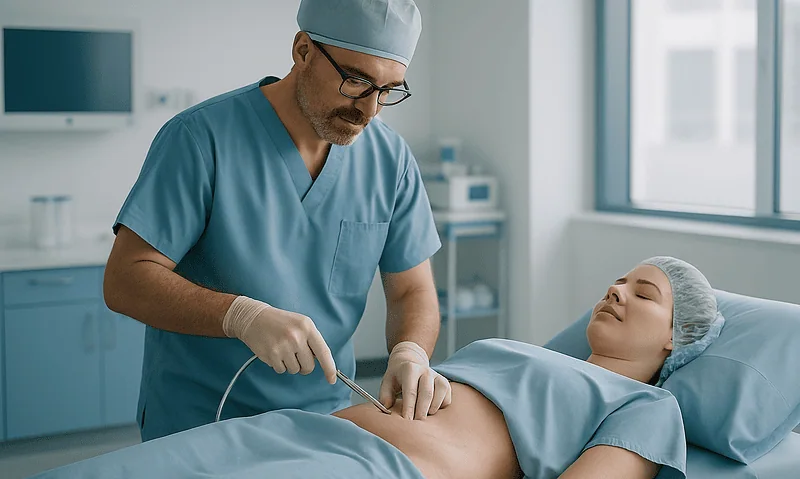
How Classic Liposuction Is Performed: Small Incisions, Thin Cannulas and Suction Explained
Classic liposuction, also called suction-assisted liposuction, removes fat through a few incisions roughly the size of a pencil eraser. The surgeon first infuses a…

Lipo 360 Cost: Why Circumferential Liposuction Is Priced Differently
As of August 2026, lipo 360, liposuction of the entire torso circumference, falls within our guide range of EUR 3,900–6,100 for international…
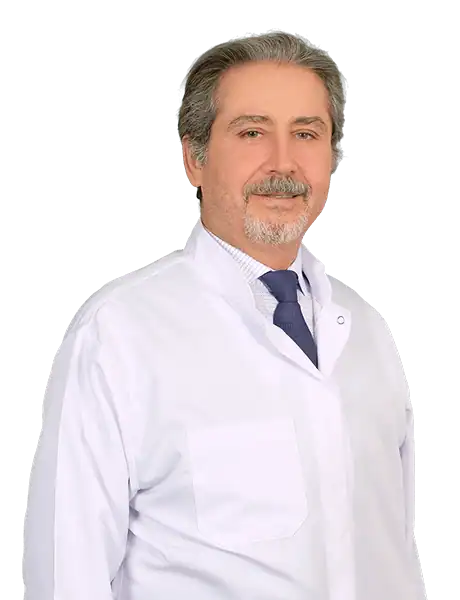
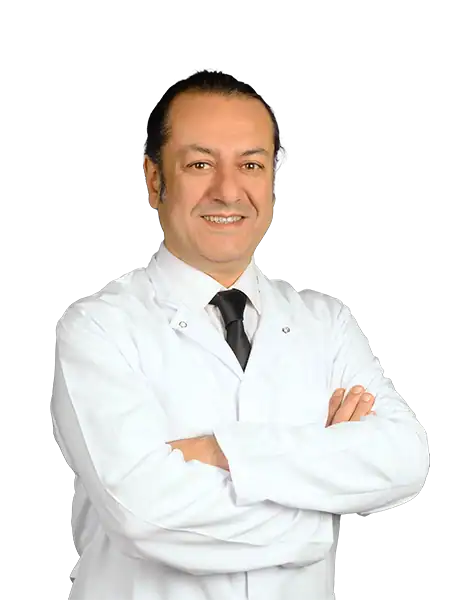
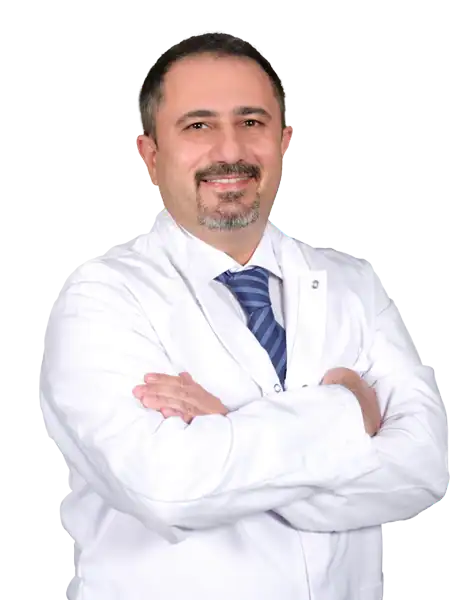
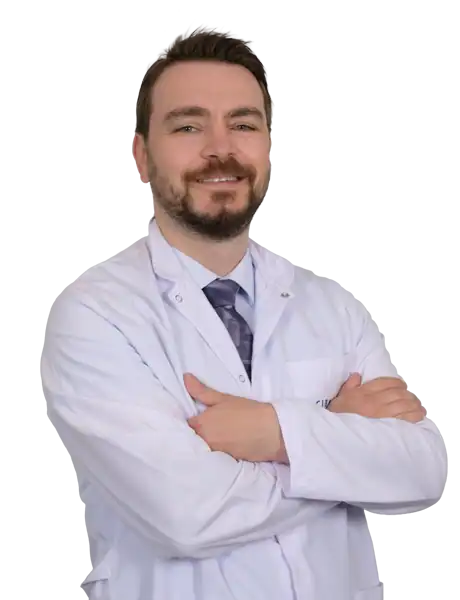
Doctors Performing This Treatment


Aesthetic Plastic & Reconstructive Surgery
Prof. Mehmet Veli Karaaltın, MD


Aesthetic Plastic & Reconstructive Surgery
Assoc. Prof. Erdem Güven, MD

Aesthetic Plastic & Reconstructive Surgery
Assoc. Prof. Ahmet Küçükçelebi, MD

Aesthetic Plastic & Reconstructive Surgery
Assoc. Prof. Mehmet Altıparmak, MD

Aesthetic Plastic & Reconstructive Surgery