

Liposuction in Turkey: Vaser, Lipo 360, Recovery and Cost
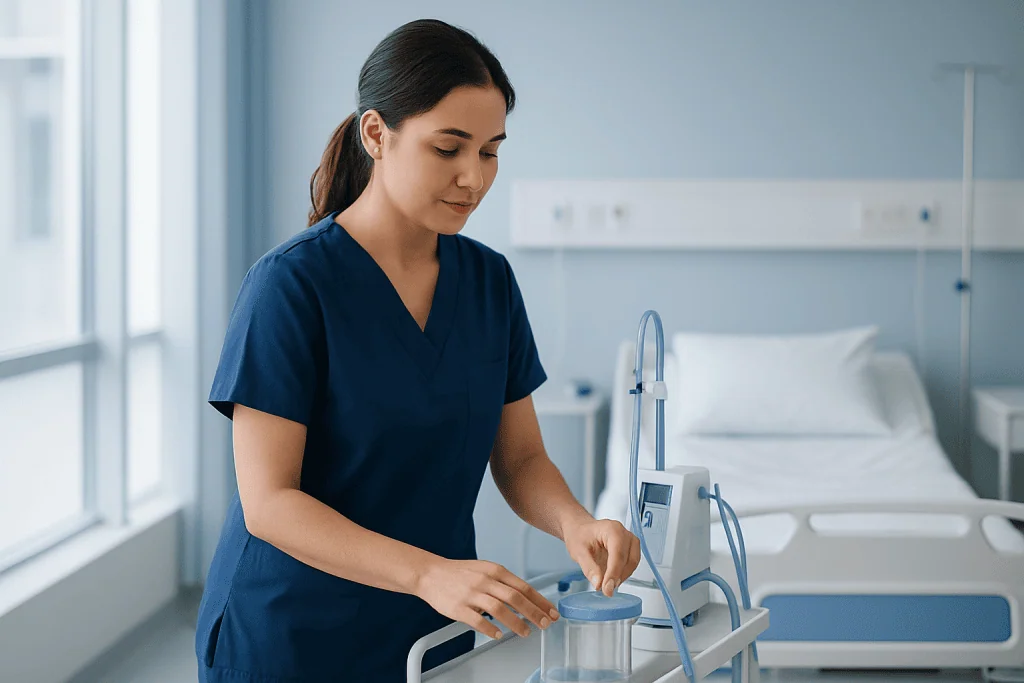
Liposuction in Turkey has become a common choice for adults from the United Kingdom, Ireland, North America and Australia who want to reduce stubborn, localised fat that has not responded to diet and exercise, and who would rather have the operation in a hospital than in a stand-alone clinic. Istanbul is roughly a four-hour flight from London and about ten hours from New York, entry is visa-free for most English-speaking passport holders, and treatment can usually be scheduled without a waiting list.
This page explains what liposuction is and who it suits, how classic liposuction differs from techniques you may have read about such as Vaser and lipo 360, what the procedure and recovery involve, the risks you should weigh, how the pathway compares with private care at home, and how a hospital-based programme is organised from the first medical review to follow-up after you return. The verified price band for the UK, the US and Türkiye appears further down the page; a personal quote follows a free medical review.
What liposuction is and who it suits
Classic liposuction removes stubborn localised fat deposits through small incisions and thin suction cannulas. It is used to refine the contour of areas such as the abdomen, hips, thighs, arms and back. The aim is proportion rather than weight reduction: the surgeon reshapes a defined area, and the amount of tissue removed is limited by safety, not by how much a patient would like to lose.
Who is usually a suitable candidate
- Adults in good general health who have kept a stable weight for several months.
- People with pockets of fat that persist despite a reasonable diet and regular activity.
- Those with good skin elasticity, so the skin can settle over the new contour.
- Non-smokers, or people willing to stop smoking for the period their surgeon advises, because smoking impairs healing.
- People with realistic expectations who understand that swelling takes weeks to resolve.
Who should not have it
Liposuction is not a treatment for obesity, and it does not address loose or excess skin; someone with significant skin laxity may be advised that a different procedure, or a combination, is more appropriate. It is generally unsuitable for people with uncontrolled diabetes, heart or lung disease that makes general anaesthesia risky, bleeding disorders, active infection, or anyone who is pregnant or breastfeeding. Blood-thinning medicines may need to be paused under medical supervision, and anyone who cannot safely stop them should discuss this carefully. A plastic surgery consultation, physical examination and blood tests or imaging when indicated are part of the standard preparation, and they exist precisely to identify who should not proceed.
Why patients from the UK and the US travel to Türkiye for liposuction
The reasons UK and US patients give for choosing Türkiye tend to be practical rather than glamorous. In the UK, liposuction is a cosmetic procedure and is not normally available through the NHS, so patients are self-funding whatever they decide. In the US, most health plans exclude it. Once cost is a personal decision, people begin to compare where the surgery is performed, by whom, and with what safeguards.
Hospital medicine rather than a clinic room
A key distinction is the setting. Acıbadem performs liposuction inside multidisciplinary hospitals, seven of which hold JCI accreditation within a network of more than 20 hospitals, supported by more than 3,300 physicians. That means anaesthesia is delivered by hospital anaesthetists, an intensive care unit is in the same building, and laboratory and imaging services are on site if a pre-operative test raises a question. These are the same features a patient would look for in a private hospital at home.
Experience with international patients
Because a large proportion of patients arrive from abroad, the administrative side is built around them: English-speaking coordinators, translated medical records, help with hotel and transfer arrangements, and a recognised process for sending discharge summaries back to a GP or family physician.
No waiting list
Private cosmetic surgery in the UK often involves weeks between consultation, pre-assessment and surgery date. In Istanbul, dates can typically be arranged around the patient’s own diary once the remote medical review is complete, and the surgeon has confirmed suitability.
How liposuction with Acıbadem works, step by step
The pathway is deliberately structured so that clinical decisions are made before travel, not after arrival.
- Remote medical review. You submit a short medical history, current medications, and photographs of the areas concerned. A plastic surgeon reviews them and either confirms that liposuction is a reasonable option, suggests an alternative, or asks for more information. This review is free and carries no obligation.
- Personal plan. If you are a candidate, you receive a written plan covering the areas to be treated, the technique proposed, the anaesthesia, expected duration and hospital stay, the recommended length of stay in Istanbul, and a personal quote.
- Arrival and coordinator. A patient coordinator meets you, arranges transfer from the airport and remains your single point of contact throughout your stay.
- Consultation and pre-operative tests. You meet the operating surgeon in person, typically at a hospital such as Acıbadem Maslak Hospital, for a physical examination, blood tests and any imaging that is indicated. The anaesthetist assesses you separately. Only after this does the surgeon confirm the plan; it can still change, or be postponed, if something is found.
- The treatment. The operation is performed under general anaesthesia in a hospital operating theatre.
- Recovery in Istanbul. You are discharged the same day or after one night, with a compression garment, medication and written instructions. Follow-up visits are scheduled before you fly.
- Follow-up after returning home. Your coordinator keeps a line open for questions, and photographs or video reviews can be arranged at set intervals during the two-to-six-week recovery window.
The procedure: classic liposuction, Vaser and lipo 360 explained
Classic liposuction is a surgical procedure performed under general anaesthesia. Through a small number of short incisions, the surgeon introduces thin cannulas and removes fat by suction, sculpting the treated area. The operation lasts between one and three hours depending on how many areas are addressed, and most patients go home the same day or stay one night in hospital.
Vaser liposuction
Vaser is a brand name for an ultrasound-assisted method in which sound energy is used to loosen fat cells before they are suctioned out. Patients often ask for it by name, having read about it online. Whether an energy-assisted technique is appropriate depends on the area, the quality of the skin and the surgeon’s judgement; the clinical details on this page describe classic liposuction, and your surgeon will explain during the consultation which approach, if any, they recommend for you and why.
Lipo 360
Lipo 360 is not a separate operation but a way of describing liposuction of the full circumference of the torso: abdomen, flanks and lower back treated in one session so that the waistline is shaped from every angle. Because it covers more surface area, it typically sits towards the longer end of the one-to-three-hour range and requires the same general anaesthesia and hospital-based safeguards as any other liposuction.
What stays the same
Whatever the technique or number of areas, the essentials do not change: a plastic surgery consultation, physical examination, and blood tests or imaging if indicated beforehand; fasting instructions before anaesthesia; and a compression garment afterwards.
Recovery and aftercare timeline
Recovery from liposuction is usually described as two to six weeks, but the experience changes week by week. The following is a general guide; your surgeon’s written instructions take precedence.
The first days
Mild bruising, swelling and discomfort are expected and are managed with prescribed medication. A compression garment is fitted in hospital and worn as directed to reduce swelling and support the new contour. Walking is encouraged from the first day because gentle movement lowers the risk of blood clots and helps fluid drain. Small amounts of fluid may leak from the incisions initially; this is normal and is explained before discharge.
The first two weeks
Most patients feel able to move around comfortably, and many return to desk-based work within this period. Follow-up visits in Istanbul check the incisions and garment fit. Flying home is usually possible within the first week, but the exact timing is agreed with your surgeon, and you should keep walking during the flight.
Weeks three to six
Swelling continues to settle and the treated area gradually softens. Strenuous exercise, heavy lifting and high-impact sport are avoided until the surgeon approves them. The garment is often worn for much of this period.
Beyond six weeks
Residual swelling can take longer to resolve fully, and the final contour continues to refine over the following months. Maintaining a stable weight is the single most important factor in preserving the outcome.
What it costs: UK, US and Türkiye
Typical self-pay ranges from the Turkey Medical Price Index. Türkiye figures are guide ranges for hospital treatment; your personal quote follows a free medical review.
Source: Turkey Medical Price Index (quarterly edition). Ranges depend on the extent of treatment, materials and hospital stay; they are not a quote.
Safety and risks
Liposuction is a well-established operation, but it is surgery under general anaesthesia and carries risks that deserve a plain description.
Who is not suitable
People with poorly controlled medical conditions, bleeding disorders, active infection, a very high body mass index, or unrealistic expectations should not proceed. Smokers who are unwilling to stop and patients who cannot safely pause blood thinners may be declined. A surgeon who says no, or suggests waiting, is acting in your interest.
Complications
- Bruising, swelling and temporary numbness, which are common and usually resolve.
- Contour irregularities, asymmetry or loose skin, which may need revision.
- Fluid collection (seroma), infection or delayed healing at incision sites.
- Anaesthetic reactions and, rarely, blood clots or injury to deeper structures.
What cases that go wrong abroad often share
Reports of poor outcomes tend to have common features: planning compressed into a day or two, no independent anaesthetic assessment, treatment of more areas than is safe in a single session, operating rooms without hospital backup, and no arrangement for follow-up once the patient flies home. Bargain package deals sometimes pressure patients into combining several operations at once.
How a hospital setting changes that
In a hospital, the anaesthetist and surgeon are separate specialists, an intensive care unit is available, blood tests and imaging can be repeated, and a patient can be kept overnight if there is any concern. Limits on how much fat is removed are set clinically. None of this eliminates risk, but it means problems are recognised early and treated where they occur, and it gives your doctor at home a clear record to work from.
UK and US vs Türkiye
Comparing liposuction at home with liposuction in Türkiye is only useful when you compare like for like.
How the pathway differs
In the UK, liposuction is almost always self-funded in the private sector; there is no NHS route for cosmetic contouring, so the waiting list question applies to private clinics, where consultation, pre-assessment and surgery may be spaced weeks apart. In the US the position is similar, with the added complexity of facility fees and anaesthesia billed separately. In Türkiye the surgery is bundled into a single plan and scheduled around your travel dates, but you add flights, accommodation and time away from home to the equation, and your follow-up is partly remote.
What the lower cost does and does not mean
The difference in cost, which you can see in the price band below, reflects lower salaries and overheads in Türkiye, favourable exchange rates and lower operating costs for hospitals. It does not mean different cannulas, different anaesthetic drugs or different compression garments; the materials and equipment in an accredited hospital are the same international products used elsewhere. Nor does it mean the surgery is simpler or the recovery shorter.
What to compare
- Who performs the anaesthesia and where you would be treated if something went wrong.
- Whether the surgeon is a qualified plastic surgeon and who you will actually meet.
- What the quoted figure includes: tests, garment, medication, hospital night, follow-up.
- How revisions and complications are handled once you are home.
- Total cost including travel, not the headline figure alone.
Planning your trip to Istanbul
Most of the practical planning is straightforward, but a few points make the difference between a calm trip and a stressful one.
Passport and entry
UK, Irish, US, Canadian and Australian passport holders can enter Türkiye visa-free for up to 90 days. Rules change, so check the current requirements before you book. Your passport should be valid for the duration of your stay with some margin.
How long to stay
For liposuction, plan to be in Istanbul for roughly a week: a day or two for consultation and tests, the operation with a same-day discharge or one night in hospital, and several days of local recovery with at least one follow-up visit before you are cleared to fly. Your written plan will state the recommended length of stay for your case; do not shorten it to save on accommodation.
A companion
You cannot look after yourself fully in the first days after general anaesthesia. A partner, friend or family member who can travel with you is strongly recommended, and hotel arrangements can include them.
Travel insurance
Standard travel insurance excludes planned medical treatment and complications arising from it. Look for a policy that specifically covers elective treatment abroad, and read the exclusions. Ask the hospital what its own complication cover includes.
What to bring
- A list of medications, allergies and previous operations, plus any recent test results.
- Loose, front-opening clothing and slip-on shoes.
- Your GP’s contact details in case records need to be shared.
- A phone charger and any prescriptions in their original packaging.
Back home: follow-up, records and insurance
Returning home does not end the recovery, and the weeks after your flight are when good organisation matters most.
Follow-up with your GP or own doctor
You are given a discharge summary in English describing the operation, the anaesthetic, medications and aftercare. Share it with your GP or family physician when you get back, even if you feel well, so that it sits in your record. Remote reviews with your surgeon in Istanbul continue at agreed intervals, and photographs can be sent through your coordinator. Keep wearing the compression garment as instructed and do not resume strenuous exercise until the surgeon approves.
When to seek help
Contact a doctor promptly if you notice spreading redness or heat around an incision, a fever, a sudden increase in pain or swelling on one side, a foul-smelling discharge, chest pain, breathlessness or a painful swollen calf. The last three can indicate a blood clot and need urgent assessment. Do not wait for a scheduled call.
Insurance, NHS and your own doctor
Private medical insurance in the UK rarely covers elective cosmetic treatment abroad or its consequences; check your policy wording with your provider before travelling. The NHS treats complications from surgery abroad as it would any other patient presenting with the same problem, but it does not perform routine follow-up or revisions for cosmetic work. Readers in the US should confirm whether Health Savings Account or Flexible Spending Account funds can be applied and whether their travel-medical policy addresses planned procedures; terms vary widely.
Questions to ask before deciding
A good programme will welcome detailed questions. Use this checklist in your remote review and again in your in-person consultation.
About the surgeon and setting
- Is the operating surgeon a qualified plastic surgeon, and will I meet them before the day of surgery?
- Where exactly is the operation performed, and does that facility hold JCI accreditation?
- Who administers the anaesthesia, and is an intensive care unit on site?
About my plan
- Am I a suitable candidate, and is there anything in my history that concerns you?
- Which areas do you recommend treating, and which would you advise against in a single session?
- Do you recommend classic liposuction, an energy-assisted technique or a 360 approach for me, and why?
- What is the expected duration, hospital stay and recovery time in my case?
- What do I need to stop or change beforehand, including smoking and medicines?
About afterwards
- How many days should I stay in Istanbul, and when is it safe to fly?
- What follow-up is included after I return, and how do I reach someone if I am worried?
- How are complications and revisions handled, and what does the quote include?
- What records will I receive to share with my GP or own doctor?
Write down the answers, compare them against what a private surgeon at home tells you, and take time before committing. Whether liposuction is appropriate for you, and which approach is safest, is determined by a physician’s evaluation.
Is liposuction in Turkey safe?
Liposuction is an established surgical procedure, and its safety depends more on the setting and the planning than on the country. In an accredited hospital with separate anaesthetists, an intensive care unit and pre-operative testing, risks are managed as they would be in a private hospital at home. It still carries surgical and anaesthetic risks, which your surgeon should explain in detail.
What is lipo 360 and is it different from normal liposuction?
Lipo 360 describes liposuction of the entire circumference of the torso, including the abdomen, flanks and lower back, in one session. It is the same operation applied to a wider area rather than a distinct technique. Because more surface is treated, it usually takes longer and requires the same general anaesthesia and hospital safeguards.
Is Vaser liposuction available and is it better than classic liposuction?
Vaser is an ultrasound-assisted method that loosens fat before suction. Whether it is appropriate depends on the area, your skin and the surgeon's assessment; it is not automatically superior. The clinical details on this page describe classic liposuction, and your surgeon will discuss any alternative during your consultation.
How much does liposuction cost in Turkey?
Costs are shown in the verified price band further down this page, which compares the UK, the US and Türkiye. The difference mainly reflects lower salaries and overheads rather than different materials. A personal quote follows a free medical review, once the surgeon knows which areas and technique are involved.
How long do I need to stay in Istanbul after liposuction?
Plan on roughly a week: a day or two for consultation and tests, the operation with a same-day discharge or one night in hospital, and several days of local recovery with a follow-up visit before flying. Your written plan states the recommended stay for your case. Do not shorten it to save on accommodation.
What anaesthesia is used and how long does the operation take?
Classic liposuction is performed under general anaesthesia in a hospital operating theatre. The operation usually lasts one to three hours depending on the number of areas treated. Most patients are discharged the same day or after one night.
When can I return to work and exercise?
Recovery is typically two to six weeks. Many patients return to desk-based work within the first two weeks, while wearing a compression garment. Strenuous exercise and heavy lifting are avoided until your surgeon approves them, and swelling continues to settle for several weeks.
Will my GP or the NHS look after me if something goes wrong at home?
The NHS treats complications from surgery abroad as it would any other patient with the same problem, but it does not provide routine cosmetic follow-up or revisions. Share your discharge summary with your GP on return and contact a doctor promptly if you notice signs of infection or a blood clot. Check with your insurer before travelling, as most policies exclude elective treatment abroad.
Your care team
Physicians of the Acıbadem network who perform this treatment in Istanbul.
 Where it is performed Acibadem Maslak Hospital İstanbul · JCI-accredited hospitals

Clinical guide & data
The evidence-based pages behind this guide.
Read this treatment guide in your language
Planning tools for this treatment
Indicative figures for orientation only: your written plan and quote follow a free medical review.