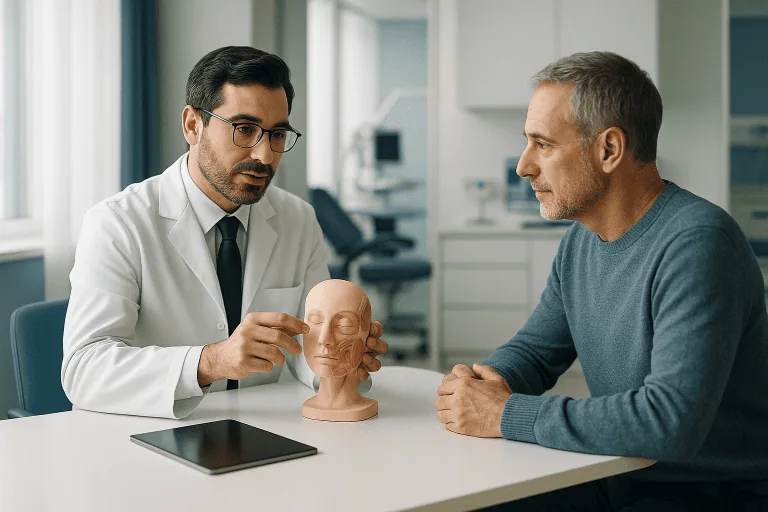
Aesthetic Scalp Surgery
Aesthetic scalp surgery reshapes or repairs the scalp to improve hairline balance, scars, contour irregularities, or tissue defects. It is personalized for cosmetic and reconstructive goals.

Quick answer
Aesthetic scalp surgery is a group of procedures that reshape, repair or reconstruct the scalp. It covers scar revision, hairline adjustment, contour correction, local flap reconstruction and tissue expansion. It is used for cosmetic concerns, for reconstruction after trauma, burns or tumour removal, and for cases where the two overlap. The technique, anaesthesia and recovery time depend on the size, depth and location of the problem.
What Is Aesthetic Scalp Surgery?
Aesthetic scalp surgery is a group of surgical procedures that reshape, repair or reconstruct the scalp. It covers scar revision, hairline adjustment, contour correction, local flap surgery and tissue expansion, and it is used both for cosmetic concerns and for reconstruction after trauma, burns, infection or tumour removal. The word “aesthetic” does not mean the procedure is always elective. In many patients, cosmetic and reconstructive goals overlap: a person with a widened scalp scar wants it to be less visible, but the surgeon must also weigh tissue strength, scar direction, skin tension and hair growth. A patient who has had a scalp tumour removed may need reconstruction to protect the underlying tissues, while also wanting a result that blends with the surrounding hair-bearing scalp.
The scalp behaves differently from skin elsewhere on the body, and that is why this field is planned as its own discipline rather than treated as a routine skin procedure. Parts of the scalp have limited elasticity, which restricts how far tissue can be moved. Hair follicles sit in the skin and subcutaneous tissue, and their density and direction vary across the head, so an incision placed without regard to follicle orientation can leave a visible hairless line. The blood supply is rich, which supports healing but also means the scalp can bleed more than other areas during surgery. Good planning accounts for all of this before the first incision is marked: hair direction, hair density, skin tension, circulation, facial proportions and your long-term expectations, including how your hair may change over the years.
What is a surgical scalp?
In surgical anatomy, the scalp is described as five distinct layers, often remembered by the letters of the word itself: Skin, dense Connective tissue, the fibrous Aponeurosis, Loose connective tissue, and the Pericranium: the tissue layer covering the skull. This layered structure matters in practice, not just in textbooks. The loose connective tissue layer is what allows the scalp to slide over the skull, and it is the plane surgeons typically use to mobilise tissue during advancement or flap procedures. The dense connective tissue layer carries the blood vessels and nerves. Hair follicles live in the upper layers, which is why depth of dissection and the angle of the incision both affect whether hair continues to grow near the scar. When surgeons talk about scalp laxity, mobility or thickness, they are describing how these layers behave in an individual patient, and that behaviour differs between the forehead, temples, crown and back of the head.
What are the main techniques?
The main surgical techniques share one aim, moving or refining tissue while protecting hair-bearing skin and blood supply, but they differ in scale and staging:
- Scar revision: a widened, depressed, raised or poorly positioned scar is removed or improved, usually with layered closure that takes tension off the skin surface. The scar may be narrowed, redirected or repositioned into a more favourable orientation.
- Scalp advancement: hair-bearing scalp is mobilised and moved forward to lower a high hairline, balance an asymmetric one, or close a defect near the frontal region.
- Local flap reconstruction: nearby scalp tissue is rotated, advanced or transposed to cover an area where skin has been lost or removed, with the flap designed around its blood supply.
- Tissue expansion: a temporary expander is placed under healthy hair-bearing scalp and gradually filled over several weeks, creating additional matched tissue that is used in a second operation to replace scarred or missing scalp.
- Contour refinement: depressions, raised areas or irregular transitions caused by trauma, previous surgery or grafting are smoothed, sometimes with scar release or fat grafting in selected cases.
These procedures may be performed alone or combined with other treatments. Some patients later benefit from hair restoration procedures, laser-based scar management, injectable treatments, dermatologic care or staged reconstruction. Sequence matters. A scar revision is often more effective once the scar has matured, and tissue expansion requires time and several clinic visits between two operations. A detailed consultation is what establishes whether surgery is appropriate at all, which technique fits your anatomy, and what result is realistic, including what surgery cannot do.
 Dr. Şule ErenMDBoard Commentary
When scalp tissue loss becomes extensive, the objective is no longer simply to improve a scar or contour: it is to restore durable, vascularized coverage while protecting the skull and preserving the best possible aesthetic result. Acıbadem Maslak surgeons have published their experience in 11 patients with major scalp defects reconstructed using microsurgical anterolateral thigh free flaps; all 11 flaps remained viable, with a mean follow-up of 36 months. The series included challenging defects following malignant tumor resection, radionecrosis and unstable scarring. These results highlight why the reconstructive strategy must be matched to defect size and tissue quality: smaller problems may be managed with scar revision, tissue expansion or local scalp tissue, whereas extensive or previously irradiated defects may require microsurgical free-tissue transfer.
Who May Need Scalp Surgery?
People consider aesthetic scalp surgery for very different reasons, and the starting point shapes everything that follows. Some have lived with a visible scar since childhood or after an accident. Others notice a widened incision line after a previous neurosurgical procedure, a dermatologic excision, a hair transplant donor area, a facelift or a trauma repair. Some are concerned about a high hairline, an uneven frontal hairline, a bald patch caused by scar tissue, or an indentation that changes the shape of the head under short hair. In reconstructive cases, patients may need scalp repair after removal of skin cancers, benign tumours, congenital lesions, burns, infections or traumatic injuries. The concern can be primarily cosmetic, primarily functional, or genuinely both.
Typical complaints that bring patients to consultation include a scar that has widened over time, a shiny area where hair no longer grows, a depressed or raised scar, a patch of missing scalp hair, hairline asymmetry, scalp tightness, or a contour difference that shows through short hairstyles. Some patients describe tenderness, recurrent irritation, or difficulty wearing wigs, head coverings or helmets. Others have no physical symptoms at all but feel self-conscious in photographs, at work or in social settings. Both kinds of concern are legitimate reasons to seek an assessment; they simply lead to different conversations about timing and technique.
Diagnosis begins with a careful medical and surgical history. Your surgeon will ask how the concern developed, whether there was an injury or previous operation, whether the area has changed recently, and whether you have symptoms such as pain, drainage, bleeding, numbness or rapid growth. The answers matter, because a stable, mature scar is planned very differently from a changing lesion or a wound that has not healed. A physical examination then assesses scalp mobility, skin thickness, scar quality, hair density, hair direction, blood supply, and the position of the concern relative to the forehead, temples, crown, ears and neck.
In many cosmetic scar or hairline cases, examination and standardised photography are enough for planning. In more complex reconstructive cases, imaging may be needed to evaluate deeper tissues or the underlying skull. If there is a history of skin cancer, tumour removal, infection, radiation therapy or non-healing wounds, additional pathology reports, dermatologic assessment or multidisciplinary review may be recommended before any aesthetic plan is finalised. Patients travelling from abroad are often asked to prepare photographs, operative notes, biopsy results, imaging reports and medication lists in advance, so that a preliminary opinion is genuinely informed rather than speculative.
Aesthetic scalp surgery is generally suitable for adults in good general health who have a stable scalp concern and realistic expectations. It may also be considered for selected younger patients when the issue affects function, tissue coverage or psychological wellbeing, although timing has to be weighed carefully in a growing patient. Some people are better served by preparation than by prompt surgery: those who smoke, or who have uncontrolled diabetes, active infection, bleeding disorders, poor wound healing, or certain autoimmune or vascular conditions, may need medical optimisation first, or may be advised that a non-surgical route is the safer choice. A surgeon who tells you to wait, or not to operate, is doing part of the job properly.
Conditions and Indications Scalp Surgery Can Address
Scalp surgery covers a broad range of cosmetic and reconstructive indications, and the plan depends on the size, depth, location, hair-bearing potential and cause of the problem. A small linear scar near the hairline is approached completely differently from a broad burn scar on the crown, and both differ again from a full-thickness defect after tumour surgery. The sections below describe the main indication groups and what each typically involves.
Scalp scars and scar revision
Scalp scars arise from trauma, burns, lacerations, previous surgery, hair transplant donor areas, dermatologic excisions and neurosurgical incisions. Some are conspicuous because they are wide or pale; others show because hair no longer grows through them. Scar revision may narrow the scar, redirect it, reduce the tension acting on it, or move it into an orientation that hides more easily within hair-bearing skin. In selected patients, a beveled incision technique can encourage hair to grow through or immediately alongside the new scar line, softening its visibility as it matures. Surgical revision may also be combined with non-surgical scar treatments after healing, but not before the tissues are ready. Revising a scar too early, while it is still immature and biologically active, can undo the benefit; part of good scar surgery is knowing when to wait.
Hairline imbalance and hairline lowering
Hairline concerns include a naturally high hairline, an asymmetric frontal hairline, or a forehead-to-scalp proportion that does not sit comfortably with the rest of the face. Scalp advancement, sometimes called hairline-lowering surgery, may be considered in carefully selected patients who have adequate scalp laxity and stable hair density. The surgeon marks the intended hairline with attention to facial proportions, forehead height, hair direction and how much the scalp will actually move, then mobilises and advances the hair-bearing tissue. This is a highly individualised decision. It deserves particular caution in anyone with a family history of progressive hair loss, because future thinning can expose an incision line that looked well hidden at the time of surgery. An honest consultation addresses that possibility directly rather than leaving it for you to discover years later.
Contour irregularities
Scalp contour irregularities, depressions, raised areas, uneven soft tissue thickness, or visible transitions between reconstructed and native scalp, can follow trauma, tissue loss, grafting, previous operations or congenital differences. Correction may involve scar release, tissue rearrangement, fat grafting in selected cases, or revision of a previous reconstruction. When the irregularity involves bone or deeper structures rather than soft tissue alone, coordination with other specialties may be necessary, for example neurosurgery where the skull or prior cranial surgery is involved, or oral and maxillofacial surgery where the frontal and facial skeleton meet the concern.
What is scalp reconstruction surgery?
Scalp reconstruction surgery is the repair of scalp defects where skin and soft tissue have been lost or removed, after skin cancer or benign tumour excision, chronic wounds, traumatic scalp loss, burn contractures or congenital lesions. It is the reconstructive end of the spectrum, and it is not only about appearance. The scalp protects the skull and the tissues beneath it, so when coverage is compromised, reconstruction can be essential for wound closure, infection prevention and long-term tissue stability. Depending on the defect, reconstruction may use direct closure, local flaps, tissue expansion, grafting or staged combinations of these. In oncologic cases, the reconstructive plan is usually reviewed alongside the pathology findings, and a specialist board may be involved when cancer treatment or radiation therapy is part of the picture. The aesthetic dimension still matters here: a well-planned reconstruction aims to match colour, thickness and hair growth so the repaired area blends with the surrounding scalp rather than announcing itself.
How Aesthetic Scalp Surgery Is Performed
Preoperative consultation and planning
The first step is a detailed consultation with a surgeon experienced in scalp procedures, usually within a plastic, reconstructive and aesthetic surgery department. The surgeon examines the scalp and discusses your goals, medical history, medications, allergies, prior operations, smoking status and any history of hair loss, including family history, which influences long-term planning. Standardised photographs are typically taken from multiple angles. They document the baseline, support incision planning, and keep communication precise if your care involves more than one specialist.
For patients who live far from the hospital, planning often begins remotely. Photographs taken in good lighting from the front, sides, back and top of the head help the team understand the concern, and medical reports, pathology results and imaging studies may be requested where relevant. A remote review can establish whether an in-person evaluation is worthwhile and roughly what it might lead to. It has limits, though, and the final surgical plan is normally confirmed only after direct examination, because scalp laxity and tissue quality cannot be judged from a photograph.
Before surgery, you may have blood tests, an anaesthesia evaluation and additional studies depending on your age, medical history and the complexity of the procedure. If you take blood thinners, anti-inflammatory medications, supplements or anything that affects wound healing, your treating team will review the list and advise you: those decisions belong with them, not with a website. Patients who smoke are usually asked to stop well in advance, because nicotine reduces blood flow to the scalp and increases the risk of wound problems, particularly in flap surgery, where the tissue’s survival depends on its circulation.
How is the surgical technique chosen?
The technique is chosen by matching the problem to the tissue available, not by defaulting to the largest operation. For a narrow but visible scar, the surgeon may excise the scar and close the area in layers under reduced tension; a beveled incision may be used to encourage hair growth near the closure line. For a larger scar or an area of missing hair-bearing scalp, local tissue rearrangement may be needed, rotating, advancing or transposing nearby scalp while preserving its blood supply. For hairline advancement, the surgeon marks the intended hairline against your facial proportions and scalp mobility, then places the incision along the hairline or within hair-bearing scalp before mobilising the tissue forward. For larger defects or burn scars, tissue expansion may be the recommendation: an expander is placed beneath nearby healthy scalp, filled gradually over several weeks of clinic visits, and the expanded hair-bearing tissue is then used in a second operation to replace the scarred or missing area. Expansion takes patience, but in selected patients it provides a better match in colour, thickness and hair growth than skin grafting can. A responsible plan sometimes deliberately chooses the slower route for exactly that reason.
What happens during the operation?
The operation itself follows a consistent sequence, whatever the technique:
- Anaesthesia. Depending on the size of the procedure, your medical factors, your preference and the surgeon’s recommendation, surgery is performed under local anaesthesia with sedation or under general anaesthesia. Smaller scar revisions are often outpatient procedures; extensive reconstruction may involve an overnight stay.
- Preparation and marking. The surgical site is cleaned and prepared, and the surgeon follows the markings agreed and drawn before the operation.
- Excision and release. Scar tissue is removed where needed, tight or tethered areas are released, and the tissue planes are opened at the appropriate depth to protect hair follicles and blood supply.
- Repositioning. Scalp tissue is advanced, rotated or transposed according to the plan, with continuous attention to circulation and tension.
- Layered closure. The wound is closed in layers so the deeper tissues carry the tension rather than the skin surface. Sutures, staples or a combination are used depending on location and tissue characteristics.
- Dressing and drains. A dressing may be applied to protect the area and limit swelling. In more extensive operations, a small drain may be placed temporarily to reduce fluid accumulation.
Duration varies widely. A small scar revision may take less than an hour; complex flap reconstruction or staged scalp reconstruction can take several hours. Tissue expansion involves at least two surgical stages with multiple expansion visits between them. Your care team should explain the anticipated timeline before treatment begins, including how long you would need to stay near the hospital for initial healing and early follow-up: a practical point that matters most for anyone travelling a long distance for surgery.
Technology and clinical support in planning and treatment
Modern scalp surgery draws on careful imaging, magnified visualisation where needed, digital photography, precise surgical planning and coordinated perioperative care. In reconstructive cases, imaging helps assess deeper tissue involvement or changes left by previous operations. Digital planning and standardised photographs support accurate measurement of hairline position, scar dimensions and contour changes over time, before-and-after comparison is only meaningful if the baseline was captured properly. In complex oncologic or post-traumatic cases, multidisciplinary discussion aligns the surgery with pathology findings, wound care needs and any additional treatment that has to come first.
Inside the operating room, the important technology is often technique. Meticulous tissue handling, appropriate haemostasis to control bleeding, layered closure and tension-reducing methods do more for the final scar than any single device. The scalp’s robust blood supply supports healing but also bleeds readily, and experienced teams plan for that. When flaps are used, they are designed to preserve circulation and avoid excessive tension; when expansion is used, gradual filling protocols reduce the risk of compromising the stretched skin.
Immediate recovery and follow-up
After surgery, you are monitored as the anaesthesia wears off. Mild to moderate tightness, swelling, bruising and tenderness are common in the first days, and discomfort is usually managed with prescribed medication. Your team will explain how to care for the dressing, when you may wash your hair, how to sleep, which activities to avoid, and when to return for review. Do not scratch or pull at the incision, and do not apply any product to it that your team has not approved, well-meant creams and oils are a frequent cause of avoidable irritation.
Most patients can walk the same day. Desk-based work may be possible within several days after smaller procedures, while more extensive surgery may need one to two weeks or longer away from work. Sutures or staples are usually removed after the initial healing period, at a timing that depends on the technique and the surgeon’s preference. Swelling and tightness settle gradually. Scar maturation continues for months, and the final appearance of the incision is genuinely not visible early on, judging a scalp scar at two weeks tells you very little about how it will look at a year.
Why Acting Early Can Matter
Not every scalp concern needs immediate surgery, and some should specifically not be operated on yet. A fresh scar should usually mature before revision, and many hairline or contour concerns can be safely observed. But timely evaluation matters when the problem is changing, symptomatic, or related to tissue loss, infection, trauma or a tumour. Early assessment can keep a manageable problem from becoming a complex one.
Delaying care for a non-healing wound, an enlarging lesion, an area of recurrent bleeding or a post-surgical defect can increase the risk of infection, tissue breakdown or the need for a larger reconstruction later. If a suspicious skin lesion is present, postponing diagnosis delays the treatment that actually matters. In patients with tight scars or burn contractures, long-standing tension can affect the surrounding tissue and progressively narrow the reconstructive options. Earlier planning sometimes allows the surgeon to use local scalp tissue effectively before scarring, contraction or repeated procedures reduce its mobility, and local tissue, when it is available, usually gives the most natural match.
For cosmetic concerns, early consultation does not mean early surgery. It means understanding your options, the ideal timing, and whether non-surgical measures could improve the area first. Scar massage, silicone therapy, laser-based treatments or simply time may be recommended before revision is considered. A responsible surgical plan includes knowing when to operate, and being equally clear about when to wait.
Potential Benefits of Scalp Surgery
What surgery can realistically offer depends on the indication, the technique and how your tissues heal, but the goals are usually both visual and functional. The table below summarises the main categories of benefit and what each means in practical terms.
| Benefit | What It Means for You |
|---|---|
| Improved hairline balance | Selected patients may achieve a more proportionate or symmetric hairline that better fits their facial features and styling preferences. |
| Less visible scarring | Scar revision can narrow, reposition or soften a scar so it blends more naturally with the surrounding hair-bearing scalp. |
| Restored scalp coverage | Reconstructive techniques can close defects and protect underlying tissues after trauma, tumour removal, burns or previous surgery. |
| Improved contour | Surgery may reduce depressions, raised areas or irregular transitions that show through the hair or under short hairstyles. |
| Better comfort and daily function | Repairing tight, tender or unstable tissue can make grooming, wearing head coverings, or everyday activities more comfortable. |
| Personalised long-term planning | Your surgeon can account for future hair changes, scar behaviour and reconstructive needs rather than treating only the immediate concern. |
Note what is absent from that list: perfection. Surgery can improve a scar or contour irregularity, often considerably, but it cannot make tissue look as though no injury or operation ever happened. Every incision creates a scar, even a carefully placed one. Understanding that distinction before surgery is the single best predictor of being satisfied after it.
Recovery Timeline After Scalp Surgery
Recovery varies with the size and complexity of the procedure: a small scar revision and a staged flap reconstruction are different undertakings, but the following timeline describes what many patients can generally expect.
| Time Period | What Patients Can Expect |
|---|---|
| Day 1 | A dressing, possible mild bleeding or drainage, swelling, tightness and tenderness. Most patients are encouraged to walk lightly and keep the head elevated. |
| First week | Swelling and bruising usually begin to settle. A wound check is common in this period. Hair washing may be allowed once the surgeon confirms it is safe. |
| First month | Incisions continue to strengthen. Many patients return to routine work and social life, while avoiding strenuous exercise or pressure on the surgical area until cleared. |
| Three to six months | Scars gradually soften and redness often fades. Temporary shedding near incisions, if it occurred, may begin to recover, though timing varies between patients. |
| Longer term | Scar maturation can continue for a year or more. Final appearance depends on tissue quality, hair characteristics, surgical technique and individual healing. |
How long does it take to heal from scalp surgery?
Initial wound healing after scalp surgery typically takes one to two weeks, but complete healing is a much longer process measured in months. Sutures or staples are removed once the incision has gained early strength; swelling and tightness ease over the following weeks; and the scar itself keeps remodelling, softening, flattening and fading, for a year or more. Larger reconstructions, staged procedures and tissue expansion extend the calendar further, because each stage has its own healing period. The practical answer for planning purposes is that you should expect an early recovery phase of days to a couple of weeks before returning to routine activity, and a scar-maturation phase of many months before the final result can honestly be judged. Anyone travelling for surgery should build the early phase into their itinerary rather than flying home before the first wound review.
Will hair grow back after scalp surgery?
Hair usually continues to grow in healthy scalp around the incision, but hair does not grow through scar tissue itself, because scar lacks functioning follicles. This is precisely why technique matters so much on the scalp. Surgeons place incisions along or within hair-bearing areas, protect follicles during dissection, and in suitable cases use a beveled incision so that hair can grow through or immediately beside the closure line, camouflaging it. Some patients experience temporary shedding near the incision in the weeks after surgery, a stress response of the follicles, and this shed hair may begin to recover over the following months, although timing differs between individuals. What surgery cannot do is create new follicles: a shiny, hairless scar will stay hairless unless it is excised, covered with hair-bearing tissue, or addressed later with hair restoration techniques. Distinguishing temporary shedding from permanent follicle loss is one of the things your follow-up visits are for.
Risks and Limitations Worth Understanding
Every scalp operation carries risks, and a fair page names them. General surgical risks include bleeding, infection, delayed wound healing and reactions to anaesthesia. Risks specific to the scalp include widening of the new scar over time, hair loss along or near the incision, numbness or altered sensation in the operated area, and, in flap or expansion surgery, compromise of the moved tissue’s circulation. Closure under too much tension increases the chance of scar widening and follicle loss, which is why an honest surgeon will sometimes recommend a staged approach or tissue expansion instead of forcing a direct closure.
There are also limits that no technique removes. Scalp laxity is finite: tissue can only be advanced as far as its blood supply and elasticity allow. Progressive hair loss can change the frame around any incision years after surgery, which is why family history is part of the consultation. And some patients will need more than one procedure: a planned second stage, a minor revision, or adjunctive scar therapy after healing. None of this makes surgery a poor choice; it makes staging, patience and follow-up part of the treatment rather than an afterthought. The consultation is the right place to hear which of these risks apply with particular weight to your anatomy and your history.
Factors That Influence the Quality of the Result
A good outcome in aesthetic scalp surgery depends on more than the operation itself. The size and location of the concern, scalp laxity, hair density, hair direction, skin thickness, scar biology, blood supply and previous treatments all shape what can be achieved. A small scar in flexible, hair-bearing tissue is easier to revise than a broad scar on tight scalp. A hairline advancement is more predictable in a patient with stable, dense frontal hair than in someone with progressive thinning. These are not excuses offered after the fact; they are variables a careful surgeon assesses and explains before anything is scheduled.
General health matters just as much. Diabetes, smoking, vascular disease, immune disorders, poor nutrition, prior radiation therapy and certain medications can all impair healing. Your surgical team may recommend medical optimisation before surgery, smoking cessation, blood sugar control, a medication review with your treating doctors, or treatment of active skin inflammation. These steps reduce avoidable risk and give the tissues their best chance of healing well. They are unglamorous, and they work.
Technique selection is central, and the most appropriate operation is not always the most aggressive one. Over-advancing the scalp, closing a wound under too much tension, or revising a scar before the tissues are ready all raise the risk of widening, hair loss or recurrence of contour problems. In some patients, a staged approach is safer and ultimately more effective. Tissue expansion demands patience, weeks of gradual filling between two operations, but it can provide hair-bearing coverage for defects that could never be closed directly, and it does so with tissue that matches the surrounding scalp in colour and thickness.
Your own expectations belong on this list too. The most reliable route to a satisfying result is a specific, realistic goal agreed before surgery: how much narrower a scar can plausibly become, how far a hairline can actually move, what a reconstructed area will and will not look like under short hair. Some patients will benefit from additional treatments after healing, scar care, laser-based therapy, hair restoration or minor revision, and knowing this in advance turns it from disappointment into plan.
Finally, postoperative care protects everything the operation achieved. Following instructions on wound care, hair washing, sleeping position, sun protection, activity restrictions and follow-up visits is part of the treatment, not optional extra credit. Patients who travel for surgery should schedule enough time for early postoperative assessment before flying home. Long-distance follow-up can often be supported with photographs and virtual communication for routine review, though unexpected problems after returning home are generally assessed locally first: a practical reality that sensible planning takes into account from the start.
How Acibadem Approaches Scalp Surgery
At Acibadem, aesthetic scalp surgery is treated as a personalised pathway rather than a single standardised operation. The surgeon evaluates the scalp concern in relation to your facial proportions, hair characteristics, medical history and long-term expectations. For some patients, the recommendation is a focused scar revision. For others, it is staged reconstruction, tissue expansion, combined contour correction, or a period of non-surgical treatment before any operation is considered. Depending on the concern, the plan may involve scar revision, scalp advancement, tissue rearrangement, local flap surgery, tissue expansion, contour correction, or a combination of techniques.
Multidisciplinary care carries particular weight in complex cases. A patient seeking revision of a cosmetic scar may need only the plastic surgery pathway. A patient with a scalp defect after skin cancer removal, a history of radiation therapy, previous neurosurgery, burns or chronic wounds may benefit from discussion among the relevant specialties, plastic and reconstructive surgery, dermatology, oncology, neurosurgery, radiology, pathology, anaesthesiology and wound care, as the diagnosis requires. Specialist boards and evidence-based protocols guide treatment when decisions are not straightforward, and in reconstructive cases, pathology review and imaging are used to confirm the underlying condition has been properly addressed before aesthetic reconstruction proceeds.
Diagnostic and surgical infrastructure supports this planning: clinical photography, imaging where indicated, modern operating rooms, structured anaesthesia evaluation and careful perioperative monitoring. In hairline and scar procedures, precise measurement, deliberate incision planning and careful tissue handling are what underpin a natural-looking result. For patients coming from abroad, Acibadem International supports communication in more than 20 languages and helps with medical record coordination, appointment planning, hospital admissions, interpretation and practical arrangements, so that the medical process stays understandable and organised while clinical decisions remain centred on safety and appropriateness.
The team also recognises that scalp surgery can be emotionally loaded. The concern may be visible every day in the mirror, or it may carry the memory of an accident, an illness, cancer treatment or a previous procedure that did not go as hoped. A thoughtful consultation makes room for that while staying honest: about incision placement, scar visibility, hair loss risk, revision possibilities, anaesthesia, recovery, and what happens if healing does not progress as expected. Not every patient who is evaluated will be advised to have surgery. In some cases, waiting, dermatologic treatment, scar therapy or hair restoration planning is the better recommendation, and a careful second opinion has real value when you have been told nothing can be done, when you have had multiple previous procedures, or when you are unsure whether a proposed operation truly fits your goals.
Deciding Whether and When to Proceed
Scalp surgery addresses concerns that are both visible and personal: a scar that draws attention, a hairline that feels out of balance, a contour irregularity that limits how you wear your hair, or a scalp defect that needs careful reconstruction. Whatever the starting point, sound treatment follows the same sequence: a precise diagnosis, a realistic discussion of options and limits, and a surgical strategy matched to your anatomy, your history and your goals rather than to a standard template.
Useful questions to settle during any consultation, wherever it takes place, include which technique is being proposed and why, where the incision will sit relative to your hair, how the plan accounts for possible future hair loss, whether staging or expansion would be safer than a single operation, how long early recovery and scar maturation will take, and what a revision would involve if healing does not go to plan. Clear answers to those questions, including honest ones about what surgery cannot achieve, are the mark of a plan worth trusting. The right operation, performed at the right time on well-prepared tissue, is what gives the scalp its best chance of healing into a result you stop thinking about.
Preparation
- Preparation begins with a plastic surgery consultation, scalp and hairline assessment, and review of medical history and expectations. Patients may need photos, basic blood tests, and medication adjustments. Smoking should be stopped before surgery, and fasting may be required if sedation or general anesthesia is planned.
Aftercare
- After surgery, the scalp is usually protected with a dressing, and swelling or tightness can occur for several days. Patients should keep the head elevated, avoid strenuous activity, and follow wound-care instructions carefully. Follow-up visits are scheduled to monitor healing and remove sutures if needed.
Frequently Asked Questions
What affects the cost of aesthetic scalp surgery?
The final cost depends on the surgical technique, the size and location of the area being treated, scar or tissue complexity, anaesthesia needs, hospital setting, surgeon expertise, preoperative tests, medications, dressings, and follow-up care. Travel and accommodation may also affect the overall budget for international patients.
How can I get a personalised quote from Acibadem?
You can request a free consultation by sharing your medical history, photographs of the scalp area, previous operation details if available, and your main goals. A specialist team can then review your case and provide a personalised treatment plan and quote.
Are package prices usually available for international patients?
Many international patient programmes can prepare a package based on the planned procedure. The package may include consultation, preoperative tests, surgery, anaesthesia, hospital or clinic fees, medications, transfers, interpreter support, and scheduled follow-up, but inclusions should always be confirmed in writing.
Why might the quote change after an in-person examination?
A physical examination may reveal details that are not clear in photographs, such as scalp laxity, scar depth, tissue quality, hair direction, or the need for a staged approach. These findings can change the recommended technique and therefore the final cost.
Is aesthetic scalp surgery covered by insurance?
Coverage depends on the insurer, policy terms, and whether the procedure is considered cosmetic or medically necessary. Patients should check directly with their insurer, while the hospital can usually provide medical documentation when appropriate.
Is this information medical or financial advice?
No. This is general educational information only. A specialist consultation is needed to decide suitability, treatment options, risks, recovery expectations, and a personalised quote.
Medically reviewed by the Acıbadem International Medical Board September 13, 2026
See our medical review board →
Update history
- PublishedJune 8, 2026
- Medical review approvedSeptember 13, 2026
- Board commentary addedSeptember 1, 2026
- Last content updateSeptember 12, 2026
Trusted care for international patients
From the Acibadem Blog
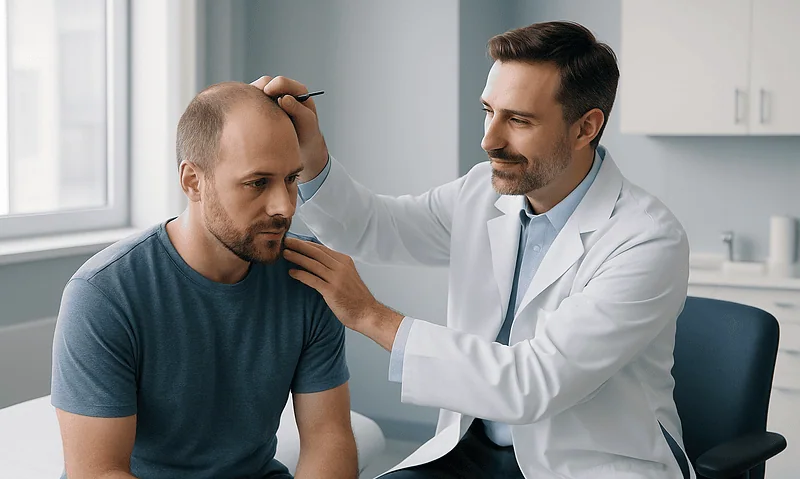
How Scalp Scar Revision Works: Reshaping and Hiding Old Scars From Injury or Surgery
Scalp scar revision surgery is a set of procedures that narrow, reposition, or camouflage an old scar on the scalp, usually by cutting out…
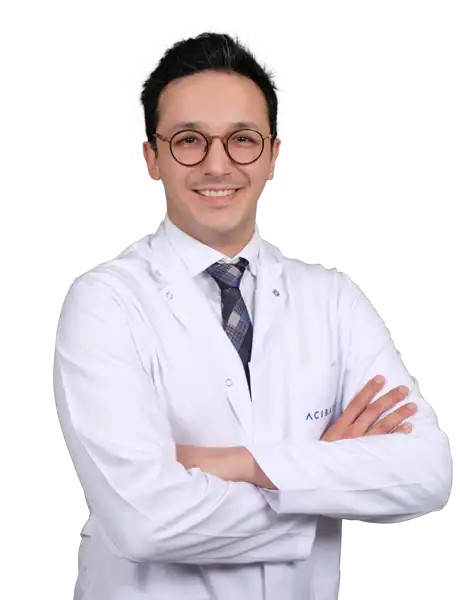
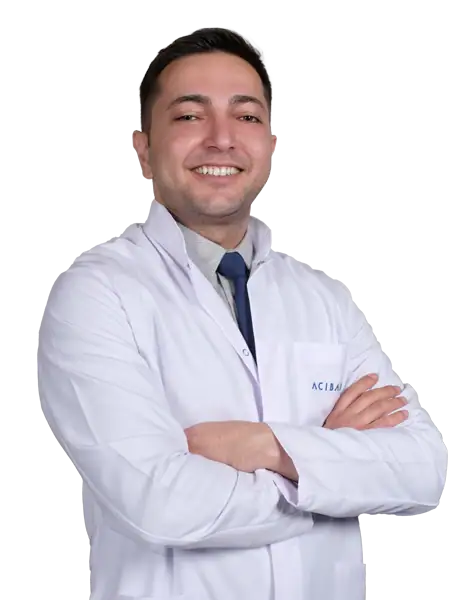
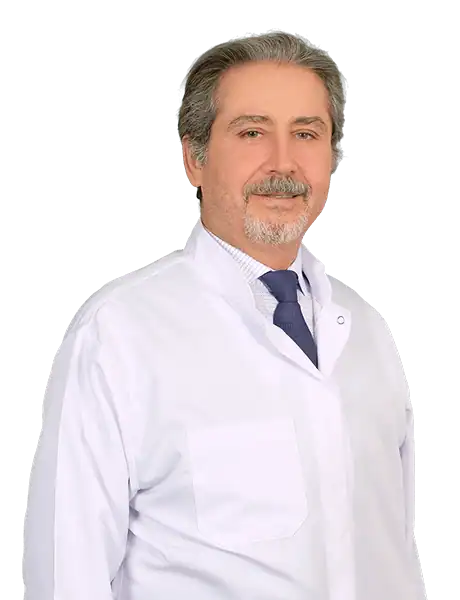
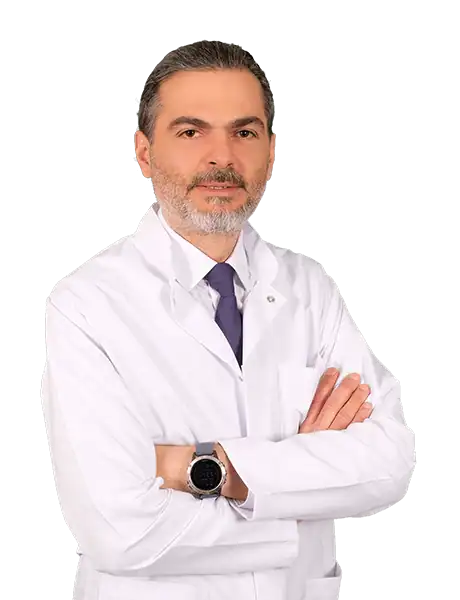
Doctors Performing This Treatment


Aesthetic Plastic & Reconstructive Surgery
Prof. Mehmet Veli Karaaltın, MD

Aesthetic Plastic & Reconstructive Surgery
Assoc. Prof. Erdem Güven, MD

Aesthetic Plastic & Reconstructive Surgery
Assoc. Prof. Ahmet Küçükçelebi, MD
Aesthetic Plastic & Reconstructive Surgery
Assoc. Prof. Mehmet Altıparmak, MD

Aesthetic Plastic & Reconstructive Surgery