

Prostate Enlargement Treatment in Turkey: Treatment Guide

Prostate enlargement treatment in Turkey focuses on relieving urinary symptoms caused by benign prostate growth, using medicines, minimally invasive procedures, or surgery depending on the size of the prostate and symptom severity. At Acibadem, urologists evaluate each patient with imaging and urinary tests, then plan care that may include transurethral techniques, laser treatment, or robotic surgery when needed.
This guide explains how prostate enlargement, also called benign prostatic hyperplasia or BPH, is evaluated and treated in Turkey. You will learn about treatment options, recovery, travel planning, cost factors, and the support available for international patients at Acibadem.
At a glance
- Procedure type: Medical treatment, minimally invasive therapy, or surgical treatment for benign prostate enlargement
- Purpose: To improve urinary flow, reduce bothersome urinary symptoms, and protect bladder and kidney function when needed
- Anesthesia: Depends on the method; local, sedation, spinal, or general anesthesia may be used
- Hospital stay: Often outpatient or 1–2 nights for many procedures; longer stays may be needed for complex cases
- Estimated recovery: Usually a few days to several weeks, depending on treatment type and your general health
- Return to daily life: Many patients return to light daily activities within several days to 1–2 weeks; heavy activity may require longer
- Final result timeline: Urinary improvement may begin early, but full stabilization can take several weeks to a few months
- Suitable department: Urology
- International patient support: Interpreter assistance, appointment coordination, transfers, accommodation guidance, and remote follow-up support
What is this treatment?
Prostate enlargement treatment is care for benign prostatic hyperplasia, often shortened to BPH. The prostate is a gland located below the bladder and around the urine channel, called the urethra. As men age, the prostate may enlarge and press on the urethra, making urination slower, more frequent, or more difficult. BPH is not prostate cancer, but both conditions can exist separately, so a careful urology evaluation is important.
Treatment aims to reduce urinary blockage, improve quality of life, and prevent complications such as urinary retention, recurrent infections, bladder stones, or strain on the bladder and kidneys. Not every enlarged prostate needs surgery. Some patients do well with observation and lifestyle changes, while others benefit from medication or a procedure.
At Acibadem, prostate enlargement is assessed by urology specialists using your symptoms, medical history, examination, urine and blood tests, ultrasound, uroflowmetry, and other tests when needed. The goal is to recommend the least burdensome effective treatment that fits your prostate anatomy, symptom severity, overall health, travel plans, and expectations.
When is it recommended?
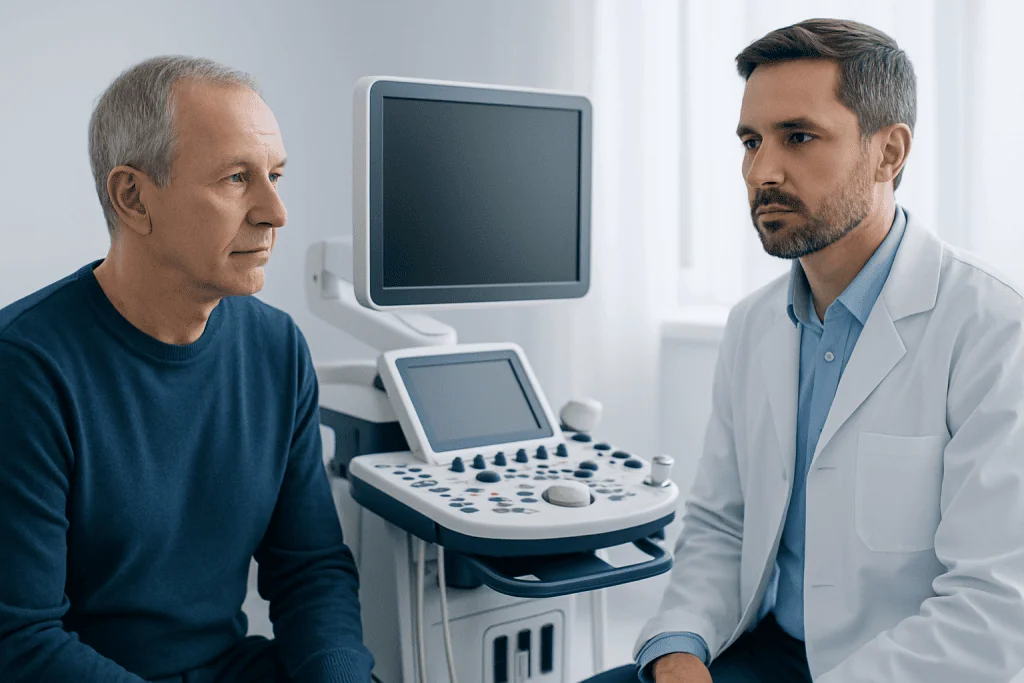
Evaluation and treatment are recommended when urinary symptoms begin to affect your sleep, daily activities, comfort, or confidence. Common symptoms include frequent urination, waking at night to urinate, urgency, weak stream, straining, stopping and starting, dribbling, and feeling that the bladder is not fully empty. Some patients also experience sudden inability to urinate, which requires urgent medical attention.
Treatment may also be recommended if tests show complications related to obstruction. These can include repeated urinary tract infections, bladder stones, blood in the urine attributed to BPH, high residual urine after voiding, bladder changes, or kidney effects. In these situations, treatment is not only about comfort but also about protecting urinary tract health.
Your urologist will consider whether your symptoms are truly caused by BPH. Similar symptoms can occur with urinary infection, overactive bladder, urethral narrowing, neurological conditions, medication side effects, diabetes, or prostate cancer. This is why individualized assessment is essential before choosing a treatment plan.
Who is a good candidate?

You may be a good candidate for prostate enlargement treatment if you have bothersome urinary symptoms, confirmed or suspected BPH, and a desire to improve urinary function after understanding the benefits and limitations of available options. Good candidates are also willing to complete appropriate testing so that the urologist can match the treatment to prostate size, shape, bladder function, and overall health.
Patients who have not yet tried medication may be suitable for medical therapy first, especially if symptoms are mild to moderate and there are no serious complications. Patients with severe symptoms, recurrent retention, medication failure, side effects from medication, or significant obstruction may be considered for procedural or surgical treatment. Some men also choose a procedure because they prefer a more definitive approach after discussing realistic expectations with their doctor.
Your general health matters. Heart disease, blood thinners, diabetes, previous prostate surgery, urinary infections, neurological conditions, and anesthesia risk can influence the safest option. International patients should share complete medical information in advance so the Acibadem team can help plan the most appropriate pathway before travel.
Treatment options
Treatment for prostate enlargement is not one-size-fits-all. Options range from lifestyle measures and medication to minimally invasive therapies and surgery. The best choice depends on symptom severity, prostate volume, the presence of a median lobe, bladder function, residual urine, your age and general health, sexual function priorities, previous treatments, and whether you are taking blood-thinning medication.
Non-surgical management may include monitoring, fluid timing adjustments, reducing bladder irritants, and prescribed medicines that relax the prostate and bladder neck or gradually reduce prostate volume. Medication can be very helpful for many men, but it may not be sufficient for severe obstruction, recurrent urinary retention, or complications. Your doctor will explain possible side effects and whether long-term medication is suitable for you.
Procedural and surgical options may include transurethral resection of the prostate, commonly known as TURP; laser techniques such as HoLEP or other laser prostate surgery when appropriate; endoscopic incision or vaporization techniques; and, for very large prostates or specific anatomical situations, simple prostatectomy approaches. Some methods remove obstructing tissue, while others reshape or reduce the obstruction. Availability and suitability must be confirmed by the urologist after examination and imaging.
Each option has different expectations for catheter duration, hospital stay, bleeding risk, recovery time, effect on ejaculation, retreatment possibility, and suitability for larger prostates. Your Acibadem urologist will discuss these factors clearly so you can make an informed decision. Results vary from person to person, and in some cases further treatment or revision may be needed in the future.
Online evaluation before travel
For international patients, the first step is often an online medical review. You can share your symptoms, previous urology reports, medication list, PSA results, ultrasound findings, prostate volume, uroflowmetry results, urine tests, biopsy reports if any, and images when available. If you have a catheter, recurrent infections, kidney concerns, or previous prostate procedures, this should be clearly mentioned.
The online review helps the medical team understand whether you may be suitable for treatment in Turkey and what additional tests may be needed after arrival. It can also help estimate the likely length of stay, possible treatment options, and whether a companion is recommended. However, it cannot replace an in-person consultation, physical examination, and final diagnostic assessment.
Acibadem International patient services can coordinate communication with the relevant department and help you understand the practical next steps. If language support is needed, interpreter assistance can be arranged for appointments and hospital processes. The goal is to reduce uncertainty before you travel while keeping medical decisions safe and individualized.
Before the treatment
Before treatment, your urologist will review your symptoms in detail and may use a symptom questionnaire to understand how much BPH affects your life. Common pre-treatment tests include urine analysis, blood tests, kidney function tests, PSA when appropriate, ultrasound of the prostate and urinary tract, measurement of residual urine, and uroflowmetry to assess urine stream. In selected cases, cystoscopy, prostate MRI, urodynamic testing, or additional cancer evaluation may be recommended.
You should tell your doctor about all medications and supplements, especially blood thinners, prostate medicines, diabetes medicines, heart medications, and herbal products. Do not stop prescribed medication on your own; the medical and anesthesia teams will advise what should be continued, paused, or adjusted. Any active urinary infection may need treatment before a procedure.
Your team will also explain fasting instructions if anesthesia or sedation is planned, catheter expectations, likely hospital stay, travel timing, and recovery restrictions. This is a good time to ask practical questions about work, flights, sexual activity, exercise, and follow-up after returning home. Clear planning helps you feel prepared and reduces avoidable stress.
What happens during the treatment
What happens during treatment depends on the chosen method. If medication is selected, your doctor will explain how to take it, what improvement to expect, possible side effects, and when to review the response. If a procedure is recommended, you will be admitted to the relevant unit, meet the care team, and complete the necessary pre-operative checks.
Many prostate enlargement procedures are performed through the urinary channel without an external incision. Under appropriate anesthesia, the urologist uses specialized instruments to remove, vaporize, enucleate, or reshape the obstructing prostate tissue. A catheter is commonly placed afterward to drain urine and help the bladder rest while the treated area begins to heal.
For larger prostates or more complex anatomy, a different surgical approach may be recommended. Your doctor will explain why a specific technique is preferred in your case, including expected benefits and limitations. Throughout the process, the anesthesia and nursing teams monitor your comfort, safety, fluid balance, and recovery from anesthesia.
Hospital stay and discharge
Hospital stay varies according to the treatment type, anesthesia, bleeding risk, catheter needs, and your general condition. Some minimally invasive treatments may be outpatient or require a short observation period, while many surgical procedures involve one or more nights in the hospital. Your care team will monitor urine color, comfort, vital signs, and your ability to drink, move, and recover safely.
If a catheter is used, you will receive instructions about catheter care and what sensations are expected. Mild bladder spasms, urgency, or blood-tinged urine can occur after prostate procedures. In some cases, the catheter is removed before discharge; in others, you may leave the hospital with a catheter and return for removal at a planned control visit.
Before discharge, your doctor will explain medications, activity limits, fluid intake guidance, hygiene, warning signs, and the timing of your first control. International patients should not plan to fly immediately after a procedure unless the treating physician confirms it is safe. Travel clearance is based on your recovery, catheter status, bleeding, and any other medical considerations.
Recovery timeline
Recovery after prostate enlargement treatment is usually gradual. Some men notice improved urinary flow soon after catheter removal, while others have temporary urgency, frequency, burning, or blood in the urine as the treated area heals. Your exact timeline depends on the technique used, prostate size, bladder condition before treatment, and your overall health.
| Timeframe | What to expect |
|---|---|
| First 24 hours | Monitoring after anesthesia, urine drainage through a catheter if placed, possible blood-tinged urine, and support with pain control and hydration. |
| First week | Catheter removal may occur depending on the procedure. Burning, urgency, frequency, or small amounts of blood may be expected, and light activity is usually encouraged. |
| Weeks 2-4 | Urination often becomes more comfortable and stronger. You may still need to avoid heavy lifting, strenuous exercise, and activities that increase pelvic pressure. |
| Months 1-3 | Bladder irritation usually settles further, sleep may improve, and urinary patterns become more stable. Follow-up may be needed to assess flow and residual urine. |
| Final result | Final urinary improvement is generally judged after healing and bladder adaptation are complete. Results vary, especially if the bladder was weak or overactive before treatment. |
Your doctor will give procedure-specific instructions. Drinking fluids as advised, avoiding constipation, taking medications correctly, and attending follow-up visits can support smoother recovery. If symptoms worsen instead of gradually improving, contact your medical team for advice.
What to avoid after treatment
After prostate treatment, you will usually be advised to avoid heavy lifting, intense exercise, cycling, straining, and activities that put pressure on the pelvic area for a period of time. The exact duration depends on the procedure and your healing. Gentle walking is often encouraged because it supports circulation and reduces the risk of stiffness, but you should follow your doctor’s limits.
You may also need to avoid sexual activity, alcohol, very spicy foods, and bladder-irritating drinks for a short time if they worsen urgency or burning. Constipation can increase pelvic pressure, so your team may recommend hydration, diet measures, and safe bowel habits. Do not use over-the-counter medicines or supplements without asking if you are unsure, especially if you take blood thinners or have kidney or heart conditions.
Travel should be planned carefully. Long flights or car journeys soon after surgery may be uncomfortable and may increase swelling or clot risk in some patients. Your doctor will advise when it is reasonable to fly, whether you should walk during the journey, and what to do if urinary symptoms occur while traveling.
Risks and possible complications
All medical treatments have possible risks, and these vary according to the method used. Medication may cause dizziness, low blood pressure symptoms, changes in ejaculation, sexual side effects, or other effects depending on the drug. Procedures can cause temporary burning, urgency, frequency, urinary discomfort, bleeding, infection, or catheter-related discomfort.
Less common but important complications can include urinary retention, significant bleeding, blood clots in the urine, narrowing of the urethra or bladder neck, urinary incontinence, persistent urgency, need for repeat treatment, anesthesia-related issues, or effects on ejaculation and fertility. Erectile function is not affected in the same way for every patient, and the risk profile depends on the technique and individual factors.
Your urologist will explain the specific risks and benefits of the treatment recommended for you. A careful pre-operative evaluation, appropriate infection control, anesthesia assessment, and follow-up help reduce risk, but no treatment can be guaranteed. You should make decisions only after your questions have been answered and your suitability has been assessed by a physician.
Warning signs: when to contact a doctor
Some urinary discomfort, mild burning, urgency, and light blood in the urine can be expected after many prostate procedures. However, certain symptoms should be discussed with a doctor promptly because they may require assessment or treatment. If you are an international patient, keep your discharge documents and emergency contact information easily available during your stay and after returning home.
- Inability to urinate or a blocked catheter
- Heavy bleeding, large clots, or urine that becomes increasingly dark red
- Fever, chills, or feeling generally very unwell
- Severe or worsening pelvic, abdominal, or back pain
- Persistent vomiting or inability to drink fluids
- Burning or urinary symptoms that worsen rather than improve
- Swelling, pain, or redness in the legs, or sudden shortness of breath
- Confusion, fainting, chest pain, or any symptom that feels urgent
If any of these occur, do not wait for a routine follow-up appointment. Contact your treating team or seek local emergency care. Early communication is often the safest way to manage concerns and prevent a small issue from becoming more difficult.
Results and expectations
The main expected result of prostate enlargement treatment is easier urination and reduced urinary symptoms. Many patients hope for a stronger stream, less straining, fewer night-time bathroom visits, and better bladder emptying. Improvement may be noticeable soon after catheter removal, but full stabilization can take weeks or months as swelling settles and the bladder adjusts.
Results depend on more than the prostate alone. If the bladder has become weak from long-term obstruction, or if you also have overactive bladder, diabetes-related bladder changes, neurological disease, or infection, symptoms may not disappear completely. Your urologist will discuss what is realistic based on your tests and medical history.
Some procedures can affect ejaculation, and some patients may need ongoing medication or future treatment if symptoms recur. Revision or additional treatment is not common for every patient, but it is possible. A balanced understanding of benefits, limitations, and personal priorities helps you feel confident in your decision.
International patient travel planning
When traveling to Turkey for prostate enlargement treatment, it is important to allow enough time for consultation, tests, treatment, early recovery, first control, and travel clearance. The recommended length of stay depends on whether you need medication assessment, a minimally invasive procedure, laser or endoscopic surgery, catheter removal, or additional evaluation. Your preliminary plan may be adjusted after the in-person consultation.
Bring all relevant medical documents, including PSA results, ultrasound reports, previous biopsy or MRI results if available, medication lists, and information about heart conditions or blood thinners. If you currently have a urinary catheter or have had urinary retention, inform the team before travel. This helps the hospital prepare for your needs and schedule the right tests.
Acibadem International patient services can assist with appointment coordination, interpreter support, airport transfers, and accommodation guidance. If you travel with a companion, they can also receive practical information about visiting, discharge, and aftercare. After you return home, remote follow-up can help you share updates and receive guidance on whether local review is needed.
Cost and package information
The cost of prostate enlargement treatment in Turkey depends on several factors, including the diagnostic tests required, prostate size and anatomy, treatment method, anesthesia type, hospital stay, catheter care, medications, pathology needs if tissue is removed, and whether additional consultations are necessary. More complex cases, previous surgeries, significant medical conditions, or longer hospitalization can affect the final plan.
A typical international patient quotation may include the planned procedure, standard hospital services related to that procedure, nursing care, routine pre-operative tests, anesthesia services when applicable, and early post-treatment controls. Depending on the package, it may also include certain coordination services such as interpreter support or transfers. The exact inclusions should always be confirmed in writing before travel.
Items not included may include extra tests requested after evaluation, treatment for unrelated conditions, additional hospitalization, blood products if needed, special medications, companion expenses, flights, accommodation, or emergency care outside the planned package. Because medical decisions can change after in-person assessment, your final cost may change if the safest or most appropriate treatment plan changes.
Why choose Acibadem
Acibadem provides urology care within a hospital environment designed to support complex diagnostics, anesthesia safety, imaging, laboratory testing, and post-operative monitoring. For prostate enlargement, this matters because the best treatment choice depends on accurate evaluation of the urinary tract and careful attention to each patient’s general health. Multidisciplinary support is available when patients have heart disease, diabetes, kidney concerns, or other conditions that may affect treatment planning.
International patients benefit from coordinated services that help make care in another country clearer and more manageable. Interpreter assistance, appointment scheduling, transfer organization, accommodation guidance, and communication with the medical team can reduce practical stress. The aim is to help you focus on your health while knowing what to expect at each step.
Acibadem hospitals include JCI-accredited facilities, reflecting established international quality and patient safety standards. Accreditation does not replace individual medical judgment, but it supports structured hospital processes, infection control, documentation, and safety systems. Your treatment recommendation will still be personalized after a physician evaluation and discussion of your goals.
Medical review and disclaimer
This guide has been reviewed by the Acibadem International medical team. It is intended to provide general information for international patients considering prostate enlargement treatment in Turkey. It should help you understand common options, preparation, recovery, and travel considerations, but it cannot cover every individual situation.
The information in this guide does not replace a medical consultation, diagnosis, or personalized treatment plan. Symptoms that appear to be caused by BPH may have other causes, and suitability for medication, minimally invasive therapy, or surgery requires evaluation by a qualified physician. Your doctor’s advice should always take priority over general written information.
No result, recovery timeline, or treatment outcome can be guaranteed. If you have severe symptoms, fever, inability to urinate, heavy bleeding, or sudden worsening, seek medical help promptly. For a safe plan, share your full medical history and complete the recommended assessment before making treatment or travel decisions.
Step by step
- Initial contact. You contact Acibadem International and share your main concern, such as weak urine flow, frequent urination, night-time urination, urinary retention, or interest in BPH treatment in Turkey.
- Medical record / photo submission. You send available medical records, including PSA tests, ultrasound reports, uroflowmetry results, urine tests, medication list, catheter information if relevant, and previous urology reports.
- Preliminary medical review. The urology team reviews your information to understand likely suitability, possible treatment options, and any important safety considerations before travel.
- Treatment plan and quotation. You receive a preliminary plan and a quotation based on the information available. The final plan is confirmed only after in-person consultation and required tests.
- Travel planning. International patient services help coordinate appointment dates, expected length of stay, interpreter needs, transfers, and accommodation guidance.
- Arrival. After arriving in Turkey, you are guided to your scheduled hospital appointments, with interpreter support arranged when needed.
- In-person consultation. You meet the urologist for symptom review, physical assessment when appropriate, review of your records, and discussion of realistic treatment goals.
- Pre-operative tests. You complete necessary blood tests, urine tests, imaging, uroflowmetry, anesthesia assessment, and any additional investigations required for safe treatment.
- Treatment. You receive the selected treatment, which may be medication, a minimally invasive procedure, laser treatment, TURP, or another surgical approach depending on your final evaluation.
- Hospital stay. Your care team monitors your recovery, urine drainage, comfort, and general condition. A catheter may be used temporarily after certain procedures.
- First control. Your urologist checks your early healing, catheter status if applicable, urine symptoms, and readiness for discharge or continued observation.
- Discharge / travel clearance. You receive discharge instructions, medication guidance, warning signs, activity restrictions, and advice on when it is safe to travel.
- Remote follow-up. After returning home, you can share updates and test results with the team when appropriate, and you will be advised if local medical review is needed.
Your checklist
- Passport and travel documents
- Full medical history, including chronic conditions such as heart disease, diabetes, kidney disease, or neurological conditions
- Current medication list, including blood thinners, prostate medicines, supplements, and herbal products
- Known allergies to medicines, latex, contrast agents, or anesthesia-related products
- Previous surgeries and previous prostate, bladder, or urinary tract procedures
- Current urinary symptoms, including frequency, urgency, night-time urination, weak stream, retention, or catheter use
- Recent PSA results and any previous prostate biopsy or prostate MRI reports
- Urine test results, culture results, kidney function tests, and other relevant blood tests
- Ultrasound, uroflowmetry, residual urine measurements, CT, MRI, or other imaging reports if available
- Information about urinary infections, bladder stones, blood in urine, or episodes of urinary retention
- Questions about sexual function, ejaculation, recovery, travel timing, and return to work
Key takeaways
- Prostate enlargement is usually benign, but it should be evaluated properly to rule out infection, bladder problems, prostate cancer, or other causes of urinary symptoms.
- Treatment may include medication, minimally invasive procedures, laser surgery, TURP, or other surgical options depending on prostate size, symptoms, test results, and your priorities.
- International patients usually need to plan enough time in Turkey for consultation, tests, treatment, catheter care if needed, first control, and travel clearance.
- Recovery often includes temporary urinary frequency, urgency, mild burning, or blood in the urine; your doctor will explain what is expected for your specific procedure.
- You should seek medical advice promptly for fever, inability to urinate, heavy bleeding with clots, severe pain, or worsening symptoms after treatment.
Frequently asked questions
Is prostate enlargement the same as prostate cancer?
No. Prostate enlargement, or BPH, is a benign condition and is not the same as prostate cancer. However, urinary symptoms can overlap with other prostate or bladder conditions, so your urologist may recommend PSA testing, imaging, examination, or further evaluation when appropriate.
How do I know which BPH treatment is right for me?
The right treatment depends on your symptoms, prostate size, urine flow, residual urine, bladder function, medical history, and personal priorities. Some men do well with medication, while others benefit more from a procedure or surgery. A urologist must assess you before a safe recommendation can be made.
How long should I stay in Turkey for prostate enlargement treatment?
The required stay depends on the planned treatment and your recovery. You should allow time for consultation, tests, treatment, catheter removal if needed, first control, and travel clearance. Your preliminary schedule can be discussed before travel, but it may change after in-person evaluation.
Will I need a catheter after treatment?
A catheter is commonly used temporarily after many prostate procedures, especially surgical or endoscopic treatments. The duration depends on the method, urine color, swelling, and your ability to urinate safely. Your doctor will explain whether you may leave hospital with a catheter or have it removed before discharge.
Is recovery painful?
Most patients describe recovery as uncomfortable rather than severely painful, but experiences vary. Burning during urination, urgency, frequency, bladder spasms, and mild blood in the urine may occur for a period of time. Your team will provide appropriate pain control and instructions for managing expected symptoms.
Can prostate treatment affect sexual function?
Some BPH treatments can affect ejaculation, and the likelihood depends on the technique and your anatomy. Erectile function is not affected in the same way for every patient, but individual risks should be discussed openly with your urologist. If fertility or ejaculation is important to you, mention this before choosing treatment.
What factors influence the cost of treatment?
Cost is influenced by the diagnostic work-up, treatment method, anesthesia, hospital stay, catheter care, medications, and whether additional tests or consultations are needed. Complex cases or changes in the treatment plan after in-person assessment can also affect the final quotation. You should ask what is included and excluded before travel.
Is it safe to fly after prostate surgery?
Flying may be possible after your doctor confirms that your bleeding, catheter status, comfort, and general condition are stable. You should not plan to fly immediately after surgery without medical clearance. During longer journeys, your doctor may advise walking, hydration, and other precautions based on your health.
How soon will my urinary symptoms improve?
Some patients notice a stronger stream soon after catheter removal, while others improve gradually over several weeks. Temporary urgency, frequency, or burning can occur as healing continues. Final results are usually assessed after swelling settles and the bladder has had time to adapt.
Can BPH come back after treatment?
Many treatments provide long-lasting symptom relief, but no procedure can guarantee that symptoms will never return. Future urinary symptoms may be related to prostate tissue, bladder function, urethral narrowing, infection, or other causes. Follow-up helps identify the reason if symptoms recur.
Why is an in-person consultation still necessary if I send my records online?
Online review is helpful for planning, but it cannot replace examination, updated tests, and direct assessment by the treating physician. Prostate size, bladder function, infection status, anesthesia suitability, and cancer screening considerations may need confirmation. The final treatment plan is made only after this evaluation.
Add us as a Preferred Source to see more of our trusted health content across Google Search, AI Overviews and Discover.

More Patient Guides
Day Surgery in Turkey: Can You Leave Hospital the Same Day?
Day surgery in Turkey often lets you go home the same day if your procedure and recovery are suitable and your doctor…
11 min read
General Anesthesia in Turkey: How to Prepare and What Happens Before You Sleep
General anesthesia in Turkey helps you sleep safely through surgery. Learn preparation, recovery, risks, and travel planning in Istanbul.
11 min read
Choosing Between Outpatient and Inpatient Treatment in Turkey: What Affects the Decision
Choosing Between Outpatient and Inpatient Treatment in Turkey depends on your procedure, health, recovery needs and travel plans.
11 min read