

Cardiovascular Toxicology
Learn what cardiovascular toxicology is, common symptoms, causes such as medications or chemicals, how doctors diagnose it, and treatment options.

Quick answer
Cardiovascular toxicology is the field that studies and treats harm to the heart and blood vessels caused by drugs, chemicals, alcohol, or other substances. It ranges from sudden overdoses that disturb heart rhythm to gradual heart muscle weakening after certain cancer treatments. Diagnosis uses ECG, echocardiography, and blood tests; treatment removes the cause and supports the heart.
What is cardiovascular toxicology?
Cardiovascular toxicology is the branch of medicine and science that studies how drugs, chemicals, and other substances can harm the heart and blood vessels. In everyday clinical use, the term also describes the medical problems that result from this harm, which doctors often call cardiotoxicity (toxic injury to the heart) or vascular toxicity (toxic injury to the blood vessels). When people ask what is cardiovascular toxicology, the simplest answer is that it covers any situation in which something a person swallows, inhales, injects, or is exposed to damages the cardiovascular system.
The substances involved are varied. They include prescription medicines such as certain chemotherapy drugs, over-the-counter products taken in excess, recreational drugs, alcohol, environmental chemicals, heavy metals, and some plant or animal toxins. The damage may be sudden, as in an overdose that causes a dangerous heart rhythm, or gradual, as in a weakening of the heart muscle that develops months or years after cancer treatment.
Cardiovascular toxicology affects people of all ages. Children may be exposed through accidental ingestion, adults through medication side effects, occupational chemicals, or substance use, and older adults through the combined effect of several medicines taken at once. People receiving cancer therapy form a large and growing group, because many effective cancer drugs are known to carry a risk to the heart. This has led to a related field called cardio-oncology, in which heart specialists and cancer specialists work together. In many hospital systems, including the Cardiology Department at Acibadem, heart specialists evaluate and follow patients who have suspected or confirmed toxic heart injury.
Cardiovascular toxicology symptoms
Cardiovascular toxicology symptoms depend on which part of the heart or circulation is affected, how much of the substance was involved, and whether the exposure happened suddenly or over a long time. Some people have no symptoms at all in the early stages, and the problem is found only on a routine heart test. Others become seriously ill within minutes.
Common symptoms include:
- Palpitations — an awareness of a fast, slow, pounding, or irregular heartbeat
- Chest pain or pressure
- Shortness of breath, especially with activity or when lying flat
- Swelling of the ankles, legs, or abdomen (a sign of fluid buildup)
- Dizziness, lightheadedness, or fainting
- Unusual fatigue or reduced ability to exercise
- Very high or very low blood pressure
- Nausea, sweating, or confusion, which may accompany a dangerously abnormal rhythm
- Cold, pale, or discolored fingers and toes when blood vessels narrow
In acute (sudden) toxicity, such as an overdose of a heart medicine, a stimulant drug, or a poisoning, symptoms usually appear quickly and may include a racing or very slow pulse, collapse, seizures, or loss of consciousness. This is a medical emergency.
In chronic (long-term) toxicity, symptoms often build slowly. A person who has finished chemotherapy may notice, months later, that climbing stairs leaves them more breathless than before, or that their ankles swell by evening. These are possible signs of heart failure, a condition in which the heart cannot pump as strongly as it should. Long-term heavy alcohol use can produce a similar pattern, sometimes called alcoholic cardiomyopathy (a disease of the heart muscle related to alcohol).
Some toxic effects target blood vessels rather than the heart muscle. Certain cancer drugs and some recreational stimulants can cause spasm or inflammation of arteries, leading to chest pain, high blood pressure, or, less commonly, a heart attack or stroke.
Causes and risk factors
Cardiovascular toxicology causes fall into several broad groups. Understanding them helps explain why some people are monitored closely during treatment or after an exposure.
Medications used as prescribed. Several classes of drugs can injure the heart even at normal doses in some people. Well-known examples include anthracycline chemotherapy drugs (such as doxorubicin), certain targeted cancer therapies, some immunotherapies, and a number of medicines that can lengthen the electrical recovery time of the heart (known as QT prolongation), which raises the risk of a dangerous rhythm. Some antipsychotic, antidepressant, antibiotic, and antifungal medicines fall into this last group.
Overdose or misuse of medications. Taking too much of a heart medicine such as digoxin, a beta-blocker, or a calcium channel blocker can slow the heart dangerously. Excess doses of tricyclic antidepressants can disturb the heart’s electrical system. Even common products, when taken in large amounts, can affect the heart indirectly by upsetting the body’s chemistry.
Recreational substances and alcohol. Cocaine, amphetamines, and related stimulants raise heart rate and blood pressure and can cause artery spasm, heart attack, or abnormal rhythms, sometimes in young people with otherwise healthy hearts. Long-term heavy alcohol use is a recognized cause of weakened heart muscle and irregular heartbeat.
Environmental and occupational exposures. Heavy metals such as lead, arsenic, and cobalt, some solvents, carbon monoxide, and certain pesticides have been linked with heart and blood vessel damage. Air pollution is increasingly recognized as a contributor to cardiovascular disease at the population level.
Natural toxins. Some plants (for example, foxglove and oleander), certain mushrooms, and the venom of some animals contain compounds that directly affect heart rhythm or function.
Risk factors that make a person more likely to develop toxic heart injury include:
- Existing heart disease, high blood pressure, or diabetes
- Older age, or very young age in the case of some chemotherapy drugs
- Higher cumulative (total lifetime) dose of a cardiotoxic drug
- Previous radiation therapy to the chest
- Taking several medicines that each affect heart rhythm
- Kidney or liver disease, which can slow the removal of drugs from the body
- Low levels of potassium or magnesium in the blood
- Smoking, obesity, or a family history of heart disease
- Inherited variations in how the body processes certain drugs
Cardiovascular toxicology diagnosis
Cardiovascular toxicology diagnosis relies on connecting a heart problem with a likely toxic cause. There is no single test that proves toxicity. Instead, doctors combine a careful history with a set of heart tests and, where relevant, laboratory measurements of the substance itself.
Medical history and examination. Your doctor may ask in detail about every medicine, supplement, and substance you take or have taken, including cancer treatments received years ago, alcohol intake, recreational drug use, and your work or home environment. The timing of symptoms in relation to an exposure is often the most important clue. A physical examination checks pulse, blood pressure, breathing, signs of fluid retention, and circulation to the limbs.
Electrocardiogram (ECG or EKG). This quick, painless test records the heart’s electrical activity. It can detect abnormal rhythms, a slow or fast heart rate, and changes such as QT prolongation that point to a drug effect.
Echocardiogram. This ultrasound scan of the heart shows how well the heart muscle pumps and how the valves work. Doctors often measure the ejection fraction (the percentage of blood pumped out with each beat) and, increasingly, a more sensitive measure called strain, which can reveal early muscle weakening before the ejection fraction falls. Repeated echocardiograms before, during, and after cancer treatment are a standard way of watching for cardiotoxicity.
Blood tests. Cardiac biomarkers are proteins released into the blood when the heart is stressed or injured. Troponin rises with heart muscle damage, and natriuretic peptides (such as BNP or NT-proBNP) rise with heart strain and fluid overload. Other blood tests check kidney and liver function and electrolyte levels such as potassium and magnesium. In suspected poisoning, laboratories may measure the level of a specific drug or toxin, such as digoxin, lead, or carboxyhemoglobin (which indicates carbon monoxide exposure).
Cardiac MRI. Magnetic resonance imaging gives detailed pictures of the heart muscle and can show inflammation or scarring that other tests may miss. It is sometimes used when the echocardiogram is unclear.
Rhythm monitoring. A wearable monitor worn for a day or longer can capture irregular heartbeats that come and go.
Additional tests. Depending on the situation, doctors may use chest X-ray, coronary angiography (an X-ray of the heart’s arteries using dye), or, rarely, a heart muscle biopsy. In cancer care, many centers use published criteria that define cancer-therapy-related heart dysfunction based on specific drops in ejection fraction or strain combined with biomarker changes.
Cardiovascular toxicology treatment options
Cardiovascular toxicology treatment options depend on whether the situation is an emergency, what substance is involved, and how much damage has occurred. The guiding principles are to stop or limit the exposure, support the heart and circulation, reverse the toxin when a specific antidote exists, and treat any lasting heart condition with standard cardiac care.
Removing or reducing the exposure. In many cases the first step is to stop the responsible drug, reduce its dose, or switch to a less cardiotoxic alternative. For cancer patients this decision is made jointly by the oncologist and cardiologist, weighing the heart risk against the benefit of the cancer treatment. Stopping alcohol or recreational drug use is essential when these are the cause. For environmental exposures, identifying and removing the source is central.
Emergency and supportive care. In acute poisoning or overdose, treatment takes place in an emergency department or intensive care unit. It may include intravenous fluids, oxygen, medicines to raise or lower blood pressure, drugs to control heart rhythm, temporary pacing (using a device to keep the heart beating at a safe rate), and, in severe cases, mechanical support of the circulation. Activated charcoal is sometimes given soon after certain ingestions to reduce absorption.
Antidotes and specific reversal agents. A limited number of toxins have targeted treatments. Examples include digoxin-specific antibody fragments for digoxin toxicity, high-dose insulin or calcium for calcium channel blocker overdose, glucagon for some beta-blocker overdoses, sodium bicarbonate for certain antidepressant poisonings, magnesium for a specific dangerous rhythm linked to QT prolongation, and chelation therapy (medicines that bind metals so the body can remove them) for confirmed heavy metal poisoning. These are given only under specialist supervision.
Medications for heart damage. When toxicity has weakened the heart muscle, doctors generally use the same medicines that treat other forms of heart failure. These may include ACE inhibitors or angiotensin receptor blockers (which relax blood vessels and reduce strain on the heart), beta-blockers (which slow the heart and protect it from stress hormones), mineralocorticoid receptor antagonists, SGLT2 inhibitors, and diuretics to remove excess fluid. Some of these drugs are also used preventively in high-risk cancer patients. Abnormal rhythms may be treated with rhythm-controlling medicines or blood thinners where appropriate.
Procedures and devices. If a persistent slow rhythm develops, a permanent pacemaker may be recommended. For people at high risk of life-threatening fast rhythms, an implantable cardioverter-defibrillator (a device that detects and corrects dangerous rhythms) may be considered. Catheter procedures can treat blocked or spasming arteries when a heart attack occurs. In rare, severe cases of irreversible heart failure, advanced therapies such as a mechanical heart pump or heart transplant may be discussed.
Cardiac rehabilitation and follow-up. Supervised exercise programs, dietary guidance, and education can help people recover strength and confidence after toxic heart injury. Regular follow-up with repeat echocardiograms and blood tests allows doctors to track recovery and adjust treatment. Cancer survivors who received cardiotoxic drugs are often followed for many years, because late effects can appear long after treatment ends.
Living with cardiovascular toxicology and outlook
The outlook after toxic heart or blood vessel injury varies widely. Many acute poisonings, when recognized and treated promptly, resolve completely with no lasting damage. Heart muscle weakening caused by some medications can improve substantially, or in some cases return to normal, once the drug is stopped and heart-protective treatment is started, especially if it is caught early. This is one reason routine monitoring during cancer therapy is considered so important.
In other situations, damage may be partly permanent. Anthracycline-related cardiomyopathy, for example, can be long-lasting, and heart failure that develops years after treatment may require lifelong medication. Alcohol-related heart disease often improves with sustained abstinence, but recovery is not guaranteed and depends on how advanced the condition was when drinking stopped.
Living well with a history of cardiotoxicity usually involves taking prescribed heart medicines consistently, attending scheduled follow-up tests, keeping blood pressure, cholesterol, and blood sugar under control, staying physically active within limits your doctor agrees with, not smoking, and limiting or avoiding alcohol. It is helpful to keep an up-to-date list of all medicines and to tell every healthcare provider, including dentists and pharmacists, about your history, because some new prescriptions may need to be avoided or adjusted. Emotional effects are common as well, particularly for cancer survivors who did not expect a heart problem, and support from counselors or patient groups can be valuable.
Frequently asked questions
What is cardiovascular toxicology in simple terms?
Cardiovascular toxicology is the study and treatment of harm done to the heart and blood vessels by drugs, chemicals, or other substances. In practice, it covers everything from a sudden overdose that disturbs heart rhythm to a slow weakening of the heart muscle caused by certain cancer treatments or long-term alcohol use.
What are the first cardiovascular toxicology symptoms people notice?
Early symptoms often include palpitations, unusual tiredness, breathlessness with activity, dizziness, or ankle swelling. Some people have no symptoms at all and the problem is found on a routine heart scan. In sudden poisonings, symptoms such as a very fast or slow pulse, chest pain, or fainting may appear within minutes to hours.
What are the most common cardiovascular toxicology causes?
Common causes include certain chemotherapy and targeted cancer drugs, medicines that affect heart rhythm, overdoses of heart or psychiatric medications, stimulant drugs such as cocaine and amphetamines, long-term heavy alcohol use, carbon monoxide, and heavy metals. Which cause is most likely depends heavily on a person’s medical history and environment.
How is cardiovascular toxicology diagnosis confirmed?
Doctors combine a detailed history of exposures with an electrocardiogram, an echocardiogram to assess pumping strength, and blood tests for heart-injury markers and, where possible, the toxin itself. Cardiac MRI or rhythm monitoring may be added. Diagnosis is usually based on the pattern of findings and their timing relative to the exposure, rather than on one single test.
What are the main cardiovascular toxicology treatment options?
Treatment generally involves stopping or reducing the harmful exposure, supporting the heart in an emergency, giving a specific antidote if one exists, and using standard heart failure or rhythm medicines for any lasting damage. Some people need a pacemaker or other device, and many benefit from cardiac rehabilitation and long-term follow-up.
Can heart damage from chemotherapy be reversed?
In many cases, heart muscle weakening detected early during or after cancer treatment improves with prompt heart-protective medication and adjustment of the cancer therapy. However, recovery is not guaranteed, and some types of damage, particularly from higher cumulative doses of anthracycline drugs, may be long-lasting. This is why regular monitoring is recommended.
Who should be monitored for cardiotoxicity?
People receiving known cardiotoxic cancer drugs, those with existing heart disease who start medicines affecting heart rhythm, and individuals with occupational exposure to certain chemicals or metals are commonly monitored. Your doctor may recommend baseline and follow-up heart tests based on your specific risk factors.
When to see a doctor
If you are taking a medicine known to affect the heart, have completed cancer treatment, or have had a significant chemical or substance exposure, tell your doctor about any new heart-related symptoms, even if they seem mild. Gradual breathlessness, swelling, or reduced exercise tolerance should be assessed rather than ignored.
Seek emergency medical care immediately if you or someone near you has any of the following red-flag signs:
- Chest pain or pressure lasting more than a few minutes, or spreading to the arm, jaw, or back
- Sudden severe shortness of breath or inability to lie flat
- Fainting, near-fainting, or collapse
- A very fast, very slow, or chaotic heartbeat with dizziness or weakness
- Confusion, seizures, or difficulty staying awake after a known overdose or exposure
- Blue or gray lips or fingertips
- Suspected poisoning or overdose of any kind, especially in a child
- Sudden weakness or numbness on one side of the body, slurred speech, or facial drooping
In suspected poisoning, contacting your local emergency number or poison control service without delay can be life-saving, even before symptoms appear.
Medically reviewed by the Acıbadem International Medical Board — September 9, 2026
See our medical review board →
Update history
- PublishedSeptember 9, 2026
- Medical review approvedSeptember 9, 2026
- Last content updateSeptember 9, 2026
References2
Treatments for This Condition
Care at Acibadem
Doctors Who Treat This Condition
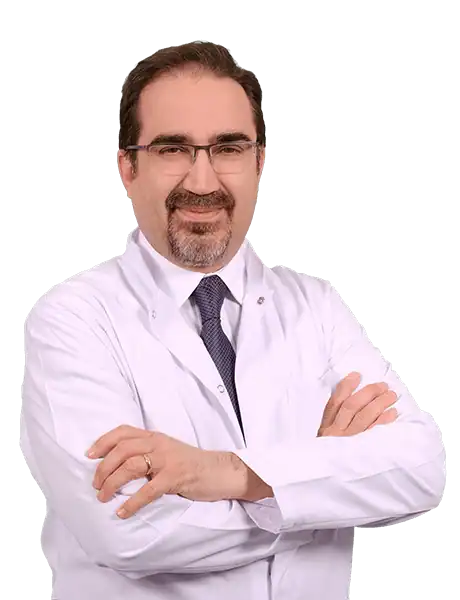
Prof. Ahmet Akyol, MD
Cardiology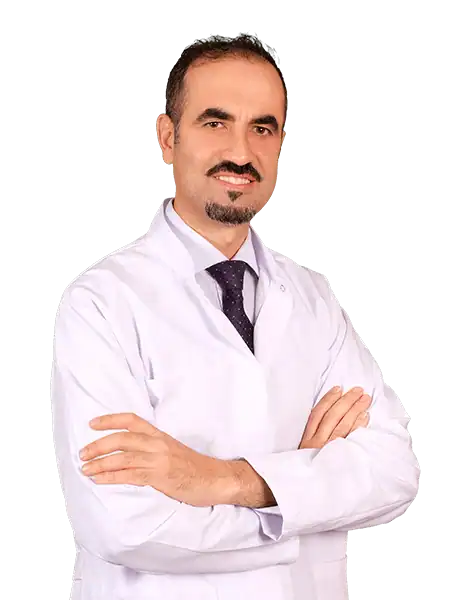
Prof. Ahmet Karabulut, MD
Cardiology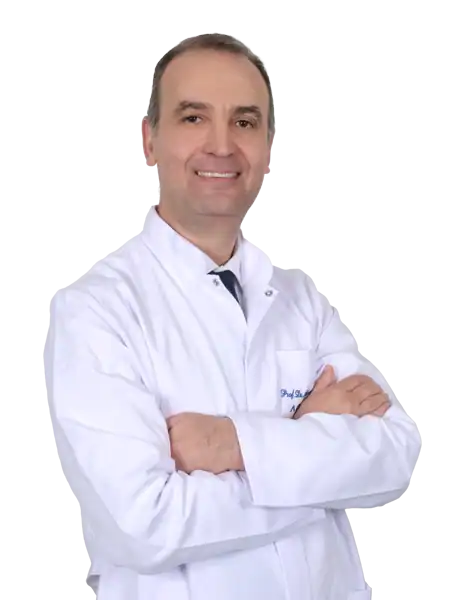
Prof. Ahmet Kaya Bilge, MD
Cardiology
Prof. Ahmet Oytun Baykan, MD
Cardiology
Prof. Aleks Değirmencioğlu, MD
Cardiology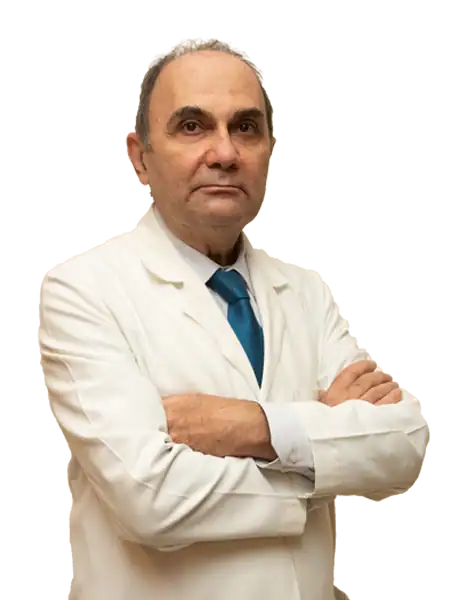
Prof. Ali Aydınlar, MD
Cardiology
Prof. Alper Özkan, MD
Cardiology
Prof. Barış Kılıçaslan, MD
Cardiology
Prof. Bekir Sıtkı Cebeci, MD
Cardiology
Prof. Burak Pamukçu, MD
Cardiology
Prof. Cahide Soydaş Çınar, MD
Cardiology