

Congenital Heart Diseases
Learn about congenital heart diseases: what they are, common symptoms in babies and adults, causes, how doctors diagnose them, and treatment options.

Quick answer
Congenital heart diseases are structural problems with the heart that are present at birth, such as holes between chambers, narrowed valves, or abnormally connected vessels. They range from mild defects that need only monitoring to complex ones requiring surgery. Diagnosis usually relies on echocardiography, and most people need lifelong cardiology follow-up.
What is congenital heart diseases?
Congenital heart diseases, also called congenital heart defects, are problems with the structure of the heart that are present at birth. The word congenital means a condition that exists from birth. These problems develop while a baby is still growing in the womb, usually during the first weeks of pregnancy when the heart is forming. They can affect the walls of the heart, the valves that control blood flow between its chambers, or the large blood vessels that carry blood to and from the heart.
Congenital heart diseases are the most common type of birth defect. They range from very mild problems that never cause symptoms and may close on their own, to complex defects that need surgery in the first days or weeks of life. Some are found before birth or soon after; others are not discovered until childhood or even adulthood.
Doctors often group congenital heart diseases into a few broad categories:
- Holes in the heart, such as an atrial septal defect (a hole in the wall between the two upper chambers) or a ventricular septal defect (a hole in the wall between the two lower chambers).
- Narrowed or blocked valves or vessels, such as pulmonary valve stenosis (narrowing of the valve that leads to the lungs) or coarctation of the aorta (narrowing of the body’s main artery).
- Problems with how the chambers and vessels are connected, such as tetralogy of Fallot or transposition of the great arteries, in which the two main arteries leaving the heart are switched.
- Underdeveloped parts of the heart, such as hypoplastic left heart syndrome, in which the left side of the heart is too small to pump blood effectively.
Some defects are called cyanotic because they lower the amount of oxygen in the blood and can give the skin, lips, or nails a bluish color, known as cyanosis. Others are called acyanotic and do not usually cause this color change. Because congenital heart disease is a lifelong condition, many people need follow-up care from childhood into adulthood, even after a successful repair.
Congenital heart diseases symptoms
Congenital heart diseases symptoms depend on the type of defect, how severe it is, and the person’s age. Small defects may cause no symptoms at all and are sometimes found only when a doctor hears a heart murmur (an extra or unusual sound made by blood flowing through the heart) during a routine check-up. More serious defects usually cause signs within the first hours, days, or months of life.
Common signs in newborns and infants include:
- Bluish or grayish color of the lips, tongue, skin, or fingernails
- Rapid or labored breathing, or flaring of the nostrils when breathing
- Tiring quickly, sweating, or becoming breathless during feeding
- Poor feeding and slow weight gain
- Swelling of the legs, belly, or around the eyes
- Unusual sleepiness or irritability
In older children, teenagers, and adults, symptoms can be more subtle and may include:
- Becoming short of breath more easily than others during exercise or play
- Tiring easily or having low stamina
- Fainting or near-fainting, especially with exertion
- A fast, pounding, or irregular heartbeat (palpitations)
- Swelling of the ankles, feet, or hands
- Chest discomfort or pain in some cases
Symptoms can also change over time. A defect that caused no problems in childhood may begin to affect the heart in adulthood, for example by stretching or weakening the heart muscle or by causing abnormal heart rhythms. This is one reason lifelong follow-up is usually recommended. Having one or more of these symptoms does not mean a person has a heart defect, since many other conditions cause similar signs, but they should always be evaluated by a doctor.
Causes and risk factors
In most cases, the exact congenital heart diseases causes are not known. The heart forms very early in pregnancy, and a defect occurs when this process is disturbed. Researchers believe most defects result from a combination of genetic factors and environmental influences rather than from a single cause. In the majority of cases, nothing the parents did or failed to do caused the defect.
Factors that are known or thought to increase the risk include:
- Genetic conditions. Certain chromosome and gene changes are linked with heart defects. For example, many children with Down syndrome are born with a heart defect. Other conditions, such as Turner syndrome, DiGeorge syndrome, Marfan syndrome, and Noonan syndrome, also carry a higher risk.
- Family history. Having a parent or sibling with a congenital heart defect raises the chance that a child will have one, although most children with a family history are born with a normal heart.
- Maternal diabetes. Diabetes that is poorly controlled during pregnancy, especially diabetes that was present before pregnancy, is associated with a higher risk. Gestational diabetes that begins later in pregnancy is generally less strongly linked.
- Infections during pregnancy. Rubella (German measles) during the first trimester is a well-known cause of heart defects.
- Certain medicines. Some medications taken in early pregnancy, such as certain seizure medicines, some acne medicines, and lithium, have been linked with heart defects. Pregnant women should discuss all medicines with their doctor.
- Alcohol and smoking. Drinking alcohol or smoking during pregnancy increases the risk of several birth defects, including heart problems.
- Other maternal conditions. Obesity and the autoimmune condition lupus have been associated with a somewhat higher risk.
Having a risk factor does not mean a baby will have a heart defect, and many babies with heart defects are born to parents with no known risk factors at all.
Congenital heart diseases diagnosis
Congenital heart diseases diagnosis can happen at different points in life. Some defects are seen during pregnancy, many are found shortly after birth, and some are not discovered until later. Doctors use a combination of physical examination and specialized tests to confirm whether a defect is present and how it is affecting the heart.
Before birth. A routine pregnancy ultrasound at around 18 to 22 weeks can sometimes show signs of a heart problem. If so, or if the pregnancy is considered higher risk, a fetal echocardiogram may be recommended. This is a detailed ultrasound of the baby’s heart performed by a specialist. It can identify many, though not all, major defects before birth, which allows the birth and early care to be planned.
After birth. Many hospitals screen newborns with pulse oximetry, a painless test that uses a small sensor on the hand or foot to measure the oxygen level in the blood. A low reading can be an early clue to a heart defect that has not yet caused visible symptoms. Doctors also listen to the heart for murmurs and check the baby’s color, breathing, and pulses.
When a defect is suspected at any age, the tests a doctor may order include:
- Echocardiogram. An ultrasound of the heart that shows its structure and how blood flows through it. This is the main test used to confirm and describe most congenital heart defects.
- Electrocardiogram (ECG or EKG). A recording of the heart’s electrical activity, which can show rhythm problems or strain on the heart chambers.
- Chest X-ray. Shows the size and shape of the heart and whether there is extra fluid in the lungs.
- Cardiac MRI or CT scan. Detailed imaging that gives a three-dimensional picture of the heart and large vessels. These are often used in older children and adults or when the echocardiogram does not answer every question.
- Cardiac catheterization. A thin, flexible tube called a catheter is guided through a blood vessel into the heart to measure pressures and oxygen levels and to take X-ray pictures with contrast dye. It is used when very precise information is needed and is sometimes combined with treatment.
- Exercise testing. In older children and adults, monitoring the heart during exercise helps show how well it copes with physical effort.
- Genetic testing. May be offered when a defect is linked with a known syndrome or when there is a strong family history.
The results of these tests help the care team decide whether treatment is needed and, if so, what kind and when. Diagnosis and long-term follow-up are usually coordinated by pediatric cardiologists (heart doctors for children) or, in adults, by cardiologists with training in adult congenital heart disease. In hospital settings such as the Cardiology Department at Acibadem, these specialists work alongside cardiac surgeons and other teams.
Congenital heart diseases treatment options
Congenital heart diseases treatment options depend on the type and severity of the defect, the person’s age, and any other health conditions. Some defects need no treatment, while others require one or more procedures. The goal of treatment is to allow the heart to work as normally as possible and to prevent or manage complications.
Observation and monitoring
Many small defects, such as small holes between the heart chambers or mild valve narrowing, do not cause problems and may close or improve on their own as a child grows. In these cases, the doctor may simply recommend regular check-ups with repeat echocardiograms to make sure the defect is not putting strain on the heart.
Medications
Medicines do not repair a structural defect, but they can help the heart work more efficiently and control symptoms. Depending on the situation, a doctor may prescribe medicines that remove extra fluid from the body (diuretics), lower blood pressure or reduce the heart’s workload, control an abnormal heart rhythm, or thin the blood to prevent clots. In some newborns, a medicine can be used to keep a natural blood vessel open until surgery can be performed.
Catheter-based procedures
Some defects can be treated without open-heart surgery. In a catheter procedure, a thin tube is passed through a blood vessel, usually in the groin, up to the heart. Through this tube, doctors can place a small device to close a hole, use a balloon to widen a narrowed valve or vessel, or place a stent (a small mesh tube) to keep a vessel open. In some cases, a replacement valve can be delivered this way. Recovery is usually faster than after surgery, but not every defect is suitable for this approach.
Surgery
Complex or severe defects often require open-heart surgery. This may involve closing holes with patches, repairing or replacing valves, widening narrowed vessels, or rerouting blood flow so that oxygen-poor blood reaches the lungs and oxygen-rich blood reaches the body. Some children need a series of operations over several years as they grow. In the most severe cases, when the heart cannot be repaired, a heart transplant may be considered.
Follow-up care and rehabilitation
Treatment does not usually end with a procedure. Most people with congenital heart disease benefit from lifelong follow-up, because repaired hearts can develop problems such as leaking valves, abnormal rhythms, or weakening of the heart muscle years later. Cardiac rehabilitation, a supervised program of exercise and education, may be recommended for teenagers and adults after procedures. Good dental care is also important, since some heart defects raise the risk of an infection of the heart lining called endocarditis, and a doctor may advise antibiotics before certain dental work.
Living with congenital heart diseases and outlook
Outcomes for people with congenital heart diseases have improved greatly over recent decades, and most children born with a heart defect now survive into adulthood. Many people with mild or successfully repaired defects lead full, active lives, attend school, work, and have families. The outlook varies widely, however, and depends on the specific defect, its severity, how early it was treated, and whether complications develop.
People with more complex defects may face ongoing challenges, including reduced exercise capacity, heart rhythm problems, heart failure (a condition in which the heart cannot pump enough blood to meet the body’s needs), or the need for further procedures later in life. Regular follow-up with a cardiologist experienced in congenital heart disease helps detect and manage these problems early.
Practical points that doctors often discuss include:
- Physical activity. Most people are encouraged to be active. The care team can advise which activities and intensity levels are appropriate for a particular defect.
- Vaccinations and infections. Keeping vaccinations up to date and treating infections promptly is often advised, since infections can put extra strain on the heart.
- Pregnancy. Many women with congenital heart disease can have healthy pregnancies, but pregnancy places extra demands on the heart. Planning with a cardiologist and an obstetrician before becoming pregnant is generally recommended.
- Transition to adult care. As teenagers become adults, their care usually moves from pediatric to adult congenital heart specialists. Staying connected to care during this transition matters, because some adults lose follow-up and later develop complications that might have been prevented.
- Emotional well-being. Living with a lifelong heart condition, or caring for a child who has one, can be stressful. Support from family, patient organizations, and mental health professionals can help.
No doctor can promise a specific outcome, but with appropriate treatment and follow-up, many people with congenital heart disease can expect a good quality of life.
Frequently asked questions
What is congenital heart diseases in simple terms?
Congenital heart diseases are structural problems with the heart that a person is born with. They happen because the heart did not form in the usual way during early pregnancy. The term covers many different defects, from small holes that may close by themselves to complex problems that need surgery soon after birth. The word diseases is used in the plural because there are many distinct types rather than a single condition.
What are the first congenital heart diseases symptoms in a baby?
In a newborn or infant, early signs may include a bluish tint to the lips or skin, fast or difficult breathing, sweating or tiring during feeds, and poor weight gain. Some babies show no symptoms at first, and the defect is picked up through newborn oxygen screening or a heart murmur heard at a check-up. Any of these signs should be assessed by a doctor, although they can also have other, less serious explanations.
What are the main congenital heart diseases causes?
In most cases, no single cause can be identified. Doctors believe most defects arise from a mix of genetic factors and influences during pregnancy. Known risk factors include certain genetic syndromes such as Down syndrome, a family history of heart defects, poorly controlled diabetes in the mother, rubella infection during pregnancy, some medicines, and alcohol or tobacco use during pregnancy. Many babies with heart defects have no identifiable risk factor.
How is congenital heart diseases diagnosis done before birth?
A routine pregnancy ultrasound may raise the suspicion of a heart problem. If it does, or if the pregnancy is considered higher risk, a specialist may perform a fetal echocardiogram, which is a detailed ultrasound focused on the baby’s heart. This test can detect many major defects before birth, although some smaller or subtler problems may only be found after the baby is born.
What are the congenital heart diseases treatment options for adults?
Adults with congenital heart disease may need monitoring only, medicines to manage symptoms or rhythm problems, catheter-based procedures, or surgery, depending on the defect and any changes that have developed over time. Adults who were treated as children may need further procedures later, for example to replace a valve that has worn out. Care is usually provided by cardiologists with specific training in adult congenital heart disease.
Can congenital heart diseases be cured?
Some defects, such as small holes, may close on their own or be repaired completely, after which the heart works normally. Many other defects can be repaired very effectively, but the heart is not considered fully cured because it may develop new problems years later. For this reason, most people with congenital heart disease are advised to continue lifelong follow-up even when they feel well.
Can congenital heart diseases be prevented?
Most cases cannot be prevented because the cause is unknown or genetic. Some steps may lower the risk, such as controlling diabetes before and during pregnancy, being vaccinated against rubella before becoming pregnant, avoiding alcohol and smoking, taking folic acid as recommended, and reviewing all medicines with a doctor early in pregnancy. These measures reduce risk but cannot eliminate it.
When to see a doctor
Anyone who has been told they or their child may have a heart defect should be assessed by a cardiologist, and people already living with congenital heart disease should keep their scheduled follow-up visits even when they feel well. A doctor should also be consulted if a child seems to tire much more easily than others, is not growing as expected, or becomes breathless with light activity.
Seek emergency medical care immediately if a baby, child, or adult with a known or suspected heart defect has any of the following:
- Blue, gray, or very pale color of the lips, face, or skin, especially if it is new or getting worse
- Severe difficulty breathing, very fast breathing, or grunting with each breath
- Fainting, collapse, or unresponsiveness
- A very fast, very slow, or irregular heartbeat with dizziness, weakness, or chest pain
- Chest pain or pressure, particularly during exercise
- A baby who refuses to feed, cannot be woken normally, or has cold, sweaty skin
- Sudden swelling of the face, legs, or belly, or rapid weight gain over a few days
- Fever with chills, night sweats, or unexplained tiredness in someone with a heart defect or an artificial valve, which can be signs of a heart infection
These warning signs do not always mean a serious heart problem, but they should never be ignored in someone with congenital heart disease.
Medically reviewed by the Acıbadem International Medical Board — September 9, 2026
See our medical review board →
Update history
- PublishedSeptember 9, 2026
- Medical review approvedSeptember 9, 2026
- Last content updateSeptember 9, 2026
References2
Treatments for This Condition
Care at Acibadem
Doctors Who Treat This Condition
Prof. Dr. Ahmet Akyol
Cardiology
Prof. Dr. Ahmet Karabulut
Cardiology
Prof. Dr. Ahmet Kaya Bilge
Cardiology
Prof. Dr. Ahmet Oytun Baykan
Cardiology
Prof. Dr. Aleks Değirmencioğlu
Cardiology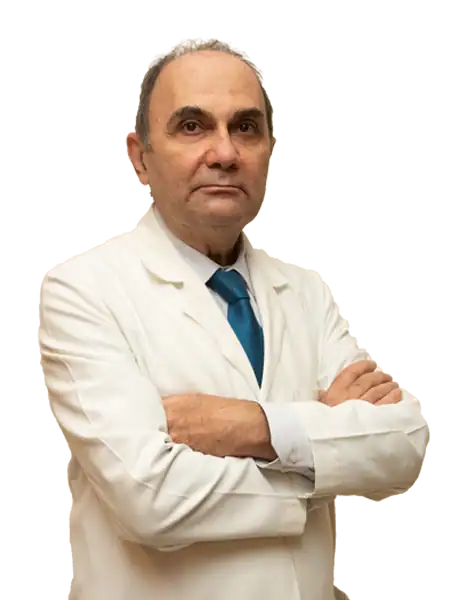
Prof. Dr. Ali Aydınlar
Cardiology
Prof. Dr. Alper Özkan
Cardiology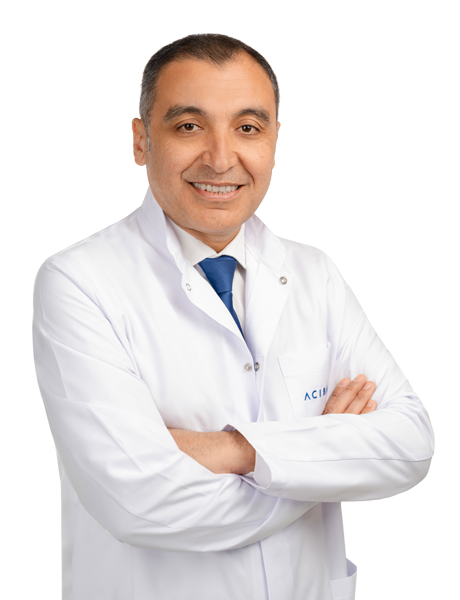
Prof. Dr. Barış Kılıçaslan
Cardiology
Prof. Dr. Bekir Sıtkı Cebeci
Cardiology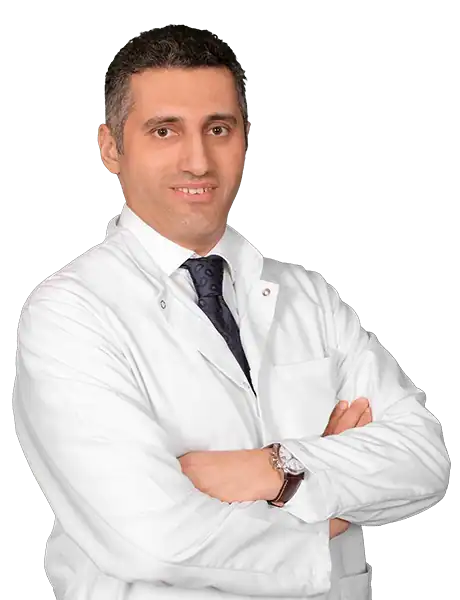
Prof. Dr. Burak Pamukçu
Cardiology
Prof. Dr. Cahide Soydaş Çınar
Cardiology