Neuroinfectious Diseases: When Infections Affect the Brain or Nerves

Neuroinfectious diseases can involve the brain, spinal cord, protective membranes, or peripheral nerves. Symptoms may include fever, severe headache, neck stiffness, confusion, seizures, weakness, numbness, or changes in consciousness.
Key Takeaways
- Neuroinfectious diseases can involve the brain, spinal cord, protective membranes, or peripheral nerves.
- Symptoms may include fever, severe headache, neck stiffness, confusion, seizures, weakness, numbness, or changes in consciousness.
- Diagnosis often requires neurological examination, blood tests, imaging, and sometimes lumbar puncture to test cerebrospinal fluid.
- Treatment depends on the cause and may include antiviral, antibacterial, antifungal, or antiparasitic medicines, along with supportive care.
- Vaccination, mosquito and tick protection, food safety, and timely medical care can help prevent some infections.
- Urgent medical assessment is important when neurological symptoms appear suddenly or progress quickly.
Neuroinfectious diseases occur when viruses, bacteria, fungi, parasites, or immune responses to infection affect the brain, spinal cord, meninges, or peripheral nerves. Early recognition and appropriate treatment can reduce the risk of complications and support recovery.
Overview
Neuroinfectious diseases are infections that affect the nervous system. This may include the brain, spinal cord, meninges, which are the protective membranes around the brain and spinal cord, or the peripheral nerves that carry signals to and from the body. These infections can be caused by viruses, bacteria, fungi, parasites, or, in some cases, by an immune reaction triggered by an infection elsewhere in the body.
Common examples include meningitis, encephalitis, brain abscess, spinal infections, and certain nerve infections such as shingles-related nerve pain. Some infections develop quickly and require emergency treatment, while others progress gradually over days, weeks, or months. The outlook varies depending on the organism involved, the patient’s age and immune status, how early treatment begins, and whether complications are present.
Although the term can sound concerning, many neuroinfectious diseases are treatable, especially when diagnosed promptly. Medical teams usually combine infectious disease expertise with neurology, radiology, intensive care, rehabilitation, and laboratory medicine to identify the cause and protect nervous system function.
Types of Neuroinfectious Diseases
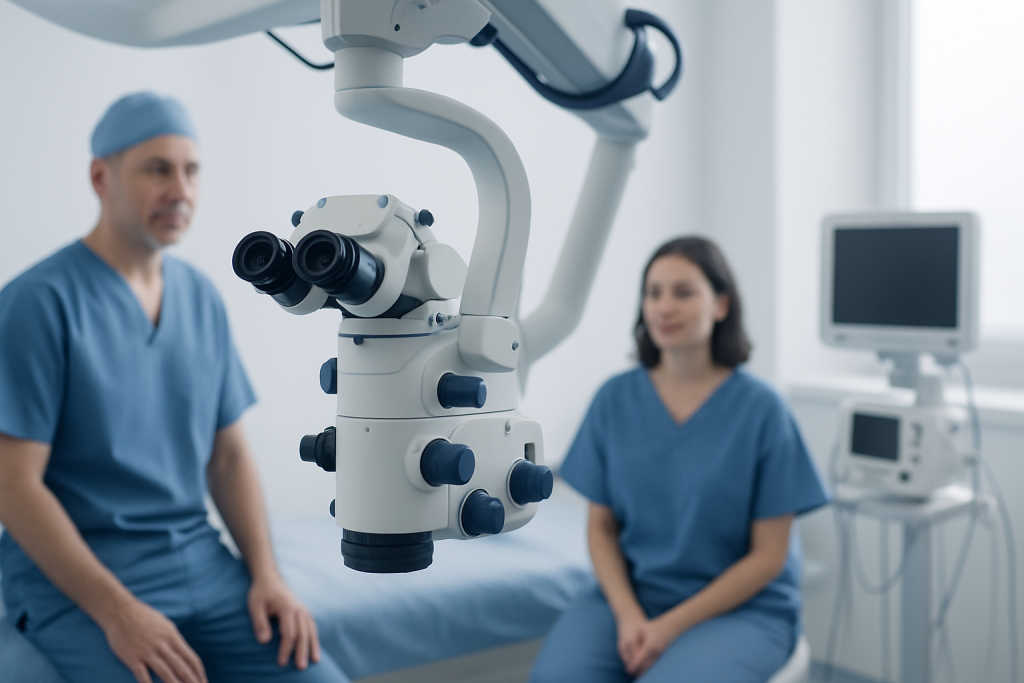
Neuroinfectious diseases are often classified by the part of the nervous system involved. Meningitis affects the meninges and can cause fever, headache, and neck stiffness. Encephalitis affects the brain tissue itself and may cause confusion, seizures, behavioral changes, or reduced alertness. Meningoencephalitis means that both the meninges and brain tissue are inflamed.
Other types include myelitis, which affects the spinal cord and may cause weakness, numbness, or bladder and bowel changes. A brain abscess is a pocket of infection within the brain, usually bacterial or fungal, that may develop from bloodstream spread, sinus or ear infections, dental infections, or after trauma or surgery. Peripheral nerve infections may affect individual nerves or nerve roots and can cause pain, tingling, weakness, or altered sensation.
Some conditions are not caused by an active infection in the nervous system but are related to infection-triggered inflammation. For example, certain post-infectious syndromes can occur when the immune system reacts after a respiratory or gastrointestinal infection. Doctors carefully distinguish active infection from immune-mediated inflammation because the treatments may be different.
Symptoms and Warning Signs
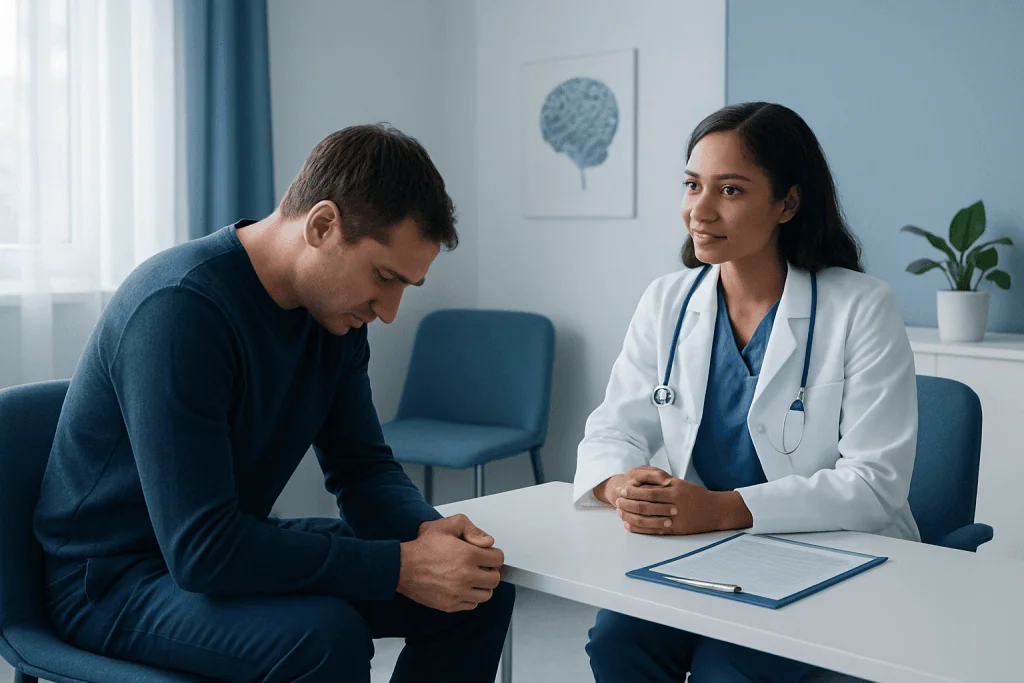
Symptoms depend on the location and severity of infection. A person may feel generally unwell at first, with fever, fatigue, muscle aches, nausea, or light sensitivity. When the brain or meninges are involved, symptoms may include a severe or persistent headache, neck stiffness, confusion, sleepiness, vomiting, sensitivity to light, seizures, or difficulty speaking.
When the spinal cord or peripheral nerves are affected, symptoms can include weakness in the arms or legs, numbness, tingling, burning pain, balance problems, facial weakness, vision changes, or difficulty passing urine. In infants and young children, signs may be less specific and can include poor feeding, irritability, unusual sleepiness, a high-pitched cry, fever, or a bulging soft spot on the head.
Symptoms that suggest a potentially serious nervous system infection include:
- Fever with severe headache, stiff neck, confusion, or rash
- New seizures or loss of consciousness
- Sudden weakness, numbness, vision loss, or speech difficulty
- Rapidly worsening drowsiness or unusual behavior
- Severe back pain with weakness, numbness, or bladder changes
- Neurological symptoms in a person with a weakened immune system
Causes and Risk Factors
Viruses are among the most common causes of nervous system infections. Examples include herpes simplex virus, varicella-zoster virus, enteroviruses, influenza-related complications, and mosquito-borne viruses in some regions. Viral infections may range from mild meningitis to severe encephalitis, depending on the virus and the patient’s immune response.
Bacterial infections can cause meningitis, brain abscess, spinal epidural abscess, or infections related to the bloodstream, sinuses, ears, lungs, heart valves, or medical procedures. Fungal and parasitic infections are less common in many settings but are important considerations, especially in people with weakened immunity, certain travel exposures, or environmental risks.
Risk factors include very young or older age, pregnancy, diabetes, cancer treatment, organ transplantation, HIV infection, use of immune-suppressing medicines, incomplete vaccination, recent neurosurgery, head trauma, chronic ear or sinus infections, and travel or residence in areas where specific mosquito-borne, tick-borne, or parasitic infections occur. Exposure history is important; doctors may ask about recent travel, insect bites, animal contact, food and water safety, sick contacts, sexual history, and occupation.
Diagnosis
Diagnosis begins with a careful medical history and neurological examination. The doctor assesses mental status, speech, eye movements, strength, sensation, reflexes, coordination, and signs of meningeal irritation. Because some symptoms overlap with stroke, migraine, autoimmune disease, metabolic problems, or tumors, testing is often needed to confirm the cause.
Blood tests may look for signs of inflammation, blood infection, immune status, organ function, and specific organisms. Imaging such as computed tomography or magnetic resonance imaging can help detect brain swelling, abscess, stroke-like changes, sinus or ear sources, spinal infection, or complications that may affect treatment decisions.
A lumbar puncture, also called a spinal tap, is commonly used when meningitis or encephalitis is suspected and it is safe to perform. This test collects cerebrospinal fluid, the fluid surrounding the brain and spinal cord, to check cell counts, protein, glucose, cultures, and molecular tests for viruses, bacteria, fungi, or parasites. In selected cases, electroencephalography may be used to evaluate seizures or brain activity, and additional tests may be ordered based on exposure history and immune status.
Treatment Options
Treatment depends on the suspected or confirmed cause and is often started before all test results are available, especially if meningitis, encephalitis, or brain abscess is possible. Bacterial infections are usually treated with antibiotics chosen according to the likely organisms, age, medical history, and local resistance patterns. Viral infections may require antiviral therapy when effective treatment exists, such as for herpes viruses.
Fungal and parasitic infections require specific medicines and sometimes longer courses of treatment. If a brain abscess or spinal abscess is present, treatment may include antimicrobial medication and, in some cases, drainage or surgery. Doctors also treat complications such as seizures, brain swelling, dehydration, breathing problems, or low blood pressure. Some patients need monitoring in a hospital or intensive care unit.
Supportive care is an important part of recovery. This may include pain and fever control, seizure management, nutrition, physical therapy, speech therapy, occupational therapy, and rehabilitation for weakness, balance problems, memory difficulties, or swallowing issues. The care plan is individualized, and follow-up may involve repeat imaging, laboratory monitoring, and assessment of neurological recovery over time.
Prevention and Self-care
Not all neuroinfectious diseases can be prevented, but several practical steps can reduce risk. Vaccination is one of the most effective tools against certain infections that can affect the nervous system, including some causes of meningitis, measles, mumps, influenza complications, varicella, and Japanese encephalitis or rabies in specific travel or exposure situations. Patients should ask a healthcare professional which vaccines are appropriate for their age, health status, and travel plans.
Good hygiene and infection prevention habits also help. These include regular handwashing, safe food and water practices, avoiding close contact with people who are acutely ill when possible, and seeking care for persistent ear, sinus, dental, or skin infections. People with weakened immune systems should follow individualized guidance about food safety, animal exposure, and avoiding environmental sources of fungal infection.
Protection from mosquitoes and ticks is important in areas where vector-borne infections occur. Useful steps include wearing long sleeves and trousers, using recommended insect repellents, checking the skin for ticks after outdoor activities, and reducing standing water around the home. During travel, pre-travel medical advice can help identify region-specific risks and preventive measures.
When to See a Doctor
Medical attention should be sought promptly for fever with severe headache, neck stiffness, confusion, seizures, fainting, new weakness, numbness, vision changes, or rapidly worsening drowsiness. Emergency care is especially important for infants, older adults, pregnant patients, and people with weakened immune systems, because symptoms may progress more quickly or appear less typical.
A doctor should also evaluate persistent neurological symptoms after an infection, such as ongoing weakness, nerve pain, memory problems, balance difficulty, or changes in bladder function. Early assessment can help distinguish active infection from inflammation, medication effects, or other neurological conditions and can guide treatment or rehabilitation.
For international patients, Acibadem International offers access to multidisciplinary specialists and JCI-accredited hospitals for the diagnosis and treatment of complex infections affecting the nervous system. Any person with suspected neuroinfectious disease should follow urgent local medical advice and avoid delaying care while arranging travel.
Frequently asked questions
What are neuroinfectious diseases?
Neuroinfectious diseases are infections that involve the brain, spinal cord, meninges, or peripheral nerves. They may be caused by viruses, bacteria, fungi, parasites, or infection-related immune inflammation. Common examples include meningitis, encephalitis, brain abscess, and some spinal or nerve infections.
Are neuroinfectious diseases contagious?
Some infections that can lead to neuroinfectious disease may spread from person to person, while others come from mosquitoes, ticks, food, water, animals, or the environment. Meningitis can have several causes, and only some types are contagious. A healthcare professional can advise whether close contacts need testing, vaccination, or preventive medicine.
How do doctors know if an infection has reached the brain or nerves?
Doctors use the patient’s symptoms, neurological examination, blood tests, imaging, and sometimes lumbar puncture to examine cerebrospinal fluid. MRI or CT scans may show inflammation, swelling, abscess, or other complications. Laboratory tests can help identify the organism and guide treatment.
Can neuroinfectious diseases be cured?
Many neuroinfectious diseases can be treated effectively, especially when care begins early. The chance of full recovery depends on the cause, severity, patient age, immune status, and whether complications occurred. Some people need rehabilitation or follow-up care for lingering symptoms.
What is the difference between meningitis and encephalitis?
Meningitis is inflammation or infection of the membranes surrounding the brain and spinal cord. Encephalitis is inflammation or infection of the brain tissue itself. They can occur separately or together, and both require medical evaluation when suspected.
When is a headache a warning sign of a nervous system infection?
A headache needs urgent medical attention if it is severe or unusual and occurs with fever, stiff neck, confusion, seizures, fainting, rash, weakness, or vision changes. Headache with rapid worsening drowsiness or behavior change is also concerning. It is safer to seek prompt assessment than to wait when neurological symptoms are present.
References
- World Health Organization
- Centers for Disease Control and Prevention
- European Centre for Disease Prevention and Control
- Infectious Diseases Society of America
- National Institute of Neurological Disorders and Stroke
This article is for general information only and is not a substitute for professional medical advice. Please consult a qualified doctor about your individual situation.
Neuroinfectious Diseases in Turkey — costs, top hospitals & a free quote
JCI-accredited · board-certified surgeons · reply within 24h