Neuroinfectious Diseases Treatment
Neuroinfectious diseases are infections affecting the brain, spinal cord, nerves, or surrounding tissues. Care focuses on rapid diagnosis, targeted antimicrobial treatment, and prevention of neurological complications.
Quick answer
Neuroinfectious diseases are infections of the brain, spinal cord, their surrounding membranes or the peripheral nerves, caused by bacteria, viruses, fungi or parasites. Care combines urgent antimicrobial treatment with precise diagnosis through imaging, blood tests and cerebrospinal fluid analysis. Treatment ranges from short supportive care for some viral meningitis cases to months of medication, and sometimes surgery, for abscesses or tuberculous infection.
Neuroinfectious Diseases: Infections of the Brain, Spinal Cord and Nerves
Neuroinfectious diseases are infections that involve the brain, the spinal cord, the protective membranes that surround them, or the nerves that run through the rest of the body. They include familiar emergencies such as bacterial meningitis and herpes encephalitis, as well as slower conditions such as neurotuberculosis and fungal infections of the nervous system. Care for neuroinfectious diseases is aimed at anyone with a suspected or confirmed infection affecting neurological structures, whether the illness began hours ago or has been developing quietly for months.
These conditions can be frightening because they affect the parts of the body that control thought, movement, sensation, breathing, memory and independence. A fever with confusion, a severe headache, neck stiffness, sudden weakness, a seizure, vision changes or a rapidly worsening neurological symptom raises urgent questions. Is this meningitis? Could it be encephalitis? Is there an infection in the spine? Will there be lasting damage? Those questions deserve straight answers, and this page sets out what is known, what remains uncertain and how care actually proceeds, step by step.
For patients and families, the anxiety is often doubled by uncertainty. You may be trying to understand complex test results, compare medical opinions or seek a second opinion when symptoms are not improving. Neuroinfectious diseases demand a careful balance: treatment often must begin quickly, but it must also be precise. Some infections need antibiotics, others antiviral or antifungal medication, and some conditions that look infectious turn out to be autoimmune, inflammatory, vascular or cancer-related. Getting that distinction right is the central task of this field.
Care rests on three priorities: identifying the cause as early as possible, treating the infection with the right medication at the right dose, and protecting the nervous system from complications. The brain, spinal cord and nerves are sensitive to inflammation and pressure, so even a short delay in diagnosis can change the course of an illness. At the same time, unnecessary or incomplete treatment exposes a patient to side effects without addressing the underlying problem. Neither speed nor caution alone is enough; both are needed together.
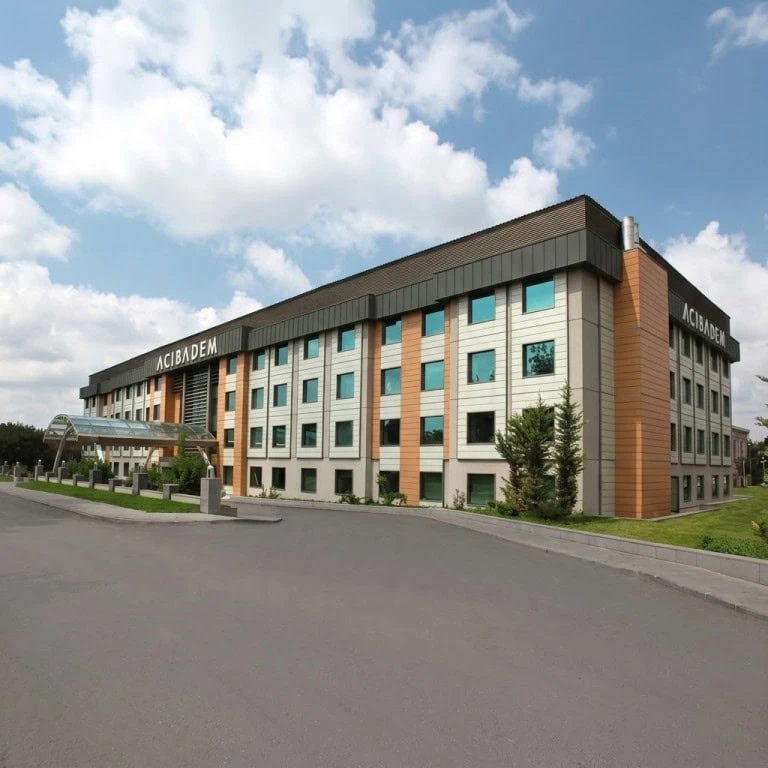
At Acibadem, patients with suspected or confirmed neuroinfectious diseases are evaluated through coordinated care involving neurology, the Infectious Diseases Department, neuroradiology, neurosurgery, intensive care, microbiology and rehabilitation as needed. The aim is not only to treat the infection, but to understand the full medical picture: immune status, prior treatments, travel history, exposures, chronic illnesses and how the nervous system was functioning before the infection began.
What causes neuroinfectious diseases?
Neuroinfectious diseases are caused by bacteria, viruses, fungi, parasites or, less commonly, unusual organisms linked to specific immune conditions or geographic exposures. Some develop suddenly and progress over hours; bacterial meningitis is the clearest example. Others evolve over days, weeks or months and produce subtle symptoms such as personality change, memory problems, imbalance, fatigue or unexplained pain. The route of entry varies too. Organisms may reach the nervous system through the bloodstream, spread from a nearby infection in the ear, sinuses or teeth, enter after trauma or surgery, or, in rare cases, travel along nerves themselves. Knowing the likely route helps clinicians decide where to look and what to test.
What Neuroinfectious Disease Care Is
Neuroinfectious disease care is the diagnosis, treatment and follow-up of infections that affect the central or peripheral nervous system. The central nervous system includes the brain and spinal cord. The peripheral nervous system includes the nerves outside them: cranial nerves, nerve roots and the peripheral nerves that supply the limbs and organs. Infections may also involve the protective membranes around the brain and spinal cord, known as the meninges, or adjacent structures such as the skull, spine, sinuses, ear, blood vessels or implanted medical devices such as shunts and spinal hardware.
Treatment is tailored to the suspected or confirmed cause. In many urgent situations, doctors begin broad antimicrobial therapy before all test results are available, then refine treatment once laboratory, imaging and clinical data clarify the diagnosis. This approach matters most in conditions such as bacterial meningitis, herpes encephalitis, brain abscess and spinal epidural abscess, where early treatment can reduce the risk of serious neurological injury. Starting broadly and narrowing later is not indecision; it is the accepted way to protect a patient while the evidence is still arriving.
Neuroinfectious disease care also includes management of complications. These may include seizures, brain swelling, hydrocephalus, inflammation of blood vessels, stroke, hearing loss, weakness, neuropathic pain, cognitive changes or spinal cord compression. For some patients, recovery continues long after the infection itself is controlled, requiring rehabilitation, medication adjustment by the treating team, neuropsychological support or long-term monitoring. A treatment plan that stops at the last dose of antibiotics is an incomplete plan.
What are some diseases that affect the nervous system?
Diseases that affect the nervous system include infections, meningitis, encephalitis, brain abscess, spinal epidural abscess, neurotuberculosis and nerve infections, alongside a much wider group of non-infectious conditions. That wider group includes stroke, epilepsy, migraine and other headache disorders, neurodegenerative diseases such as Parkinson’s disease and Alzheimer’s disease, demyelinating conditions such as multiple sclerosis, and disorders of the nerves and muscles. Part of the skill in neuroinfectious disease care is separating infection from these look-alikes, because an inflamed brain, a brain lesion or a painful spine can have several very different explanations, each needing a different treatment.
Who May Need Evaluation for a Neuroinfectious Disease
A neuroinfectious disease may be suspected when symptoms suggest that an infection is affecting the nervous system directly or causing inflammation around it. Some patients arrive through an emergency department with sudden, severe symptoms. Others are referred after weeks of unexplained neurological complaints, abnormal imaging findings or an incomplete response to previous treatment. Both routes are common, and neither should be dismissed as less serious than the other.
Common warning signs include fever with severe headache, neck stiffness, sensitivity to light, confusion, drowsiness, seizure, new weakness, speech difficulty, balance problems, double vision, facial drooping, numbness, severe back pain with fever, bladder or bowel changes, and rapidly progressive nerve pain. In infants, older adults and people with weakened immune systems, the picture is often less typical. Fever may be absent, and the first sign may be lethargy, irritability, decreased appetite, falls, delirium or the apparent worsening of a known neurological condition. This is one reason these groups are assessed with particular care.
How are neuroinfectious diseases diagnosed?
Neuroinfectious diseases are diagnosed through a combination of medical history, neurological examination, blood tests, imaging of the brain or spine, and, when safe and appropriate, analysis of cerebrospinal fluid. Physicians ask about the timing of symptoms, recent infections, vaccines, travel, animal or insect exposure, tuberculosis contact, sexual history when relevant, immune-suppressing medications, cancer treatment, organ transplantation, HIV status, prior neurosurgery, implanted devices and recent antibiotic use. These details narrow the list of possible causes considerably before a single test is ordered, and they determine which of the many available tests are actually worth doing.
What does a lumbar puncture show?
A lumbar puncture provides a sample of cerebrospinal fluid, the liquid that surrounds the brain and spinal cord, and it remains central to many meningitis and encephalitis evaluations. The fluid can be examined for cell counts, protein, glucose, cultures, molecular tests that detect viral or bacterial DNA or RNA, fungal markers, antibody patterns and other disease-specific indicators. In selected patients, imaging is performed first, particularly where there are signs of raised pressure, focal neurological deficits or immune suppression, to confirm the procedure is safe. When imaging shows a mass, abscess or spinal collection, additional procedures may be needed to obtain a tissue sample or relieve pressure, because fluid analysis alone cannot always give the answer.
Because many neuroinfectious diseases overlap with non-infectious conditions, the diagnostic process also weighs autoimmune encephalitis, demyelinating disease, stroke, cancer, medication reactions, metabolic problems and systemic inflammatory disorders. A precise diagnosis protects patients in both directions: it prevents undertreatment of a dangerous infection, and it prevents weeks of antimicrobial therapy for a condition that was never infectious at all.
Conditions Treated in Neuroinfectious Disease Care
Neuroinfectious disease care covers a broad range of conditions, from common emergencies to rare infections that require highly specialised testing. The treatment depends on where the infection sits, which organism is involved, the patient’s immune status and whether complications require procedural or surgical care. The conditions below are the ones most often managed in this field.
Meningitis
Meningitis is inflammation or infection of the membranes surrounding the brain and spinal cord. It may be bacterial, viral, fungal, tuberculous or related to other causes. Bacterial meningitis is treated as an emergency because it can progress rapidly, and antibiotic treatment typically begins before the responsible organism is confirmed. Viral meningitis may run a milder course in some cases, but certain viral causes require urgent antiviral therapy, and the two cannot be reliably told apart without testing. The classic combination of fever, headache and neck stiffness is not always present, especially at the extremes of age.
Encephalitis
Encephalitis is inflammation of the brain tissue itself, often causing confusion, behavioural change, seizures, memory problems or reduced consciousness. Herpes simplex virus is one important treatable cause, which is why antiviral medication is often started early while testing continues. Many other viruses can produce a similar picture, and so can autoimmune conditions in which the immune system attacks the brain. Distinguishing infectious from autoimmune encephalitis is one of the most consequential decisions in this field, because the treatments point in different directions.
Brain abscess
A brain abscess is a localised collection of infection within the brain. It may arise from ear, sinus or dental infections, from bloodstream infection, after trauma or surgery, or in the setting of immune suppression. Treatment usually combines antimicrobial therapy with neurosurgical evaluation, particularly when the abscess is large, causing pressure on surrounding brain tissue or failing to respond to medication alone. Drainage serves two purposes: it relieves pressure and it identifies the organism, which allows treatment to be targeted rather than guessed.
Spinal epidural abscess
A spinal epidural abscess is an infection in the space around the spinal cord and nerve roots. It can cause fever, severe back pain, weakness, numbness or bladder and bowel dysfunction, though early on it may present as back pain alone. Rapid diagnosis matters because compression of the spinal cord or nerves can leave lasting deficits, and the window for preventing them is measured in hours to days rather than weeks. Management often involves both antimicrobial therapy and a surgical decision about decompression.
Neurotuberculosis
Neurotuberculosis is tuberculosis involving the meninges, brain, spine or spinal cord. It typically develops gradually, which makes it easy to mistake for other chronic conditions, and it usually requires prolonged combination treatment over many months. Early recognition is particularly important for patients from regions where tuberculosis is more common and for people with immune compromise, in whom the disease can advance with few warning signs. Spinal tuberculosis can additionally threaten the stability of the vertebrae, bringing surgeons into the discussion.
Neuroborreliosis, neurosyphilis and other spirochaetal infections
Neuroborreliosis is the nervous system form of Lyme disease, transmitted by tick bite, and it can cause facial weakness, painful inflammation of nerve roots or a lymphocytic meningitis weeks after the initial infection, sometimes without the patient ever noticing a rash. Neurosyphilis, by contrast, can appear years or even decades after the original infection, affecting the meninges, blood vessels, spinal cord or cognition. Both conditions matter because they are treatable with antibiotics and because they imitate other neurological diseases so convincingly. Diagnosis rests on blood serology combined with cerebrospinal fluid analysis, and the exposure history, where a patient has lived, travelled and what remains untested, often decides whether these infections are considered at all.
Varicella zoster and other reactivating viruses
Some viruses remain dormant in the body after childhood infection and reactivate later in life. Varicella zoster virus, the cause of chickenpox, can reawaken as shingles and, in some patients, go on to cause persistent nerve pain, inflammation of blood vessels in the brain, facial nerve involvement or, rarely, encephalitis or myelitis. In immunocompromised patients, viruses such as cytomegalovirus can attack the retina, nerve roots or brain. Recognising a reactivating virus changes management, because the treatment is antiviral rather than antibacterial, and because immune status shapes both the risk of complications and the length of therapy.
Fungal and parasitic infections
Fungal and parasitic infections of the nervous system are less common but occur in immunocompromised patients, after certain environmental exposures or in relation to specific geographic regions. Cryptococcal meningitis and neurocysticercosis are examples clinicians actively consider when the history fits. These infections often require specialised laboratory testing to confirm, and treatment courses tend to be longer than for bacterial disease, with closer monitoring for medication side effects and for relapse after treatment ends.
Device-related and post-surgical infections
Device-related and post-surgical infections may involve shunts, drains, spinal hardware, neurosurgical wounds or other implanted devices. Bacteria can form films on artificial surfaces that shield them from antibiotics, which is why management requires coordination between infectious disease specialists and neurosurgeons to decide whether antimicrobial treatment alone is sufficient or whether the device must be removed or revised. These decisions balance the risks of further surgery against the risk of an infection that never fully clears.
Peripheral nerve infections and post-infectious neuropathies
Peripheral nerve infections and inflammatory neuropathies triggered by infection can cause weakness, numbness, pain or autonomic symptoms such as blood pressure instability. Some result from direct infection of the nerves; others are immune-mediated responses that follow an infection elsewhere in the body. Distinguishing between these mechanisms is essential because the treatments differ fundamentally, one targets an organism, the other calms an immune response. Evaluation often overlaps with the broader field of neuromuscular diseases, where nerve conduction studies and related testing help localise the problem.
How Neuroinfectious Disease Care Is Performed
Evaluation and treatment are organised according to urgency. If symptoms suggest a life-threatening infection, treatment begins immediately while diagnostic tests are still under way. If the condition is chronic or unclear, physicians take a more staged approach: reviewing previous records, repeating key studies and planning targeted testing. A typical pathway includes the following steps, though the order compresses dramatically in emergencies:
- Rapid assessment of neurological function and overall medical stability.
- Stabilisation of breathing, circulation, seizures and pressure inside the skull where needed.
- Imaging of the brain or spine and collection of blood and, where appropriate, cerebrospinal fluid.
- Empirical antimicrobial therapy when a dangerous infection is suspected.
- Refinement of treatment as culture, molecular and imaging results return.
- Management of complications, rehabilitation planning and structured follow-up.
Initial assessment and stabilisation
The first step is to assess neurological status and overall stability. Doctors evaluate consciousness, orientation, speech, eye movements, strength, sensation, coordination, reflexes and signs of meningeal or spinal cord involvement. Vital signs, oxygen levels, circulation, hydration and organ function are checked at the same time, because a nervous system infection is often part of a wider systemic illness. In severe cases, patients need intensive care monitoring, seizure control, respiratory support or medications to manage blood pressure, brain swelling or systemic infection. Nothing else in the pathway matters if this stage is skipped.
Diagnostic planning
Modern diagnosis combines imaging, laboratory testing and clinical pattern recognition. Brain or spine imaging can identify inflammation, abscess, swelling, hydrocephalus, stroke, spinal cord compression or infection around the spine, and advanced imaging techniques help distinguish infection from tumour, inflammatory disease or vascular conditions. Laboratory studies typically include blood counts, kidney and liver function, inflammatory markers, blood cultures and tests directed by the suspected diagnosis. Molecular tests can detect the genetic material of specific organisms faster than traditional cultures in some situations; serology, antigen tests, fungal studies, tuberculosis tests and immune markers are added as the clinical picture demands. The goal is a short, well-chosen list of tests rather than an exhaustive one.
Starting antimicrobial treatment
When a serious infection is suspected, physicians start antimicrobial treatment before the exact organism is known. This may mean intravenous antibiotics, antiviral medication, antifungal treatment or anti-tuberculosis therapy, depending on the likely cause. Once results arrive, the treating team adjusts therapy to the organism, its drug sensitivity, how well each drug penetrates the nervous system, the patient’s allergies, kidney and liver function, pregnancy status where relevant, and interactions with other medications the patient takes.
For nervous system infections, medication selection is more complex than for infections elsewhere in the body. Drugs must reach effective levels in the cerebrospinal fluid or the infected tissue itself, so dosing may be higher or more frequent than patients expect, and treatment may last days, weeks or months depending on the diagnosis. Regular monitoring, blood tests, clinical review and sometimes repeat imaging, tracks the response and catches side effects early. Any change to the regimen is a decision for the treating physicians, made on the basis of that monitoring.
Procedures and surgical coordination when needed
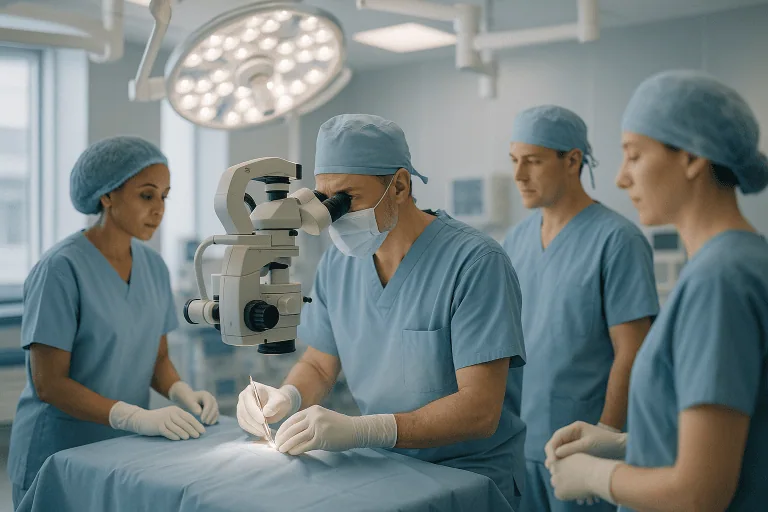
Some neuroinfectious diseases require more than medication. A lumbar puncture may be used to obtain cerebrospinal fluid for diagnosis and, in select circumstances, to help assess pressure. Drainage of an abscess, biopsy of an abnormal lesion, removal or revision of infected hardware, treatment of hydrocephalus or decompression of pressure on the spinal cord may each become necessary. These decisions are made through collaboration among infectious disease physicians, neurologists, neurosurgeons, radiologists and intensivists, weighing the risks of intervention against the risks of continuing with medication alone. There is rarely a single right answer that applies to every patient with the same diagnosis.
Technology used in care
The technologies used in neuroinfectious disease care are designed to shorten the time to diagnosis, sharpen anatomical detail and support safe treatment. High-resolution brain and spine imaging locates infection, swelling, fluid collections and pressure on neural structures. Laboratory platforms include culture systems, molecular diagnostics, antigen testing and immune-based assays. Neurophysiology tests such as electroencephalography are used when seizures or unexplained changes in consciousness are a concern, and continuous monitoring in intensive care detects changes in neurological and systemic status between examinations.
Technology does not replace clinical judgement. Its value is strongest when results are interpreted in the context of the patient’s symptoms, immune status, imaging pattern, exposure history and response to treatment. This is why neuroinfectious disease care is managed through multidisciplinary discussion rather than isolated test interpretation: a laboratory result that contradicts the clinical picture is a prompt for more thinking, not an automatic change of course.
How long does treatment for a nervous system infection take?
Treatment duration varies widely, from a short hospital stay to many months of therapy. Some viral meningitis cases need only brief inpatient observation and supportive care once dangerous causes are excluded. Bacterial meningitis, encephalitis, brain abscess, spinal epidural abscess, fungal infection and neurotuberculosis usually require longer inpatient care followed by extended medication courses at home or in outpatient settings. Patients who need intensive care, surgery or rehabilitation stay longer still. The timetable also has to accommodate follow-up testing and an uninterrupted medication supply after discharge, agreed with the treating team.
Recovery and follow-up
Recovery depends on the infection, how quickly treatment began, the patient’s age and general health, and whether complications occurred. Some people return steadily to their previous routines. Others experience fatigue, headaches, hearing changes, memory difficulty, mood symptoms, weakness, balance problems or nerve pain for a period after the infection is controlled, and these lingering symptoms are a recognised part of the illness rather than a sign that treatment failed. Follow-up may include neurological examinations, repeat imaging, blood tests, medication monitoring, hearing evaluation, cognitive assessment and rehabilitation therapy, tapering off as recovery consolidates.
Why Acting Early Matters
The nervous system has limited tolerance for infection, inflammation and pressure. Infections such as bacterial meningitis, herpes encephalitis, brain abscess and spinal epidural abscess can progress quickly, and early treatment can reduce the likelihood of severe complications. Delay allows inflammation, swelling, vascular injury or compression to worsen, and some of that damage does not reverse, however good the later treatment.
Delay also makes diagnosis harder. Partial treatment with antibiotics or antivirals before adequate cultures or cerebrospinal fluid studies can reduce the chance of ever identifying the organism, leaving clinicians to treat blind for the remainder of the course. In chronic infections, delayed recognition allows progressive neurological decline that may not be fully reversible even once the infection is controlled. Speed of recognition, in other words, protects both the patient and the accuracy of everything that follows.
Prompt evaluation matters most for patients with weakened immune systems: those receiving chemotherapy, transplant medications, long-term corticosteroids or biologic therapies, and people with advanced HIV infection. These patients can develop infections that are rare in the general population, and their symptoms may stay subtle until the disease is advanced. Early care does not always mean rushing to invasive procedures. It means recognising red flags, obtaining the right tests, starting appropriate treatment when necessary and escalating care if neurological function changes. In this field, timely decision-making is often one of the most important components of treatment itself.
Can neuroinfectious diseases be prevented?
Some neuroinfectious diseases can be prevented, at least in part. Vaccines exist against several of the organisms that cause meningitis and encephalitis, including meningococcus, pneumococcus, Haemophilus influenzae type b, measles, mumps, polio and, for travellers to certain regions, Japanese encephalitis, tick-borne encephalitis and rabies. Precautions against mosquito and tick bites reduce exposure to insect-borne encephalitis in regions where it occurs, and food and water hygiene matters for some parasitic infections. Prompt treatment of ear, sinus and dental infections removes a common source of brain abscess. None of these measures eliminates risk entirely, and vaccination decisions belong in a conversation with a doctor who knows the individual’s health and travel plans, but prevention remains an underused part of this field.
Benefits of Specialised Neuroinfectious Disease Treatment
The benefits of treatment depend on the diagnosis and its severity, but specialised care is designed to control the infection while protecting neurological function. The table below sets out what a structured, multidisciplinary approach offers in practice.
| Benefit | What It Means for You |
|---|---|
| Faster identification of the cause | A structured diagnostic pathway helps distinguish bacterial, viral, fungal, parasitic, tuberculous, inflammatory and non-infectious conditions that can look similar at first. |
| Targeted antimicrobial therapy | Treatment is adjusted to the organism, its drug sensitivity, nervous system penetration and your individual medical risks, avoiding unnecessary or ineffective medication. |
| Protection of neurological function | Early management of swelling, seizures, hydrocephalus, spinal compression or vascular complications may reduce the risk of lasting neurological injury. |
| Coordinated specialist input | Neurology, infectious diseases, neuroradiology, neurosurgery, intensive care and rehabilitation teams align their decisions when the condition is complex or changing rapidly. |
| Clear follow-up planning | Recovery may require repeat imaging, laboratory monitoring, rehabilitation or continued medication, and a clear plan helps patients transition safely after hospital care. |
Recovery Timeline After a Neuroinfectious Disease
Recovery varies from person to person, but the following timeline describes what many patients experience once treatment begins. It is a map of typical territory, not a schedule anyone is expected to keep.
| Time Period | What Patients Can Expect |
|---|---|
| Day 1 | Urgent assessment, neurological examination, blood tests, imaging and possibly a lumbar puncture. If a serious infection is suspected, antimicrobial treatment may begin before all results are final. |
| First Week | Doctors monitor fever, mental status, neurological signs, laboratory results and treatment response. Medications are refined as cultures, molecular tests and imaging findings become clearer. |
| First Month | Some patients complete treatment and return to normal activities gradually. Others continue intravenous or oral therapy, repeat imaging, rehabilitation or specialist follow-up, depending on the infection. |
| Longer Term | Patients with severe infection, encephalitis, abscess, spinal involvement or immune compromise may need ongoing monitoring for cognitive changes, weakness, seizures, hearing issues, relapse or medication side effects. |
Factors That Influence Outcomes
Outcomes in neuroinfectious diseases are shaped by several medical and timing-related factors, and understanding them honestly is more useful than reassurance. The most important is often how quickly an accurate diagnosis is considered and appropriate treatment begins. In rapidly progressive infections, hours can matter. In slower infections, the key is recognising an unusual pattern before irreversible damage develops.
The type of organism matters. Some viral infections resolve with supportive care alone, while others require urgent antiviral therapy. Bacterial infections often respond well when treated early with the right antibiotics but can cause serious complications when diagnosis is delayed. Fungal, parasitic and tuberculous infections usually require prolonged treatment and close monitoring. Drug resistance, or limited penetration of a given medication into the nervous system, can make treatment more complex and lengthen it further.
The location of the infection influences both symptoms and recovery. Meningitis, encephalitis, brain abscess, spinal epidural abscess, cranial nerve infection and peripheral nerve involvement each carry different risks. Infection near critical brain regions, the brainstem or the spinal cord demands particularly careful monitoring, because small anatomical changes in those areas can have major clinical effects.
The immune system is another major factor. People with normal immunity show different infection patterns and treatment responses than those with cancer, organ transplantation, autoimmune disease, HIV, advanced diabetes or immune-suppressing medication. In immunocompromised patients, doctors may need to search for more than one organism at a time, plan longer treatment courses and monitor more closely for recurrence after therapy ends.
Pre-existing health conditions affect recovery too. Kidney or liver disease can limit medication choices. Blood clotting disorders influence the safety of procedures such as lumbar puncture. A prior stroke, dementia, epilepsy, neuropathy or spinal disease can make it genuinely difficult to separate new symptoms from baseline function, which is why reviewing previous medical records, imaging and medication history carries real diagnostic value, especially for patients seeking a second opinion after treatment elsewhere.
Complications present at the start also count. Seizures, coma, hydrocephalus, stroke, hearing loss, spinal cord compression or widespread systemic infection lengthen recovery and increase the need for rehabilitation. Even when the infection is controlled, the nervous system needs time to heal. A good result is not only surviving the acute illness; it includes preserving independence, communication, mobility, cognition and quality of life as far as possible.
Finally, adherence to the treatment plan plays a practical role. Some patients need weeks of intravenous medication, careful blood monitoring or repeat imaging. Stopping treatment early or missing follow-up appointments can increase risk. This makes coordination between the treating team, the patient’s local physician and family caregivers especially important during the months after discharge.
Neuroinfectious Diseases and Other Neurological Conditions
Patients researching nervous system infections often encounter broader questions about neurology along the way. The answers below give context for how neuroinfectious diseases fit into the wider landscape of neurological illness, and why the distinction between infection and other diagnoses is drawn so carefully.
What is the most common neurological autoimmune disease?
Multiple sclerosis is widely regarded as the most common autoimmune disease of the central nervous system. It belongs to the group of demyelinating diseases, in which the immune system damages the insulating layer around nerve fibres. It matters here because demyelinating disease and neuroinfection can resemble each other on imaging and in symptoms, and because some autoimmune conditions of the brain are triggered by, or follow, an infection. Separating the two changes the entire direction of treatment: one calls for antimicrobial therapy, the other for immune-modulating treatment, and applying the wrong one can make matters worse.
What are the top 5 most common neurological disorders?
The neurological disorders most often cited as the most common worldwide are headache disorders including migraine, stroke, epilepsy, dementia including Alzheimer’s disease, and peripheral neuropathy. Nervous system infections are less common than these in most countries, but they punch above their weight in urgency: a headache from migraine and a headache from meningitis need entirely different responses, and it is the clinician’s job to tell them apart. This is also why persistent or changing neurological symptoms are always worth a proper medical assessment rather than self-diagnosis.
What are some common chronic neurological conditions and blood disorders?
Common chronic neurological conditions include epilepsy, multiple sclerosis, Parkinson’s disease and other neurodegenerative diseases, chronic migraine and long-standing peripheral neuropathy. Blood disorders intersect with neurology more often than many patients expect: vitamin B12 deficiency anaemia can damage the spinal cord and nerves, sickle cell disease raises the risk of stroke, and clotting disorders influence both the risk of vascular events and the safety of diagnostic procedures. For someone recovering from a neuroinfectious disease, any of these background conditions can shape medication choices, monitoring intensity and the pace of rehabilitation, which is why the full medical history is reviewed rather than the infection alone.
How Neuroinfectious Disease Care Is Organised at Acibadem
Neuroinfectious disease cases at Acibadem are managed through collaboration across specialties rather than by a single doctor working alone. Neurologists assess the nervous system and monitor neurological complications. Infectious disease physicians guide antimicrobial selection, duration and monitoring. Neuroradiologists interpret detailed brain and spine imaging. Neurosurgeons become involved when drainage, biopsy, decompression or device management is needed. Intensive care specialists support patients with reduced consciousness, seizures, respiratory issues or systemic infection. Rehabilitation physicians and therapists help patients regain strength, balance, speech, swallowing and cognitive function when recovery needs that support.
This multidisciplinary model matters most when the diagnosis is uncertain. Encephalitis may be infectious, autoimmune or both. A brain lesion may represent an abscess, a tumour, demyelination or another inflammatory process. Spinal pain with fever may be a musculoskeletal infection, an epidural abscess or another urgent condition. Case discussions and specialist boards ensure that test results are interpreted together rather than in isolation, and that a plan is revised when new evidence contradicts the first impression.
Diagnostic pathways draw on advanced imaging, microbiology, molecular testing, cerebrospinal fluid analysis, neurophysiological monitoring and intensive care observation when indicated. International, evidence-based treatment protocols guide care, while physicians adjust decisions for each patient’s immune status, medication tolerance, medical history and clinical response. The purpose is straightforward: identify the infection and its complications as accurately as possible, then adapt treatment as new information emerges rather than holding to an initial plan for its own sake.
Personalised planning is central because two patients with the same diagnostic label may need very different care. A young adult with viral meningitis, an older adult with confusion and suspected encephalitis, a transplant patient with a fungal brain infection and a patient with a spinal epidural abscess each require different diagnostic priorities, monitoring and recovery planning. The treatment plan may involve urgent medication, surgery, intensive care, rehabilitation or outpatient follow-up, depending on what the individual situation actually demands.
Second opinions are common in this field, and a thorough one reviews the existing imaging, laboratory results, discharge summaries and treatment records together, because in neuroinfectious disease the pattern across all the evidence often says more than any single result. When treatment continues after a patient leaves hospital, the medical team prepares documentation, imaging, laboratory results, medication details and follow-up recommendations, that supports continuity with the physicians who will follow the patient afterwards.
Living Through and Beyond a Nervous System Infection
Neuroinfectious diseases are complex, but a structured approach brings clarity. The right team looks beyond a single test result, considers the full clinical picture, begins treatment when the evidence warrants it and adjusts the plan as new information develops. For many patients, early and coordinated care improves the chance of controlling the infection and limiting neurological complications, and honest uncertainty, openly discussed, is part of good care rather than a failure of it.
Recovery is usually gradual rather than sudden. Energy, concentration and mood often lag behind the laboratory results, and a patient can be free of the organism while still working through the infection’s neurological after-effects. Rehabilitation, cognitive support and steady follow-up carry much of the load in this phase. Family members and caregivers play a practical role too: noticing changes, supporting medication schedules and helping the treating team see what daily function really looks like between appointments.
The closing phase of care is practical: completing the treatment course as planned, ensuring medication continuity, and handing over cleanly with complete documentation to the physicians who will continue follow-up. A well-managed neuroinfectious disease episode does not end at hospital discharge; it ends when the infection is controlled, the complications are addressed, and the patient’s independence, mobility, communication and quality of life have been protected as far as the illness allows.
Preparation
- Patients may need blood tests, lumbar puncture, brain or spine imaging, and review of vaccination, travel, immune status, and medication history. Bring previous test results and report fever, headache, confusion, seizures, weakness, or recent infections promptly. Treatment should not be delayed when meningitis or encephalitis is suspected.
Aftercare
- Aftercare may include completing antiviral, antibacterial, antifungal, or antiparasitic treatment exactly as prescribed. Follow-up visits monitor neurological recovery, laboratory results, medication side effects, and possible relapse. Rehabilitation, seizure management, or specialist follow-up may be needed if complications occur.
Frequently Asked Questions
What affects the cost of neuroinfectious disease treatment?
The main factors are the suspected infection, urgency, diagnostic tests, need for admission or intensive care, medicines used, specialist involvement, and management of complications. International travel support, interpreter services, and follow-up planning can also affect the total estimate.
Can I receive a fixed package price for neuroinfectious disease care?
A fixed package may be possible for a planned diagnostic consultation or follow-up visit, but acute neuroinfections are often unpredictable. Final costs may change if additional tests, inpatient care, intensive care, or procedures become medically necessary.
How can I get a personalised quote from Acibadem?
You can request a free consultation and share medical reports, imaging, laboratory results, discharge summaries, and current medications. A specialist review helps the international patient team prepare a personalised estimate based on your clinical needs.
Is urgent treatment always required?
Many neuroinfectious diseases require prompt assessment because delays can increase the risk of neurological complications. If symptoms are severe or rapidly worsening, emergency medical care should be sought immediately rather than waiting for travel arrangements.
Does the quote include travel and interpreter support?
For international patients, the care team can advise on services such as interpreter support, appointment coordination, airport transfer, and accommodation guidance. What is included should be confirmed in the personalised estimate before travel.
Who decides which treatment option is suitable?
Suitability is decided by specialists such as neurology, infectious diseases, intensive care, neuroradiology, microbiology, or neurosurgery teams, depending on the case. The decision is based on symptoms, examination findings, test results, and the urgency of treatment.
Medically reviewed by the Acıbadem International Medical Board September 1, 2026
See our medical review board →
Update history
- PublishedJune 8, 2026
- Medical review approvedSeptember 1, 2026
- Last content updateSeptember 8, 2026
Trusted care for international patients
From the Acibadem Blog

Neuroinfectious Diseases Treatment: How Meningitis and Encephalitis Care Is Planned
A meningitis encephalitis treatment plan starts within minutes of suspicion, usually before tests confirm the cause. Doctors give intravenous antibiotics, and often an antiviral,…

What Do Lumbar Puncture, Imaging and Blood Tests Show in Neuroinfectious Disease Care?
In neuroinfectious disease care, a lumbar puncture samples cerebrospinal fluid, the clear liquid around the brain and spinal cord, so laboratories can count cells,…