

Hair Loss After Gastric Sleeve Surgery: Causes and When It Improves

Hair shedding after gastric sleeve surgery is most often telogen effluvium, a temporary shift in the hair growth cycle. It commonly begins a few months after surgery and often improves within 6 to 12 months as nutrition and weight stabilize.
Key Takeaways
- Hair shedding after gastric sleeve surgery is most often telogen effluvium, a temporary shift in the hair growth cycle.
- It commonly begins a few months after surgery and often improves within 6 to 12 months as nutrition and weight stabilize.
- Low protein intake, iron deficiency, zinc deficiency, vitamin B12 or folate problems, and inadequate calories can contribute.
- Patients should not stop bariatric vitamins or start high-dose supplements without medical advice.
- Patchy hair loss, scalp inflammation, severe fatigue, or prolonged shedding should be assessed by a qualified doctor.
Hair loss after gastric sleeve surgery is a common, usually temporary change that often reflects the body’s response to rapid weight loss and nutritional adjustment. With planned protein intake, prescribed supplements, regular blood tests, and follow-up care, hair shedding typically improves as weight loss stabilizes.
Overview
Hair loss after gastric sleeve surgery can be worrying, especially when it appears during a period of major physical and lifestyle change. In many patients, this shedding is not permanent baldness. It is most often a condition called telogen effluvium, in which more hairs than usual move into the resting and shedding phase of the hair cycle.
Gastric sleeve surgery reduces the size of the stomach and supports weight loss by limiting food intake and influencing appetite-related hormones. Because the body is adapting to surgery, lower calorie intake, and rapid weight loss, hair follicles may temporarily reduce active growth. This is a normal biological response to stress on the body, not a sign that the surgery has failed or that every patient will develop severe hair loss.
Hair shedding may be more noticeable in the shower, on a brush, on a pillow, or when styling the hair. For most people, the hair roots remain healthy, and regrowth occurs once the body is receiving enough protein, vitamins, minerals, and energy. The main goal is to protect nutrition during weight loss and to investigate any signs of deficiency or another scalp condition.
Why Hair Loss Happens After Gastric Sleeve Surgery
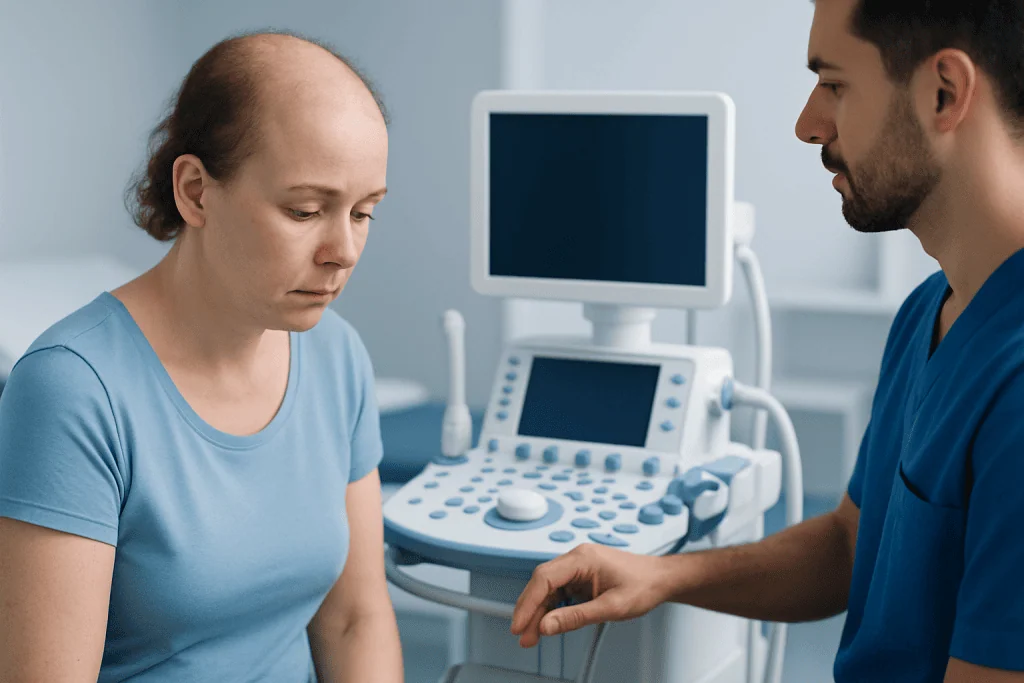
The most common cause of hair loss after gastric sleeve surgery is telogen effluvium. Hair normally grows in cycles: an active growth phase, a transition phase, and a resting phase. After a significant physical stressor such as surgery, rapid weight loss, illness, or a major change in nutrition, a higher number of hairs may enter the resting phase at the same time. These hairs are then shed weeks to months later.
After sleeve surgery, the body receives fewer calories and smaller portions. This is expected and part of the treatment plan, but it means every bite needs to provide strong nutritional value. If protein intake is too low, the body may prioritize essential functions such as organ repair, immune activity, and muscle maintenance rather than hair growth. Hair is not essential for survival, so follicles are sensitive to nutritional shortage.
Micronutrient levels also matter. Iron, zinc, vitamin B12, folate, vitamin D, and other nutrients play roles in cell division, oxygen transport, immune function, and healthy hair follicles. A deficiency does not always cause symptoms right away, so routine blood tests after bariatric surgery are important. In some patients, thyroid disease, hormonal changes, chronic inflammation, or hereditary hair thinning may also contribute and should be considered if shedding is heavy or prolonged.
Typical Timeline and Symptoms

Hair shedding after bariatric surgery often starts around 2 to 4 months after the operation, although the timing varies. This delay happens because hairs that entered the resting phase shortly after the physical stress of surgery do not fall out immediately. By the time shedding becomes noticeable, the trigger may have occurred several weeks earlier.
The pattern is usually diffuse, meaning hair comes out evenly across the scalp rather than in one small area. Patients may notice a thinner ponytail, more hair on clothing, or increased shedding during washing and combing. The scalp should usually look normal, without redness, scaling, pain, sores, or round bald patches.
In many cases, shedding slows as weight loss becomes less rapid and nutrition becomes more consistent. Improvement is often seen by 6 to 12 months after surgery, but regrowth takes time because hair grows gradually. Short new hairs around the hairline can be a reassuring sign that follicles are returning to the growth phase.
Hair loss that begins much later, continues beyond a year without improvement, or appears in patches may have another cause. Conditions such as alopecia areata, androgenetic alopecia, fungal infection, seborrheic dermatitis, thyroid disease, anemia, or medication-related shedding may require specific evaluation and treatment.
Nutrition Factors: Protein, Vitamins, and Minerals
Nutrition is one of the most important modifiable factors in gastric sleeve hair loss. After surgery, patients usually follow a staged eating plan that moves from liquids to purees, soft foods, and then regular textured foods. During this period, protein targets can be difficult to meet, especially if nausea, early fullness, taste changes, or food intolerance occurs.
Protein supports wound healing, immune function, muscle preservation, and hair structure. Bariatric teams often recommend that patients prioritize protein foods first at meals and use approved protein supplements if needed. The exact amount varies by individual, so it should be guided by the bariatric surgeon, dietitian, and the patient’s medical history.
Several nutrient gaps are commonly checked after bariatric surgery. These may include iron stores, vitamin B12, folate, vitamin D, calcium, zinc, and markers of overall protein status. Patients should take bariatric multivitamins and other prescribed supplements consistently, but they should avoid self-prescribing high-dose vitamins or minerals because excessive intake can also be harmful.
- Iron: Low iron stores can contribute to fatigue and hair shedding, particularly in people with menstrual blood loss or low dietary intake.
- Zinc: Zinc supports cell growth and immune function, but too much can interfere with copper balance.
- Vitamin B12 and folate: These nutrients support red blood cell production and normal cell division.
- Vitamin D and thyroid-related factors: Abnormal levels may be associated with general health changes that can affect hair and energy.
Diagnosis: How Doctors Check the Cause
A doctor or bariatric team usually begins with a careful history. They may ask when the shedding started, how quickly weight has changed, what the patient eats in a typical day, which supplements are being taken, and whether there are symptoms such as fatigue, dizziness, heavy periods, digestive problems, or scalp irritation. Medication changes and recent illnesses are also relevant.
The scalp and hair pattern can provide important clues. Diffuse shedding with a normal scalp is often consistent with telogen effluvium. Patchy hair loss, broken hairs, scaling, itching, or inflammation may suggest a dermatologic condition. If hereditary thinning is present, telogen effluvium may temporarily make it more visible.
Blood tests may be recommended to look for nutritional and medical contributors. Depending on the patient, testing may include a complete blood count, ferritin and iron studies, vitamin B12, folate, vitamin D, zinc, thyroid function, and protein-related markers. The goal is not only to identify deficiencies but also to correct them safely and monitor response over time.
Patients who have had a sleeve gastrectomy should keep scheduled follow-up visits even if they feel well. Nutritional deficiencies can develop quietly, and early detection is easier to manage than waiting until symptoms become more noticeable.
Treatment Options and Hair Care
Treatment depends on the cause. If shedding is typical telogen effluvium after surgery, the main approach is supportive care: adequate protein, sufficient calories within the bariatric plan, prescribed supplements, hydration, and regular follow-up. Once the trigger is corrected or weight loss stabilizes, the hair cycle gradually normalizes.
If blood tests show a deficiency, the doctor may recommend a specific supplement plan. This may include adjusting iron, vitamin B12, folate, vitamin D, zinc, or other nutrients according to test results and medical history. Patients should not double up on supplements or combine multiple hair formulas without approval, because overlapping ingredients can lead to excessive intake.
Gentle hair care can reduce breakage while shedding improves. Patients may benefit from avoiding tight hairstyles, harsh chemical treatments, frequent heat styling, aggressive brushing, and heavy extensions that pull on the scalp. Mild shampooing is safe; washing the hair does not cause permanent loss, although it may reveal hairs that were already ready to shed.
Some patients ask about topical hair growth treatments or dermatology procedures. These may be appropriate for certain types of hair loss, especially hereditary thinning, but they are not a substitute for correcting nutrition after bariatric surgery. A dermatologist can help distinguish temporary shedding from other hair disorders and recommend safe options.
Prevention and Self-Care During Weight Loss
Hair loss cannot always be fully prevented after gastric sleeve surgery, because the body’s response to surgery and rapid weight loss varies from person to person. However, the risk and severity may be reduced by following the bariatric nutrition plan closely. This includes attending dietitian appointments, progressing food textures as instructed, and choosing nutrient-dense foods.
Patients are usually advised to eat slowly, chew well, separate fluids from meals if instructed, and prioritize protein before low-nutrient snacks. If food intolerance, vomiting, or poor intake makes it difficult to meet nutrition goals, the bariatric team should be contacted early. Persistent vomiting or inability to maintain hydration should never be ignored.
Consistent supplementation is also essential. Bariatric vitamins are designed to meet needs after reduced intake and altered eating patterns. Regular blood monitoring allows the care team to adjust supplements based on evidence rather than guesswork.
Self-care also includes sleep, stress management, and realistic expectations. Hair shedding can affect confidence, but it is usually temporary. Taking photos every few months, rather than checking daily, may help patients notice gradual improvement and reduce anxiety about normal day-to-day variation.
When to See a Doctor
Patients should contact their bariatric team if hair shedding is heavy, distressing, or associated with poor intake, vomiting, rapid weakness, dizziness, severe fatigue, or signs of dehydration. Medical advice is also important if supplements have been missed for a long time or if the patient is unsure which products are safe after surgery.
A doctor or dermatologist should assess hair loss that is patchy, painful, itchy, scaly, or associated with redness, sores, or broken hairs. Evaluation is also recommended if shedding continues beyond 12 months without improvement, if there is a strong family history of patterned hair loss, or if the patient has symptoms of thyroid disease or anemia.
For international patients, Acibadem International provides access to multidisciplinary specialists in JCI-accredited hospitals who can evaluate nutrition, bariatric follow-up needs, and dermatologic causes of hair loss after weight loss surgery. Care should always be individualized, with treatment decisions based on the patient’s medical history, examination, and laboratory results.
Frequently asked questions
Is hair loss after gastric sleeve surgery permanent?
In most cases, it is not permanent. The most common cause is telogen effluvium, a temporary shedding pattern triggered by surgery, rapid weight loss, or nutritional stress. Hair usually improves as nutrition becomes stable and the body adapts.
When does hair loss usually start after gastric sleeve surgery?
Hair shedding often starts about 2 to 4 months after surgery. This delayed timing reflects the hair growth cycle, because hairs that enter the resting phase shed weeks later. The exact timing can vary from one patient to another.
When will hair grow back after gastric sleeve surgery?
Shedding often slows as weight loss becomes less rapid and nutrition improves. Many patients notice improvement within 6 to 12 months, although visible regrowth takes time. If shedding continues or worsens, medical evaluation is recommended.
Can protein help reduce hair loss after bariatric surgery?
Adequate protein is important because hair is made largely of protein and the body needs protein for healing and muscle maintenance after surgery. Patients should follow the protein goals provided by their bariatric dietitian or surgeon. If intake is difficult, the care team can suggest appropriate food strategies or supplements.
Should patients take biotin for hair loss after gastric sleeve surgery?
Biotin is commonly marketed for hair, but it does not correct all causes of shedding and is not a substitute for a complete bariatric supplement plan. High doses can also interfere with some laboratory tests. Patients should ask their doctor before starting biotin or any hair supplement.
What blood tests are useful for hair loss after weight loss surgery?
Doctors may check a complete blood count, ferritin and iron studies, vitamin B12, folate, vitamin D, zinc, thyroid function, and protein-related markers. The exact tests depend on symptoms, diet history, menstrual history, medications, and previous results. Testing helps guide safe and targeted treatment.
Can washing or brushing make post-surgery hair loss worse?
Normal washing and gentle brushing do not cause permanent hair loss. They may make shedding more visible because loose hairs are removed during grooming. Patients can reduce breakage by avoiding tight hairstyles, harsh chemical treatments, and excessive heat styling.
References
- American Society for Metabolic and Bariatric Surgery
- British Association of Dermatologists
- National Institute of Diabetes and Digestive and Kidney Diseases
- American Academy of Dermatology Association
- Endocrine Society
This article is for general information only and is not a substitute for professional medical advice. Please consult a qualified doctor about your individual situation.
Gastric Sleeve Surgery in Turkey — costs, top hospitals & a free quote
JCI-accredited · board-certified surgeons · reply within 24h
Check your numbers in seconds
BMI, calories, due date, blood pressure and 30+ more clinical calculators — free, instant, doctor-reviewed ranges.

Related Treatments
Related Conditions
More from the Health Library


Related Specialists
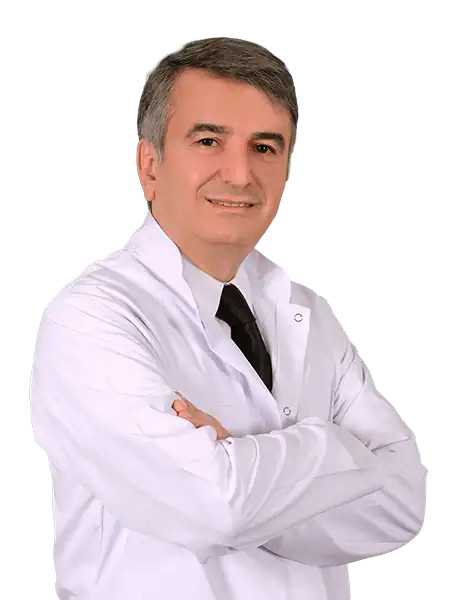
Prof. Dr. Tayfun Karahasanoğlu
General Surgery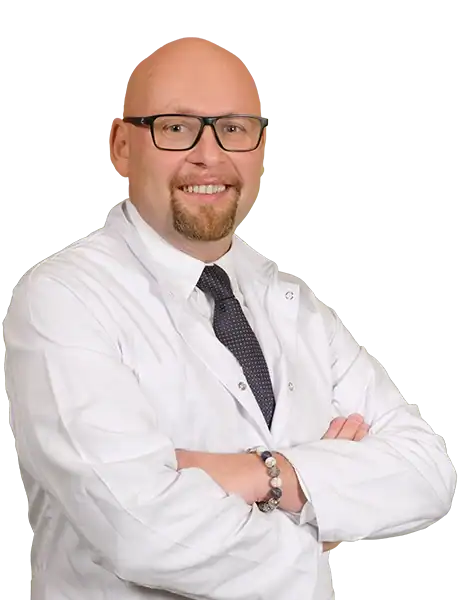
Prof. Dr. Güralp Onur Ceyhan
General Surgery
Prof. Dr. Volkan Özben
General Surgery
Assoc. Prof. Dr. Halil Kara
General Surgery