Pediatric Migraine: Symptoms, Triggers, and When Children Need Neurology Care
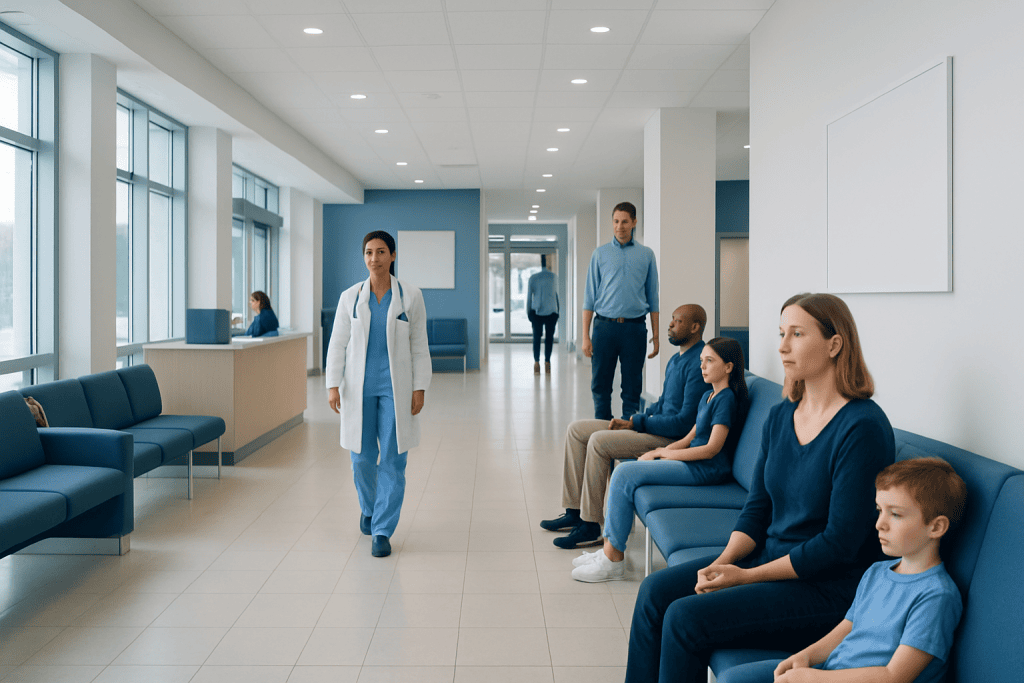
Pediatric migraine may cause head pain, nausea, vomiting, sensitivity to light or sound, dizziness, abdominal symptoms, or a need to sleep. Children may have shorter migraine attacks than adults and may struggle to describe their symptoms clearly.
Key Takeaways
- Pediatric migraine may cause head pain, nausea, vomiting, sensitivity to light or sound, dizziness, abdominal symptoms, or a need to sleep.
- Children may have shorter migraine attacks than adults and may struggle to describe their symptoms clearly.
- Common triggers include irregular sleep, skipped meals, dehydration, stress, certain foods, screen overuse, weather changes, and hormonal changes in adolescents.
- A pediatrician or pediatric neurologist can diagnose migraine mainly through a detailed history and neurological examination; imaging is not always needed.
- Urgent medical assessment is important for sudden severe headache, neurological changes, fever with neck stiffness, head injury, seizures, or headaches that are new and worsening.
Pediatric migraine is a common neurological condition that can affect school, sleep, appetite, mood, and family routines. With careful symptom tracking, healthy routines, and medical guidance when needed, most children can achieve better control and return to normal activities.
Overview
Pediatric migraine is a type of recurrent headache disorder that occurs in children and teenagers. It is not simply a “bad headache”; it is a neurological condition involving changes in brain signaling, blood vessels, pain pathways, and sensitivity to stimuli such as light, sound, smell, or movement. Migraine can appear at any age, including early childhood, although the way a child describes the experience may be very different from an adult.
In many children, migraine attacks are shorter than in adults and may involve pain on both sides of the head rather than only one side. Some children mainly show behavioral signs: they become pale, quiet, irritable, sleepy, or want to lie down in a dark room. Younger children may point to the whole head or say their “tummy hurts,” while adolescents are often better able to describe throbbing pain, nausea, visual changes, or sensitivity to light.
The reassuring news is that pediatric migraine can often be managed well. A combination of diagnosis, trigger awareness, age-appropriate medicines when needed, healthy routines, and school support can significantly reduce the effect of migraine on a child’s life. The goal is not only to treat pain, but also to protect sleep, learning, play, emotional well-being, and family confidence.
Symptoms of Migraine in Children
Migraine symptoms in children can vary from one child to another and may change with age. A typical attack may include moderate to severe head pain, often described as pounding, pulsing, pressing, or hurting “all over.” The pain may worsen with running, climbing stairs, bright light, noise, or busy environments. Some children stop playing, avoid meals, lie down, or fall asleep; sleep often helps the attack improve.
Common associated symptoms include nausea, vomiting, loss of appetite, dizziness, sensitivity to light, sensitivity to sound, and sensitivity to smells. Some children develop abdominal pain with or without headache, which can be part of a migraine-related pattern. Others may experience motion sickness, fatigue, yawning, mood changes, food cravings, or difficulty concentrating before or after the headache.
Some children have migraine with aura. An aura is a temporary neurological symptom that usually develops gradually and resolves completely. It may include flashing lights, zigzag lines, blurred spots, tingling in the hand or face, or brief difficulty finding words. Aura can be unsettling, especially the first time it happens, so it should be discussed with a doctor to confirm that the pattern is consistent with migraine and not another condition.
After the main headache improves, children may enter a recovery phase sometimes called the “postdrome.” During this period they may feel tired, foggy, sensitive, or emotionally drained for several hours. Recognizing this phase helps families understand why a child may need a calm return to normal activities rather than immediate full participation in homework, sports, or social events.
Causes and Risk Factors
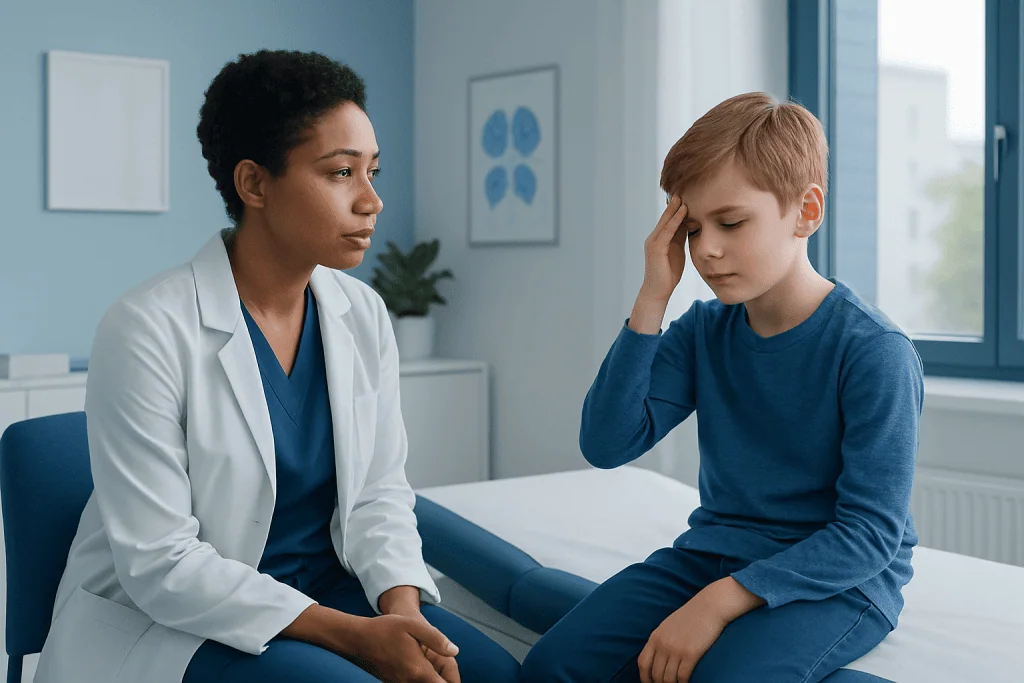
Pediatric migraine develops from a combination of genetic, neurological, and environmental factors. Many children with migraine have a parent or close relative with migraine, although a family history is not required. The child’s nervous system may be more sensitive to changes in sleep, hydration, hunger, stress, hormones, weather, and sensory stimulation. This sensitivity does not mean the child is fragile; it means the brain is more likely to react to certain internal or external changes with a migraine attack.
Several risk factors can make migraine more likely or more frequent. These include a personal or family history of migraine, motion sickness, poor sleep quality, anxiety or high stress, irregular eating patterns, dehydration, and overuse of pain-relief medicines. In adolescents, hormonal changes around puberty and menstruation can also influence migraine frequency. Children with other conditions, such as sleep disorders or mood concerns, may need a broader assessment so that all contributors are addressed.
It is important for families to understand that migraine is not caused by a child “pretending,” avoiding school, or being overly sensitive. Stress can be a trigger, but it is not the same as saying the headache is imaginary. Children with migraine need both medical understanding and practical support, including predictable routines, appropriate rest, and a plan for school days when symptoms occur.
Common Triggers Parents Can Track
A trigger is something that can contribute to a migraine attack in a child who is already susceptible. Triggers do not work the same way every time, and a single trigger may not be enough to cause an attack. Often, several factors combine: for example, a late night, skipped breakfast, dehydration, a long screen session, and a stressful test day. This is why a headache diary is more useful than trying to blame one food or one event.
Common pediatric migraine triggers include:
- Irregular sleep, too little sleep, or sleeping much later than usual on weekends
- Skipped meals, long gaps between meals, or inadequate breakfast
- Dehydration, especially during hot weather or sports
- Stress, excitement, schedule changes, or emotional overload
- Bright light, loud noise, strong smells, crowded places, or prolonged screen use
- Certain foods or additives in some children, such as aged cheeses, processed meats, chocolate, or caffeine
- Weather changes, travel, motion, or altitude changes
- Hormonal changes in teenagers
Parents can track the date and time of headaches, sleep, meals, fluid intake, school events, screen use, physical activity, menstrual cycle in adolescents, symptoms, medicines taken, and how long the attack lasted. Patterns over several weeks are more helpful than a single entry. The aim is not to create strict rules or anxiety around every possible trigger, but to identify realistic changes that reduce the child’s overall migraine burden.
Diagnosis: What the Doctor Looks For
The diagnosis of pediatric migraine is usually based on a detailed medical history and physical and neurological examination. The doctor will ask when the headaches began, how often they occur, how long they last, where the pain is located, what symptoms come with it, and whether the child returns to normal between attacks. Information from parents, teachers, and the child can all be helpful, especially for younger children who cannot describe symptoms clearly.
A neurological examination checks areas such as eye movements, vision-related signs, balance, coordination, strength, reflexes, sensation, and speech. In a child with a typical migraine pattern and a normal neurological examination, brain imaging is often not necessary. However, the doctor may recommend imaging or other tests if the history or examination suggests a different cause, such as a new progressive headache pattern, abnormal neurological findings, seizures, signs of infection, or headache after significant head injury.
Doctors also consider other causes of headaches in children, including tension-type headache, sinus or dental problems, vision issues, infections, medication overuse, sleep disorders, high blood pressure, and, rarely, more serious neurological conditions. This careful approach helps avoid unnecessary tests while ensuring that children who need further evaluation receive it promptly.
Treatment Options
Treatment for pediatric migraine usually has two parts: treating attacks when they occur and reducing how often they happen. For an acute migraine attack, early action is often most effective. A child may be advised to rest in a quiet, dim room, drink fluids, eat a small snack if tolerated, and use a medicine recommended by the doctor. Families should avoid giving pain-relief medicines too frequently, because overuse can lead to more headaches over time. Medication choices and safety depend on the child’s age, weight, medical history, and other medicines.
If migraine attacks are frequent, prolonged, disabling, or causing repeated school absence, the doctor may discuss preventive treatment. Preventive care may include lifestyle changes, behavioral strategies, supplements in selected cases, or prescription medicines. The decision is individualized and based on attack frequency, severity, impact on daily life, and the family’s preferences. Preventive medicines, when used, typically require regular follow-up to monitor benefits and side effects.
Non-medicine strategies can be very helpful. These may include cognitive behavioral therapy, relaxation training, breathing exercises, biofeedback, stress-management skills, sleep improvement, and treatment of anxiety or mood concerns when present. A written migraine action plan for home and school can reduce uncertainty by explaining what the child should do at the first sign of symptoms, when medicine may be used, when parents should be contacted, and when urgent care is needed.
Care works best when the child, family, pediatrician, school, and, when appropriate, a pediatric neurologist communicate clearly. Children should be encouraged to participate in their own care in an age-appropriate way, such as recognizing early symptoms, drinking water, keeping regular meals, and asking for help before the attack becomes severe.
Prevention and Everyday Self-Care
Good daily routines can reduce migraine frequency and make attacks easier to manage. Sleep is a major foundation: children and teenagers benefit from consistent bedtimes and wake times, including on weekends when possible. Large shifts in sleep schedules can trigger migraine in some children. A calming bedtime routine, reduced late-night screen exposure, and attention to snoring or restless sleep can also be important.
Regular meals and hydration are equally important. Skipping breakfast or going long periods without food may trigger headaches. Children should be encouraged to carry water, especially during school, sports, travel, or warm weather. Balanced meals with protein, whole grains, fruits, and vegetables support overall health; overly restrictive diets are usually not necessary unless a clear and repeated food trigger is identified.
Screen use deserves a balanced approach. Screens are part of school and social life, but prolonged sessions without breaks, bright screens in dark rooms, poor posture, and late-night use may contribute to headaches. Short breaks, proper lighting, regular movement, and limiting screens before sleep can help. Physical activity is also beneficial when introduced gradually and enjoyed by the child; however, intense exercise during an active migraine may worsen pain.
Emotional well-being should be part of prevention. Some children develop worry about the next headache, schoolwork missed, or disappointing friends and coaches. Supportive conversations, realistic expectations, and school accommodations when needed can reduce stress. The message should be reassuring: migraine is manageable, and the child can still participate in normal life with a thoughtful plan.
When Children Need Neurology Care
A pediatrician can manage many children with migraine, but referral to a pediatric neurologist may be helpful when headaches are frequent, severe, unusual, or difficult to control. Neurology care is also appropriate if the child has aura symptoms that are new or complex, headaches with neurological signs, persistent vomiting, significant school absence, poor response to initial treatment, or concern for medication overuse. A specialist can confirm the diagnosis, refine the treatment plan, and decide whether further testing is needed.
Families should seek urgent medical assessment if a child has a sudden, extremely severe headache; headache with weakness, confusion, fainting, seizure, vision loss, or difficulty speaking; fever with neck stiffness; headache after a significant head injury; persistent early-morning vomiting; or a new headache pattern that is progressively worsening. These signs do not mean a serious condition is certain, but they do deserve prompt evaluation.
Parents should also arrange medical review when headaches interfere with school, sleep, sports, mood, or family routines, even if the child seems well between attacks. Early care can prevent a cycle of missed activities, anxiety, and frequent medicine use. For international families seeking coordinated evaluation, Acibadem International provides access to multidisciplinary specialists and JCI-accredited hospitals that diagnose and treat pediatric neurological conditions, including migraine, with individualized care planning.
Frequently asked questions
How is pediatric migraine different from an adult migraine?
Children often have shorter migraine attacks than adults and may feel pain on both sides of the head. They may also show symptoms through behavior, such as becoming pale, sleepy, quiet, or irritable. Nausea, vomiting, abdominal pain, and sensitivity to light or sound are common.
Can a child have migraine without a headache?
Yes. Some children experience migraine-related symptoms such as abdominal pain, vomiting, dizziness, or visual aura with little or no head pain. A doctor can assess the pattern and rule out other causes before confirming a migraine-related diagnosis.
Does every child with migraine need a brain scan?
No. If the child has a typical migraine pattern and a normal neurological examination, imaging is often not needed. A doctor may recommend imaging if there are unusual features, abnormal examination findings, a new progressively worsening headache pattern, seizures, or other warning signs.
What should parents do at the start of a migraine attack?
Parents can help the child rest in a quiet, dim room, drink fluids, and follow the treatment plan provided by the doctor. If medicine has been recommended, it usually works best when taken early in the attack. Families should avoid frequent unsupervised use of pain-relief medicines.
Can school stress cause pediatric migraine?
Stress can be a trigger, but it is not the only cause and it does not mean the headache is imaginary. Migraine is a neurological condition, and stress may combine with other triggers such as poor sleep, skipped meals, dehydration, or screen overuse. A school plan can help the child manage attacks without stigma.
When should a child see a pediatric neurologist for migraine?
A pediatric neurologist may be recommended when headaches are frequent, severe, disabling, unusual, or not improving with initial care. Referral is also helpful for complex aura, neurological symptoms, medication overuse concerns, or significant school absence. The specialist can confirm the diagnosis and adjust treatment safely.
Can children outgrow migraine?
Some children have fewer migraine attacks as they get older, while others continue to have migraine into adolescence or adulthood. Good routines, early treatment, and trigger management can reduce the impact at any age. Regular follow-up helps the care plan change as the child grows.
References
- American Academy of Pediatrics
- American Migraine Foundation
- International Headache Society
- National Institute of Neurological Disorders and Stroke
- National Institute for Health and Care Excellence
This article is for general information only and is not a substitute for professional medical advice. Please consult a qualified doctor about your individual situation.
Migraine in Turkey — costs, top hospitals & a free quote
JCI-accredited · board-certified surgeons · reply within 24h

More from the Health Library



Related Specialists

Dr. Ayhan Ulusoy
Orthopedic Surgery & Traumatology
Dr. Osman Egüz
Emergency Service
Dr. Emel Çolakoğlu
Ophthalmology
Assoc. Prof. Dr. Özgüç Takmaz
Gynecology & Obstetrics