Leg Incision Care After Coronary Bypass Surgery: Vein Harvest Recovery
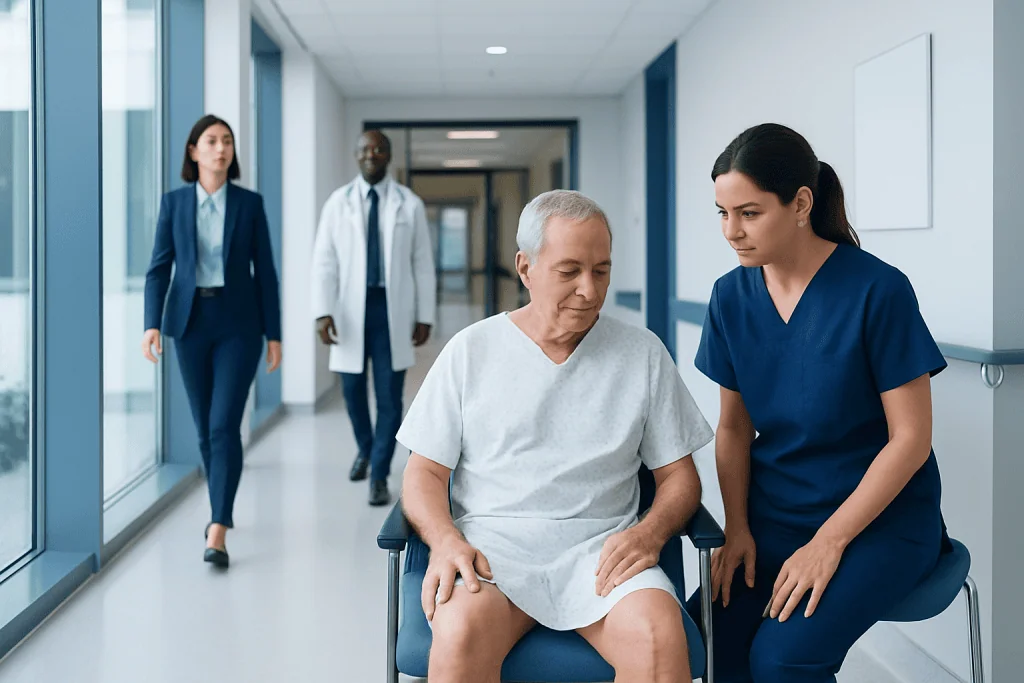
The leg incision is usually where the saphenous vein was harvested to create a bypass graft for coronary artery bypass surgery. Keeping the incision clean and dry, following dressing instructions, and avoiding soaking the wound support normal healing.
Key Takeaways
- The leg incision is usually where the saphenous vein was harvested to create a bypass graft for coronary artery bypass surgery.
- Keeping the incision clean and dry, following dressing instructions, and avoiding soaking the wound support normal healing.
- Mild swelling, bruising, tightness, itching, or numbness around the incision can be part of recovery, but symptoms should gradually improve.
- Walking, leg elevation, and prescribed compression can help reduce swelling and lower the risk of complications.
- Increasing redness, warmth, drainage, fever, worsening pain, or one-sided calf swelling should be checked by a healthcare professional promptly.
After coronary bypass surgery, many patients have one or more leg incisions where a vein was taken for the bypass graft. With gentle wound care, swelling control, safe activity, and timely follow-up, most vein harvest sites heal steadily over the first several weeks.
Overview
Coronary artery bypass grafting, often called CABG or bypass surgery, improves blood flow to the heart by creating new pathways around narrowed or blocked coronary arteries. In many operations, the surgeon uses a healthy blood vessel from the body as a graft. One common graft is the saphenous vein, a long vein that runs along the inner leg. The place where this vein is removed is called the vein harvest site.
Leg incision care after coronary bypass surgery is an important part of recovery. The chest incision often receives the most attention, but the leg incision also needs careful monitoring. Depending on the surgical technique, the leg may have one longer incision, several smaller incisions, or tiny openings from an endoscopic vein harvest. Each method can heal well when the patient follows the care plan provided by the surgical team.
Healing is a gradual process. During the first days and weeks, patients may notice bruising, swelling, mild tightness, tenderness, or numbness near the incision. These changes often improve slowly as tissues recover and fluid decreases. Good aftercare focuses on protecting the wound, maintaining circulation, walking safely, and knowing which symptoms deserve medical attention.
What to Expect During Vein Harvest Recovery
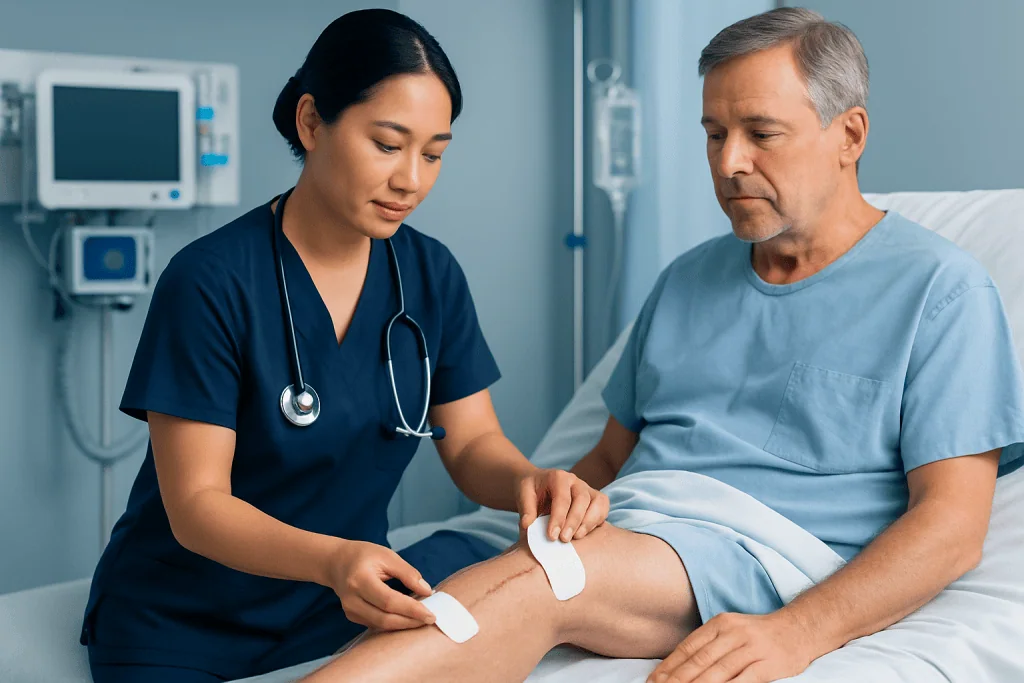
Every patient heals at a different pace, but many leg incisions begin to seal within the first one to two weeks. If stitches, staples, or skin glue were used, the hospital team will explain when they should be removed or how they will dissolve. Bruising may move down the leg over time because gravity pulls blood and fluid toward the ankle. This can look noticeable, but it is often part of normal recovery when it is not accompanied by increasing pain, heat, or drainage.
Swelling is common after a vein is removed, especially around the ankle and lower leg. The saphenous vein is not the only pathway for blood return from the leg, but the tissues need time to adapt. Swelling may be more obvious after sitting or standing and may improve after gentle walking and leg elevation. Some patients also feel pulling, burning, or numb patches near the incision because small skin nerves can be stretched or cut during surgery.
Patients should expect steady, not instant, improvement. The incision should become less tender, the redness should fade, and drainage should stop. Fatigue after bypass surgery can make wound care feel tiring, so it is helpful for patients to keep supplies nearby and ask a family member or caregiver for support during the first days at home. Follow-up appointments allow the care team to check both the chest and leg wounds and adjust instructions if needed.
Daily Leg Incision Care at Home
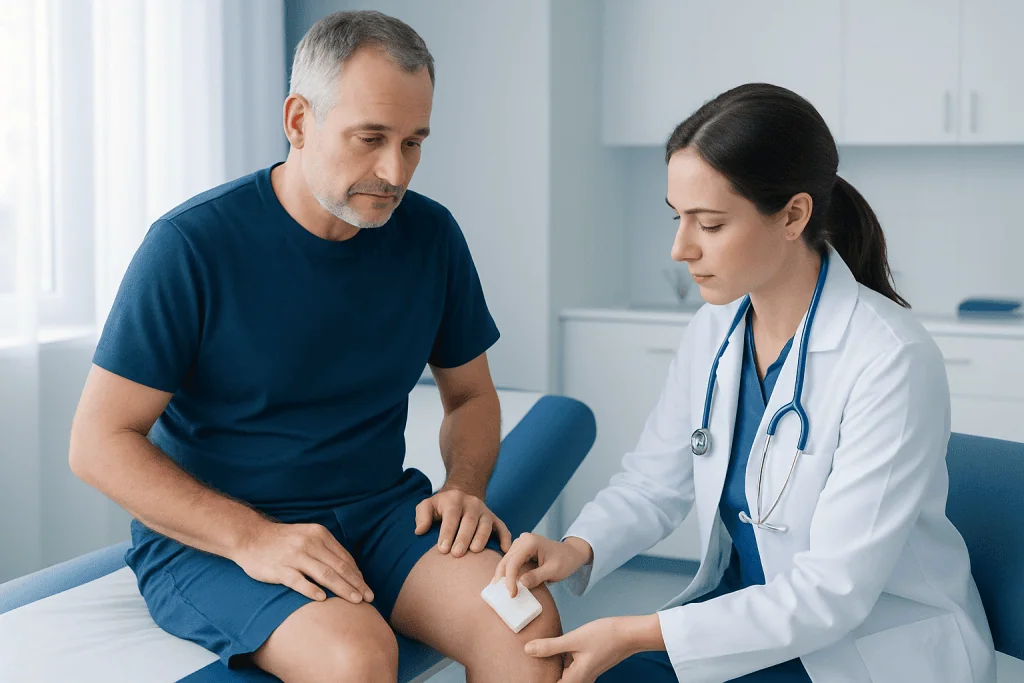
The safest wound care plan is the one given by the surgeon or discharge nurse, because recommendations vary depending on the incision type, dressing, and whether there was any concern about bleeding or infection. In general, patients should wash their hands before and after touching the incision area. If a dressing is present, it should be changed exactly as instructed, using clean supplies and avoiding unnecessary touching of the wound.
Many patients are allowed to shower after discharge, but soaking in a bath, swimming pool, or hot tub is usually avoided until the incision is fully healed and the doctor confirms it is safe. During a shower, water and mild soap may run gently over the incision if the surgical team permits it. The area should not be scrubbed. Afterward, the skin can be patted dry with a clean towel. Lotions, powders, antibiotic ointments, or herbal products should not be applied unless the healthcare team recommends them.
Simple daily checks help patients recognize healing changes early. A patient or caregiver can look at the incision in good light and note whether redness is spreading, drainage is changing, or swelling is increasing. It may be useful to compare both legs and to report new symptoms rather than waiting for them to become severe.
- Keep the incision clean, dry, and protected from friction.
- Wear loose clothing that does not rub the wound.
- Avoid picking at scabs or peeling skin glue.
- Do not use creams or antiseptics unless prescribed.
- Follow the exact plan for dressings, stitches, or staples.
Swelling, Bruising, Pain, and Sensation Changes
Mild to moderate swelling is one of the most frequent concerns after vein harvest recovery. Elevating the leg above the level of the heart for short periods, as recommended by the care team, can help fluid return toward the body. Gentle ankle movements and short, regular walks also support circulation. Patients should avoid sitting for long periods with the legs hanging down, because this can make ankle swelling worse.
Some patients are given compression stockings or elastic bandages. These should be used only as directed, because the correct fit and timing matter. Compression should feel supportive, not painfully tight. If toes become cold, blue, numb, or very painful, the compression should be removed and the care team should be contacted. People with peripheral artery disease or circulation problems need individualized guidance before using compression.
Pain should gradually become easier to manage. Prescribed or recommended pain medicines should be taken only as directed, especially if the patient is also taking blood thinners or other heart medications. Numbness or tingling around the incision may take weeks or months to improve, and in some cases a small numb area can last longer. However, worsening pain, spreading redness, new drainage, or marked calf tenderness is not considered routine healing and should be assessed.
Activity, Walking, and Safe Movement
Movement is part of recovery after coronary bypass surgery. Short, frequent walks help improve circulation, reduce stiffness, support lung function, and rebuild strength. Patients are usually advised to begin with gentle indoor walking and gradually increase distance as tolerated. The pace should allow comfortable breathing. If dizziness, chest discomfort, unusual shortness of breath, or severe fatigue occurs, the patient should stop and follow the medical team’s instructions.
Protecting the leg incision during movement is also important. Patients should avoid crossing the legs for long periods, kneeling directly on the incision, or wearing tight socks that leave deep marks. Shoes should be stable and easy to put on without straining. If stairs are permitted, they should be taken slowly, using a handrail and resting when needed. The care team will advise when driving, lifting, exercise, and cardiac rehabilitation can begin.
Cardiac rehabilitation is often recommended after bypass surgery because it combines supervised exercise, education, and risk-factor management. It can also help patients regain confidence in movement while clinicians monitor heart rate, blood pressure, and symptoms. The leg incision does not usually prevent walking, but any wound opening, drainage, or significant swelling should be discussed before increasing activity.
Factors That Can Affect Healing
Several health factors influence how quickly a leg incision heals. Diabetes, smoking, poor circulation, obesity, kidney disease, anemia, and reduced nutrition can slow wound repair or increase the chance of infection. Patients taking certain medicines, such as blood thinners or immune-suppressing treatments, may also need closer follow-up. None of these factors means that healing will be poor, but they make careful aftercare especially important.
Nutrition supports tissue repair after major surgery. A balanced diet with adequate protein, vegetables, fruits, whole grains, and fluids helps the body rebuild skin and muscle. Patients with heart disease may also be following a heart-healthy eating plan, such as one lower in saturated fat and sodium. If appetite is low after surgery, smaller frequent meals may be easier. People with diabetes should follow their blood sugar plan closely, because high glucose levels can interfere with wound healing.
Smoking and nicotine products reduce oxygen delivery to tissues and can delay incision healing. Patients who smoke are encouraged to seek help with quitting, even if they have tried before. Good sleep, medication adherence, and attending follow-up visits also support recovery. Patients should tell their clinicians about any over-the-counter supplements, because some may affect bleeding risk or interact with heart medicines.
When to See a Doctor
Patients should contact their surgical team, cardiologist, or primary care doctor if the leg incision looks worse instead of better. Warning signs include increasing redness, warmth, swelling, worsening pain, pus-like drainage, a bad odor, the wound edges opening, or a fever. A small amount of clear or lightly blood-tinged drainage may occur early after surgery, but new, heavy, cloudy, or persistent drainage should be checked.
Urgent medical advice is needed for one-sided calf swelling with tenderness, sudden shortness of breath, fainting, chest pain, or symptoms that feel severe or unusual for the patient. These symptoms do not always mean a serious complication is present, but they should be assessed quickly. Patients should follow the emergency instructions provided at discharge, especially during the early recovery period.
International patients recovering after bypass surgery may need coordinated follow-up before traveling or returning home. Acibadem International’s multidisciplinary specialists and JCI-accredited hospitals diagnose and treat coronary artery disease and support postoperative recovery planning for international patients. Regardless of where surgery was performed, patients should keep their discharge papers, medication list, and wound care instructions available for any clinician who evaluates them.
Frequently asked questions
How long does a leg incision take to heal after coronary bypass surgery?
Many vein harvest incisions begin to seal within one to two weeks, but deeper tissue healing takes longer. Swelling, firmness, itching, or numbness can continue for several weeks and usually improves gradually. The surgical team can give a more specific timeline based on the incision type and the patient’s overall health.
Is leg swelling normal after a saphenous vein is removed?
Some leg and ankle swelling is common after saphenous vein harvesting. It often improves with walking, gentle ankle movement, and leg elevation as advised by the care team. Swelling that suddenly worsens, is very painful, or affects one calf much more than the other should be checked promptly.
Can a patient shower with a leg incision after bypass surgery?
Many patients are allowed to shower after discharge, but the exact timing depends on the surgeon’s instructions and the type of dressing or closure used. The incision should not be scrubbed, and it should be patted dry afterward. Baths, swimming, and hot tubs are usually avoided until the wound is fully healed and the doctor confirms it is safe.
What does an infected leg incision look like?
Possible signs of infection include spreading redness, increasing warmth, worsening pain, swelling, pus-like drainage, bad odor, fever, or wound edges opening. The incision may also feel more tender instead of gradually improving. Patients should contact their healthcare team if these changes occur.
Why is there numbness around the leg incision?
Numbness or tingling can happen because small skin nerves are affected during the vein harvest. This often improves slowly over weeks or months, although a small area of altered sensation may last longer in some patients. New severe pain, weakness, or rapidly worsening numbness should be discussed with a doctor.
Should compression stockings be worn after vein harvest surgery?
Compression stockings may be recommended for some patients to help control swelling, but they should be used only as directed. The fit should be comfortable and should not cause toe discoloration, coldness, or increasing pain. Patients with circulation problems should ask their clinician before using compression.
When can walking or cardiac rehabilitation start after bypass surgery?
Gentle walking often begins in the hospital and continues at home with gradual increases as tolerated. Cardiac rehabilitation may start when the cardiology or surgical team decides it is safe. Patients should report wound drainage, significant swelling, dizziness, chest discomfort, or unusual shortness of breath before increasing activity.
References
- American Heart Association
- Society of Thoracic Surgeons
- Centers for Disease Control and Prevention
- National Health Service
- Mayo Clinic
This article is for general information only and is not a substitute for professional medical advice. Please consult a qualified doctor about your individual situation.
Heart care in Turkey — expert evaluation and treatment
JCI-accredited · board-certified surgeons · reply within 24h