

Gastric Sleeve vs Gastric Balloon: Procedure Differences and Expected Weight Loss

Gastric sleeve is a surgical, permanent stomach-reduction procedure; gastric balloon is a temporary, non-surgical endoscopic procedure. Gastric sleeve usually leads to greater and more durable weight loss, while gastric balloon is often used for moderate weight loss or as a bridge to longer-term treatment.
Key Takeaways
- Gastric sleeve is a surgical, permanent stomach-reduction procedure; gastric balloon is a temporary, non-surgical endoscopic procedure.
- Gastric sleeve usually leads to greater and more durable weight loss, while gastric balloon is often used for moderate weight loss or as a bridge to longer-term treatment.
- Both procedures require medical evaluation, nutrition guidance and long-term lifestyle changes to be effective and safe.
- Expected weight loss varies according to starting weight, medical conditions, eating patterns, activity level and follow-up care.
- The best choice depends on BMI, obesity-related health problems, previous treatments, personal goals and the patient’s readiness for aftercare.
Gastric sleeve and gastric balloon procedures both help people lose weight by reducing how much they can comfortably eat, but they differ greatly in technique, permanence, eligibility and expected results. Understanding these differences helps patients discuss the safest and most appropriate option with a qualified bariatric team.
Overview: How the Two Procedures Work
Gastric Sleeve vs Gastric Balloon is a common comparison for people considering medical help for weight loss. Both options reduce the amount of food the stomach can comfortably hold, but they do so in different ways. A gastric sleeve is a bariatric operation that removes a large part of the stomach and reshapes the remaining stomach into a narrow sleeve. A gastric balloon is a temporary device placed inside the stomach, usually by endoscopy, to take up space and promote earlier fullness.
In gastric sleeve surgery, the change to the stomach is permanent. The operation is performed under general anesthesia, most often using a minimally invasive laparoscopic approach. The smaller stomach limits portion size and may also affect hunger-related hormones, which can support appetite control.
In a gastric balloon procedure, no part of the stomach is cut or removed. The deflated balloon is inserted through the mouth into the stomach and then filled with fluid or gas, depending on the device type. It remains in place for a defined period, commonly several months, and is then removed. Because it is temporary, long-term success depends strongly on the patient using the balloon period to build sustainable eating, activity and behavioral habits.
Procedure Differences: Surgery, Endoscopy and Recovery

The main procedural difference is that gastric sleeve is surgery, while gastric balloon is a non-surgical endoscopic treatment. A sleeve gastrectomy requires an operating room, general anesthesia, small abdominal incisions and a hospital stay. Many programs perform it as part of comprehensive bariatric surgery care, including preoperative assessment, dietitian support, psychological readiness screening and long-term follow-up.
Gastric balloon placement is usually shorter and does not involve abdominal incisions. It is typically done with sedation or anesthesia during an upper endoscopy. Most patients go home the same day, although they may need medication and dietary guidance during the first days while the stomach adjusts to the balloon.
Recovery also differs. After gastric sleeve, patients progress gradually from liquids to pureed foods, soft foods and then smaller solid meals over several weeks, according to their surgical team’s plan. After balloon placement, patients may also follow a staged diet, but recovery is generally faster because there are no surgical wounds. However, nausea, cramping, reflux or early fullness can occur with either approach and should be discussed with the treating doctor.
- Gastric sleeve: permanent operation, larger expected weight loss, longer recovery and lifelong follow-up.
- Gastric balloon: temporary device, no stomach removal, shorter initial recovery and planned removal.
- Both: require diet changes, medical supervision and commitment to healthier routines.
Expected Weight Loss and Durability
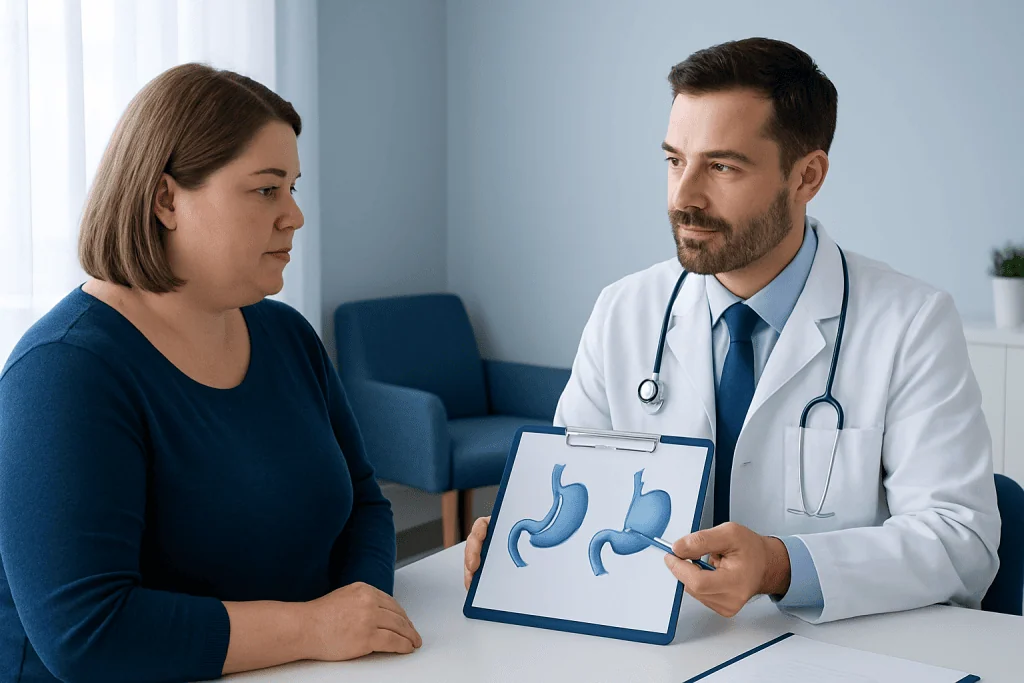
Expected weight loss is one of the most important differences between the two options. Gastric sleeve generally produces greater weight loss than gastric balloon. Many bariatric programs report that sleeve patients may lose about 25% to 30% of total body weight, or roughly 50% to 70% of excess weight, over 12 to 18 months, although individual results vary. Weight loss may continue, slow or stabilize depending on eating patterns, physical activity, metabolism, medical conditions and follow-up care.
Gastric balloon results are usually more modest. Many patients lose around 10% to 15% of total body weight during the treatment period when the balloon is combined with nutrition and lifestyle support. Some people lose more and some lose less. The balloon is removed after the approved treatment period, so maintaining weight loss depends on whether new habits have become part of daily life.
Durability is not only about the procedure; it is also about behavior, biology and support. Gastric sleeve changes stomach capacity permanently, which can help maintain smaller portions, but weight regain can still occur if high-calorie liquids, frequent snacking or low activity become routine. Gastric balloon can be useful for people who want a less invasive starting point, but without continued follow-up, weight regain after removal is possible. For both procedures, the most reliable outcomes come from a structured program that includes nutrition, movement, sleep, stress management and medical monitoring.
Who May Be a Candidate?
Candidate selection is individualized. Gastric sleeve is often considered for adults with a higher body mass index, especially when obesity-related conditions such as type 2 diabetes, high blood pressure, sleep apnea, fatty liver disease or joint pain are present. It may also be recommended when previous supervised weight-loss attempts have not produced adequate or lasting results. The decision is based on overall health, surgical risk, motivation and the ability to attend long-term follow-up.
Gastric balloon may be considered for people with a lower BMI than typical bariatric surgery candidates, for those who are not ready for surgery, or for selected patients who need to lose weight before another procedure. It can also be used as a temporary tool to help patients experience portion control and develop new eating behaviors. However, it is not suitable for everyone, especially people with certain stomach or esophageal conditions, previous complex gastric surgery, active ulcers or specific bleeding risks.
Both procedures require careful assessment. This usually includes medical history, medication review, laboratory tests and evaluation for digestive symptoms such as reflux. Patients may meet with a bariatric surgeon, gastroenterologist, dietitian, psychologist or other specialists. The goal is not simply to choose the most powerful procedure, but to choose the safest and most appropriate plan for the person’s health, expectations and long-term goals related to obesity treatment.
Benefits, Limitations and Possible Risks
The main benefit of gastric sleeve is its stronger and often longer-lasting weight-loss effect compared with temporary devices. It may also improve obesity-related health conditions in many patients, particularly when weight loss is maintained. Because it does not involve intestinal bypass, nutrient absorption is generally less affected than with some other bariatric operations, but vitamin and mineral monitoring is still important.
The limitations of gastric sleeve include its permanence and the fact that it is an operation. Possible complications can include bleeding, infection, leakage from the staple line, narrowing, reflux symptoms or nutritional deficiencies. These risks are uncommon in experienced centers but must be clearly understood before consent. Patients also need lifelong attention to protein intake, hydration, vitamin supplementation if prescribed and follow-up testing.
The main benefit of gastric balloon is that it avoids stomach cutting and can be removed. It may be attractive for patients who want a less invasive option or who need a temporary intervention. Its limitations include smaller average weight loss and the need for removal. Possible side effects include nausea, vomiting, abdominal discomfort and reflux, especially in the early adjustment period. Rare complications, such as balloon deflation or blockage, require prompt medical attention, which is why patients should follow all safety instructions from their care team.
Life After the Procedure: Nutrition, Activity and Follow-up
Neither gastric sleeve nor gastric balloon works well as a stand-alone solution. Both are tools that support lifestyle change. After either procedure, patients are guided to eat smaller portions, chew slowly, prioritize protein, choose fiber-rich foods when tolerated and avoid drinking high-calorie beverages. Hydration is important, but patients may be advised not to drink large amounts with meals because it can worsen discomfort or reduce the feeling of fullness.
Physical activity is introduced gradually and should match the person’s fitness level, joint health and medical conditions. Walking is often the first step, followed by planned aerobic exercise and strength training when cleared by the doctor. Building muscle helps support metabolism and daily function. Sleep quality, stress management and emotional eating support are also important, because weight regulation is affected by many biological and behavioral factors.
Follow-up schedules vary by procedure and patient need. After gastric sleeve, follow-up is long-term and includes weight monitoring, nutritional blood tests and adjustment of supplements or medications. After gastric balloon, follow-up is especially important during the first weeks and before removal, then afterward to support weight maintenance. Patients should inform their healthcare team about persistent vomiting, inability to drink fluids, worsening reflux, severe abdominal pain or any symptom that feels unusual for them.
Choosing Between Gastric Sleeve and Gastric Balloon
Choosing between gastric sleeve and gastric balloon depends on the patient’s medical profile and personal priorities. A person seeking more substantial and durable weight loss, and who is medically suitable for surgery, may benefit more from gastric sleeve. A person seeking a temporary, less invasive option, or someone who needs a step before surgery, may consider gastric balloon. The right choice should be made after a full consultation, not by comparing weight-loss numbers alone.
Patients may find it helpful to ask their doctor several questions: What amount of weight loss is realistic for their situation? How might each procedure affect reflux, diabetes, blood pressure or sleep apnea? What are the risks based on their medical history? What follow-up visits, nutrition changes and supplements will be needed? What happens if weight regain occurs?
For international patients, coordinated evaluation can be especially helpful because pre-travel planning, medical records, procedure timing and aftercare must be organized carefully. Acibadem International’s multidisciplinary specialists and JCI-accredited hospitals diagnose and treat obesity and related conditions for international patients, including options such as endoscopic balloon treatment and minimally invasive gastric laparoscopic surgery. Patients should always make decisions together with a qualified physician who can assess their individual risks and goals.
Frequently asked questions
Is gastric sleeve better than gastric balloon?
Neither option is automatically better for everyone. Gastric sleeve usually provides greater and more durable weight loss, but it is permanent surgery and requires lifelong follow-up. Gastric balloon is temporary and less invasive, but weight loss is usually more modest and maintenance depends heavily on lifestyle changes.
How much weight can a person expect to lose with a gastric balloon?
Many patients lose about 10% to 15% of their total body weight during the balloon treatment period, especially when the procedure is combined with dietitian support and regular follow-up. Results vary by starting weight, eating habits, activity level and medical conditions. Weight maintenance after balloon removal requires continued lifestyle changes.
How much weight can a person expect to lose with gastric sleeve surgery?
Many gastric sleeve patients lose about 25% to 30% of total body weight, or around 50% to 70% of excess weight, over 12 to 18 months. These are general expectations, not guarantees. Long-term results depend on nutrition, physical activity, follow-up care and individual metabolism.
Is gastric balloon safer because it is not surgery?
Gastric balloon avoids abdominal incisions and stomach removal, so it is generally less invasive than surgery. However, it still has possible side effects and rare complications, including persistent vomiting, reflux, balloon deflation or blockage. A medical evaluation is needed to decide whether it is safe for a specific patient.
Can weight come back after gastric sleeve or gastric balloon?
Yes, weight regain can occur after either procedure. Gastric sleeve provides a permanent reduction in stomach size, but high-calorie liquids, frequent snacking or low activity can reduce its effectiveness. After gastric balloon removal, ongoing support is especially important because the device is no longer helping with fullness.
Who should not have a gastric balloon?
A gastric balloon may not be suitable for people with certain stomach or esophageal disorders, active ulcers, some bleeding risks, severe reflux or previous complex gastric surgery. Pregnancy and some medication needs may also affect eligibility. The treating doctor will review medical history and may recommend endoscopy or other tests before the procedure.
What lifestyle changes are needed after either procedure?
Patients usually need to eat smaller portions, prioritize protein, limit sugary drinks, stay hydrated and build regular physical activity gradually. They should also attend follow-up visits and seek support for emotional eating, sleep problems or stress when needed. These habits are central to safe weight loss and long-term maintenance.
References
- American Society for Metabolic and Bariatric Surgery
- International Federation for the Surgery of Obesity and Metabolic Disorders
- National Institute for Health and Care Excellence
- Mayo Clinic
- Cleveland Clinic
This article is for general information only and is not a substitute for professional medical advice. Please consult a qualified doctor about your individual situation.
Gastric Balloon in Turkey — costs, top hospitals & a free quote
JCI-accredited · board-certified surgeons · reply within 24h
Check your numbers in seconds
BMI, calories, due date, blood pressure and 30+ more clinical calculators — free, instant, doctor-reviewed ranges.

Related Treatments
Related Conditions
More from the Health Library


Related Specialists

Prof. Dr. Tayfun Karahasanoğlu
General Surgery
Prof. Dr. Güralp Onur Ceyhan
General Surgery
Prof. Dr. Volkan Özben
General Surgery
Assoc. Prof. Dr. Halil Kara
General Surgery