

Body Image Changes After Bariatric Surgery: Expectations, Emotions, and Support

Body image often changes more slowly than weight, and it may take time for the mind to adjust to a new body shape. Loose skin, clothing changes, scars, hair shedding, and shifts in energy or mobility are common parts of recovery for many patients.
Key Takeaways
- Body image often changes more slowly than weight, and it may take time for the mind to adjust to a new body shape.
- Loose skin, clothing changes, scars, hair shedding, and shifts in energy or mobility are common parts of recovery for many patients.
- Emotions after bariatric surgery can include pride, grief, anxiety, vulnerability, or frustration; these reactions are valid and treatable.
- Long-term support from bariatric specialists, dietitians, psychologists, physiotherapists, and peer groups can improve adjustment.
- Patients should seek medical or mental health support if body concerns interfere with eating, relationships, self-care, or daily life.
Body image changes after bariatric surgery can be positive, confusing, emotional, or all of these at once. Understanding what may happen physically and psychologically helps patients prepare, seek support, and build a healthier relationship with their changing body.
Overview
Body image is the way a person sees, thinks about, and feels in their body. After bariatric surgery, this inner picture may change at a different pace from the physical weight loss. Some people feel more confident quickly, while others need months or longer to recognize themselves, trust their body, or feel comfortable with attention from others.
Bariatric surgery is a medical treatment for obesity and related health conditions, not a cosmetic procedure. Procedures such as bariatric surgery, sleeve gastrectomy, or gastric bypass can support significant weight loss by changing how the stomach and digestive system handle food. These changes may improve mobility, metabolic health, and quality of life, but they also require long-term nutrition, movement, medical follow-up, and emotional adaptation.
It is helpful for patients and families to expect both physical and emotional transitions. Body image after surgery is shaped by many factors: the speed of weight loss, skin changes, past experiences with weight stigma, relationships, mental health history, and expectations before surgery. With preparation and compassionate support, most people can learn to relate to their body in a more realistic and respectful way.
Physical Changes Patients May Notice
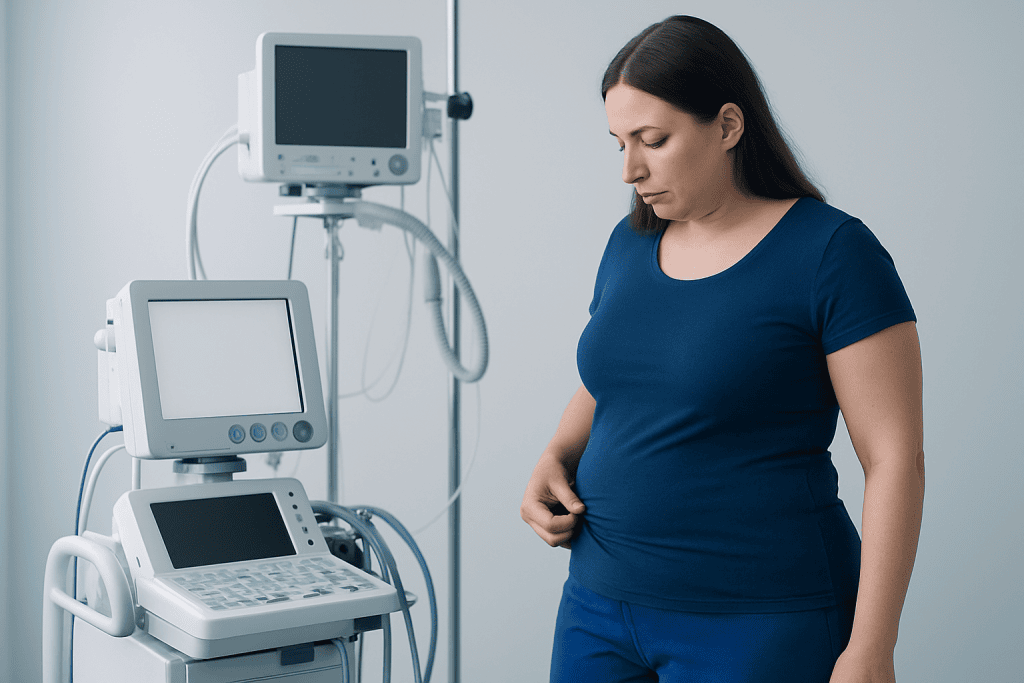
Weight loss after bariatric surgery can be rapid at first and then slower over time. As the body changes, patients may notice smaller clothing sizes, improved ease with daily movement, changes in posture, and new sensations when sitting, exercising, or sleeping. These changes can feel encouraging, but they can also feel unfamiliar.
Loose or excess skin is one of the most common body image concerns after major weight loss. It may appear around the abdomen, upper arms, thighs, breasts, back, or face. The amount varies depending on age, genetics, skin elasticity, total weight lost, smoking history, nutrition, muscle mass, and how long the body lived at a higher weight. Loose skin is not a sign that surgery has failed; it is a normal response to major body size change.
Other visible changes can include small surgical scars, temporary hair shedding, stretch marks becoming more noticeable, or changes in facial fullness. Hair shedding often relates to rapid weight loss, protein intake, vitamin or mineral status, and stress on the body; it should be discussed with the bariatric team so nutritional causes can be checked. Patients should also report rashes, skin irritation, wounds, or pain under skin folds because these problems can often be treated.
- Choose clothing that fits the current body rather than waiting for a final size.
- Use supportive undergarments if they improve comfort during movement.
- Follow protein, hydration, vitamin, and mineral guidance from the bariatric team.
- Build strength gradually, as muscle tone can improve function and body confidence.
Emotional Reactions and Identity Changes

Emotions after weight loss surgery are not always simple. A patient may feel proud of progress and still feel uncomfortable looking in the mirror. They may enjoy better mobility but feel disappointed by loose skin. They may receive compliments yet feel exposed, watched, or unsure how to respond. Mixed feelings are common and do not mean the person is ungrateful or doing recovery incorrectly.
Some patients describe a delayed sense of recognition, sometimes called a lag in body image. The mind may still expect the old body size when walking through a doorway, buying clothes, or seeing a photograph. Others may feel grief for years spent struggling with weight, anger about past stigma, or anxiety about weight regain. These emotions can become more noticeable after surgery because food may no longer be available in the same way as a coping tool.
Relationships can also change. Family members may be supportive, uncertain, jealous, protective, or worried. Partners may need time to adjust to shifts in confidence, intimacy, or social attention. Friends may not understand that surgery is not an easy solution but a demanding medical treatment requiring lifelong habits. Open conversations, clear boundaries, and professional counseling can help patients navigate these changes safely.
Expectations Before and After Surgery
Realistic expectations are one of the most important parts of body image adjustment. Bariatric surgery can be life-changing, but it does not create a perfect body or remove every emotional challenge. It also does not guarantee that a person will automatically feel confident at every stage. Patients may still need support for self-esteem, eating patterns, depression, anxiety, trauma history, or social stress.
Before procedures such as gastric sleeve surgery or gastric bypass, the care team usually discusses expected weight loss patterns, nutrition requirements, activity, follow-up appointments, and possible complications. Patients are encouraged to ask specific questions about visible changes, scarring, loose skin, hair shedding, fertility considerations, and how quickly daily routines may change.
It can help to define success in several ways, not only by scale weight. Examples include walking farther, sleeping better, needing fewer obesity-related medications, improving blood sugar control, participating in family activities, or feeling more in control of eating habits. When success is measured by health, function, and wellbeing, patients may be less likely to judge themselves harshly during normal weight plateaus or body changes.
- Ask the bariatric team what physical changes are common after the chosen procedure.
- Plan for regular follow-up, including nutrition labs and mental health support if needed.
- Take progress photos only if they feel helpful, not pressured.
- Set goals related to strength, stamina, comfort, and daily life.
Support for a Healthier Body Image
Body image support is most effective when it is practical and compassionate. A registered dietitian can help patients meet protein and micronutrient needs without returning to restrictive dieting patterns. A physiotherapist or exercise specialist can guide safe movement that builds strength, balance, and confidence. A psychologist or psychiatrist can help with anxiety, depression, binge eating symptoms, trauma, or obsessive body checking.
Patients may benefit from cognitive behavioral therapy, acceptance and commitment therapy, mindfulness-based strategies, or other evidence-based approaches. These therapies can help a person challenge harsh self-talk, reduce avoidance, and reconnect with the body through function rather than appearance alone. Support groups can also be valuable because they allow patients to hear from others who understand the unique experience of living in a rapidly changing body.
Self-care strategies should be realistic. This may include buying a few well-fitting clothes at each stage, practicing neutral body language such as saying, “My body is healing and changing,” and limiting comparison on social media. Patients can also prepare short responses to comments about their weight, such as, “I am focusing on my health with my medical team.” Boundaries are a normal part of recovery.
Acibadem International provides multidisciplinary assessment and follow-up for international patients living with obesity, including bariatric surgeons, dietitians, psychologists, and related specialists in JCI-accredited hospitals. The goal of coordinated care is to support safe medical treatment and long-term adjustment, including the emotional aspects of body change.
Loose Skin, Cosmetic Concerns, and Body Contouring
Loose skin after bariatric surgery can affect comfort, hygiene, movement, clothing fit, and self-confidence. Some patients decide to live with loose skin, while others consider body contouring surgery after their weight has stabilized. There is no single correct choice. The decision should be based on medical safety, personal goals, skin symptoms, nutritional status, smoking status, and realistic expectations.
Body contouring procedures may involve removing excess skin from the abdomen, arms, thighs, breasts, or other areas. These are usually considered only after weight has been stable for a period of time and the patient is medically fit. Surgeons also assess whether vitamin or protein deficiencies have been corrected, because good nutrition is important for wound healing.
It is important to understand that body contouring can improve shape and comfort, but it also creates scars and requires recovery time. Patients should discuss risks, benefits, timing, and alternatives with qualified specialists. For some, supportive garments, physiotherapy, skin care, and gradual strength training may be enough to improve comfort. For others, surgical consultation may be appropriate after the bariatric team confirms stability.
Daily Habits That Support Adjustment
Daily habits can make the body feel safer and more familiar during recovery. Regular meals or snacks according to the bariatric plan, adequate fluids, prescribed supplements, and follow-up blood tests help protect energy, hair health, muscle mass, and overall wellbeing. Patients should avoid comparing their timeline with others because weight loss, skin response, and emotional adjustment vary widely.
Movement is especially helpful when approached as care rather than punishment. Walking, stretching, swimming when cleared, resistance training, and balance exercises can help patients experience the body as capable. Strength training may also support muscle preservation during weight loss, which can improve posture and function. Any exercise plan should be adapted to the patient’s medical condition and surgical recovery stage.
Patients can also reduce body image distress by creating a supportive environment. This may include unfollowing social media accounts that promote unrealistic results, asking family not to comment on food or body size, and choosing healthcare providers who speak respectfully. Sleep, stress management, and treatment for mood symptoms are also part of long-term weight management and body acceptance.
- Attend all scheduled bariatric follow-up visits.
- Report vomiting, food intolerance, fatigue, hair loss, or mood changes early.
- Keep supplements and lab checks on schedule as advised.
- Practice self-talk that is kind, factual, and health-focused.
When to See a Doctor or Mental Health Professional
Patients should contact their bariatric team if body changes are accompanied by persistent vomiting, inability to meet fluid or protein goals, dizziness, severe fatigue, signs of dehydration, wound problems, abdominal pain, or symptoms of vitamin and mineral deficiency. Medical concerns should be assessed promptly because early treatment can prevent complications and support recovery.
Mental health support is recommended if body image worries interfere with eating, sleep, relationships, work, intimacy, or follow-up care. Warning signs include frequent mirror checking, avoiding social situations because of appearance, intense fear of weight regain, using unsafe weight-control behaviors, or feeling persistently low or anxious. Patients with a history of eating disorders, depression, anxiety, trauma, or substance misuse should discuss this openly with their care team before and after surgery.
Seeking help is a strength, not a setback. Bariatric recovery is a long-term process that involves the body, mind, and daily life. With medical follow-up, nutrition guidance, emotional support, and realistic expectations, patients can move toward a more stable and respectful relationship with their changing body.
Frequently asked questions
Is it normal to feel uncomfortable with my body after bariatric surgery?
Yes. Many people need time to mentally adjust to rapid weight loss, loose skin, new clothing sizes, and attention from others. Feeling uncomfortable does not mean the surgery was a mistake; it means the body and mind are adapting at different speeds.
Will loose skin go away after bariatric surgery?
Loose skin may improve somewhat over time, but it often does not disappear completely after major weight loss. The amount depends on age, genetics, weight history, total weight loss, skin elasticity, smoking, nutrition, and muscle mass. A doctor can discuss non-surgical comfort measures and, when appropriate, referral for body contouring assessment.
Why do compliments sometimes feel upsetting after weight loss surgery?
Compliments can feel complicated because they may remind a person of past judgment or make them feel watched. Some patients also worry that people value them more only after weight loss. It is acceptable to set boundaries and redirect conversations toward health or wellbeing.
Can bariatric surgery affect mental health?
Bariatric surgery can improve quality of life for many patients, but it can also bring emotional stress, identity changes, or renewed body image concerns. People with depression, anxiety, eating disorders, trauma history, or substance use concerns should receive ongoing support. Mental health care is a normal and important part of bariatric follow-up.
How can I improve body image during recovery?
Focus on function, health markers, comfort, and strength rather than appearance alone. Wear clothes that fit the current body, follow nutrition guidance, move safely, and speak to yourself with respect. Counseling or a support group can help if negative thoughts become persistent.
When should I ask for professional help with body image concerns?
Professional help is recommended if body image distress affects eating, sleep, relationships, intimacy, work, or medical follow-up. It is also important to seek help for unsafe weight-control behaviors, severe anxiety about weight regain, or persistent low mood. A bariatric team can connect patients with appropriate mental health and nutrition specialists.
References
- American Society for Metabolic and Bariatric Surgery
- International Federation for the Surgery of Obesity and Metabolic Disorders
- National Institute of Diabetes and Digestive and Kidney Diseases
- American Psychological Association
- World Health Organization
This article is for general information only and is not a substitute for professional medical advice. Please consult a qualified doctor about your individual situation.
Bariatric Surgery in Turkey — costs, top hospitals & a free quote
JCI-accredited · board-certified surgeons · reply within 24h
Check your numbers in seconds
BMI, calories, due date, blood pressure and 30+ more clinical calculators — free, instant, doctor-reviewed ranges.

Related Treatments
Related Conditions
More from the Health Library



Related Specialists

Prof. Dr. Tayfun Karahasanoğlu
General Surgery
Prof. Dr. Güralp Onur Ceyhan
General Surgery
Prof. Dr. Volkan Özben
General Surgery
Assoc. Prof. Dr. Halil Kara
General Surgery