

How to Pack a Post-Surgery Flight Home Comfort Kit

Post-surgery flight home comfort kit essentials help you travel home from Turkey or Istanbul more comfortably, safely, and with fewer last-minute worries.
When you are preparing to fly home after treatment, a well-packed comfort kit can make the journey smoother, cleaner, and less stressful. This guide helps you decide what to keep within easy reach so you can travel more comfortably and focus on recovery.
At a glance
- Best for: Patients flying home after surgery or hospital treatment
- Main goal: Reduce discomfort and avoid scrambling for essentials in transit
- Pack location: Keep most items in your personal item, not checked luggage
- Ask before travel: Your surgeon or care team should confirm you are fit to fly
- Useful support: Interpreter, discharge guidance, and travel planning help
- Important note: Carry medications and medical documents with you at all times
Why a post-surgery flight home comfort kit matters
After surgery, even a short airport journey can feel longer than usual. Walking through terminals, waiting at security, sitting for extended periods, and managing luggage can be tiring when you are still healing. A small, well-organized comfort kit helps you keep the essentials close, so you are not repeatedly reaching into larger bags or searching for important items when you feel sore or fatigued.
Your kit is not meant to replace your medical instructions. Instead, it supports them. Think of it as the practical bridge between hospital discharge and arriving safely back home: medications, hydration tools, documents, comfort items, and simple hygiene supplies that help you stay settled during the trip.
If you are returning home after treatment in Turkey, it can help to prepare the kit before discharge day if possible. Many international patients at Acibadem International find that organizing carry-on essentials early reduces stress on travel day, especially when there are follow-up instructions, airport transfers, or language differences to manage.
What to keep in your personal item, not your checked bag
Your most important rule is simple: anything you may need during the flight should stay with you. Checked luggage can be delayed, difficult to access, or handled by someone else. Keep your comfort kit in a backpack, tote, or small cabin bag that fits under the seat in front of you so you can reach it without standing up often.
Priority items usually include your prescription medicines in original packaging, pain relief approved by your doctor, discharge papers, passport, insurance documents, compression items if advised, a water bottle if allowed after security, light snacks if suitable for your diet, tissues, hand sanitizer, and a phone charger. If you use glasses, hearing aids, mobility aids, or a neck pillow, these should also stay with you.
It is also wise to pack one spare change of easy clothing in your cabin bag. If there is a spill, dressing issue, or delay, having fresh clothing nearby can make a long journey much more manageable. Keep valuables and medical papers separate from toiletries so security checks are easier and you can find documents quickly when airline staff or border officials ask for them.
- Medications and copies of prescriptions
- Discharge summary and fit-to-fly advice if provided
- Passport, boarding pass, phone, charger, and emergency contacts
- Comfort items such as a small pillow, shawl, or eye mask
Comfort items that make sitting and waiting easier
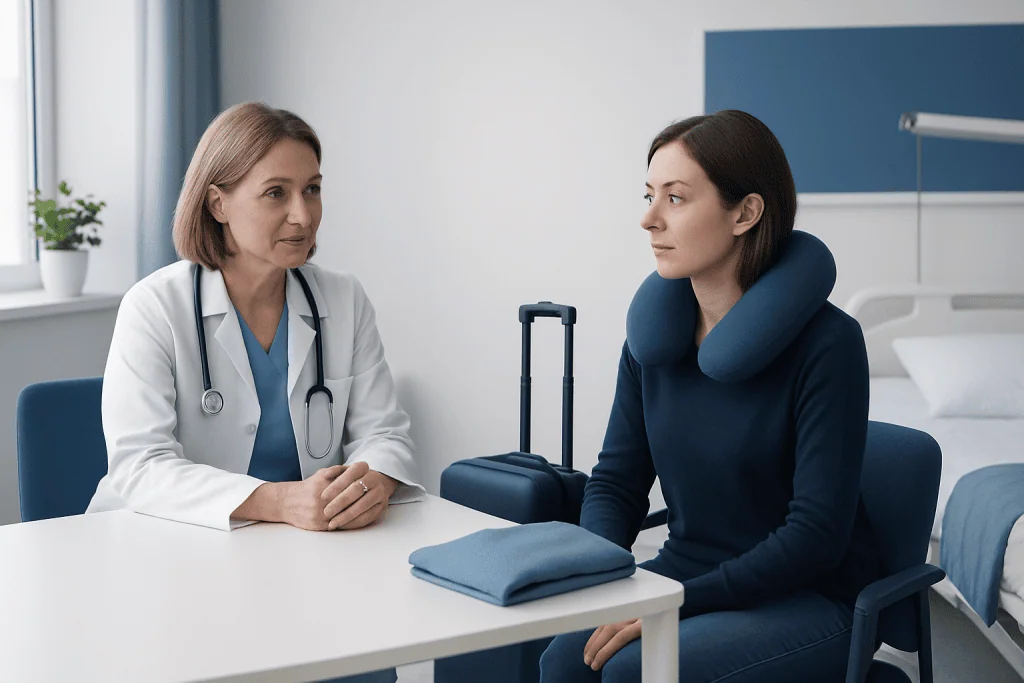
The best comfort items are the ones that reduce pressure, help you rest, and make movement simpler. Depending on your procedure and your clinician’s advice, you may benefit from a small travel pillow, lumbar support cushion, soft scarf or light blanket, and slip-on shoes that are easy to remove and put back on. Loose, breathable layers are often more comfortable than tight waistbands or structured clothing.
If swelling is a concern, choose clothing that does not rub or compress the surgical area unless compression has been specifically advised. Socks, a soft zip-up top, and trousers with a comfortable waistband are usually easier than outfits that require bending, twisting, or overhead movement. You may also want to bring lip balm, moisturizer, and saline spray if cabin air tends to leave you feeling dry.
Noise-cancelling headphones or earplugs can help if you need a quieter environment to rest. A sleep mask may also be useful on longer flights, especially if your energy is low. If your team at Acibadem International has recommended walking at intervals, try to choose an aisle seat where possible, so you can get up with less disruption and less strain.
Medication, hydration, and hygiene essentials
Your medication plan should be clear before you leave the hospital. Carry enough medication for the travel day and a buffer in case of delays, along with written instructions on timing and dosage. Keep medicines in your hand luggage, ideally together in a transparent pouch with prescriptions or pharmacy labels. If you take time-sensitive medication, set alarms on your phone in the correct time zone or note any adjustments your doctor has advised.
Hydration matters because airports and airplane cabins can be dehydrating. Once through security, buy water or refill a bottle if appropriate for you. Sip regularly rather than waiting until you feel thirsty. If your care team has given you fluid restrictions or special dietary advice, follow that guidance rather than general travel tips.
For hygiene, bring hand sanitizer, antibacterial wipes, tissues, and any wound-care items you have been specifically told to keep on hand. Do not improvise dressing changes in an airport unless your medical team has shown you what to do. If you have drains, bandages, or sensitive skin, keep supplies minimal but purposeful, and ask before discharge exactly what needs to stay accessible during the journey home.
Documents and practical travel support to prepare in advance
Paperwork is often the part patients underestimate. Keep your passport, boarding pass, transfer details, hospital contact numbers, discharge summary, prescriptions, and follow-up instructions together in one easy-to-reach folder. If your doctor has provided a fit-to-fly note, a medication letter, or special handling advice for airport staff, keep those at the front.
Take photos of your documents on your phone as a backup, but still carry physical copies when possible. If you are traveling with a companion, share copies with them too. It can also help to save important numbers under clear labels such as hospital, hotel, driver, airline, and emergency contact.
International patient support can make this stage much easier. At Acibadem International, patients often receive help coordinating discharge information, interpreter support, and practical travel planning. That does not remove the need to check your own documents, but it can reduce confusion if you are tired, in pain, or traveling in an unfamiliar environment such as Istanbul.
How to pack for delays, discomfort, and the trip from airport to home
Most journeys are manageable, but comfort improves when you plan for small disruptions. Pack as if you may face a delay of several hours. That means extra medication, one or two suitable snacks, a portable charger, and anything you would be unhappy to lose access to if your checked suitcase arrived late. A simple list on your phone can help you confirm nothing important gets left in the hotel room, hospital room, or transfer vehicle.
Also think beyond the flight itself. Your comfort kit should cover the taxi ride, security queue, boarding process, the flight, baggage claim, and the trip from your arrival airport to your home. If stairs, lifting, or carrying are difficult for you, arrange help in advance. It is usually much easier to request wheelchair or airport assistance before travel day than to figure it out when you are already exhausted.
Once you land, continue following your aftercare instructions. Do not rush to unpack or resume normal activity immediately. If you have follow-up questions after returning home, keep your paperwork and medical contact details accessible. A multidisciplinary team and international patient services, such as those available through Acibadem International, can help you understand what symptoms are expected and when you should seek local medical advice.
Step by step
- Confirm you are fit to fly. Before packing, make sure your surgeon or care team has clearly said you can travel. Ask about sitting time, walking, medications, compression, wound care, eating and drinking, and any warning signs that should delay your flight.
- Build one small, easy-reach comfort kit. Choose a pouch or compact bag that fits inside your personal item and keeps essentials together. The goal is to avoid digging through multiple bags when you need pain relief, documents, wipes, or a charger.
- Separate medical essentials from general travel items. Put medications, prescriptions, discharge papers, and wound-related supplies in their own section. This makes airport checks easier and helps you or your companion find what matters quickly if you feel tired or uncomfortable.
- Dress for healing, not for appearance. Wear loose, soft layers and shoes that are easy to remove and put on. Avoid anything tight, heavy, or difficult to manage in small airplane bathrooms or while seated for long periods.
- Prepare for hydration and delays. Carry approved snacks if needed and plan to get water after security unless your doctor has told you otherwise. Bring extra doses of important medication and a charger so a delayed flight does not become a medical or logistical problem.
- Arrange airport help before travel day. If walking long distances, standing in queues, or lifting bags will be difficult, request assistance from the airline in advance. Ask your hospital team or international patient coordinator to help you think through transfers, boarding, and baggage collection.
- Keep follow-up information close after landing. Do not bury your discharge instructions in your suitcase once the flight is over. Keep them accessible for the first few days at home in case you need to check medication timing, activity limits, or contact details for follow-up questions.
Your checklist
- Passport, boarding documents, and emergency contacts
- Discharge summary, prescriptions, and fit-to-fly note if provided
- All medications in original packaging, plus a small delay buffer
- Water bottle plan and suitable snacks if allowed by your care team
- Travel pillow, light layer, and loose comfortable clothing
- Hand sanitizer, tissues, wipes, and lip balm
- Phone, charger, power bank, and copies of important documents
- One spare set of easy clothing in your cabin bag
Key takeaways
- Pack for access, not just for quantity: your essentials should be easy to reach while seated.
- Always carry medications, discharge papers, and medical letters in your hand luggage.
- Choose soft clothing, simple footwear, and small comfort items that reduce strain.
- Plan for delays with extra medication, hydration, a charger, and one spare outfit.
- Ask your care team for travel-specific instructions before leaving the hospital.
Frequently asked questions
What is the most important item in a post-surgery flight home comfort kit?
Your medications and medical documents are usually the most important items. If you only prioritize a few things, make sure these stay in your hand luggage with your passport and phone, because they are difficult to replace quickly during travel.
Should I pack wound-care supplies in my carry-on?
Yes, but only the items your care team has told you to keep accessible. You generally should not plan to do complicated dressing care in transit unless you have been shown exactly how and when to do it.
Can I fly home alone after surgery?
That depends on your procedure, your mobility, and your doctor’s advice. Some patients manage well alone with airport assistance, while others are safer and more comfortable traveling with a companion, especially after more intensive treatment.
What clothes are best for flying after treatment?
Loose, breathable layers are usually the easiest choice. Soft trousers, a front-opening top, supportive but easy footwear, and a light scarf or cardigan can help you stay comfortable without putting pressure on healing areas.
How much medication should I carry for the journey?
Carry enough for the travel day plus extra in case of delays, and keep it in original packaging if possible. Ask your doctor or discharge team how to handle time-sensitive medicines, especially if you are crossing time zones.
Do I need a doctor’s letter for the airport or airline?
Sometimes, yes, especially if you are traveling with prescription medication, medical supplies, or mobility needs. If you are unsure, ask your hospital team before discharge; international patient services at places such as Acibadem International can often help you understand what paperwork is useful.
What if I start to feel unwell during the trip home?
Tell cabin crew or airport staff promptly, especially if you have significant pain, shortness of breath, bleeding, dizziness, or other symptoms your doctor warned you about. Keep your discharge summary easy to access so you can show staff relevant medical information quickly.

More Patient Guides
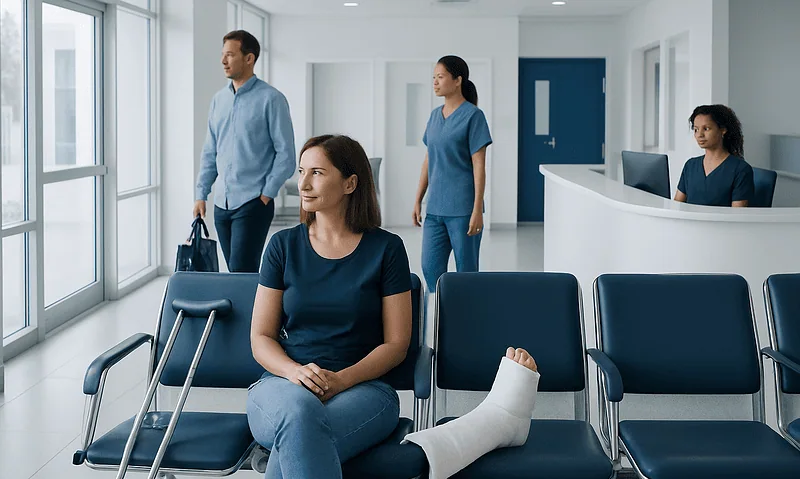
Flying Home with a Cast, Brace, or Limited Mobility After Treatment in Turkey
Flying home with a cast, brace, or limited mobility after treatment in Turkey is possible with airline clearance, airport support, and a…
9 min read
When You May Need Extra Recovery Time in Turkey Before Flying Home
Extra recovery time in Turkey before flying home may be needed if you have pain, swelling or travel restrictions after treatment in…
9 min read
When Is It Safe to Fly After Treatment in Turkey?
When is it safe to fly after treatment in Turkey? Usually only after your surgeon clears you, your pain is controlled, and…
9 min read