

DHEA Supplements: What the Hormone Does, Who the Studies Included and Why Doctors Are Cautious

Key Takeaways
- DHEA is a prohormone: tissues convert it into testosterone and estrogen, and in men most of the supplemental dose ends up as estrogen, not testosterone.
- DHEA-S levels fall about 2 percent a year after the mid-twenties, so a reading of 10 to 20 percent of youthful levels at age 75 is normal aging, not a deficiency disease.
- The two largest randomized trials, lasting one and two years in adults over 60, found no improvement in muscle, strength, fat, insulin sensitivity, or quality of life compared with placebo.
- The only DHEA product approved by US regulators, in 2016, is prescription vaginal prasterone for menopause-related pain during intercourse; it acts locally and is not an oral supplement.
- Voice deepening in women from androgen exposure can be permanent, which is why clinicians treat new vocal changes on DHEA as a reason to stop and be evaluated.
- DHEA is banned year-round by the World Anti-Doping Agency despite being legal to buy, so competitive athletes can fail a drug test with an over-the-counter purchase.
A DHEA supplement contains a hormone the adrenal glands make naturally, which tissues convert into small amounts of testosterone and estrogen. Randomized trials in healthy older adults have mostly found no meaningful gains in strength, memory, or well-being, while the strongest evidence supports a prescription vaginal form for menopause symptoms. Doctors are cautious because of hormonal side effects, variable supplement quality, and unknown long-term risks.
The clip runs 47 seconds. A tanned podcaster holds up a white bottle, calls DHEA “the mother hormone,” and says his blood work “reads like a 25-year-old’s.” As of spring 2025, versions of that clip have pushed the dhea supplement back into the top tier of hormone searches, riding the same wave that has made testosterone for women and “adrenal fatigue” dinner-table topics.
What makes this moment different from the last DHEA craze, in the late 1990s, is the audience. Then, buyers were mostly men over 60 hoping for muscle. Now the questions come from women in their forties weighing menopause options, from gym-goers in their thirties, and from people who have already had a DHEA-S blood test and been told they are “low for age.”
So it is worth slowing down. The hormone is real, the studies are real, and so is the gap between what those studies measured and what the clips promise.
What is DHEA, and what does the hormone do in the body?
DHEA stands for dehydroepiandrosterone, a steroid hormone produced mainly by the adrenal glands, the two walnut-sized organs that sit on top of the kidneys. The ovaries, testes, and brain make smaller amounts. It is the most plentiful steroid hormone in the human bloodstream, which is part of why it attracts so much attention.
The important thing to understand is that DHEA is a prohormone: a raw material rather than a finished product. On its own it has only weak hormonal activity. Its influence comes from what tissues do with it. Enzymes in skin, fat, bone, breast, prostate, and brain convert DHEA into androgens such as testosterone, and into estrogens such as estradiol and estrone. Which way the conversion leans depends on the tissue and on the person’s sex. In men, a good share of supplemental DHEA ends up as estrogen; in women, the shift toward testosterone is more noticeable.
Most of the DHEA in blood circulates as DHEA-sulfate, or DHEA-S, a storage form with a sulfate group attached. DHEA-S lingers for hours to days and barely changes across the day, which is why laboratories measure it instead of DHEA itself. Plain DHEA rises and falls with cortisol, the stress hormone, and a single reading tells you little.
Before menopause, roughly half of a woman’s androgen supply traces back to adrenal DHEA. After the ovaries retire, DHEA becomes the main local source of both estrogen and testosterone inside tissues, a process endocrinologists call intracrinology, meaning hormones made and used within the same cell. That biology explains why the one prescription form of DHEA that has cleared regulatory review is a vaginal product aimed at postmenopausal tissue, not a pill aimed at the whole body.
What does a DHEA supplement do for you, and what does DHEA do in the blood?
Swallow a DHEA capsule and, within a few weeks of daily use, your DHEA-S blood level will typically climb into the range seen in people decades younger. That much is settled. The supplement is chemically identical to the hormone your adrenals make, manufactured in a laboratory from diosgenin, a plant compound found in wild yam and soy. The plant itself cannot do this; only the factory can.
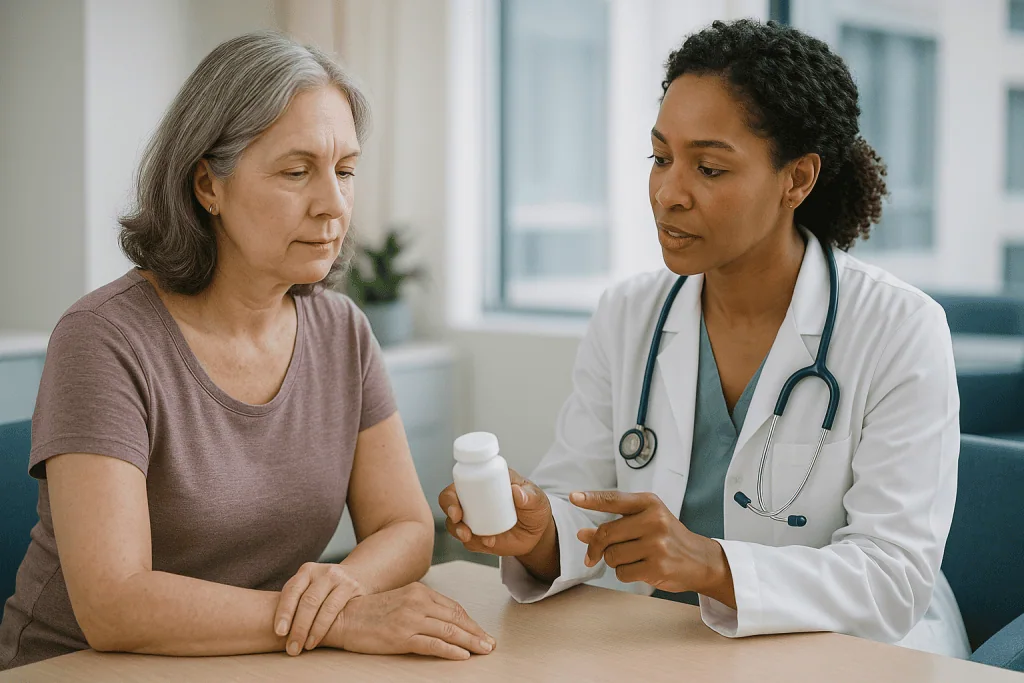
Downstream, the picture blurs. In women, blood testosterone rises measurably, and estrogen rises a little. In men, testosterone barely moves, while estrone and estradiol tend to climb. Pooled analyses indexed in PubMed have confirmed this sex difference repeatedly: DHEA is a more reliable testosterone booster for women than for men, a fact that surprises many male buyers.
What people hope the supplement will do is a longer list: restore energy, sharpen memory, rebuild muscle, revive libido, steady mood, smooth skin, and slow aging. What randomized trials have documented is far more modest, which the sections below unpack. The honest summary is that a dhea supplement reliably changes a number on a lab report and unreliably changes how a healthy person feels or functions.
Regulatory status shapes everything else. In the United States, DHEA is sold as a dietary supplement, which means no agency has reviewed it for safety or effectiveness before sale, and manufacturers may not claim it treats any disease. Several other countries, including the United Kingdom, Canada, and Australia, treat DHEA as a prescription-only medicine. The same molecule, in other words, is a vitamin-aisle product in one country and a controlled drug in another. That mismatch alone should tell you the science is not as tidy as the marketing.
Why do DHEA levels fall with age, and does that matter?
Of all the hormones that drift downward with the years, DHEA drops the hardest. Levels peak in the early to mid-twenties, then decline by roughly 2 percent a year. By age 70 to 80, most people carry only 10 to 20 percent of their youthful DHEA-S. Endocrinologists have a word for this slow slide: adrenopause, meaning the age-related decline in adrenal androgen output, distinct from menopause and unaffected by it.
Nobody knows exactly why it happens. The adrenal zone that produces DHEA, the zona reticularis, gradually thins with age, and the enzymes that feed it become less active. Cortisol production, by contrast, holds steady, so the ratio between the two shifts over a lifetime.
Here is where the anti-aging argument begins, and where caution should begin too. Observational studies, the kind that follow large groups and look for patterns, have linked low DHEA-S to frailty, depression, weaker bones, and higher cardiovascular mortality, particularly in older men. Those associations are real. What they cannot show is direction. DHEA-S also falls during chronic illness, malnutrition, heavy alcohol use, and long-term steroid medication use. A low reading may simply be a marker that the body is under strain, the way a low bank balance signals trouble without causing it.
The test of causation is to give the hormone back and watch what happens. That experiment has been run in several randomized trials, and the results, described below, have mostly disappointed. A falling DHEA level is a well-documented feature of aging. Whether it is a problem to be fixed, or simply a clock to be read, is the question the evidence has so far answered with a shrug.
What changed recently
The current wave of interest is not being driven by a new blockbuster trial. It is being driven by attention: longevity podcasts, short-form video, and a broader public conversation about testosterone in midlife women. The underlying facts, though, have shifted in a few dated steps worth knowing.
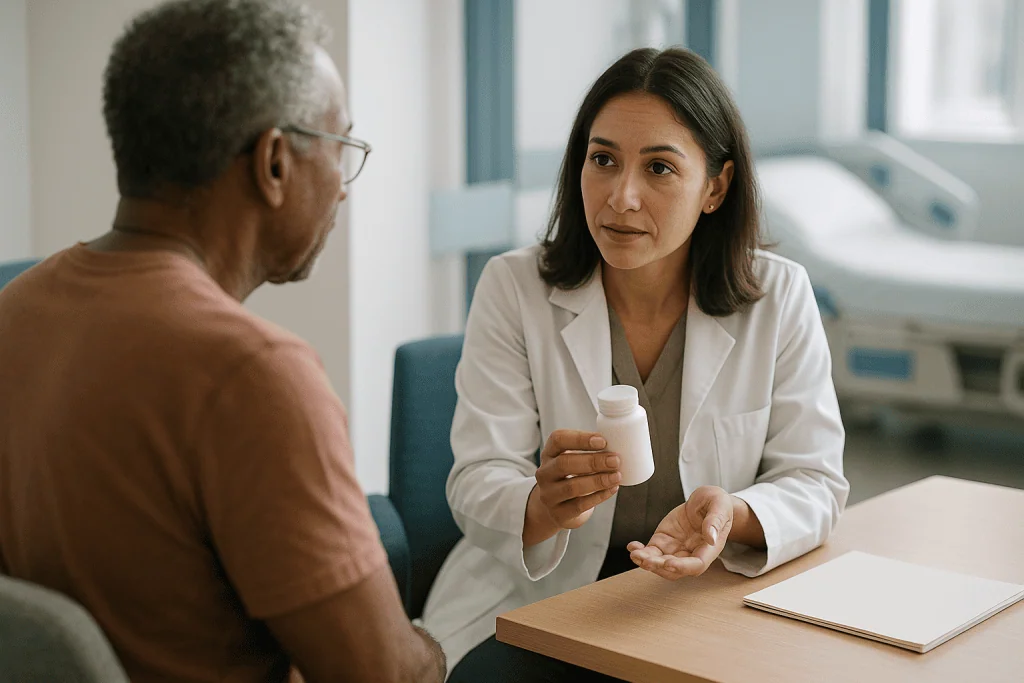
In 1994, the Dietary Supplement Health and Education Act placed DHEA in the dietary supplement category in the United States, which is why it appears on store shelves next to fish oil. In 2004, when Congress reclassified androstenedione and other prohormones as controlled anabolic steroids, DHEA was explicitly exempted, leaving it as the only adrenal steroid hormone still sold over the counter. Sports bodies took a different view: the World Anti-Doping Agency lists DHEA as a prohibited anabolic agent in and out of competition, and collegiate athletic associations follow suit.
In November 2016, the US Food and Drug Administration approved prasterone, the generic name for a prescription vaginal insert containing DHEA, for moderate to severe pain during intercourse caused by menopause-related vaginal changes. MedlinePlus carries a patient monograph for it. This remains the only DHEA product in the United States backed by regulatory review and phase 3 randomized trials, and it works locally in vaginal tissue rather than raising body-wide hormone levels.
Since then, evidence summaries from Mayo Clinic and MedlinePlus have been updated to reflect a steady accumulation of small trials in adrenal insufficiency, depression, and fertility, none of which has moved DHEA into mainstream guideline use for healthy adults. Pooled reviews on testosterone response, some indexed in PubMed with titles that now rank highly in search, have sharpened one point: DHEA raises testosterone in women more consistently than in men.
So the science has crept; the conversation has sprinted. Keep that gap in mind as you read the claims.
Who were the people in the DHEA studies? The participants matter
Every headline about DHEA rests on a surprisingly small and specific group of volunteers. Knowing who they were tells you whether the findings apply to you.
The largest aging trial, run in France and published in 2000, enrolled 280 men and women aged 60 to 79 and followed them for one year. The other landmark, published in the New England Journal of Medicine in 2006, followed 87 older men and 57 older women, all past 60, for two full years. Both trials measured muscle, fat, bone, insulin sensitivity, physical performance, and quality of life. Both required participants to be generally healthy at baseline and excluded anyone with a history of hormone-sensitive cancer or significant heart disease.
The adrenal insufficiency trials, which tested DHEA in people whose adrenal glands had failed, were smaller still, often a few dozen participants each, and mostly women. Depression trials in the 2000s typically enrolled 40 to 50 midlife adults for six to eight weeks. Fertility trials focused on women labeled “poor responders” during in vitro fertilization, meaning their ovaries produced few eggs under stimulation. Lupus trials, testing a prescription-grade preparation, were among the largest, with several hundred women, and still did not lead to approval for that use.
Notice who is missing. Healthy people in their thirties and forties with normal DHEA-S levels, the group now most likely to buy the supplement after watching a video, have almost never been studied. Nor have people taking it for more than two years, which means long-term safety data on breast, prostate, and cardiovascular outcomes simply do not exist. The trials also excluded pregnant and breastfeeding women, people with liver disease, and those on hormone-interacting medicines.
When a clinician hesitates to endorse DHEA for a 42-year-old with fatigue, this is often why: the research was done on someone else.
What the evidence actually says
Evidence comes in grades, and DHEA spans all of them. Randomized controlled trials, where participants are assigned by chance to hormone or placebo, sit at the top. Observational studies come next. Case reports and expert opinion sit at the bottom. Here is where each DHEA claim lands.
Strongest evidence for benefit: menopause-related vaginal symptoms. Multiple randomized phase 3 trials of vaginal prasterone showed meaningful improvement in pain during intercourse and in tissue health compared with placebo. This is the one indication where DHEA has cleared the bar that medicines must clear. It is a prescription product used locally, and it is not the same as an oral supplement.
Strongest evidence of no benefit: healthy aging. The one- and two-year randomized trials in older adults found no significant improvement in muscle mass, strength, fat mass, insulin sensitivity, physical performance, or quality of life over placebo. A Cochrane systematic review on cognition in healthy older people likewise found no improvement in memory or thinking. This is not an absence of evidence; it is evidence of absence, at least over two years.
Moderate but mixed: adrenal insufficiency. Small randomized trials in people whose adrenals have failed found modest improvements in mood and quality of life in some studies and none in others. Pooled analyses suggest a small effect on well-being but not on sexual function. Guidelines allow a supervised trial in selected patients, which is a physician’s judgment call, not a shelf purchase.
Weak or preliminary: depression, bone density, skin, fertility. A handful of small, short randomized trials in midlife depression were positive, but none lasted long enough or enrolled enough people to change practice. Bone density rose slightly in older women in some trials, with no data on fractures. Fertility findings in poor responders are inconsistent and low quality.
Observational only: longevity and heart disease. Associations exist; cause has never been shown. Likely ineffective: sports performance and weight loss, where randomized trials found nothing.
DHEA supplement claims at a glance
A table cannot capture nuance, but it can stop a reader from mistaking a mouse study for a medicine. The grades below follow the pattern described in the previous section, drawing on the summaries published by Mayo Clinic and MedlinePlus.
| Claimed use | Best available evidence | What it shows | Bottom line |
|---|---|---|---|
| Menopause-related vaginal pain and dryness | Multiple randomized phase 3 trials (prescription vaginal prasterone) | Clear improvement over placebo | Only regulator-approved use; prescription, local, not an oral supplement |
| Muscle, strength, fat loss in older adults | Randomized trials up to 2 years | No difference from placebo | Good evidence it does not work |
| Memory and thinking in healthy older adults | Cochrane systematic review of randomized trials | No improvement | Not supported |
| Adrenal insufficiency (well-being) | Small randomized trials, pooled analyses | Small, inconsistent gains in mood and quality of life | Specialist-supervised only |
| Depression in midlife | Small, short randomized trials | Some positive signals | Preliminary; not a substitute for standard care |
| Bone density in older women | Small randomized trials | Slight rise in density; no fracture data | Uncertain clinical meaning |
| IVF poor responders | Small, low-quality trials | Mixed results | Uncertain |
| Athletic performance | Randomized trials | No effect; banned in sport regardless | Not supported |
| Longer life, heart protection | Observational studies only | Low levels associated with worse outcomes | Association, not cause |
Two patterns stand out. The only strong “yes” involves a prescription product acting on a single tissue. Every body-wide promise, from muscle to memory to lifespan, either fails in trials or rests on the weakest kind of data. That asymmetry, more than any single study, is why the medical community has stayed on the sidelines while the marketing has not.
Why does DHEA make some people feel so good?
Plenty of people who try DHEA report a lift within days: more drive, brighter mood, a sense that the lights came back on. Dismissing that as imagination would be both rude and scientifically lazy. There are at least three real mechanisms, and only one of them involves the hormone.
The first is androgen. In women especially, DHEA raises circulating testosterone, and testosterone influences libido, motivation, and energy. A woman whose levels have drifted low after menopause or oophorectomy may notice the change quickly. This is the same reason trials in older women occasionally register small gains in sexual interest even when nothing else improves.
The second is the brain itself. DHEA and DHEA-S act as neurosteroids, meaning hormones that directly tune nerve-cell receptors rather than working through genes. They nudge the GABA system, the brain’s main braking network, and the NMDA system, involved in alertness and learning. Laboratory studies suggest this could shift mood and arousal, which may be why the small depression trials showed signals and why some users report insomnia or agitation instead of calm.
The third is expectation. In the two large aging trials, the placebo groups reported feeling better, too, and by the end of the studies the hormone and placebo groups were indistinguishable on well-being scores. Buying a product framed as a youth hormone and paying close attention to how you feel afterward is a powerful intervention in itself.
There is also a less welcome version of feeling good. Case reports describe irritability, racing thoughts, and, rarely, mania after starting DHEA, particularly in people with a history of mood disorders. An unusually energized first week is worth mentioning to a clinician rather than celebrating. Feeling better is genuine information. It just is not proof of what caused it.
Is DHEA better than HRT? DHEA vs HRT explained
This question comes up constantly, and it assumes a like-for-like comparison that does not exist. Hormone replacement therapy, more often called menopausal hormone therapy, means prescribed estrogen, usually with progesterone for women who have a uterus, in defined doses that have been tested for decades in large randomized trials. An oral DHEA supplement is an unregulated prohormone that each person’s tissues convert into unpredictable amounts of estrogen and testosterone.
On the outcomes women most often want addressed, the two are not close. Hot flashes and night sweats respond reliably to estrogen therapy; no randomized trial has shown oral DHEA relieves them to a similar degree. Fracture prevention is documented for estrogen therapy; DHEA has produced only small changes in bone density with no fracture data. Sleep, joint aches, and mood in the menopause transition have been studied extensively with hormone therapy and barely at all with DHEA.
The comparison becomes fairer on one narrow front. For vaginal dryness and painful intercourse, prescription vaginal prasterone, the regulated form of DHEA, is a recognized option alongside low-dose vaginal estrogen, and randomized trials support it. That is a conversation to have with a clinician, because the choice depends on personal history, including any hormone-sensitive cancer.
What about the “natural” argument, the idea that DHEA is gentler because the body makes it? The body makes estradiol, too. Once a hormone is swallowed in supplemental amounts, its origin stops mattering; what matters is the dose reaching tissues and how consistently that dose is delivered. Regulated hormone therapy is engineered for consistency. A supplement is not, and analyses have found capsule contents varying widely from the label.
Neither option is right for everyone, and neither is a self-prescription. Whether to use any hormone in menopause, which one, and for how long is a decision for the treating clinician who knows the full picture.
Is it okay to take a DHEA supplement every day?
The daily-use question is really two questions: is it safe for a while, and is it safe indefinitely? The evidence answers the first cautiously and the second not at all.
In the randomized aging trials, older adults took DHEA daily for one to two years under medical monitoring. Serious harms were uncommon in that window. Blood pressure, liver tests, and prostate markers did not shift alarmingly. That is reassuring as far as it goes, and it goes exactly two years in people over 60 who were screened to exclude cancer and heart disease.
Beyond that, the trail ends. Nobody has followed daily DHEA users for a decade and counted breast, prostate, or ovarian cancers. Because DHEA feeds estrogen and testosterone production in exactly those tissues, that missing data is not a technicality. Mayo Clinic and MedlinePlus both advise people with a history of hormone-sensitive cancer to avoid it entirely on that basis.
Daily use also raises the odds of the slower, cumulative side effects covered in the next section: lowered HDL cholesterol in women, acne that does not clear, thinning scalp hair, and in some women a deepening voice that does not reverse when the supplement stops. Younger people whose adrenals are still producing normal amounts gain nothing from adding more and take on all of the risk.
There is a group for whom a clinician may deliberately recommend daily DHEA: people with adrenal insufficiency whose glands cannot make it, or postmenopausal women using the prescription vaginal form. In those cases the decision, the product, and the monitoring belong to the prescribing clinician, who will typically check hormone levels and lipids along the way.
For everyone else, “every day” is a hormone-therapy commitment being made in a supplement aisle, and it deserves a doctor’s visit first, not a habit second.
What are the DHEA side effects doctors watch for?
Because DHEA turns into testosterone and estrogen, its side effects look like too much of either. They tend to cluster by sex, and a few of them do not fade when the capsules stop.
In women, the androgen effects lead: oily skin and acne, new or coarser facial and body hair, thinning scalp hair in a male pattern, irregular or missed periods, and a deepening voice. That last one deserves emphasis. Voice changes from androgen exposure can be permanent because they involve physical thickening of the vocal cords. Some women also see a drop in HDL, the protective cholesterol, which matters for long-term heart risk.
In men, the estrogen effects lead: breast tenderness or enlargement, and shrinking of the testicles with longer use as the body dials down its own production. Because DHEA can convert to testosterone within prostate tissue, men with prostate cancer or an enlarged prostate are advised to avoid it.
Across both sexes, users report insomnia, headache, fatigue, nasal congestion, palpitations, and mood shifts ranging from irritability to, rarely, manic episodes. Liver strain has been reported in case series, which is why people with liver disease are steered away.
Interactions add another layer. Mayo Clinic lists possible interactions with antipsychotics, carbamazepine, estrogens and testosterone products, lithium, some antidepressants, triazolam, and valproic acid. DHEA can also alter blood sugar and may blunt or amplify other hormone medicines. Anyone taking a prescribed medicine should tell their clinician before adding DHEA, and no one should adjust or stop a prescribed medicine on their own to make room for a supplement.
Finally, DHEA distorts laboratory results. It raises DHEA-S, testosterone, and estrogen readings, which can mislead a clinician investigating fatigue, hair loss, or irregular cycles. If you are taking it, say so before any blood is drawn.
Why are doctors cautious about DHEA?
Ask an endocrinologist about DHEA and you rarely get alarm. You get a list of reasons the risk-benefit math does not add up for most people, and it is worth hearing that list rather than a slogan.
First, it is a hormone sold like a vitamin. Every other adrenal or gonadal steroid, from cortisol to testosterone, requires a prescription in the United States because of its potential for harm and misuse. DHEA’s exemption is a legislative artifact, not a scientific finding.
Second, quality is unverified. Because supplements are not pre-approved, no agency checks what is in the bottle before it is sold. A published laboratory analysis of over-the-counter DHEA products in the late 1990s found actual content ranging from none at all to well above the labeled amount. Third-party testing programs exist, but participation is voluntary.
Third, the benefit column is thin. For a healthy adult, the best randomized trials show no gain in the very outcomes the supplement is marketed for. Clinicians are trained to weigh a real, if modest, risk against a demonstrated benefit. Here the benefit is largely absent, so even a small risk tips the scale.
Fourth, the risk column contains an unanswered question about cancer. Breast, prostate, and ovarian tissues all respond to the hormones DHEA becomes. No long-term trial has ruled out harm, and no clinician can promise safety that the data do not contain.
Fifth, DHEA can hide a real diagnosis. Fatigue, low mood, and low libido have dozens of causes, from thyroid disease and sleep apnea to depression and iron deficiency. A supplement that lifts mood for a month can delay finding the actual problem by a year.
None of this makes DHEA a villain. It makes it a hormone with a narrow proven use and a wide unproven one, which is precisely the kind of product that deserves a conversation rather than a click.
What does a DHEA-S blood test tell you, and what is "low for age"?
A growing number of people arrive at the supplement question because a lab report flagged their DHEA-S as low. Understanding what the test is for makes that flag far less frightening.
The DHEA-S test measures the sulfated form of the hormone in blood. MedlinePlus lists its established uses: evaluating whether the adrenal glands are working, investigating excess androgen symptoms in women such as unwanted hair growth or irregular cycles, checking for adrenal tumors or congenital adrenal hyperplasia, and assessing early or delayed puberty in children. In each of those situations the result is interpreted alongside cortisol, testosterone, and other markers, never alone.
Reference ranges for DHEA-S are age-banded because the hormone declines so predictably. A value that would be alarming in a 25-year-old is routine at 65. Some direct-to-consumer panels report a result as low relative to a younger adult range, which turns a normal fact of aging into an apparent deficiency. There is no established diagnosis of “DHEA deficiency” in an otherwise healthy adult, and no professional guideline recommends screening healthy people for it.
Genuinely low DHEA-S does matter in specific contexts. It is a feature of primary adrenal insufficiency, where the adrenals fail; of long-term glucocorticoid medication use, which suppresses adrenal output; of hypopituitarism; and of severe illness or malnutrition. A clinician seeing a very low value in a younger person will look for one of those causes rather than reach for a supplement.
High DHEA-S can be more telling than low. It points toward polycystic ovary syndrome, adrenal hyperplasia, or, rarely, an adrenal tumor, and it prompts further imaging or hormone testing.
If a report has you worried, bring it to the clinician who ordered it, or to a primary care clinician if you ordered it yourself. Interpretation depends on your age, sex, symptoms, and medicines. A number without that context is not a diagnosis, and it is certainly not a prescription.
Common myths about DHEA supplements
Viral claims about DHEA tend to repeat the same handful of errors. Here are the ones most worth correcting.
“Wild yam cream gives you natural DHEA.” It does not. Wild yam contains diosgenin, a chemical that laboratories can convert into DHEA through several industrial steps. The human body lacks the enzymes to do this. Rubbing yam extract on your skin delivers no DHEA and no hormone.
“It’s natural, so it’s safe.” DHEA is natural in the same sense that estrogen, cortisol, and testosterone are natural. Once swallowed in supplemental amounts, it behaves like any other hormone medicine, with the same capacity to cause acne, hair changes, lipid shifts, and interactions.
“It rebuilds muscle like testosterone.” Two-year randomized trials in older adults measured lean mass, fat mass, and strength directly and found no difference from placebo. Sports bodies ban it as a precaution against abuse, not because trials show it improves performance.
“It boosts testosterone in men.” In men, most supplemental DHEA is converted to estrogen. Testosterone changes are small and inconsistent. Women see a more reliable testosterone rise, which is also where the side effects concentrate.
“It restores youth.” It restores a youthful DHEA-S number on a lab report. The trials designed to see whether that number translates into younger muscles, sharper memory, or better daily function did not find it.
“Doctors ignore it because it’s cheap and unpatentable.” Academic groups have run placebo-controlled trials of DHEA for more than 25 years, including in people with adrenal failure, lupus, depression, and infertility. The results, not a lack of interest, explain the caution.
“If your DHEA-S is low, you have adrenal fatigue.” “Adrenal fatigue” is not a recognized medical diagnosis, and DHEA-S falls with normal aging. Truly low values point toward specific, testable conditions that a clinician can identify.
When to see a doctor about DHEA
Because DHEA is a hormone, the moments that call for a clinician are the same ones that would apply to any hormone medicine, plus a few that apply before you ever open a bottle.
See a doctor before starting if you have ever had breast, ovarian, uterine, or prostate cancer, or a strong family history of them; if you have liver disease, polycystic ovary syndrome, a mood disorder, or heart disease; if you are pregnant, breastfeeding, or trying to conceive; if you are under 30; or if you take any prescription medicine, particularly antidepressants, antipsychotics, mood stabilizers, seizure medicines, blood thinners, diabetes medicines, or other hormones. Bring the bottle or a photo of the label so the clinician can see exactly what it contains.
Seek prompt medical attention if, while taking DHEA, you notice any of the following red-flag signs:
- A new breast lump, nipple discharge, or unexpected vaginal bleeding, including any bleeding after menopause
- Yellowing of the skin or eyes, dark urine, or pain under the right ribs, which can signal liver strain
- Chest pain, shortness of breath, or swelling and pain in one calf
- Racing thoughts, severe insomnia, unusual agitation, or a sense of being “too good,” especially with any history of bipolar disorder or depression
- A deepening voice, rapid new facial hair, or sudden scalp hair loss in a woman, since some of these changes can become permanent
- Difficulty urinating or a weak stream in a man
- Severe fatigue, dizziness on standing, nausea, or fainting, which may point to an adrenal problem rather than a supplement effect
Contact the clinician who ordered the test if a DHEA-S result was flagged as high or low, rather than treating the number yourself. And never stop, reduce, or replace a prescribed medicine to make room for DHEA. Whether any form of DHEA fits your situation, which product, and for how long are decisions that belong to the clinician who knows your full history, and a good one will welcome the question.
Frequently asked questions
What does a DHEA supplement do for you?
A DHEA supplement raises blood levels of DHEA-S and, downstream, modestly raises testosterone in women and estrogen in men. Randomized trials in healthy older adults found this did not translate into more muscle, less fat, better memory, or higher quality of life than placebo. The one well-proven use is a prescription vaginal form for menopause-related pain during intercourse. Small trials suggest possible mood benefits in adrenal insufficiency and depression, but the evidence is preliminary.
Is it okay to take DHEA every day?
Daily DHEA was used for up to two years in monitored trials of adults over 60 without frequent serious harm, but nobody has studied longer use or younger, healthy users. Because DHEA feeds estrogen and testosterone production in breast, prostate, and ovarian tissue, long-term cancer risk is unknown. Cumulative side effects such as lowered HDL, acne, hair changes, and voice deepening also become more likely. Daily use is a decision for a clinician, not a default.
Why does DHEA make me feel so good?
Three things can be happening at once. In women, DHEA raises testosterone, which influences libido, energy, and motivation. DHEA also acts as a neurosteroid, directly tuning GABA and NMDA brain receptors involved in mood and alertness. And expectation is powerful: in the major trials, placebo groups reported feeling better too. An unusually energized or agitated first week, especially with a history of mood disorders, is worth mentioning to a clinician.
Is DHEA better than HRT? How does DHEA vs HRT compare?
No. Menopausal hormone therapy is prescribed estrogen, usually with progesterone, tested in large randomized trials for hot flashes, night sweats, and fracture prevention. Oral DHEA has not shown comparable relief of those symptoms, and supplement contents vary. The one fair comparison is vaginal symptoms, where prescription vaginal prasterone, a regulated form of DHEA, is a recognized option alongside vaginal estrogen. Which, if either, suits you is a decision for your clinician.
What are the DHEA benefits for women?
The best-supported benefit for women is relief of menopause-related vaginal dryness and painful intercourse using prescription vaginal prasterone, backed by randomized phase 3 trials. Oral DHEA raises testosterone in women, and some trials in older women showed small gains in libido or bone density, but not in muscle, memory, or overall well-being. Women with adrenal insufficiency may see modest mood improvement under specialist care. Side effects like acne, facial hair, and voice change concentrate in women.
Does DHEA raise testosterone in men?
Only slightly and inconsistently. In men, most supplemental DHEA is converted to estrone and estradiol rather than testosterone, which is why breast tenderness is a reported side effect. Randomized trials in older men found no meaningful gain in muscle or strength. Men with prostate cancer or an enlarged prostate are advised to avoid DHEA because prostate tissue can convert it locally to testosterone. Low testosterone should be evaluated by a clinician rather than self-treated.
Can DHEA help with depression?
Small, short randomized trials in midlife adults with depression reported some improvement over placebo, and DHEA’s neurosteroid activity offers a plausible mechanism. The studies enrolled only a few dozen people for six to eight weeks, so the evidence is graded preliminary, not established. Case reports also describe agitation and mania after starting DHEA. Depression should be assessed and treated by a clinician, and no prescribed antidepressant should be stopped in favor of a supplement.
Does DHEA help with weight loss or building muscle?
The evidence says no. Two-year randomized trials in older adults measured lean mass, fat mass, strength, and insulin sensitivity directly and found no difference from placebo. Mayo Clinic lists DHEA as likely ineffective for improving athletic performance, and sports authorities ban it regardless. Proven approaches to body composition remain resistance training, adequate protein, and sleep, alongside medical care for any underlying metabolic condition.
Who should not take DHEA?
People with a history of breast, ovarian, uterine, or prostate cancer, or a strong family history, are advised to avoid DHEA because it converts to hormones those cancers respond to. It is also not advised in pregnancy or breastfeeding, in liver disease, in polycystic ovary syndrome, in bipolar or other mood disorders, in people under 30 with normal levels, or alongside interacting medicines such as antipsychotics, mood stabilizers, or other hormones. Ask a clinician before starting.
Is DHEA banned in sports?
Yes. The World Anti-Doping Agency lists DHEA as a prohibited anabolic agent both in and out of competition, and collegiate and professional bodies follow similar rules. Its legal over-the-counter status in the United States does not protect an athlete from a positive test, and because supplement labels can be inaccurate, contamination is a recognized risk. Competitive athletes should treat any hormone-containing supplement as off-limits and check with their sport’s medical staff.
This article is for general information only and is not a substitute for professional medical advice. Please consult a qualified doctor about your individual situation.

More from the Blog

Perimenopause Age: When It Starts, How Long It Lasts and the Signs at 35, 40 and 45
Perimenopause most often begins in a woman's mid-40s, and the average age of the final period in the United States is about 51. It…

How Long Does Menopause Last? Stages, Timelines and What Changes the Length
Menopause itself is a single moment: the point twelve months after a final menstrual period. The symptomatic transition around it usually lasts years. Perimenopause…
Menopause Face: How Falling Estrogen Changes Skin, Fat and Bone, and the Options
Menopause face is an informal term for the visible facial changes that follow falling estrogen: thinner, drier skin with less collagen, shrinking fat pads…
HRT and Breast Cancer Risk: What the Latest Evidence and the Updated Labeling Actually Say
Current evidence shows that systemic combined HRT (estrogen plus a progestogen) is linked to a small increase in breast cancer diagnoses that grows with…

Menopause Joint Pain: The Estrogen Connection Doctors Are Now Naming
Menopause joint pain is common: aching, stiff joints, often worst in the morning, that begin or worsen as estrogen declines in perimenopause and menopause.…

Testosterone Pellets vs Gels vs Injections: How the Delivery Method Changes Levels and Risks
Testosterone pellets, gels and injections deliver the same hormone but produce different blood-level patterns. Pellets implanted under the skin release testosterone steadily for months…