

Everyday Precautions With Neutropenia: Food Handling, Crowds, Hygiene and Travel

Key Takeaways
- Adults are generally considered neutropenic below an absolute neutrophil count of 1,500 per microliter, and severely neutropenic below 500, when infection risk rises steeply.
- Most infections during neutropenia come from a person's own skin and gut bacteria crossing a damaged barrier, which is why mouth, skin and catheter care matter as much as avoiding crowds.
- Strict neutropenic diets that ban fresh fruit and salad have not been shown in systematic reviews to reduce infection; well-washed produce with thorough cooking of meat, eggs and seafood is the evidence-based approach.
- The neutrophil nadir after chemotherapy typically arrives about 7 to 14 days after a dose, so precautions can be concentrated around that window rather than applied constantly.
- Handwashing with soap for at least 20 seconds, particularly before eating and after public spaces, remains the single most effective everyday measure.
- A temperature of 100.4°F (38°C) or higher during neutropenia is a medical emergency requiring immediate contact with your care team, regardless of how well you feel.
Living with neutropenia means lowering your exposure to germs while your neutrophil count is low. Core precautions include thorough handwashing, cooking meat, eggs and seafood fully, avoiding unpasteurized and raw foods, keeping distance from people who are unwell, careful mouth and skin care, and planning travel with your care team. A temperature of 100.4°F (38°C) or higher needs urgent medical attention.
The pot of chili is already simmering when the question lands. Her sister, two weeks past her second chemotherapy cycle, is due for dinner, and someone at the table asks whether the sour cream is pasteurized, whether the salad should be skipped, and whether it is even wise to have six people in one kitchen. Nobody is sure. Everyone has heard something different.
That uncertainty is familiar to anyone learning to live with neutropenia precautions, whether the low count follows cancer treatment, a bone marrow condition, or an autoimmune disease. Advice arrives from every direction, and much of it is decades out of date.
The good news is that the evidence has become simpler, not more complicated. A handful of habits carry most of the protective weight. This guide walks through what those habits are, why they work, and where popular rules have drifted away from what the science actually supports.
What is neutropenia and why do everyday precautions matter?
Neutrophils are the white blood cells that arrive first when bacteria or fungi breach the skin or gut lining. They make up the largest share of your white cell count, and they work fast, swallowing microbes within hours. Neutropenia is the medical term for having too few of them. According to Mayo Clinic, adults are generally considered neutropenic when the absolute neutrophil count (ANC, the number of neutrophils per microliter of blood) falls below 1,500, and severely neutropenic below 500.
Why does that number matter for a plate of food or a crowded bus? Because the body’s usual early warning system goes quiet. Redness, pus and swelling are largely produced by neutrophils doing their job. Without them, an infection can spread with few outward signs, and fever may be the only clue. Cleveland Clinic notes that the risk of serious infection climbs steeply once the ANC drops under 500, and bacteria that normally live harmlessly on your skin or in your bowel become the most common culprits.
That last point reshapes how precautions should be understood. Most infections in people with neutropenia do not arrive from a stranger’s sneeze. They come from the person’s own microbes crossing a barrier: a mouth sore, a cracked cuticle, an irritated gut lining, a central line site. Everyday precautions therefore have two aims. The first is to reduce the load of new germs coming in through food, hands and close contact. The second, often overlooked, is to keep your own barriers intact and to spot a breach early.
Keeping both aims in view stops precautions from tipping into isolation. You are protecting a temporarily thin line of defense, not hiding from the world.
Living with neutropenia precautions: who needs them most, and who can usually relax them
Not every low count carries the same risk, and care teams tailor advice accordingly. The people asked to be most careful usually share one or more features: an ANC below 500, a count expected to stay low for more than a week, a central venous catheter, mucositis (painful inflammation of the mouth and gut lining caused by treatment), or a stem cell transplant in the recent past. Cleveland Clinic describes this combination of depth and duration as the main driver of infection risk.
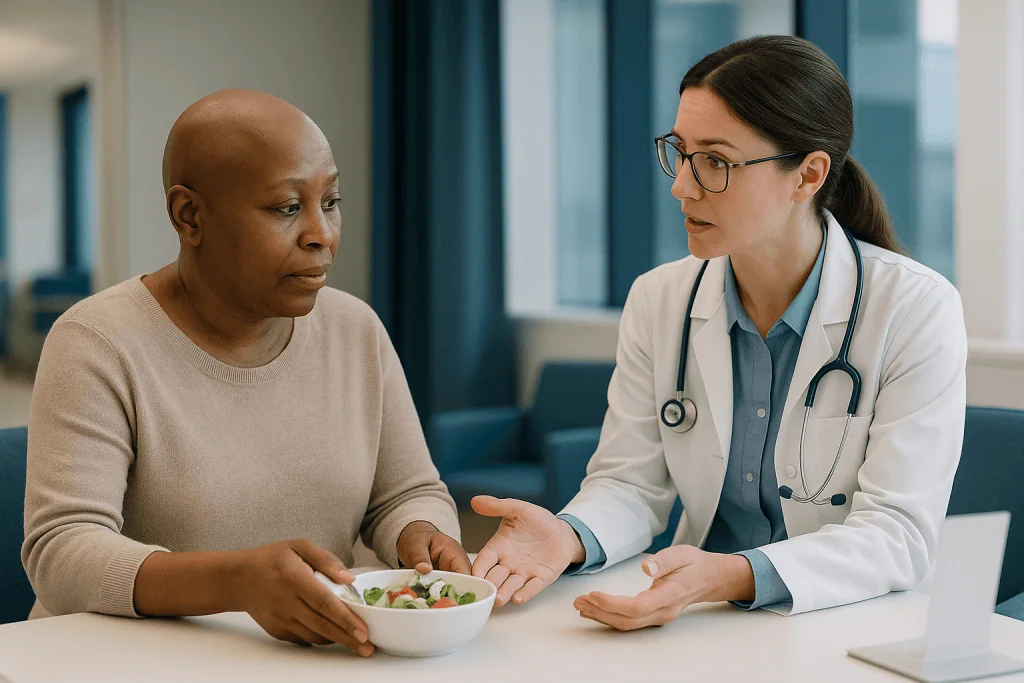
People receiving chemotherapy for solid tumors often have brief dips that recover on their own within days. Their teams may advise standard food safety and hand hygiene without stricter measures. People with leukemia undergoing intensive treatment, or those in the weeks after a transplant, are commonly asked to follow more detailed guidance and, in some settings, to stay in a protected hospital environment during the deepest part of the drop.
Then there are the long-term situations. Some people live for years with a mildly or moderately reduced count. Benign ethnic neutropenia, a hereditary variant seen more often in people of African or Middle Eastern ancestry, produces counts that are lower than the standard reference range yet carry no increased infection risk, according to Cleveland Clinic. Chronic idiopathic neutropenia and cyclic neutropenia sit in between and are managed individually.
Who is usually asked to wait before relaxing precautions? Anyone whose count has not yet been rechecked after treatment, anyone with a new mouth ulcer or line-site redness, and anyone with an unexplained temperature. The decision to loosen or tighten rules always rests with the treating team, because they can see the count trend and the treatment plan together in a way no general article can.
How to handle food safely when you have neutropenia
Food is where most people begin, and rightly so. The gut is a long, busy border, and the microbes that cause trouble in neutropenia frequently enter that way. MedlinePlus, in its guidance on safe eating during cancer treatment, organizes the advice around four familiar words: clean, separate, cook and chill.
Clean means washing hands before and after handling food, scrubbing produce under running water, and cleaning cutting boards and counters after raw meat touches them. Separate means keeping raw meat, poultry, seafood and eggs away from ready-to-eat foods, in the cart, in the fridge and on the counter. Cook means using a food thermometer rather than color as your guide. Chill means refrigerating perishable food within two hours of cooking or buying, and within one hour when the room is hot.
The table below summarizes the internal temperatures that MedlinePlus and CDC food safety guidance treat as the point at which common pathogens are destroyed.
| Food | Safe internal temperature | Practical check |
|---|---|---|
| Poultry, whole or ground | 165°F (74°C) | Thermometer in thickest part; juices run clear is not enough |
| Ground beef, pork, lamb | 160°F (71°C) | No pink in the center |
| Whole cuts of beef, pork, lamb | 145°F (63°C) plus a 3-minute rest | Rest before slicing |
| Fish and shellfish | 145°F (63°C) | Flesh opaque and flaking |
| Eggs | Cook until yolk and white are firm | No runny yolks, no raw batter |
| Leftovers and casseroles | 165°F (74°C) | Steaming hot throughout |
A thermometer costs little effort and removes guesswork. It is arguably the single most useful kitchen tool for this period.
Neutropenic diet food list: is a strict diet still recommended?
For decades, hospitals handed out a “neutropenic diet”: no fresh fruit, no salad, no pepper from the shaker, no yogurt with live cultures. The logic was intuitive. Fewer bacteria on the plate, fewer bacteria in the gut. The evidence, however, has not supported the more restrictive versions.
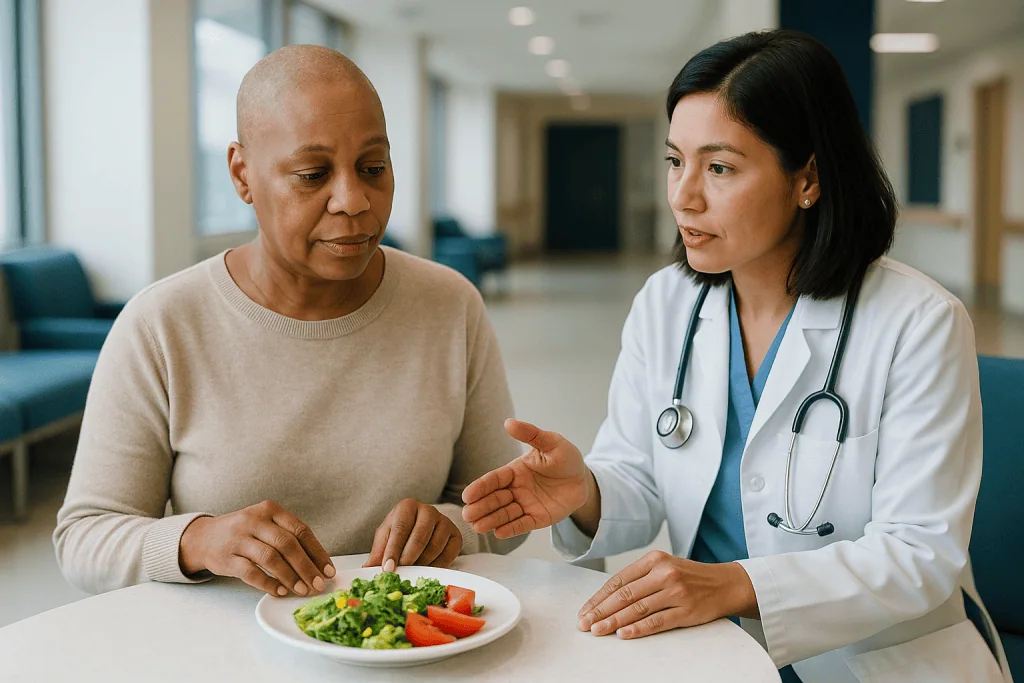
Systematic reviews indexed in PubMed, comparing strict neutropenic diets with standard food safety practices in people undergoing chemotherapy or transplant, have not found a reduction in infection rates or mortality with the stricter approach. Several cancer centers and professional bodies have accordingly moved toward the same food safety rules recommended for anyone with a weakened immune system, rather than a separate list of forbidden foods. Cleveland Clinic’s current patient guidance reflects this shift, emphasizing safe handling and thorough cooking over blanket bans.
What does that mean for the shopping list? The foods that remain worth avoiding are those that are high risk for everyone with reduced immunity, because they can carry Listeria, Salmonella or E. coli that no rinsing removes:
- Unpasteurized milk, cheese, juice and cider
- Soft cheeses made with raw milk, such as some brie, camembert, feta and blue varieties
- Raw or undercooked meat, poultry, fish and shellfish, including sushi, oysters and rare steak
- Raw or runny eggs, and foods containing them, such as homemade mayonnaise or uncooked dough
- Raw sprouts of any kind, since the sprouting conditions favor bacterial growth
- Deli meats and refrigerated smoked seafood unless heated until steaming
- Unwashed fruit and vegetables
Well-washed fresh produce, pasteurized dairy, thoroughly cooked meals and commercially sealed foods generally stay on the table. If your team gives you a more restrictive list, follow it; they may have reasons specific to your treatment. The point is that restriction should be a clinical decision, not a reflex.
Kitchen habits that protect more than any food list
Watch an experienced hospital dietitian in a home kitchen and you notice what they attend to. It is rarely the food itself. It is the sponge, the cutting board, the fridge thermometer, the half-eaten container pushed to the back shelf.
Sponges and dishcloths hold moisture and food residue, which is precisely what bacteria need. Change them frequently, wash cloths on a hot cycle, and consider paper towels for wiping surfaces that have touched raw meat. Cutting boards with deep knife grooves are hard to clean; plastic boards can go through the dishwasher, and dedicating one board to raw protein and another to everything else removes the most common cross-contamination route.
Refrigerator temperature deserves a check. CDC food safety guidance recommends keeping the fridge at or below 40°F (4°C) and the freezer at 0°F (-18°C). Many household fridges run warmer than their dial suggests, and an inexpensive thermometer on the middle shelf settles the question. Leftovers should be eaten within three to four days, according to MedlinePlus, or frozen. If in doubt, throw it out is not folksy caution; it is the standard advice for anyone with reduced immunity.
Buffets, salad bars and self-serve stations pose a different problem: food held at lukewarm temperatures for long periods, handled by many people. During a period of low counts, freshly cooked food served hot is the safer order. When eating out, choosing dishes that arrive steaming and asking for meat to be cooked through are reasonable requests that most kitchens handle without fuss.
Bottled or boiled water is not usually needed where municipal water is treated. Private well water, or any supply under a boil notice, is a different matter and worth raising with your team.
Crowds, visitors and public places: how much distance is enough?
Here the advice often overshoots. Stories circulate of people confined to a single room for months, yet mainstream guidance is more measured. NHS guidance on chemotherapy side effects advises avoiding close contact with people who have infections, such as colds, flu or stomach bugs, and steering clear of crowded, poorly ventilated spaces during periods when the count is expected to be lowest. It does not counsel total isolation.
Respiratory viruses spread most readily in enclosed, packed settings: full public transport at rush hour, busy indoor venues, waiting rooms. Choosing quieter times of day, sitting near ventilation, and wearing a well-fitting mask in crowded indoor settings are sensible, low-cost measures. Outdoor spaces, by contrast, carry far lower risk, and a walk in the park is generally encouraged rather than discouraged.
Visitors can be welcomed with a few simple rules. Anyone with a cough, sore throat, fever, rash, vomiting or diarrhea should postpone. Children who have recently had a live vaccine, or who attend daycare during a stomach bug outbreak, are worth a conversation with your team before a visit. Everyone who comes through the door washes their hands first. None of this needs to be awkward when it is framed as a house rule during treatment rather than a judgment on the guest.
Vaccination of household members also protects you indirectly. CDC recommends that close contacts of immunocompromised people stay up to date with inactivated vaccines, including the annual flu vaccine. Your own vaccination schedule is a separate question; live vaccines are generally avoided during significant neutropenia, and timing of inactivated vaccines around chemotherapy is a decision for your team.
Neutropenia infection prevention tips: hands, mouth and skin
If you remember only one line from this article, let it be this: your hands are the most frequent courier of germs to your mouth, eyes and any wound. CDC hand hygiene guidance recommends washing with soap and water for at least 20 seconds, roughly the length of humming “Happy Birthday” twice, before eating or preparing food, after using the toilet, after touching animals, after blowing your nose, and after being in public spaces. Alcohol-based hand sanitizer with at least 60 percent alcohol is a reasonable substitute when hands are not visibly dirty.
The mouth is the second front. Chemotherapy and radiation can inflame the lining, and each small ulcer is a doorway. Cleveland Clinic and NHS guidance suggest brushing gently with a soft toothbrush after meals and before bed, replacing the brush regularly, and using an alcohol-free mouth rinse if your team recommends one. Flossing is usually fine if it does not cause bleeding; if your platelet count is also low, ask before continuing. Routine dental work is generally scheduled for periods when counts have recovered.
Skin needs the same attention. Keep it moisturized to prevent cracking, especially on hands and heels. Use an electric razor rather than a blade. Wear gloves for gardening, cleaning and dishwashing. Trim nails straight and avoid cutting cuticles. Any cut, however minor, should be washed promptly, covered with a clean dressing and watched.
A few everyday exposures are worth pausing during deep neutropenia:
- Manicures, pedicures and waxing at salons
- Tattoos, piercings and cosmetic injections
- Hot tubs, public pools and natural bodies of water, where bacteria thrive in warm water
- Rectal thermometers and suppositories, unless your team specifically advises them
Showering daily and keeping any catheter site clean and dry, following the exact routine your nurses taught, completes the picture.
Home, pets, plants and gardening: what actually carries risk
People are often told to give away the cat and bin the houseplants. The evidence supports a gentler approach.
Pets can stay. CDC guidance for immunocompromised people notes that most household animals pose low risk with sensible handling. The specific hazards are litter boxes, bird cages, fish tanks and reptile enclosures, all of which concentrate bacteria such as Salmonella and Toxoplasma. Have someone else clean them during low-count periods. If that is impossible, wear disposable gloves and a mask, and wash hands thoroughly afterward. Avoid new puppies and kittens, which are more likely to carry parasites, and avoid reptiles and exotic birds entirely while counts are low. Keep pets from licking your face or any wound, and keep their vaccinations current.
Soil is a more legitimate concern. Aspergillus and other molds live in potting compost, decaying leaves and construction dust, and fungal lung infections are among the more serious complications of prolonged, severe neutropenia. Gardening, turning compost, and being near building sites or renovation dust are typically discouraged while the count is very low. Houseplants themselves need not be removed; the issue is disturbing the soil. Let someone else repot, and keep cut flowers in fresh water changed daily, or skip them during the deepest dip if your team prefers.
Inside the home, damp rooms and visible mold should be addressed. Regular cleaning with ordinary household products is enough; sterile conditions are neither achievable nor necessary. Vacuuming and dusting are best done by someone else or with a mask on, simply to avoid stirring up particles. Bed linen changed weekly, towels not shared, and a separate bathroom if someone in the house is ill round out a realistic plan.
Can I travel with neutropenia? Planning before you go
Travel is possible for many people with neutropenia, but timing and preparation decide whether it is wise. The CDC Yellow Book chapter on immunocompromised travelers frames the question around three things: how suppressed the immune system is, where you are going, and what medical care is available there.
Timing comes first. If your count follows a chemotherapy cycle, your team can usually predict when it will be lowest and when it will have recovered. Trips are commonly planned for the recovery window, a few days before the next cycle, when counts are typically at their highest. During severe neutropenia, most teams advise against travel altogether, and certainly against travel to places where reaching a hospital would take hours.
Destination matters. Regions with limited water sanitation, high rates of foodborne illness, or endemic infections such as malaria or typhoid present layered risks. Live vaccines used for some destinations are generally not given during significant immunosuppression, according to the Yellow Book, and inactivated vaccines may produce a weaker response, so protection cannot be assumed. A pre-travel consultation, ideally several weeks ahead and coordinated with your oncology or hematology team, sorts out what is feasible.
Paperwork and logistics deserve a checklist of their own:
- A letter from your team summarizing your diagnosis, treatment, current counts and emergency instructions
- A list of medicines by generic name, carried in hand luggage
- The location and contact details of a hospital near your destination, identified in advance
- Travel insurance that explicitly covers your existing condition
- A plan for what you will do, and where you will go, if you develop a fever
None of this replaces the conversation with your treating team. Whether to travel at all is their call, informed by your specific numbers.
On the move: flights, hotels, food and water away from home
Once the trip is approved, the precautions from home simply travel with you, with a few adjustments for unfamiliar territory.
Aircraft cabins are not the germ factories of popular imagination; their air is filtered and exchanged frequently. The risks sit closer: the tray table, the seatback pocket, the person coughing in the next seat. Wipe surfaces you will touch, wear a well-fitting mask in the terminal and during boarding, and use hand sanitizer before eating. Choosing an aisle or window seat away from the lavatory reduces foot traffic past you. Long flights also raise the general risk of blood clots for everyone; moving your legs regularly, walking the aisle when permitted, and staying hydrated are the basics, and your team will advise whether anything more is needed given your treatment.
Food and water rules tighten in places with uncertain sanitation. CDC travelers’ health guidance recommends eating food that is cooked and served hot, avoiding raw fruit and vegetables unless you peel them yourself, skipping ice unless it is made from purified water, and drinking only sealed bottled, boiled or properly treated water. Street food, however tempting, is generally best avoided during a period of low counts. Brush your teeth with bottled water where tap water is unsafe.
Hotel rooms are usually fine. Air conditioning units that smell musty, visible mold in bathrooms, and pools or hot tubs are the things to sidestep. Cruise ships concentrate many people in shared dining and recreation spaces and have been the setting for norovirus outbreaks; the Yellow Book advises heightened caution for immunocompromised passengers.
Finally, know your fever plan cold. Carry a thermometer, check your temperature if you feel unwell, and do not wait to see whether it passes. A fever during neutropenia is treated as an emergency wherever you are.
What the days and weeks usually look like after chemotherapy
Most people asking about neutropenia precautions are somewhere in a chemotherapy cycle, and knowing the typical shape of that cycle makes the precautions far less arbitrary.
Chemotherapy damages rapidly dividing cells, including the precursors in the bone marrow that mature into neutrophils. Because mature neutrophils survive only a day or so in the bloodstream, the count falls as those precursors stop replacing them. Mayo Clinic and Cleveland Clinic both describe the low point, called the nadir, as typically arriving about 7 to 14 days after a chemotherapy dose, though the exact timing varies by regimen. Counts then usually recover over the following week or two as the marrow rebounds, which is why many cycles are spaced three weeks apart.
This means precautions can be proportionate rather than constant. The first few days after treatment are often a relatively safe window. The middle of the cycle, around the nadir, is when careful food handling, avoiding crowds and vigilance about fever matter most. As the count climbs back, many teams are comfortable with a return to normal activity, with the count checked before the next dose.
Some regimens include a class of medicines known as granulocyte colony-stimulating factors. These work by signaling the bone marrow to produce and release neutrophils faster, shortening the time spent at very low counts. They are sometimes given after chemotherapy in people at higher risk of complicated neutropenia. Whether they are appropriate, and when, is entirely a decision for the prescribing team; they are not suitable for everyone, and they do not remove the need for everyday precautions.
Fatigue often mirrors the count curve. Planning demanding activities for the recovery phase and quieter days around the nadir suits both your energy and your immune system.
Living with neutropenia precautions long term: work, school and daily life
When neutropenia is chronic, whether from a congenital condition, an autoimmune process, a bone marrow disorder or long-term medication, the goal shifts from surviving a two-week dip to building habits that last years without eroding quality of life.
The first task is understanding your own pattern. People with cyclic neutropenia, for example, have counts that fall and rise on a roughly three-week rhythm, according to Cleveland Clinic, and can learn to anticipate their vulnerable days. Those with stable mild neutropenia may need little beyond standard food safety and prompt attention to fever. Regular blood tests, at intervals set by your hematologist, provide the map.
Work and school are usually possible. Reasonable adjustments might include flexible hours to avoid peak commuting, the option to work remotely during infection outbreaks in the office, a desk away from high-traffic areas, and permission to step away from colleagues who are visibly unwell. For children, schools can be asked to notify parents of chickenpox, measles or other outbreaks so the family and care team can respond. In most jurisdictions, these accommodations are protected, and a letter from your team helps.
Relationships and intimacy are frequently left out of the conversation. Physical closeness with a healthy partner is generally fine. Good hygiene for both partners, avoiding sexual contact when either has an infection, and barrier protection when advised by your team are the usual recommendations. Ask directly; teams expect the question.
Mental health deserves as much attention as hand hygiene. Prolonged vigilance is tiring, and the fear of infection can shade into avoidance that costs more than it protects. Counseling, peer support groups and honest conversations with your team about which precautions are truly necessary for your numbers can restore proportion.
What people often get wrong about neutropenia precautions
Some persistent myths do more harm than the risks they are meant to prevent.
“Fresh fruit and salad are off limits.” As discussed above, well-washed produce is generally acceptable under current evidence-based guidance. The bans belong to a strict neutropenic diet that systematic reviews have not shown to reduce infection. Nutrition matters during treatment, and cutting out whole food groups without reason can undermine it.
“I’ll know I have an infection because I’ll feel sick.” Neutrophils create many of the signs we associate with infection. Without them, a serious infection can present as nothing more than a temperature, mild chills or feeling vaguely off. That is why fever, not how ill you feel, is the trigger for urgent care.
“Antibiotics on hand mean I can wait and see.” Some people are given preventive antibiotics or a supply to start if fever develops. These are part of a plan agreed with the team, not a substitute for calling. Fever during neutropenia still requires immediate medical assessment, because the cause needs to be identified and treatment may need to be given intravenously.
“Masks and isolation are the main defense.” Most infections in neutropenia come from the person’s own bacteria crossing a damaged barrier, not from other people. Mouth care, skin care and catheter care often matter more than avoiding every stranger.
“A low count always means high risk.” Depth, duration and context determine risk. A count of 1,200 in a person with benign ethnic neutropenia is a normal variant; a count of 300 ten days after intensive chemotherapy is a different situation entirely. Numbers need interpretation, and your team provides it.
“Supplements can boost white cells.” No vitamin, herb or immune supplement has been shown in reliable trials to raise neutrophil counts. Some interact with treatment. Anything you take should be run past your team.
Questions to ask your care team
The most useful precautions are the ones calibrated to your own numbers and treatment. These questions help you get that calibration rather than a generic leaflet.
- What is my current neutrophil count, and what is the level below which you want me to be especially careful?
- When do you expect my count to be lowest, and when should it recover?
- Do you want me to follow standard food safety rules, or is there a specific diet you recommend for my treatment, and why?
- Which of my daily activities, such as work, exercise, gardening or pet care, should I change, and for how long?
- What temperature counts as a fever for me, and exactly who do I call, day or night, if I reach it?
- Should I check my temperature routinely, or only when I feel unwell?
- Are there any medicines I take that could mask a fever, and does that change what I should watch for?
- Which vaccines should I have, which should I avoid, and when is the best timing around my treatment? Should my household members be vaccinated?
- Is it safe for me to travel, and if so, when in my cycle? Is there anywhere you would advise against?
- How should I care for my central line or port at home, and what changes at the site should prompt a call?
- Is dental work safe for me right now, and if not, when?
- Are any medicines being considered to support my neutrophil count, how do they work, and what would they mean for my precautions?
- Which of the precautions on my list are essential, and which are optional if they are affecting my quality of life?
Bring a written list, and consider bringing someone to take notes. Answers change as treatment progresses, so revisit the list at each visit rather than treating the first set of instructions as permanent.
When to call your doctor: red-flag signs during neutropenia
Everything above is about lowering the odds of infection. This section is about what to do if one begins anyway, and the message is simple: do not wait.
A temperature of 100.4°F (38°C) or higher, taken by mouth, is the threshold used by Cleveland Clinic and most oncology guidelines to define fever in a person with neutropenia. NHS guidance advises contacting your care team urgently at 37.5°C (99.5°F) or above if that is the threshold you have been given, and many teams set their own cut-off. Whatever your number, reaching it means calling the emergency line your team gave you, or going to an emergency department and telling them immediately that you are neutropenic. Febrile neutropenia, the medical term for fever with a low neutrophil count, is treated as an emergency because bacterial infection can progress to sepsis within hours. Assessment and, where indicated, antibiotics are usually started without waiting for test results.
Fever is not the only signal. Call the same day if you notice any of these, even without a temperature:
- Shaking chills or sweats, or feeling suddenly very unwell
- Redness, swelling, warmth, pain or discharge around a catheter site, wound or cut
- New or worsening mouth ulcers, a sore throat, or white patches in the mouth
- A cough, shortness of breath or chest pain
- Burning on passing urine, or needing to go far more often
- Diarrhea, especially if watery, frequent or bloody, or new abdominal pain
- A new rash, or painful blisters in a band on one side of the body
- Confusion, drowsiness or a rapid heartbeat
Call 911 or your local emergency number if you have difficulty breathing, chest pain, confusion, a mottled or bluish skin color, or if you are too unwell to get to care yourself. Do not take medicines that lower fever before you have spoken to your team, unless they have told you to, because they can hide the one sign that matters most.
Frequently asked questions
What are the most important neutropenia infection prevention tips for daily life?
Handwashing, safe food handling and prompt attention to fever carry most of the weight. Wash hands for at least 20 seconds before eating and after public spaces, cook meat, poultry, eggs and seafood thoroughly, avoid unpasteurized products and raw sprouts, keep your mouth and skin intact with gentle care, and stay away from people who are visibly ill. Check your temperature if you feel unwell and call your team at the threshold they set.
Is there an official neutropenic diet food list I should follow?
There is no single official list, and strict neutropenic diets have not been shown to reduce infections in systematic reviews. Current guidance from major centers emphasizes standard food safety for people with weakened immunity: no raw or undercooked animal products, no unpasteurized dairy or juice, no raw sprouts, and careful washing of fresh produce. If your care team gives you a more specific list, follow theirs, since it may reflect your particular treatment.
Can I eat at restaurants while my count is low?
Often yes, with sensible choices. Order dishes that arrive freshly cooked and steaming hot, ask for meat to be cooked through, and skip buffets, salad bars, sushi, oysters, rare steak and anything with raw egg. Choose quieter times to avoid crowded dining rooms, and wash or sanitize your hands before eating. During the deepest part of a chemotherapy dip, some teams advise eating at home; ask yours.
Can I travel with neutropenia?
Many people can, but only with their care team’s agreement and careful timing. Travel is usually planned for the recovery phase of a treatment cycle when counts are highest, and generally avoided during severe neutropenia. Destinations with poor sanitation or endemic infections add risk, and live travel vaccines are typically not given. Carry a medical summary, identify a hospital near your destination in advance, and know exactly what to do if a fever develops.
How do I avoid infection with low white blood cells when I have young children at home?
Focus on hand hygiene for the whole household, since children carry many everyday viruses. Have children wash hands when they come home from school or daycare, avoid sharing cups and utensils, and ask someone else to handle diapers during low-count periods if possible. Keep the family’s vaccinations current, and ask your team about timing around any live vaccines your child is due to receive.
Do I have to give up my pets?
Usually not. Most household pets pose low risk with sensible handling. The main hazards are litter boxes, bird cages, fish tanks and reptile enclosures, which should be cleaned by someone else while your count is low. Avoid new puppies and kittens, reptiles and exotic birds during treatment, keep pets from licking your face or wounds, wash hands after contact, and keep their vaccinations up to date.
Can I garden or have houseplants during neutropenia?
Houseplants can stay, but disturbing soil is the concern. Potting compost, mulch and decaying plant matter harbor molds such as Aspergillus that can cause serious lung infections when counts are very low. Let someone else repot plants and do the digging, avoid compost heaps and construction dust, and wear gloves and a mask if you must handle soil. Light outdoor activity in the garden that does not involve soil is generally fine.
Should I wear a mask everywhere when my neutrophils are low?
Not everywhere, but in crowded indoor spaces a well-fitting mask is a sensible, low-cost measure. Outdoor settings carry far lower risk, and a walk outside is generally encouraged. Masks are most useful in waiting rooms, public transport, airports and busy shops, particularly during flu season or when the count is at its lowest. Your team can tell you when in your cycle this matters most.
Why is fever treated as an emergency when I have neutropenia?
Because neutrophils normally produce the visible signs of infection and contain it early. Without them, bacteria can multiply rapidly with fever as the only warning, and progression to sepsis can occur within hours. Fever with a low neutrophil count, called febrile neutropenia, is therefore assessed urgently and treatment is often started before test results return. A temperature of 100.4°F (38°C) or higher means calling your team immediately.
Do immune-boosting supplements help raise a low neutrophil count?
No supplement has been shown in reliable trials to raise neutrophil counts or prevent infection during neutropenia. Some herbal products and high-dose vitamins can interact with chemotherapy or other treatments. A balanced diet supports recovery, and correcting a proven deficiency of vitamin B12, folate or copper can matter in specific cases identified by blood tests, but that is a decision for your team, not a reason to self-prescribe.
References
- Cleveland Clinic: Neutropenia
- MedlinePlus: Safe eating during cancer treatment
- NHS: Chemotherapy side effects
- CDC: When and How to Wash Your Hands
This article is for general information only and is not a substitute for professional medical advice. Please consult a qualified doctor about your individual situation.

More from the Blog

How Neutrophil Counts Are Followed as Neutropenia Recovers and When Precautions Ease
As neutropenia recovers, care teams repeat a complete blood count with differential and watch the absolute neutrophil count (ANC) climb back through defined thresholds:…
How a Bone Marrow Biopsy and Immune Testing Pin Down the Cause of Bone Marrow Failure
A bone marrow biopsy shows whether the marrow is empty, scarred, crowded with abnormal cells or making faulty cells, which a blood count alone…

Transfusion Support in Myelodysplastic Syndrome: How It Is Scheduled and Iron Is Monitored
Transfusion support in myelodysplastic syndrome means giving donated red cells or platelets on a schedule set by the person's symptoms, blood counts, and how…

Living With Myelofibrosis: Fatigue, Appetite and Activity Planning Between Visits
Living with myelofibrosis fatigue usually means working with, not against, a body whose bone marrow is scarred and whose spleen may be enlarged. Between…

Bone Marrow Transplant for Aplastic Anemia: Donor Matching, Conditioning and Recovery
A bone marrow transplant for aplastic anemia replaces a failing marrow with healthy blood-forming stem cells from a donor, usually an HLA-matched sibling or…

Living With Hemochromatosis: Diet, Alcohol, Supplements and What Your Doctor Reviews
Diet alone does not control hemochromatosis; regular blood removal (venesection) does. Most guidance asks people to limit or avoid alcohol, because it adds strain…