

How an Eyebrow Transplant Is Performed: Donor Hair Choice, Angle of Placement and Brow Mapping
Key Takeaways
- An eyebrow transplant moves single-hair follicular units, usually from the finer hair at the back or sides of the scalp, into brow incisions made at a deliberately flat angle under local anesthesia.
- Transplanted hair keeps the growth cycle of the scalp it came from, so it grows longer and faster than native brow hair and needs regular trimming for life.
- MedlinePlus describes transplanted hairs commonly shedding within about six weeks and new growth starting around three months, with the NHS citing roughly six months for new hair to be growing.
- Active alopecia areata, scarring alopecias and ongoing hair pulling are common reasons surgeons ask patients to wait, because transplanted follicles are not protected from the underlying process.
- Brow mapping is done with the patient upright and in a mirror, using their own bone structure and past photographs rather than a fixed template, and no incision is made before the shape is agreed.
- The NHS lists swelling, bruising, bleeding, numbness, infection and scarring among hair transplant risks, while brow-specific downsides are mostly cosmetic: hair standing up, growing the wrong way, or a design that looks too heavy.
An eyebrow transplant moves individual hair follicles, usually from the back of the scalp, into the brow under local anesthesia. The surgeon first draws the brow design on the skin, then harvests single-hair grafts, makes tiny recipient incisions that follow the natural flat angle and changing direction of brow hair, and places each graft by hand. Transplanted hairs shed, regrow over months, and keep scalp-like growth, so regular trimming is expected.
She kept a pencil in every bag. One in the car, one at her desk, one in the drawer by the front door, because the brows she had over-plucked at nineteen never came back, and a rainy afternoon could erase the ones she drew in each morning. When a friend mentioned that brows could be transplanted, her first question was not whether it worked. It was: what do they actually do to your face?
That is the right question, and it deserves a straight answer. So this article walks through how is an eyebrow transplant done in practice, step by step: how the surgeon maps the shape before a single hair moves, where the donor hair comes from and why the choice matters, and why the angle at which each follicle is placed matters more than almost anything else.
Along the way we will be honest about the parts glossy before-and-after pages leave out: the shedding phase, the trimming that never ends, and the people for whom this surgery is usually the wrong tool.
How is an eyebrow transplant done? The short version
Strip away the marketing and an eyebrow transplant is a small, meticulous version of the scalp hair transplant that has been performed for decades. Hair is taken from a place where it grows reliably and moved to a place where it does not. The moved hair keeps the character of where it came from, which is both the whole point and the main catch.
The unit being moved is the follicular unit, the natural bundle in which scalp hairs grow, usually one to four hairs sharing a tiny patch of skin. For brows, surgeons want the single-hair units, because natural brow hair grows one strand at a time. A graft is simply one follicular unit once it has been removed and is ready to be placed.
The sequence runs in four movements. First comes design: the surgeon draws the intended brow directly on the skin, with the patient sitting upright and looking in a mirror. Second is harvesting, in which grafts are removed from the donor area, the patch of scalp the hair is borrowed from. Third is site creation, where the surgeon makes hundreds of tiny incisions in the brow, each one set at a deliberate angle and direction. Fourth is placement, when each graft is slid into its incision, one at a time.
All of this happens under local anesthesia, a numbing injection that blocks pain in the area while the patient stays awake. MedlinePlus describes scalp hair transplants as typically taking several hours, and brow work, which involves far fewer grafts, usually sits at the shorter end of that range, though timing always depends on the individual plan.
Why the brow is harder than it sounds: scalp hair grows in loose, forgiving whorls. Brow hair grows flat against the skin in a tight choreography that changes direction every few millimeters. Reproduce that, and the result disappears into the face. Miss it, and hair that is perfectly healthy simply looks wrong.
Who is usually a candidate, and who is asked to wait
The reason for the thinning matters more than the thinning itself. A transplant replaces missing follicles; it does nothing to stop a process that is still destroying them. So the first job of a consultation is not counting grafts but working out why the brows went.
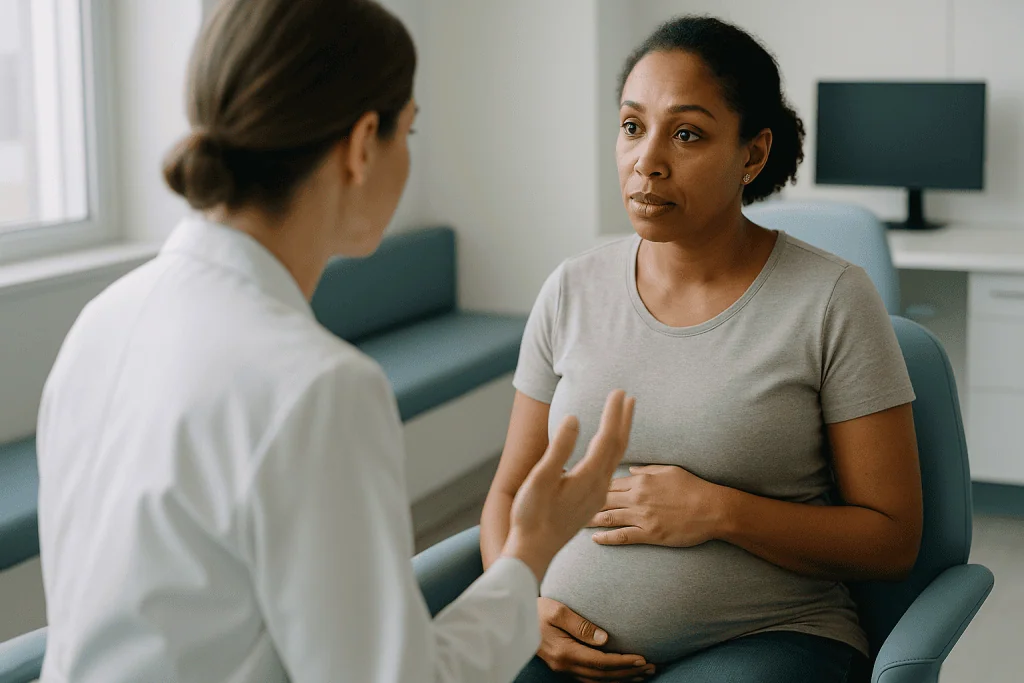
People who commonly go ahead include those with brows lost to years of over-plucking or waxing, in which repeated trauma has left follicles unable to regrow; those with scars from injury, burns or earlier surgery; people with naturally sparse or short brows for genetic reasons; and some people who lost brow hair after medical treatments, once their treating team confirms the hair is not expected to return on its own.
People who are usually asked to wait, or steered elsewhere, fall into a few groups. Alopecia areata is an autoimmune condition in which the immune system attacks hair follicles, and the NIH describes its course as unpredictable, with hair often falling out and regrowing in cycles. Transplanted follicles offer no protection against that attack, so most surgeons decline while the disease is active. Frontal fibrosing alopecia and other scarring alopecias, in which inflammation permanently replaces follicles with scar tissue and frequently takes the eyebrows early, are similar: transplant into active inflammation and the grafts can be lost too.
Trichotillomania, the repeated urge to pull out one’s own hair, is another common reason for missing brows. Mayo Clinic describes it as a mental health condition that can be treated with therapy, and surgeons generally want a sustained period without pulling before considering grafts, because new hair can become a new target.
Thyroid disease, nutritional deficiency and some medications can also thin brows, and in those cases the fix is medical, not surgical. Anyone on blood thinners, or with conditions affecting healing, will need those managed by their prescribing clinician before any elective procedure. The decision, in every case, sits with the treating team.
Brow mapping: drawing the design before any hair moves
Ask an experienced surgeon which part of the day they would least like to rush and most will say the pencil work. Everything that follows is executed against this drawing; a badly drawn brow, transplanted perfectly, is still a badly drawn brow.
Mapping is done with the patient upright, because eyebrows sit differently when someone lies down and the soft tissue of the face shifts. The surgeon usually starts by finding three landmarks on each side: where the brow should begin near the nose, where its highest point should fall, and where it should end toward the temple. These points are placed against the patient’s own bone structure and existing hair, not against a chart of ideal proportions, and they are checked repeatedly in a mirror with the patient’s input.
Symmetry is measured, but it is not made perfect. Almost no one has identical brows, and a pair drawn with mathematical mirroring tends to look artificial. What surgeons aim for is balance: matching height at the inner and outer ends, similar arch position, similar overall weight.
Density is planned zone by zone. Natural brows are not uniformly full. They are usually densest through the middle body, softer at the inner head and tapering to a fine tail. The map records where more grafts will go and where fewer are needed, which also determines how many follicles must be harvested.
If the patient wears brow makeup daily, many surgeons ask them to arrive with it on, photograph it, then wipe it away and design from there. The drawn shape represents years of the patient’s own decisions about what suits their face. A good map borrows that knowledge rather than overriding it, and no incision is made until the patient has agreed to the shape they see in the mirror.
Donor hair choice: where the hair comes from and why it matters
Transplanted hair behaves according to where it grew up, not where it now lives. This principle, sometimes called donor dominance, explains most of what is unusual about brow surgery.
The standard donor area is the back and sides of the scalp, the region that keeps its hair in most people because those follicles are less sensitive to the hormonal signals behind common pattern baldness. It offers a plentiful supply and reliable growth. Its drawback is the one everyone should understand before agreeing to surgery: scalp hair is programmed to grow long and relatively fast, and it keeps doing so in the brow. Trimming becomes a lifelong task.
Within the scalp, the surgeon hunts for the finest hairs. Coarse, thick strands from the crown look heavy above the eye. Hair at the nape of the neck and just above the ears tends to be finer and closer in caliber to natural brow hair, so these regions are often favored. Hair that is very curly presents another challenge, because it must be placed so the curl hugs the skin rather than lifting away from it.
Color is compared closely too. Brow hair is often slightly darker or lighter than scalp hair, and gray hair appears in the two areas at different times. A surgeon may deliberately mix a few lighter or grayer strands into the design when the patient’s remaining brow shows them, so the new hair does not read as a uniform block.
Body hair has been used by some surgeons because it grows shorter, which sounds ideal. In practice its growth is less predictable and harvesting is more demanding, so it remains a secondary option rather than a standard one. Whether any alternative donor site makes sense is a judgment for the surgeon, weighed against how much scalp hair is available and what the patient can tolerate cosmetically.
Eyebrow hair transplant procedure: how donor follicles are harvested
Two established methods take follicles out of the scalp. Both produce the same raw material, single-hair grafts ready for placement, but they leave different marks and suit different people.
Follicular unit excision (FUE) uses a small hollow punch to score around each follicular unit and lift it out individually. It leaves scattered pinpoint scars that are usually hard to see once surrounding hair grows back, and it needs no stitches. Because brows require relatively few grafts, and because the surgeon can be selective about picking the finest single hairs one by one, FUE is the method most often used for brow work today.
Follicular unit transplantation (FUT), also called the strip method, removes a narrow strip of scalp from the donor area, closes the wound with stitches or staples, and then a team divides the strip into individual grafts under magnification. It leaves a single fine line hidden within the hair. MedlinePlus notes that sutures from this approach are typically removed around ten days after surgery. Some surgeons prefer it when a patient wants the donor area shaved as little as possible, or when the finest follicles are concentrated in one spot.
| Feature | FUE | FUT (strip) |
|---|---|---|
| How grafts are removed | One follicular unit at a time with a small punch | A strip of skin, then divided into grafts |
| Donor scar | Many tiny dots, scattered | One thin linear scar |
| Stitches | Not usually needed | Yes, removed at follow-up |
| Donor area shaving | A patch or strip is usually trimmed short | Often only a narrow band |
| Typical use for brows | Most common | Less common; chosen case by case |
Whichever is chosen, harvested grafts are kept moist and cool in a holding solution while the recipient sites are made. Time out of the body matters, and disciplined handling is one of the quiet skills that separates careful teams from fast ones.
Angle of placement: why a few degrees decide whether it looks like a brow
Run a fingertip along your own brow. Near the nose the hairs point upward, almost vertical. Through the body of the brow they fan: the upper row angles down, the lower row angles up, and they meet in a soft central ridge. Toward the tail they lie flat and sweep sideways toward the ear. All of this sits at an angle so shallow that the hair almost lies on the skin.
This is what the surgeon must rebuild, one incision at a time, and it is the part of the operation that most rewards experience. Each recipient site is a tiny slit made with a fine blade or needle. Its angle controls how far the future hair lifts off the skin. Its direction controls which way the hair points once it grows. Both are set before the graft ever goes in; the graft simply follows the channel it is given.
The angle is the more unforgiving of the two. A slit made too steeply produces a hair that stands proud of the skin, and a row of them looks bristly, like a stiff brush rather than a brow. Because transplanted scalp hair is already coarser and grows longer than native brow hair, a steep angle multiplies the problem.
Direction is planned zone by zone against the map drawn earlier and against any surviving natural hairs, which act as a guide. Where old hairs remain, new sites are made between them, mimicking their lean. Where there are none, the surgeon relies on the standard patterns above and on the patient’s photographs from earlier years.
Curl adds a final variable. A curled hair placed with its curve pointing outward will spring away from the face. Placing each graft so the natural curve bends toward the skin keeps it flat, which is why placement is done by hand, under magnification, and slowly.
What actually happens on the day, including how much it hurts
Most people arrive expecting an operating theater and find something closer to a long, quiet dental appointment. The procedure is performed in a clinic room, awake, in a reclining chair.
The morning starts with the mapping described earlier, photographs from several angles, and a final check of the shape in the mirror. The donor area is trimmed short where needed. Local anesthetic is then injected into the scalp and, later, the brow region. The injections are the part most people describe as the least comfortable: a series of brief stings and a pressure sensation before the numbness settles. After that, patients typically report feeling touch and movement but not pain. Some clinics offer a mild oral sedative for anxiety; whether that is appropriate is a decision for the treating team, and anyone given one should not drive afterward.
Harvesting comes next. With FUE the patient usually lies face down or on their side while grafts are removed. The team then counts, sorts and trims the grafts under microscopes, discarding anything that is not a healthy single hair.
The patient is turned face up for site creation and placement. This is the longest stretch and the quietest, with the surgeon working through the map zone by zone. Both brows are usually worked in parallel so density and angle can be compared as the work progresses.
Afterward, the brows look dotted with tiny red points and small crusts, and the skin may be slightly swollen. Both areas are cleaned, aftercare instructions are given, and the patient goes home the same day. The NHS advises that hair transplant patients have a companion to take them home, and that the first night is spent sleeping propped up to limit swelling.
Discomfort in the following days is usually described as tightness or soreness at the donor site more than at the brow. Pain relief, if needed, is chosen by the clinician, and anything that affects bleeding should not be taken without their advice.
Eyebrow transplant recovery time: the first days and weeks
The honest timeline is slower than most people expect, and knowing it in advance prevents a great deal of anxiety around week three.
The first few days. Small crusts form around each graft and the skin is pink. The donor area may feel tight or tender. Sleeping with the head raised is commonly advised, and the face is kept dry or washed only as instructed. The grafts are fragile at this stage and rubbing, scratching or picking must be avoided; the follicles have not yet anchored.
The first two weeks. Crusts loosen and lift with gentle washing. The NHS notes that most people can return to work within about three days of a hair transplant, though a brow procedure sits in the middle of the face and some choose to wait until the redness has faded. Strenuous exercise, swimming and anything that raises blood pressure to the head are typically restricted for around a month, again per NHS guidance, because sweating and straining can disturb healing grafts.
Weeks two to six: the shed. This is the stage that alarms people. MedlinePlus explains that transplanted hairs commonly fall out within about six weeks of surgery. The hair shaft goes, but the follicle beneath stays and enters a resting phase. Some surviving native brow hairs can also shed temporarily in response to the trauma of surgery, a phenomenon known as shock loss. Brows can look sparser than before the operation. This is expected, not a sign of failure.
Months three to six: regrowth. MedlinePlus describes new growth beginning around three months, and the NHS gives roughly six months as the point by which new hair should be growing. Early hairs can be fine and uneven before they thicken.
Toward a year. Most surgeons judge the final result between nine and twelve months, when growth has matured, and only then consider whether a second, smaller session to add density is worthwhile. Individual healing varies, and none of these figures is a guarantee.
How long do eyebrow transplants last, and why trimming becomes a habit
Follicles that survive the move are, in principle, permanent. They carry the biology of the scalp they came from, which means they continue growing for as long as that scalp hair would have. For most people this is a lifelong result, and the same donor dominance that makes scalp transplants durable applies here.
The catch is the growth pattern. Natural brow hair has a short growth phase, which is why it stops at a certain length on its own. Scalp hair has a long growth phase and simply keeps going. Transplanted brow hair therefore needs trimming, often every week or two, with small scissors, to keep it at brow length. Many patients also train the hairs with a clear brow gel while they are new. Over years, some people report that the growth rate seems to slow and the hairs become more brow-like; this is widely described but not well quantified in the medical literature, so it is best treated as a possible bonus rather than a promise.
Not every graft survives. A proportion fails to take in any hair transplant, and the brow is a demanding recipient site because the grafts are placed shallowly and at extreme angles. This is why surgeons plan for the possibility of a second session rather than promising a finished brow from one visit.
Durability also depends on the underlying cause staying quiet. If brows were lost to an inflammatory or autoimmune condition that later reactivates, transplanted follicles can be lost along with native ones. If hair pulling resumes, the new hair is at risk too.
Finally, the face keeps changing. Brows drift lower with age, skin loosens and gray hairs arrive. A transplant fixes the brow in its planned position; it does not stop time around it, and the design chosen in one’s thirties will be worn into one’s seventies.
Eyebrow transplant side effects and risks explained
Every elective surgery carries risk, and the downsides of this one are mostly cosmetic rather than dangerous. That does not make them trivial: they sit in the center of the face.
The common, usually temporary effects are those the NHS lists for hair transplants generally: swelling, which can drift down into the eyelids over the first days; bruising; pinpoint bleeding; itching as the skin heals; and temporary numbness or altered sensation at the donor and recipient sites. Small pimple-like bumps can appear when a new hair struggles to break through the skin, a form of folliculitis that usually settles.
Less common but well recognized are infection at either site, which is why aftercare and hygiene instructions matter; visible scarring at the donor area, more likely with the strip method or in people who scar heavily; and shock loss of native brow hairs, most of which regrow, though not always all.
The risks that are specific to the brow are the ones most worth discussing before surgery. Poor angle produces hair that stands up rather than lying flat. Poor direction produces hair growing the wrong way, which no amount of gel corrects. Grafts that contain two hairs instead of one create a tufted look. A design that is too high, too dark or too heavy can take a face from sparse to startled, and while grafts can be removed, correction is more surgery, more cost in time and more scarring. Uneven survival between the two brows can leave asymmetry that needs a further session.
Rare complications include cysts at graft sites, persistent redness, and, as with any procedure using local anesthetic, a reaction to the medication. People with a history of keloid scarring, bleeding disorders or poorly controlled diabetes carry higher risk, and those factors are precisely what the pre-operative assessment is for. A candid surgeon will walk through this list unprompted.
Alternatives to a transplant worth discussing first
A transplant is the most permanent option, and permanent cuts both ways. Most people benefit from understanding the other routes before committing, and a good consultation covers them without being asked.
Treat the cause. Where thinning is driven by a thyroid disorder, iron or other nutritional deficiency, or a medication side effect, correcting the underlying problem may allow regrowth over months, and Mayo Clinic advises evaluation of hair loss causes before pursuing cosmetic treatment. Alopecia areata is managed medically, often with anti-inflammatory treatments prescribed by a dermatologist; the NIH notes that hair can regrow on its own or with treatment, and relapse is possible. Trichotillomania is treated primarily with a form of behavioral therapy, according to Mayo Clinic.
Topical growth stimulants. A topical vasodilator, minoxidil, is licensed for scalp hair loss and is sometimes used off-label on brows. Its mechanism is thought to involve prolonging the growth phase of follicles. Evidence for brow use is limited, results reverse when it is stopped, and whether it is appropriate is a decision for the prescribing clinician.
Cosmetic tattooing. Microblading and powder-brow techniques deposit pigment in the upper skin to imitate hairs or shading. They involve no surgery and no trimming, but pigment fades and can change color over one to three years, requiring touch-ups, and it cannot mimic the texture or movement of real hair. Some people choose tattooing over a scar first and transplant later; others use it to fill gaps a transplant leaves.
Daily cosmetics. Pencils, pomades and tinted gels remain a legitimate, reversible answer, and for someone unsure about a permanent shape they are a useful trial run for the design.
Doing nothing yet. Sparse brows harm no one’s health. Waiting until an active condition is controlled, or until a person is confident about the shape they want, is often the wisest course.
What people often get wrong about eyebrow transplants
Short videos have taught a generation what a brow transplant looks like at week one and month twelve, and almost nothing about the months in between. Several misunderstandings come up in nearly every consultation.
“The hair grows in as brow hair.” It does not. It grows as scalp hair living in a brow, at scalp speed and scalp length, and it will need trimming. Anyone not prepared to trim regularly should think twice.
“If the hair falls out, the transplant failed.” Shedding in the first weeks is the normal biology of a moved follicle, as MedlinePlus describes. The follicle rests and then restarts. Judging the result before about nine months is judging a cake by the batter.
“More grafts mean a better brow.” Density has a ceiling. Beyond a certain point extra grafts compete for blood supply, survival drops, and the result looks heavy. Skilled design uses fewer hairs placed precisely rather than many hairs placed quickly.
“It fixes any kind of brow loss.” A transplant replaces follicles; it does not switch off autoimmune attack, inflammation or hair pulling. In those situations it can fail outright, and a surgeon who declines to operate is protecting the patient.
“Any hair transplant surgeon can do brows.” The skills overlap but the angle and direction demands are far stricter. Asking how many brow cases a surgeon performs, and seeing their healed results at a year, is reasonable due diligence rather than rudeness.
“Results are instant and painless.” Neither. There is a week or two of visible healing, a shed, and months of waiting. The anesthetic injections sting. It is a genuine surgical procedure with a genuine recovery, and it deserves to be approached as one.
“One session is always enough.” Often it is not, and planning for a possible touch-up session is standard rather than a sign that something went wrong.
Questions to ask your care team
Consultations go better when the patient arrives with a list. These are the questions that tend to surface the information that matters, and a team comfortable answering them is usually a team worth trusting.
- What do you think caused my brow loss, and have you ruled out conditions that would make transplanting unwise, such as active alopecia areata or a scarring alopecia?
- Do you want me to see a dermatologist or have blood tests before we decide?
- Which donor area would you use for me, and why? How will you match hair caliber and color?
- Would you use FUE or the strip method in my case, and what will the donor scar look like once healed?
- How will you decide the angle and direction of each graft, and how do you handle curly hair?
- Will you design the brow with me upright and in a mirror, and can I bring photographs of my brows from earlier years?
- Roughly how many grafts do you expect to place, and how did you arrive at that estimate?
- What percentage of your brow cases need a second session, and how do you decide?
- How many eyebrow transplants do you personally perform, and may I see healed results at a year, not just early photos?
- Who will be doing each step: the design, the harvesting, the incisions and the placement?
- What exactly should I do and avoid in the first two weeks, and who do I contact if something worries me at night or on a weekend?
- What would make you advise me to wait, or not to do this at all?
- What are the realistic downsides for someone with my skin, hair type and medical history?
The last question is often the most revealing. A surgeon who can describe the reasons not to operate is showing that the decision will be made on medical grounds. Take notes, take time, and treat any pressure to book on the day as a reason to pause.
When to call your doctor
Most recovery is quiet: some swelling, some crusting, an itch, a shed. A small number of signs mean the treating team should hear from you promptly rather than at the scheduled follow-up.
Call the clinic the same day if you notice increasing redness that spreads beyond the treated area, warmth, or swelling that gets worse after the third day instead of better; thick yellow or green discharge, or an unpleasant smell from either the brow or the donor site; a fever or chills; bleeding that does not stop with gentle, steady pressure for the time your aftercare sheet specifies; or pain that is escalating rather than settling, particularly if pain relief chosen by your clinician is no longer controlling it.
Seek urgent care if swelling around the eyes is so severe that you cannot open them, if you develop vision changes, if you have signs of an allergic reaction such as a widespread rash, facial or lip swelling or difficulty breathing, or if you feel faint, confused or unusually unwell. These are rare, but they are not situations to wait out overnight.
Contact your team, without urgency but without delay, if a cluster of grafts appears to have fallen out with the follicle attached in the first few days, if you develop persistent pimple-like bumps that are not settling after a few weeks, or if you notice numbness that has not begun to improve by the first follow-up.
Beyond the physical, a word about mood: the shedding phase, when brows can look sparser than before surgery, is a known low point. If distress about appearance is affecting sleep, work or relationships, that is a reason to speak to your doctor too. And if your brows were lost to hair pulling and the urge returns, tell the team early; there are treatments, and protecting the new hair starts with saying so.
Frequently asked questions
How painful is an eyebrow transplant?
Most people describe the anesthetic injections as the most uncomfortable part, a series of brief stings before the area goes numb. During harvesting and placement patients typically feel pressure and movement but not pain. Afterward, soreness or tightness at the donor site is more common than pain in the brow itself, and any pain relief is chosen by the treating clinician, who should also advise on what to avoid because of bleeding risk.
How long do eyebrow transplants last?
Follicles that survive the move are generally permanent, because they keep the biology of the scalp they came from. The results depend on the underlying cause staying quiet: if an autoimmune or inflammatory condition reactivates, or hair pulling resumes, transplanted hairs can be lost too. Not every graft survives, so surgeons commonly plan for a possible second session rather than promising a finished brow from one visit.
What are the downsides of eyebrow transplant surgery?
The main practical downside is that transplanted scalp hair grows long and needs trimming indefinitely. Cosmetic risks include hair placed at too steep an angle, hair growing the wrong direction, tufting from two-hair grafts, or a design that looks too heavy. Medical risks listed by the NHS for hair transplants include swelling, bruising, bleeding, infection, numbness and scarring, along with temporary shock loss of native brow hairs.
What is the eyebrow transplant recovery time?
Visible healing takes about one to two weeks, with crusts forming and lifting and redness fading. The NHS notes most people return to work within about three days after a hair transplant and avoid strenuous exercise for around a month. Transplanted hairs then shed within roughly six weeks per MedlinePlus, regrowth begins around three months, and the mature result is usually judged toward a year. Individual healing varies.
What is the eyebrow hair transplant procedure step by step?
The surgeon draws the brow design on the skin with the patient upright, numbs the donor area and removes single-hair follicular units, most often by FUE. Grafts are sorted under magnification while the brow is numbed. Tiny incisions are then made at a flat angle following the natural direction of brow hair, and each graft is placed by hand. The patient goes home the same day with aftercare instructions.
Where does the donor hair for an eyebrow transplant come from?
Usually from the back or sides of the scalp, where hair is genetically resistant to pattern loss. Surgeons prefer the finest hairs, often from the nape or above the ears, because coarse crown hair looks heavy in a brow. Color and gray content are matched to any remaining brow hair. Body hair has been used by some surgeons because it grows shorter, but its growth is less predictable and it is not standard.
Why do transplanted eyebrow hairs fall out after surgery?
Because that is normal follicle biology after being moved. The hair shaft sheds, typically within about six weeks according to MedlinePlus, while the follicle beneath stays in place and enters a resting phase before producing a new hair around three months later. Some native brow hairs can also shed temporarily from the shock of surgery. Brows can look sparser than before at this stage, and it does not indicate failure.
Can I have an eyebrow transplant if I have alopecia areata?
Usually not while the condition is active. Alopecia areata is an autoimmune attack on hair follicles, and the NIH describes its course as unpredictable with cycles of loss and regrowth. Transplanted follicles are not protected from that attack, so most surgeons decline until a dermatologist confirms the disease has been quiet for a sustained period. Medical treatment, not surgery, is the first-line approach.
Do eyebrow transplants look natural?
They can, but only when the angle and direction of each graft mimic natural brow hair, which lies nearly flat against the skin and changes direction across the brow. Single-hair grafts, fine donor hair and a design based on the patient’s own face all matter. Because the hair grows to scalp length, regular trimming is essential to keep the result looking like a brow rather than a row of longer hairs.
How many sessions does an eyebrow transplant take?
Often one, sometimes two. Because not every graft survives and the brow is a demanding recipient site, surgeons frequently assess the result after nine to twelve months and then decide with the patient whether a smaller second session to add density or refine shape is worthwhile. Planning for that possibility is routine and does not mean the first procedure went wrong.
References
This article is for general information only and is not a substitute for professional medical advice. Please consult a qualified doctor about your individual situation.

More from the Blog

Norwood 6: What Advanced Loss Means for Donor Supply and Expectations
Norwood 6 is advanced male pattern hair loss: the frontal and crown bald areas have merged into one, leaving only a horseshoe of hair…
Mature Hairline or Receding? How to Tell the Difference Honestly
A mature hairline moves back evenly, about a finger's width, or 1 to 1.5 centimeters, above the adolescent line, and then stabilizes, with the…
The Norwood Scale: How Surgeons Stage Hair Loss to Plan a Transplant
The Norwood scale is a seven-stage classification of male pattern hair loss, running from a full youthful hairline (stage 1) to a single horseshoe…
Which Sleeping Position Protects Grafts After an FUE Hair Transplant? Elevation and Pillows
After an FUE hair transplant, most care teams ask patients to sleep on their back with the head raised on pillows or a wedge…
Why Hair Transplant Repair Is Often Staged: Sequencing Graft Removal, Redesign and Regrafting
Hair transplant repair is usually staged because each step changes the conditions for the next. Misplaced grafts are typically removed first, the scalp is…
DHI Explained: What Direct Hair Implantation Changes in Practice
DHI (direct hair implantation) is a variation of the FUE hair transplant in which extracted follicles are loaded into a spring-driven implanter pen and…